Xenium services: spatial transcriptomics at single-cell resolution

Explicyte is a 10x Genomics Certified Service Provider offering end-to-end Xenium spatial transcriptomics services for academic, biotech and pharmaceutical teams.

With two Xenium Analyzers in Bordeaux, France, we've already processed over 500 samples on Xenium. We support projects from tissue sourcing and QC to data generation, bioinformatics and biological interpretation.

XENIUM CRO SERVICES

Why run Xenium with Explicyte

Fast results: 2 Xenium instruments on-site

Parallel instrument capacity to open slots fast and process large cohorts.

Service provider certified by 10x Genomics

Explicyte is certified by 10x Genomics for Xenium, Visium HD and Chromium X.

In-house bioinformatics & spatial analysis

From raw Xenium data to cell annotation, spatial analysis, biological interpretation and publication-ready deliverables.

HOW WE RUN XENIUM STUDIES

From study design to interpreted Xenium data

  1. Xenium study and sample scoping CRO services
    1

    Objectives, samples, and study design

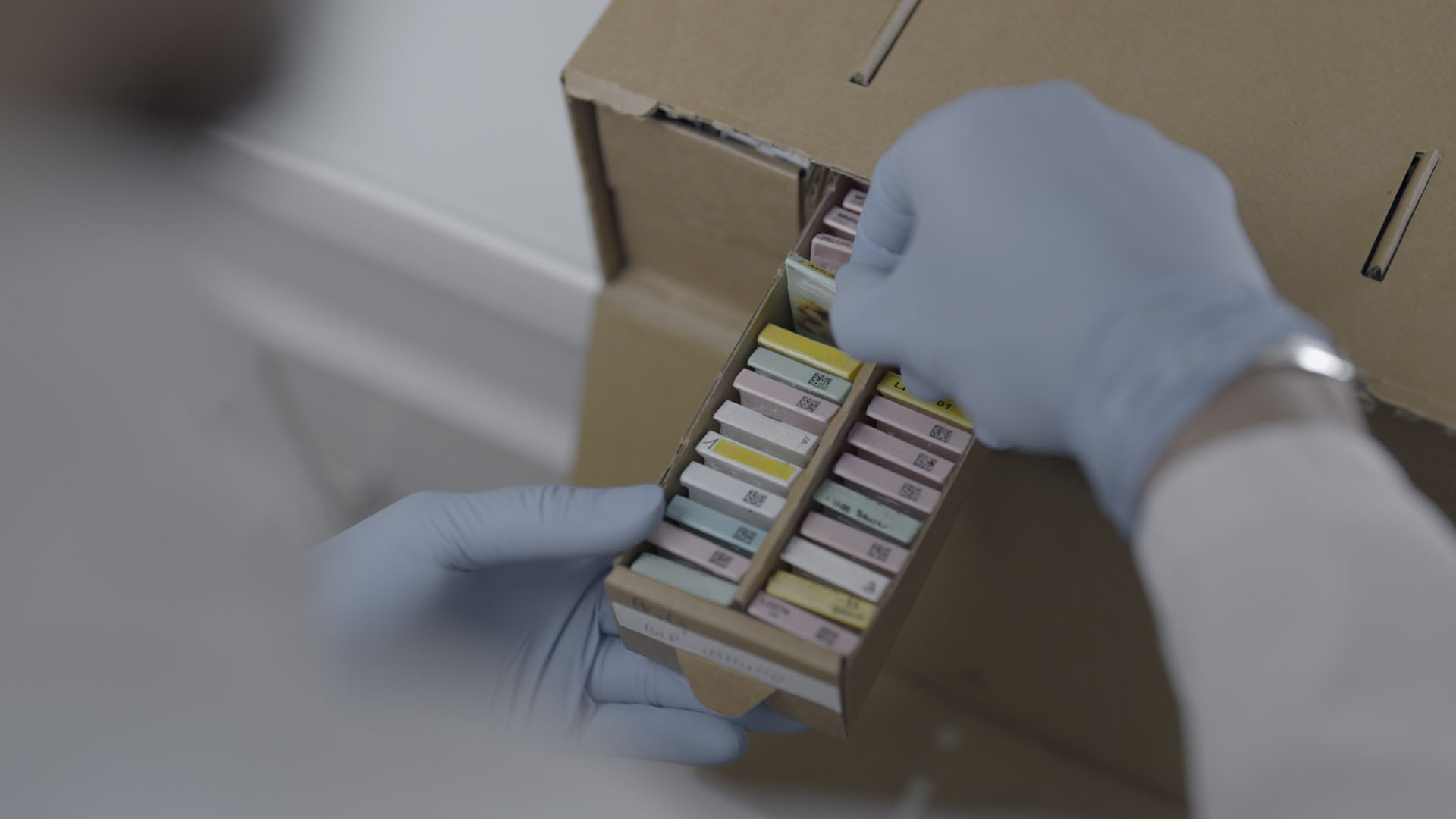
    A PhD study director reviews your biological objectives, available tissue, cohort, timeline and budget, then defines sample eligibility, panel strategy, slide layout, metadata requirements and analysis plan.

  2. Sample preparation and qc for Xenium services
    2

    Sample logistics, preparation, and QC

    We provide sample and shipping requirements and can support tissue sourcing when needed. After registration and preparation, tissue suitability is assessed by pathology review and RNA-quality testing, including RNAscope-based qualification where applicable. Only samples meeting the agreed study criteria proceed to Xenium profiling.

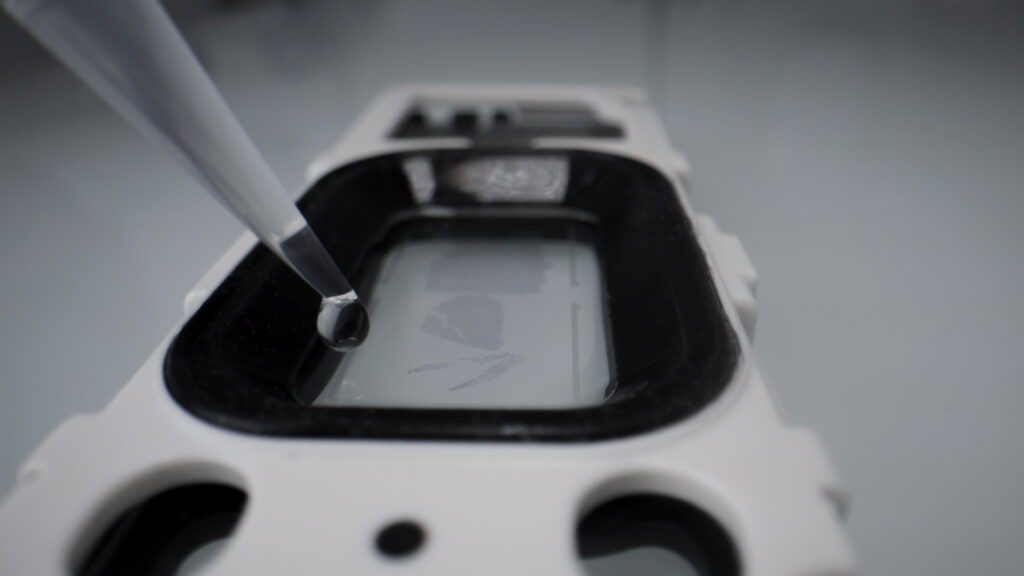
  3. Explicyte's two Xenium Analyzer instruments running side by side on the bench
    3

    Xenium data generation on two Analyzers

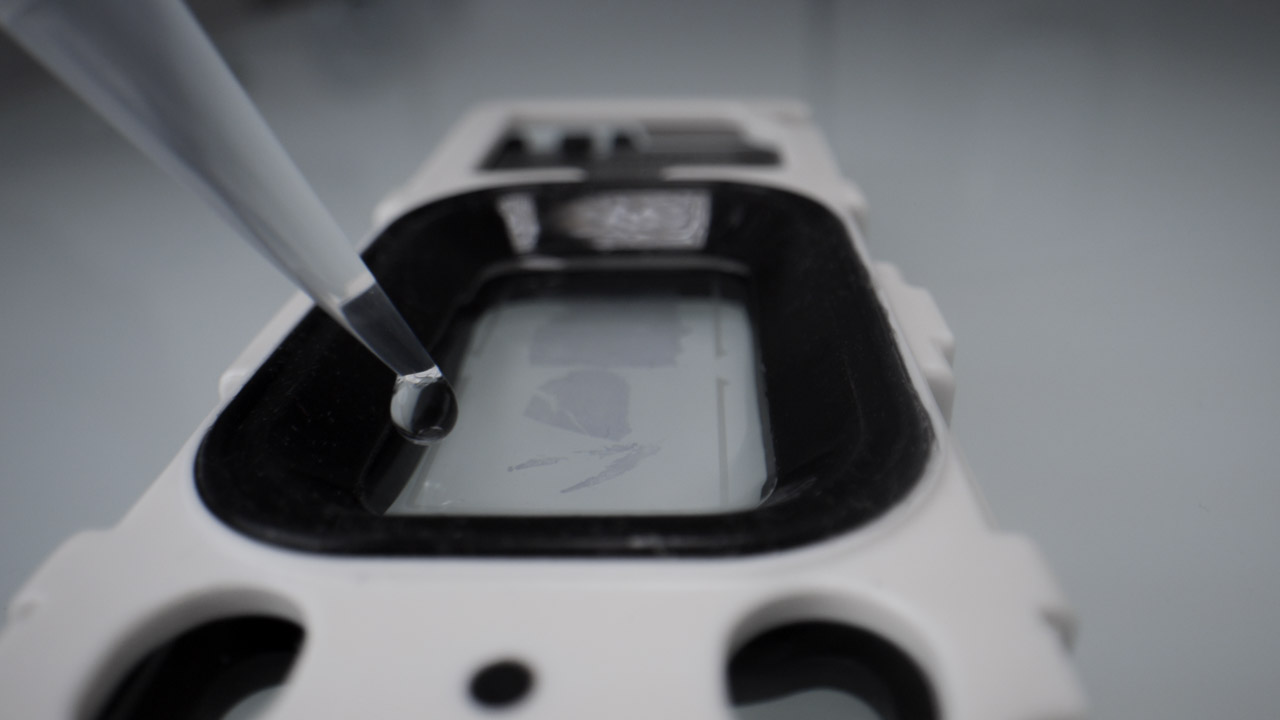
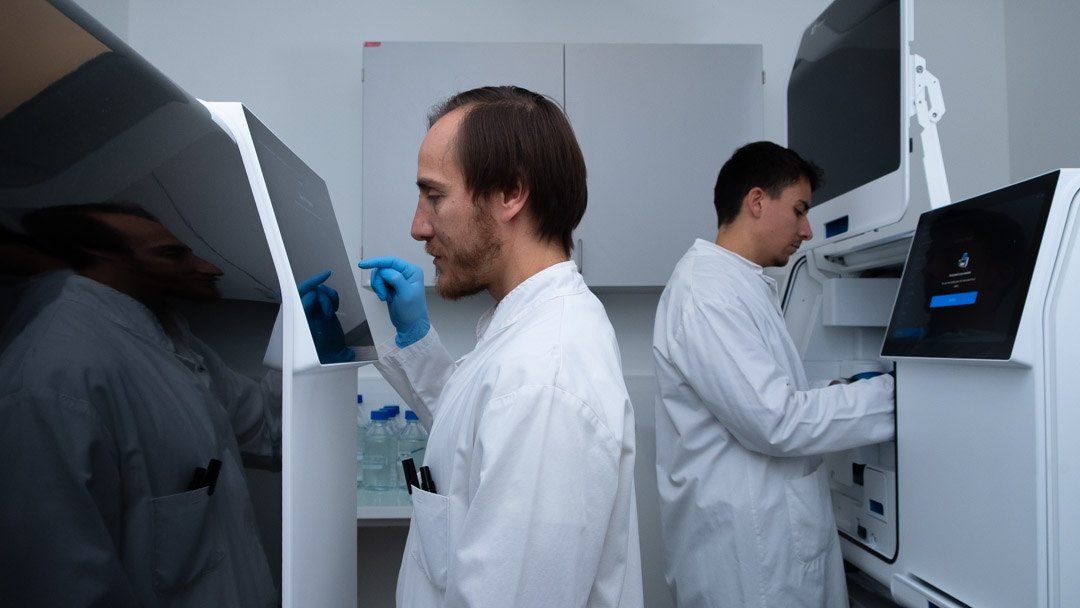
    Qualified samples are processed using the selected Xenium panel, with parallel instrument capacity, harmonized run planning and platform-specific QC across the cohort.

  4. Bioinformatics Analysis of Xenium Single-Cell Transcriptomics Data
    4

    Data analysis, post-Xenium imaging & delivery

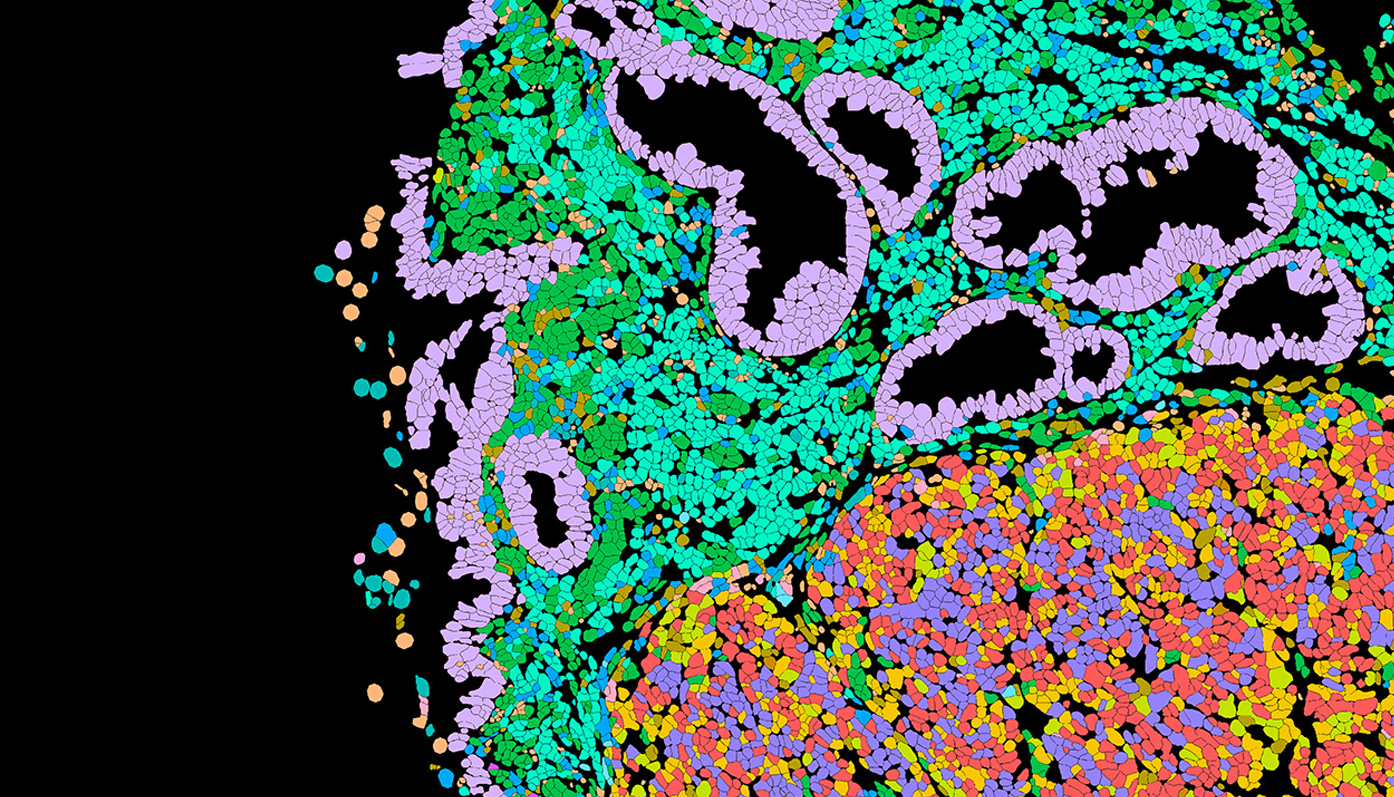
    Our in-house team can preprocess, annotate and analyze the dataset to the depth required by the study, with downstream analyses tailored to the panel and biological question. Where relevant, we can also perform post-Xenium H&E or multiplex IF on the same tissue section and register the resulting images with the Xenium dataset, connecting morphology and protein phenotypes with spatial gene expression.

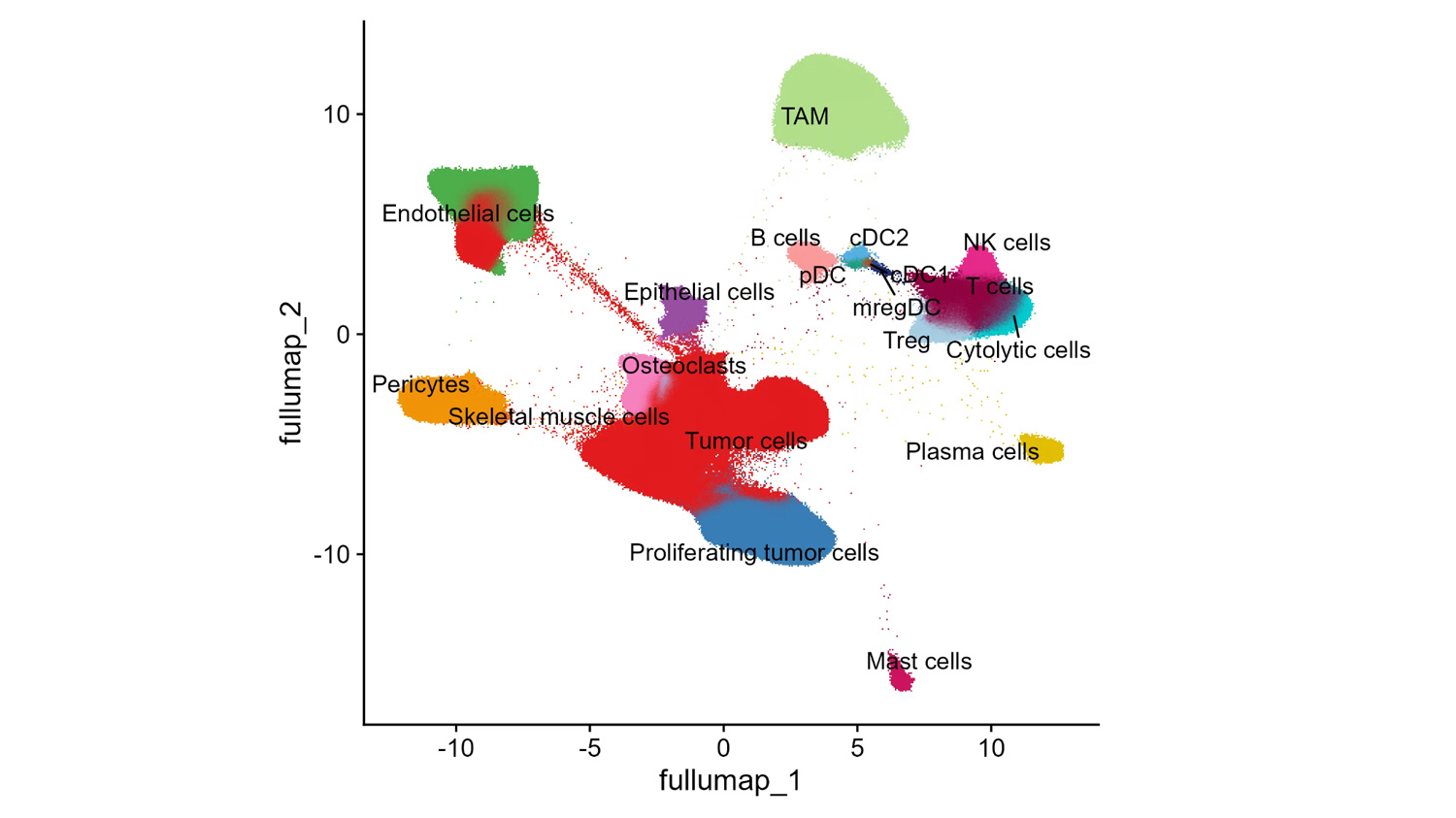
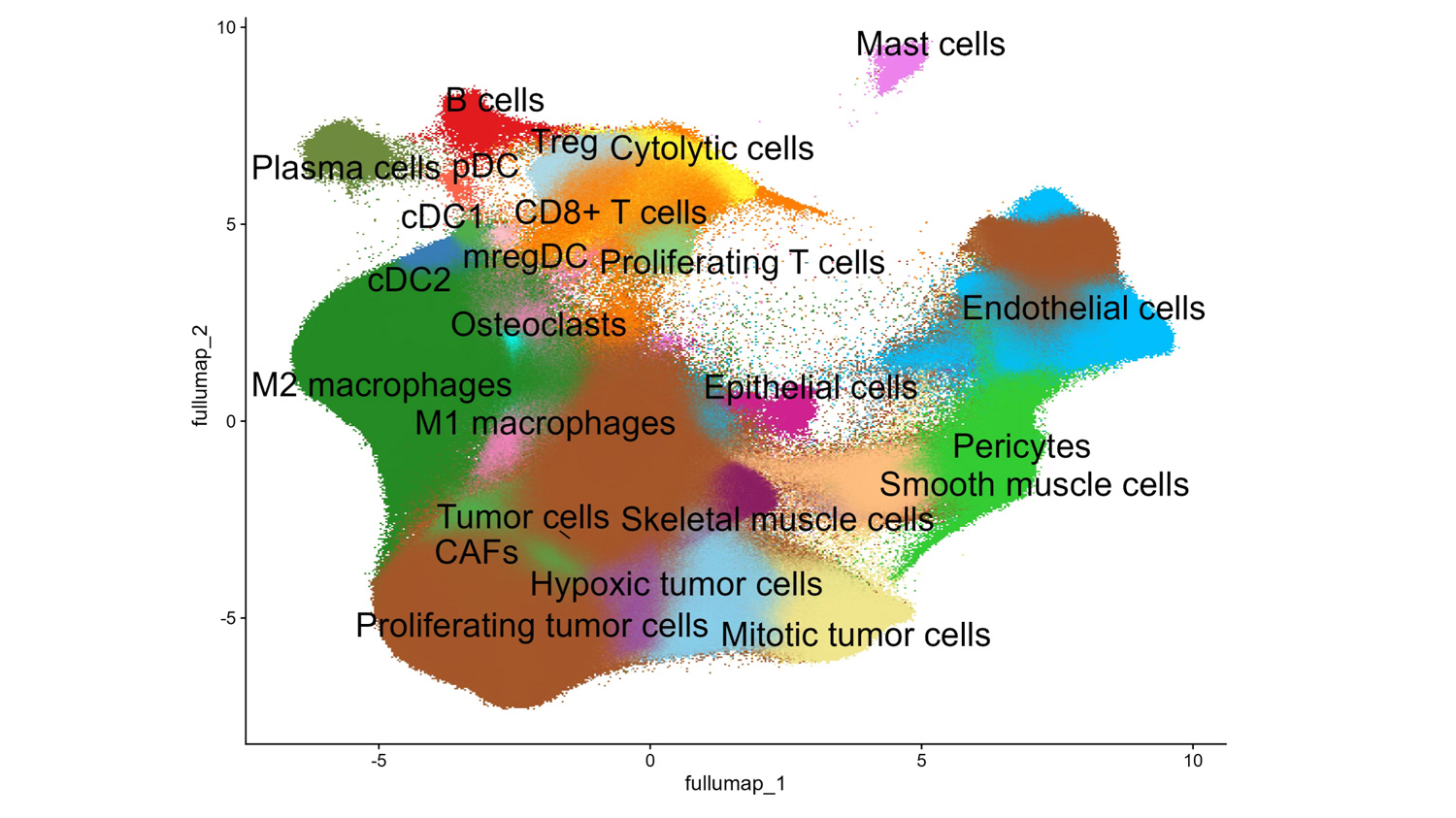
An in-house workflow to clean and standardize Xenium datasets
After preprocessing After preprocessing
Before preprocessing Before preprocessing

Cluster annotation of a Xenium dataset, before and after our preprocessing workflow — ambient RNA, doublets, batch effects, and contaminating populations removed.

Comprehensive Xenium deliverables

  • Xenium Analyzer output bundle (transcripts + images)
  • Raw + filtered cell-by-gene expression matrix
  • Cell segmentation masks (nuclear + cellular)
  • Cell-type annotation (curated references + AI-assisted)
  • Spatial clustering + neighborhood statistics
  • Differential expression + cell-cell communication analysis
  • QC report (imaging, segmentation, dataset stats)
  • Xenium Explorer bundle for interactive visualization
  • Optional post-Xenium H&E or multiplex IF imaging with spatial registration
  • Publication-ready figures + report
Explore Xenium data analysis

At a glance

Xenium spatial transcriptomics specifications

Resolution
Subcellular transcript localization with cell-level segmentation and analysis in intact tissue, without dissociation.
Panels
RNA panels: focused 50–480 gene panels or Xenium Prime 5K, with custom gene options. RNA + protein: Xenium Protein subpanels available with compatible human <500-gene FFPE workflows.
Imageable area
Up to 472 mm² per run across 2 slides.
Sample multiplexing
Multiple tissue sections or TMA cores can share a slide where tissue dimensions and study design allow, increasing cohort throughput and reducing per-sample run cost.
Sample types
Human or mouse FFPE and fresh-frozen tissue specimens (core-needle biopsies, TMAs, surgical sections), organoids, and STAMP-compatible samples (fixed cell cultures).
Throughput
Two Xenium instruments on-site — up to 32 samples per week depending on the panel.
Certification
10x Genomics Certified Service Provider
Post-Xenium imaging
Same-section H&E or multiplex IF can be added after Xenium profiling, with spatial image registration to the Xenium dataset where included in the study design.
Not sure which 10x platform fits your study? Compare Xenium, Visium HD and Chromium X Compare Xenium, Visium HD and Chromium X

Xenium case studies

Xenium studies and data examples
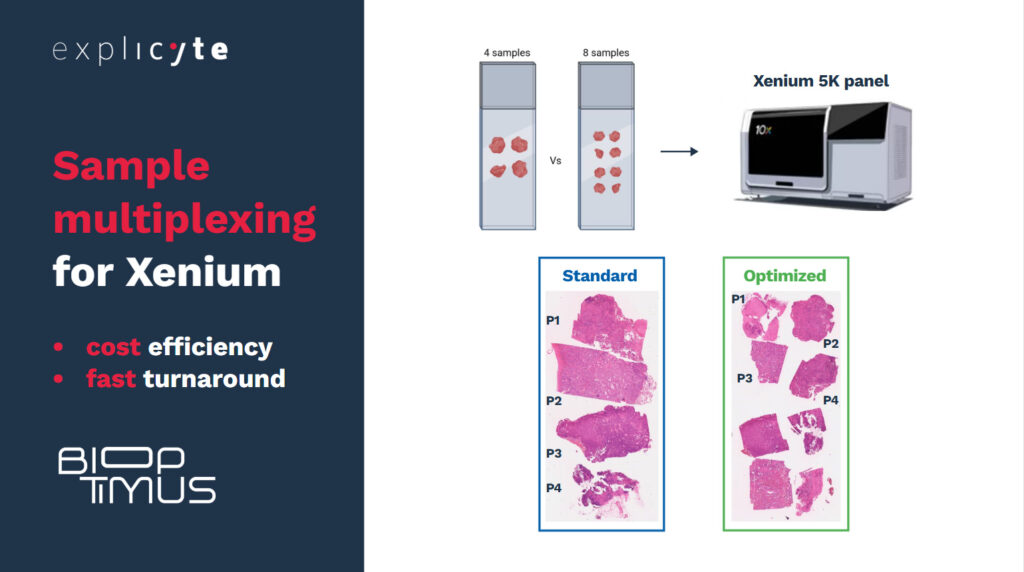
Sample multiplexing for Xenium – Bioptimus x Explicyte Case Study

This study in partnership with AI company Bioptimus addresses cost and throughput. We doubled the number of FFPE samples per Xenium slide and ran a rigorous head-to-head against the “standard…

Sample multiplexing Xenium Bioptimus

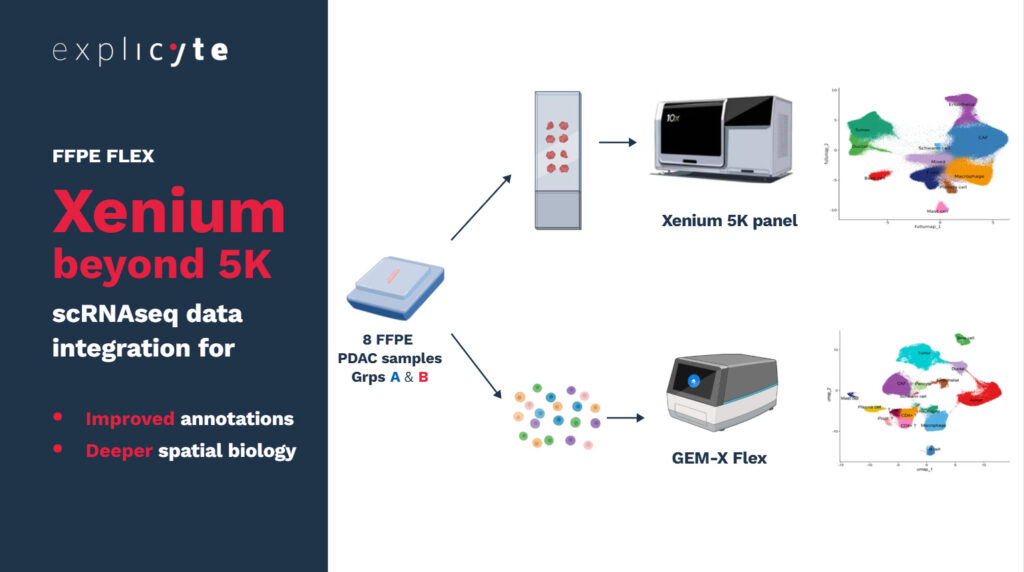
Xenium beyond 5k

On a cohort of FFPE PDAC samples, we tested whether matched scRNAseq data could unlock biology hidden from the Xenium 5K panel. By integrating scRNA-seq data with Xenium, we substantially improved …

Xenium beyond 5K

FFPE Transcriptomics: Visium HD vs. Xenium vs. Chromium — Choosing and Running 10x Genomics Platforms for Tumour Spatial and Single-Cell Analysis

Formalin-fixed, paraffin-embedded (FFPE) tissues remain the backbone of oncology biobanking, with vast archives of clinically annotated samples. With 10x Genomics’ probe-based workflows —Chromium F…

10x Genomics for FFPE Tumor Analysis Visium vs Chromium vs Xenium

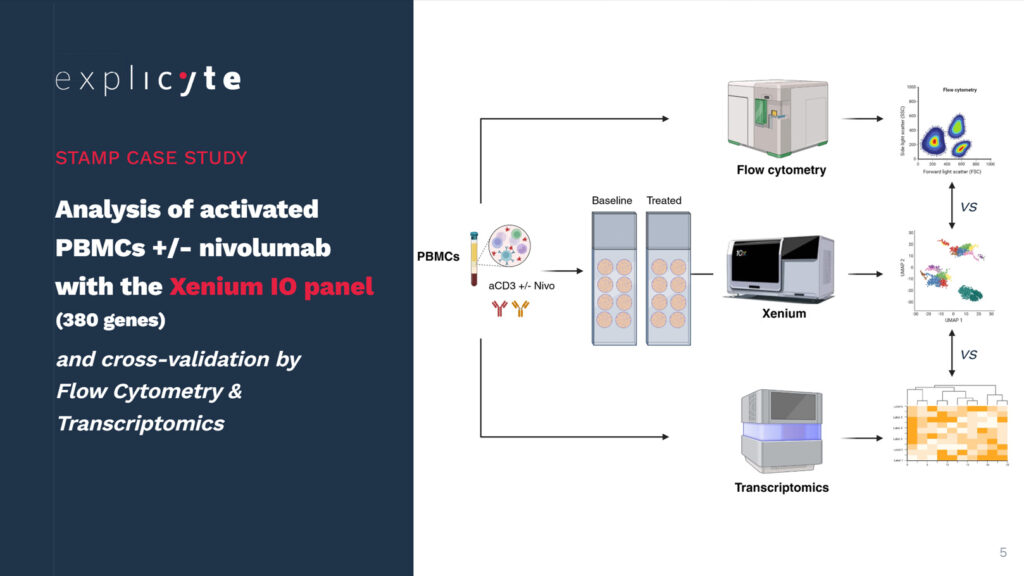
Xenium-STAMP case study: Analysis of activated PBMCs +/- nivolumab with the Xenium IO panel (380 genes)

In the context of a 10x Genomics webinar in September 2025, Explicyte presented an in vitro proof-of-concept using Xenium, demonstrating how the STAMP workflow (Pitino et al., Cell 2025) enables si…

Analysis of activated PBMCs +/- nivolumab with the Xenium IO panel (380 genes) and cross-validation by Flow Cytometry & Transcriptomics

Efficacy and CRS profiling of bispecific T-cell engagers

Are you developing multispecifics? This case study walks through how we profile a bispecific T-cell engager end to end — efficacy, mechanism, and cytokine-release liability — using tarlatamab, a CD…

A cell-based system to assess multi-specifics in relevant target-expressing cell co-cultures
explicyte multiomics transcriptomics CRO team

Paul Marteau, PharmD (study director), Imane Nafia, PhD (CSO), Loïc Cerf, MSc (COO), Alban Bessede, PhD (founder, CEO), Jean-Philippe Guégan, PhD (CTO)

contact our team

Discuss your Xenium project

Have a Xenium project in mind? Tell us the tissue, the genes you care about, and the cohort size — we'll advise on panel and design and scope it with you.

XENIUM FAQ

Frequently asked questions about Xenium services

What is Xenium spatial transcriptomics, and when should I use it?

Xenium is 10x Genomics’ in situ spatial transcriptomics platform for targeted gene-expression profiling at single-cell resolution while preserving tissue architecture. Choose it when you have defined genes of interest and need them resolved cell by cell, in spatial context. For a broader comparison, see our guide to Xenium vs. Visium HD vs. Chromium X.

Explicyte supports focused Xenium panels as well as Xenium Prime 5K, with custom gene options according to the selected chemistry. During study design, we help select the panel and custom content that best match your biological questions, tissue type, cohort size and budget.

Both. We run Xenium on FFPE and fresh-frozen sections, across indications and species, with specific expertise in FFPE tumor material — biopsies, TMAs, and surgical sections. We work back from the material you have to what’s feasible.

Yes, where suitable material is available. Through our network of biobanks, Explicyte can support sourcing of normal and tumor FFPE cohorts for spatial transcriptomics studies. Feasibility depends on the indication, sample criteria, cohort size, required metadata and applicable consent or regulatory requirements.

Before profiling, samples undergo study-specific qualification designed to reduce the risk of committing unsuitable tissue to a Xenium run. This typically combines pathology review of tissue morphology and usable tissue area with RNA-quality assessment, including RNAscope-based qualification where applicable. Samples proceed according to the acceptance criteria agreed during study setup.

From a handful of blocks to large cohorts. With two Xenium instruments on-site we run up to 32 samples per week depending on the panel, and the 472 mm² imageable area per run lets small biopsies or a TMA share a slide — so a cohort moves through with consistent QC across the batch. Tell us the number and we’ll scope timeline and capacity.

Yes. The Xenium workflow leaves the tissue section largely intact, allowing additional staining and imaging after the spatial transcriptomics run. Depending on the study design, Explicyte can perform post-Xenium H&E or multiplex IF on the same section and register the resulting images with the Xenium dataset, allowing morphology or protein phenotypes to be interpreted alongside spatial gene expression. This is distinct from Xenium Protein, which provides integrated RNA and protein detection during compatible human FFPE <500-gene workflows.

Both are available. The standard deliverable is an interpreted dataset — cell-by-gene matrix, segmentation, cell typing, tumor-microenvironment characterization, spatial statistics, QC, and publication-ready figures — from our in-house data-science team. If you only want the primary output plus your own downstream analysis, tell us where you want the handoff.

Yes. Explicyte is a 10x Genomics Certified Service Provider for Xenium (and Visium HD and Chromium X). 

Explicyte Oncology CRO logo

Capabilities

Modalities