Visium HD services: whole-transcriptome spatial biology

Explicyte is a 10x Genomics Certified Service Provider. We deliver end-to-end Visium HD spatial transcriptomics studies, from tissue qualification and CytAssist processing through sequencing and data delivery, with optional in-house bioinformatics and biological interpretation.

VISIUM HD CRO SERVICES

Why teams run Visium with us

Visium HD service provider certified by 10x Genomics

Explicyte is certified by 10x Genomics for Visium HD, Xenium and Chromium X, with established experience designing and executing spatial and single-cell transcriptomic studies.

Whole-transcriptome spatial profiling, managed end to end

We coordinate the Visium HD workflow from tissue preparation and CytAssist processing through library generation, sequencing and data delivery, so sponsors work with a single team.

In-house Visium HD bioinformatics

From FASTQ processing and Space Ranger outputs to spatial domains, cell-type mapping and biological interpretation, downstream analysis is performed by our in-house data science team.

HOW WE RUN VISIUM HD STUDIES

From study design to spatial gene-expression data

  1. Visium HD study and sample scoping CRO services
    1

    Objectives, samples, and study design

    A PhD study director reviews your biological objectives, available tissue, cohort, timeline and budget, then defines sample eligibility, assay chemistry, capture-area format, slide layout, sequencing requirements and data-analysis plan. Visium HD WT Panel and Visium HD 3′ provide complementary options according to sample type and discovery objectives.

  2. Sample preparation and QC for Visium HD services
    2

    Sample logistics, preparation, and QC

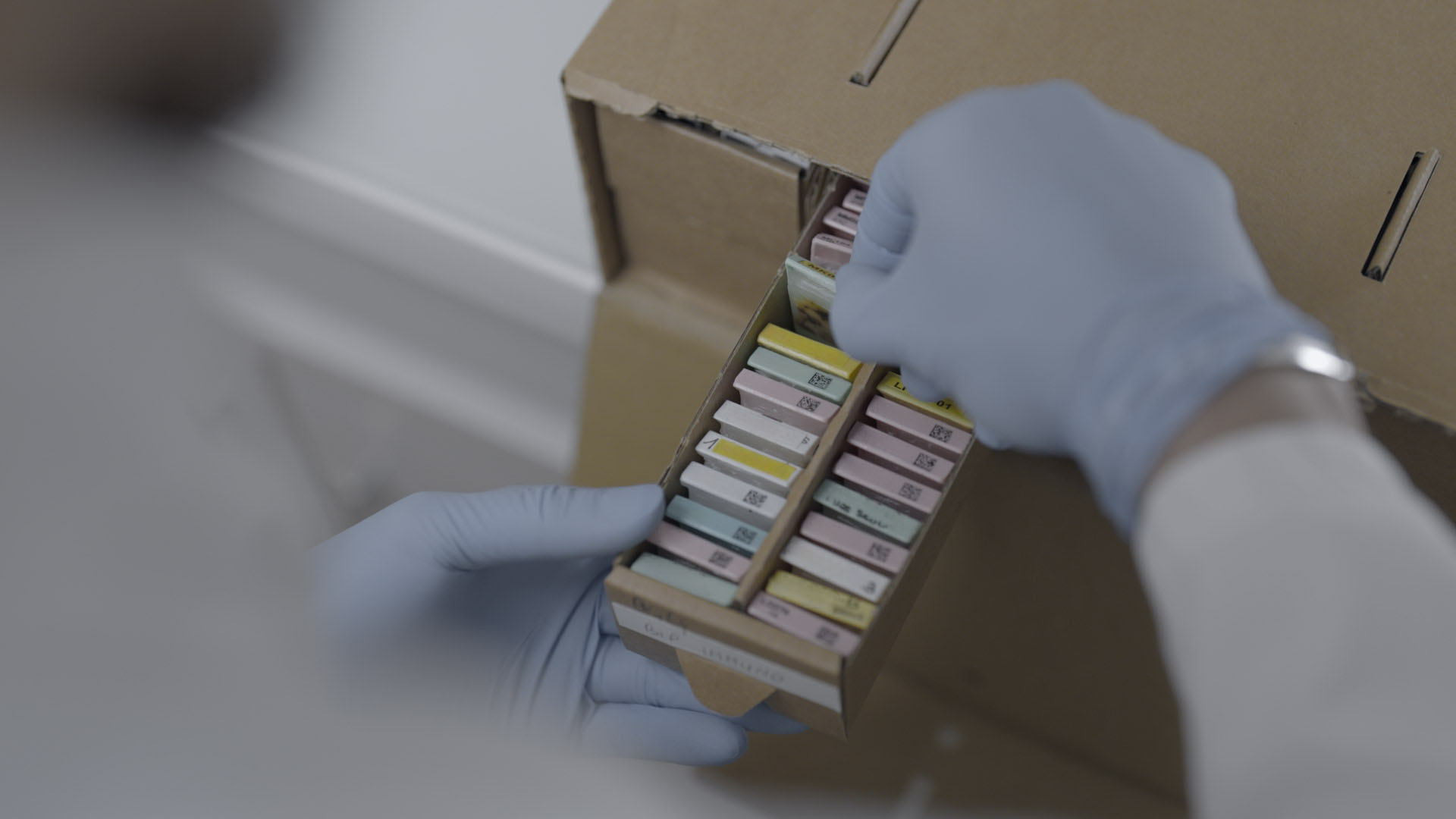
    We provide sample requirements and shipping guidelines and can support tissue sourcing when needed. Sample compatibility and qualification are assessed according to the selected Visium HD workflow, with pathology review and RNA-quality evaluation performed before samples proceed to spatial profiling.

  3. Visium HD CytAssist run and library preparation at Explicyte
    3

    CytAssist, library preparation & sequencing

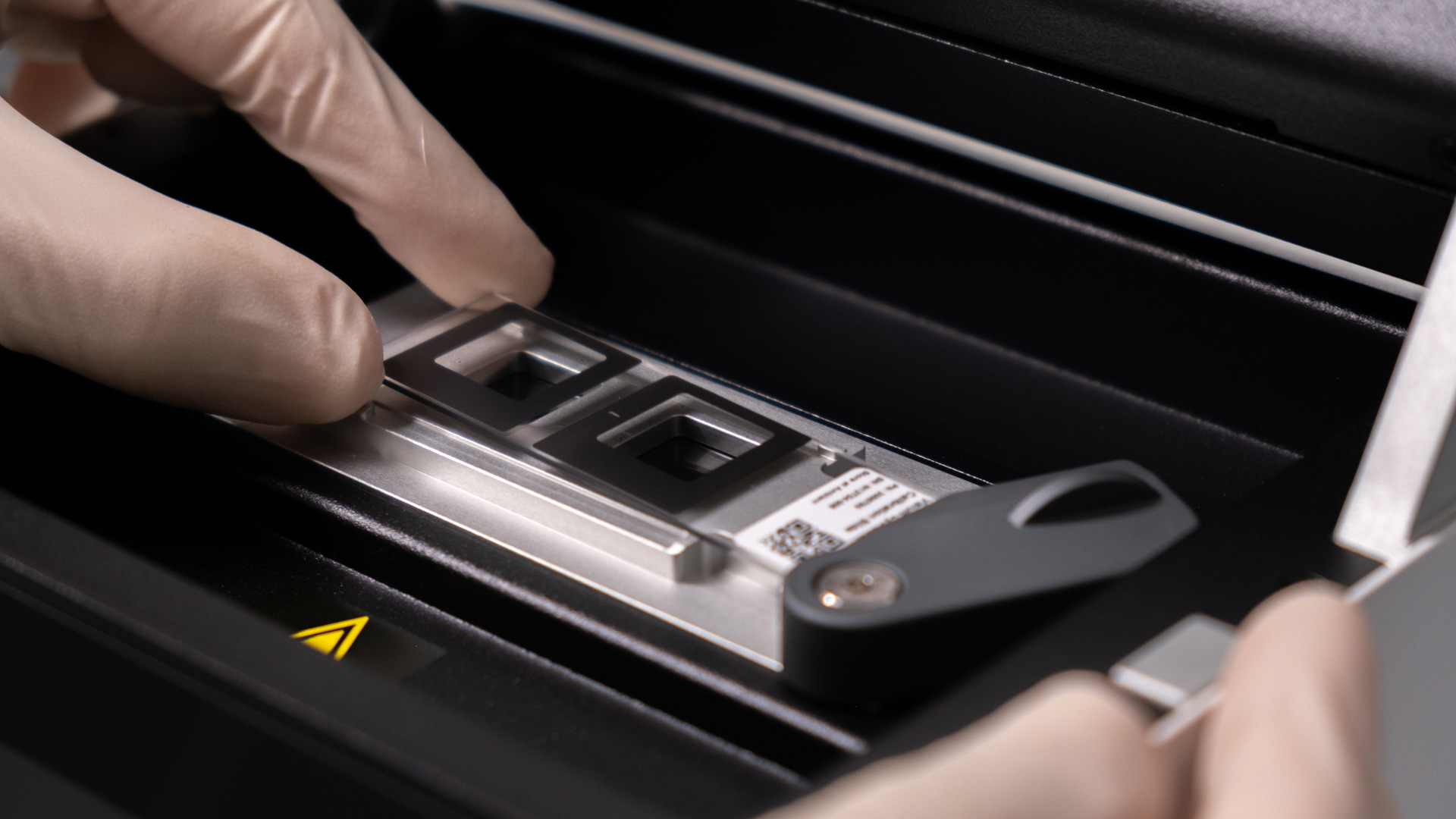
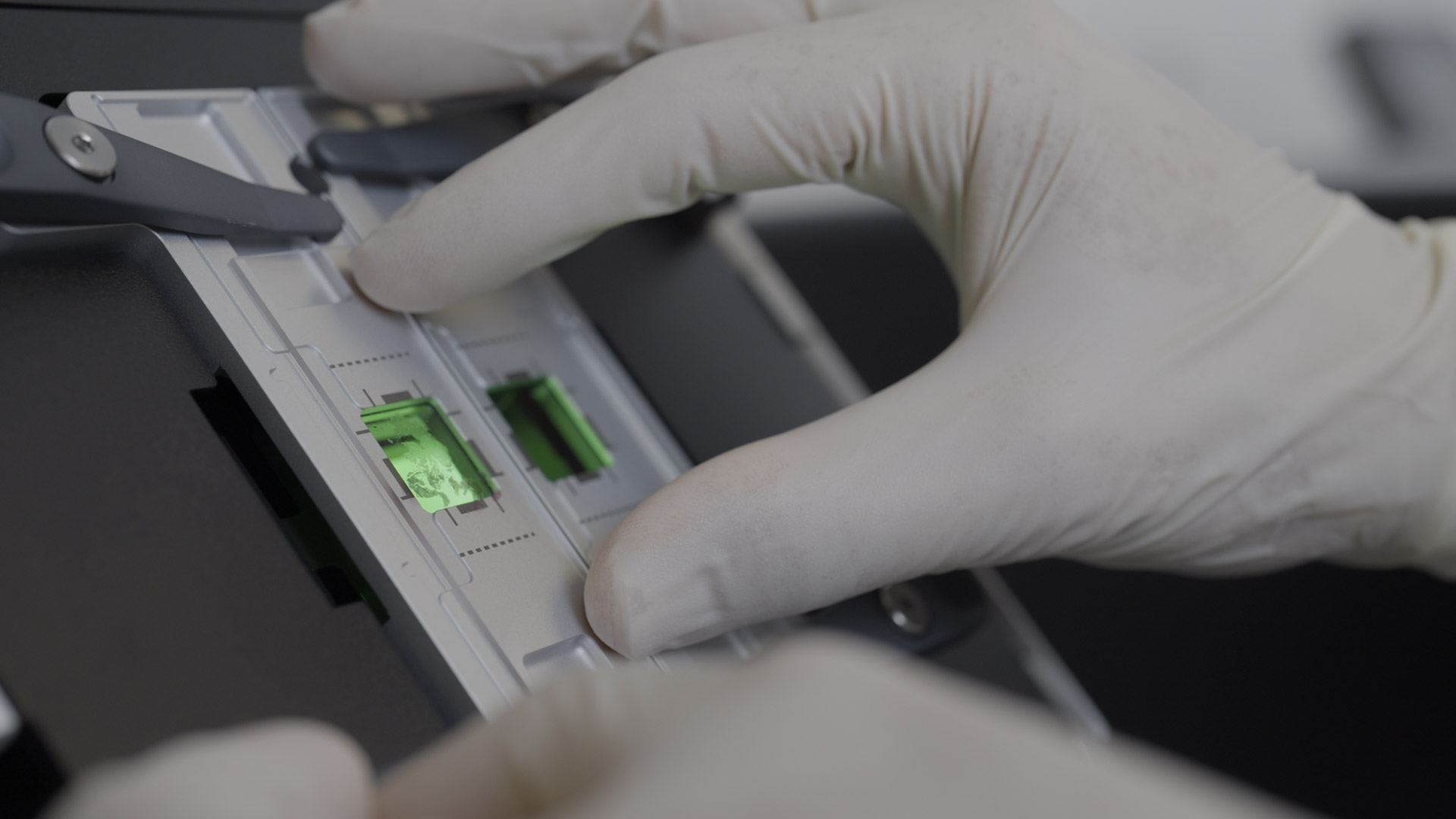
    Qualified sections are processed using the appropriate Visium HD CytAssist workflow, followed by library preparation and sequencing. Tissue morphology is registered with the spatial expression data, with imaging options defined by the selected assay chemistry. Sequencing depth is specified according to tissue coverage and downstream analytical objectives.

  4. Bioinformatics analysis of Visium HD spatial transcriptomics data
    4

    FASTQ delivery & spatial data analysis

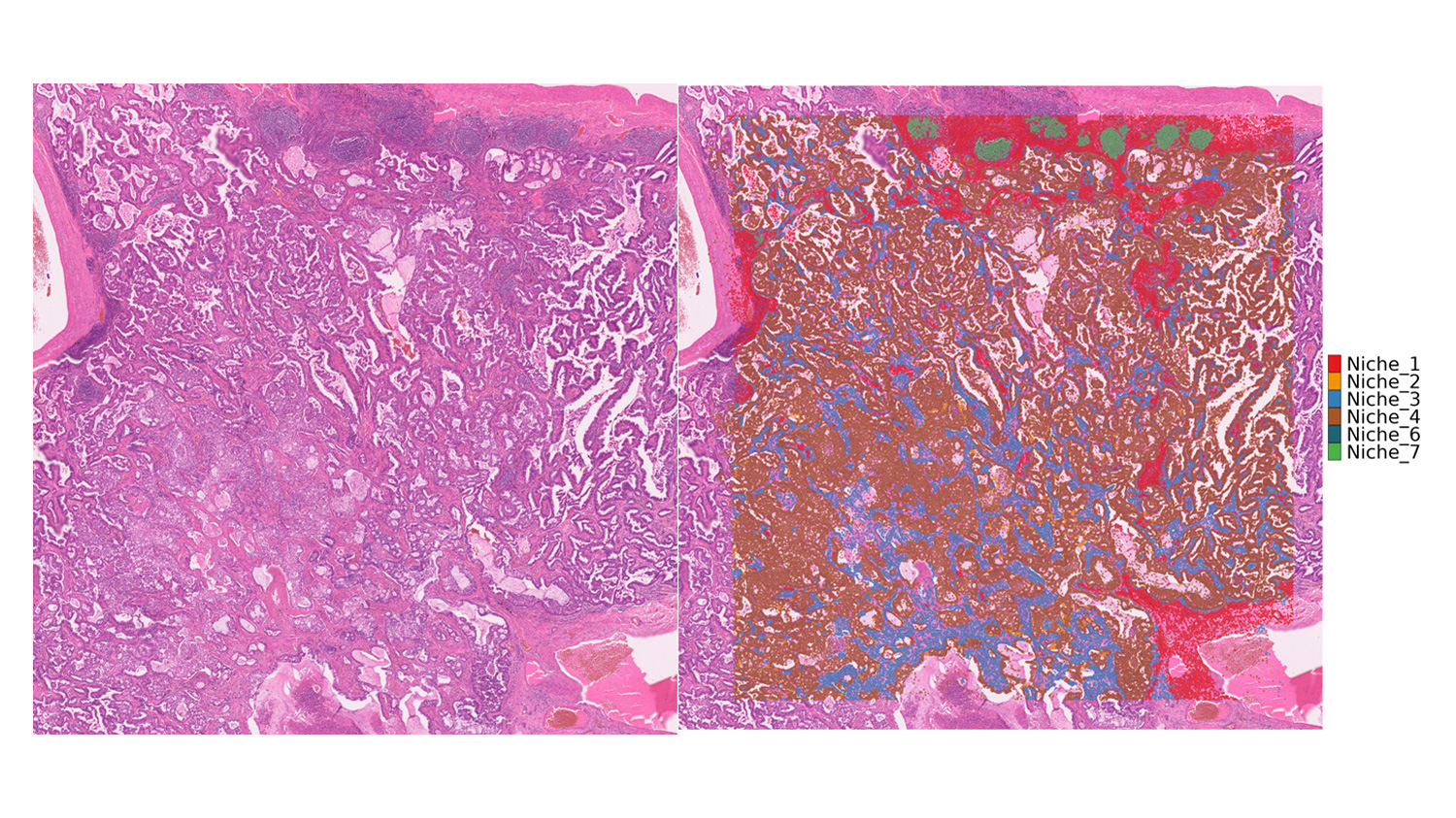
    Sequencing generates FASTQ files, which represent the minimum Visium HD data deliverable. When downstream processing is included, our in-house team runs Space Ranger to map the reads and generate spatial gene-expression matrices, image registration and QC outputs. Further analysis can include spatial clustering, tissue-domain identification, spatially variable genes, cell-type mapping and publication-ready spatial figures.

Visium HD data & analysis deliverables

Minimum data delivery

  • FASTQ files

Space Ranger + standard data package, when included

  • Space Ranger outputs + FASTQ
  • Processed spatial gene-expression matrices
  • QC report (bin filtering and dataset statistics)
  • CytAssist + high-resolution microscopy images
  • .cloupe file for visualization in Loupe Browser

Downstream spatial analysis, according to study scope

  • Spatial clustering + tissue-domain identification
  • Spatially variable gene detection
  • Cell-type mapping from reference single-cell data
  • Publication-ready spatial maps + figures
Explore Visium HD data analysis

VISIUM HD AT A GLANCE

Visium HD spatial transcriptomics specifications

Readout
Sequencing-based whole-transcriptome spatial gene expression across intact tissue, without requiring a predefined targeted gene panel.
Assays
Visium HD Whole-Transcriptome Panel (probe-based): ~18,000 protein-coding genes — FFPE, fresh-frozen, and fixed-frozen, human, mouse or rat. Visium HD 3′ Gene Expression (poly(A) capture): probe-free whole-transcriptome — fresh-frozen, any species; opens up additional discovery applications, including feasibility for isoform, TCR/BCR and SNV detection.
Resolution
Continuous 2 µm barcoded capture grid, with spatial expression analyzed through configurable bin sizes and computational cell-level representations where appropriate.
Capture area
Probe-based Visium HD: 6.5 × 6.5 mm or 11 × 11 mm. Visium HD 3′: 6.5 × 6.5 mm. Two capture areas per slide.
Workflow
Visium CytAssist–enabled; H&E or IF imaging alongside the expression readout (3′ Gene Expression is H&E only).
Sample QC
Pathology review and RNA-quality assessment according to sample type and assay chemistry.
Certification
10x Genomics Certified Service Provider.
Not sure which 10x platform fits your study? Compare Xenium, Visium HD and Chromium X Compare Xenium, Visium HD and Chromium X

VISIUM HD CASE STUDIES

Visium HD studies and data examples
FFPE Transcriptomics: Visium HD vs. Xenium vs. Chromium — Choosing and Running 10x Genomics Platforms for Tumour Spatial and Single-Cell Analysis

Formalin-fixed, paraffin-embedded (FFPE) tissues remain the backbone of oncology biobanking, with vast archives of clinically annotated samples. With 10x Genomics’ probe-based workflows —Chromium F…

10x Genomics for FFPE Tumor Analysis Visium vs Chromium vs Xenium
explicyte multiomics transcriptomics CRO team

Paul Marteau, PharmD (study director), Imane Nafia, PhD (CSO), Loïc Cerf, MSc (COO), Alban Bessede, PhD (founder, CEO), Jean-Philippe Guégan, PhD (CTO)

Contact our team

Discuss a Visium HD project

Tell us your biological question, tissue type, cohort size and preferred Visium HD chemistry if known. We'll help define sample requirements, capture format, sequencing strategy, data-delivery level and analysis plan.

VISIUM HD FAQ

Answers about Visium HD spatial transcriptomics

What is Visium HD and when should I use it?

Visium HD is 10x Genomics’ sequencing-based platform for whole-transcriptome spatial gene-expression profiling on a continuous 2 µm capture grid. It is particularly well-suited to discovery-driven studies where the relevant genes or pathways are not yet fully defined and broad transcriptomic coverage is more important than direct single-cell or subcellular transcript localization.

When cell-resolved localization of a defined gene set is the primary objective, Xenium may be more appropriate.

For a broader comparison, see our guide to Visium HD vs. Xenium vs. Chromium X.

Visium HD and Xenium address different spatial-biology questions. Visium HD is sequencing-based and provides broad whole-transcriptome spatial profiling, making it particularly suited to discovery studies. Xenium is imaging-based and profiles a defined gene panel with direct cell-level and subcellular transcript localization.

Platform choice therefore depends on whether the priority is transcriptome-wide discovery, targeted cellular localization, tissue area, cohort size or a combination of these objectives. In some studies, the two technologies can be used complementarily.

See the full comparison.

Both support whole-transcriptome spatial discovery, but they use different approaches. Visium HD is sequencing-based, capturing expression on a continuous 2 µm barcoded grid with computational cell segmentation. Atera performs whole-transcriptome profiling in situ with single-cell sensitivity and is designed for substantially higher tissue throughput. Visium HD also offers a probe-free 3′ workflow for fresh-frozen samples, enabling species-agnostic studies and additional applications such as isoform and TCR/BCR analysis.

The choice depends primarily on sample type and study objectives.

The probe-based Visium HD WT Panel is designed for FFPE, fresh-frozen and fixed-frozen human, mouse and rat tissue and provides broad protein-coding gene coverage.

Visium HD 3′ Gene Expression uses poly(A) capture on fresh-frozen tissue and is species agnostic, making it attractive for de novo discovery and applications that benefit from probe-free transcript capture.

We select the appropriate chemistry during study design based on the available material and biological objectives.

Sample compatibility depends on the selected chemistry.

The Visium HD WT Panel can be used with FFPE, fresh-frozen and fixed-frozen human, mouse and rat tissue, while Visium HD 3′ is designed for fresh-frozen material and is species agnostic.

We can work with biopsies, surgical specimens and other compatible tissue sections and can also support sourcing of normal or tumor FFPE cohorts when required.

Visium HD uses a continuous grid of 2 µm barcoded capture squares. The capture grid itself should not be interpreted as direct single-cell measurement. When Space Ranger processing is included, expression can be analyzed using standard binned outputs and computational cell-level representations according to the study design.

We support Visium HD studies ranging from pilot experiments to larger translational cohorts. Multiple sections can be incorporated into a study design where tissue dimensions and capture-area constraints allow. Cohort layout, sequencing requirements, timeline and cost are defined during study setup.

Sample qualification is defined according to tissue type and assay chemistry and typically combines pathology review with RNA-quality assessment. This helps identify unsuitable material before committing samples to the Visium HD workflow and allows sequencing requirements and downstream analysis to be planned appropriately.

The minimum data deliverable is the FASTQ files generated after sequencing. When Space Ranger processing is included, our in-house team can map the reads and provide the standard Visium HD data package, including Space Ranger outputs, processed spatial gene-expression matrices, QC reporting, CytAssist and high-resolution microscopy images, and a .cloupe file for visualization in Loupe Browser.

Depending on study scope, downstream analysis can extend to spatial clustering and tissue-domain identification, spatially variable gene detection, cell-type mapping from reference single-cell data, and publication-ready spatial maps and figures. Additional custom analyses can be added according to the biological objectives.

Yes. Explicyte is a 10x Genomics Certified Service Provider for Visium HD, Xenium and Chromium X. Separately, our ISO 13485:2016 and ISO 9001:2015-certified QMS covers defined tissue-biomarker development and testing activities. Visium HD transcriptomics itself is not within the ISO-certified scope.

Explicyte Oncology CRO logo

Capabilities

Modalities