
Preclinical immuno-oncology CRO services, from discovery to translational studies
Explicyte assesses the efficacy, safety-related liabilities and mechanisms of action of novel IO modalities — small molecules, multispecific engagers, ADCs, cell therapies and cancer vaccines — across solid tumors and hematologic malignancies.
Our preclinical studies combine tumor models with primary human immune cells and patient-derived systems, with access to deeper molecular profiling when required.
Programs supported by Explicyte that progressed to the clinic



Specialty Immuno-Oncology Services
IO expertise. Service. IND focus.
Imane Nafia, PhD, Chief Scientific Officer, on the three things sponsors look for in a preclinical immuno-oncology partner — scientific value, dedicated service, and clinical focus.
Discuss your projectCORE PRECLINICAL CAPABILITIES
Functional efficacy, immune biology & human-relevant models
Build the functional and translational evidence needed to characterize therapeutic activity, mechanism and early immune-safety liabilities using complementary human cell-based and patient-derived systems.

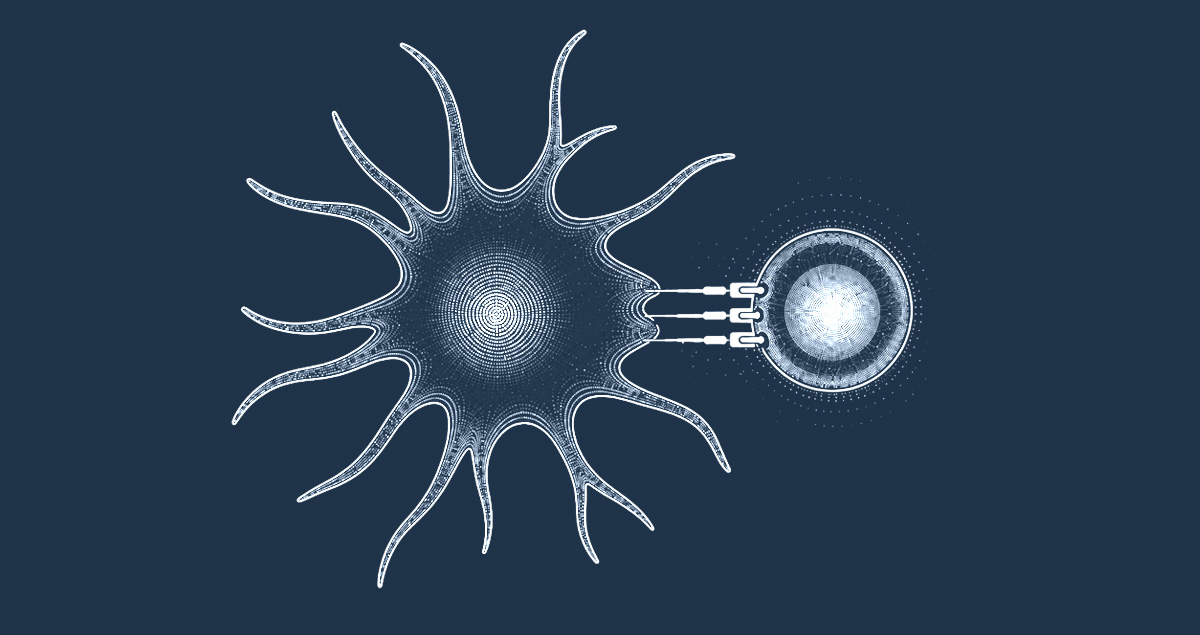
Immune-tumor co-cultures
Tumor killing assays
100 tumor cell lines available for co-culture with primary PBMCs or purified effector cells, including T cells and NK cells, to characterize compound-induced tumor cell killing.
Benchmark with relevant reference molecules, including chemotherapies, mAbs, T-cell engagers, ADCs, and peptides, depending on the project.
Primary human immune cells
Immune modulation assays
Activation, proliferation, suppression and effector function assays across PBMCs, T cells, NK cells, macrophages, dendritic cells and Tregs from primary human donors.
Primary human cells from characterized donor samples, freshly isolated and differentiated in-house

CRS risk assessment
Cytokine release assays
Multiplex cytokine release assays using relevant CRS-associated references, including TGN1412, OKT3, blinatumomab, and others. Designed for early assessment of cytokine release and immune activation liabilities
A kinetic approach to capture the temporal magnitude and dynamics of cytokine release responses
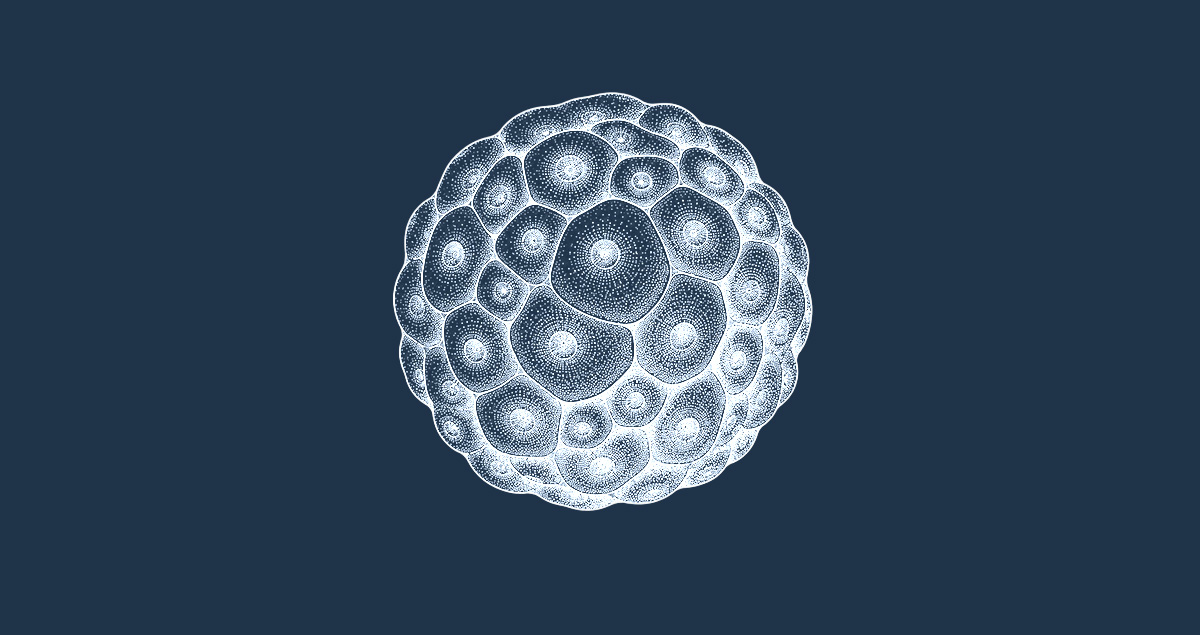
TUMOR ORGANOIDS & Fragments
Patient-derived 3D models
Patient-derived tumor organoids (PDOs) and tumor fragments (PDTFs) provide human-relevant 3D models that capture aspects of tumor heterogeneity and (where preserved in early/low passage models) the native immune component.
Low passage models, with native immune populations preserved
MODALITY-SPECIFIC PRECLINICAL ASSAYS
Assays adapted to the biology of each therapeutic modality
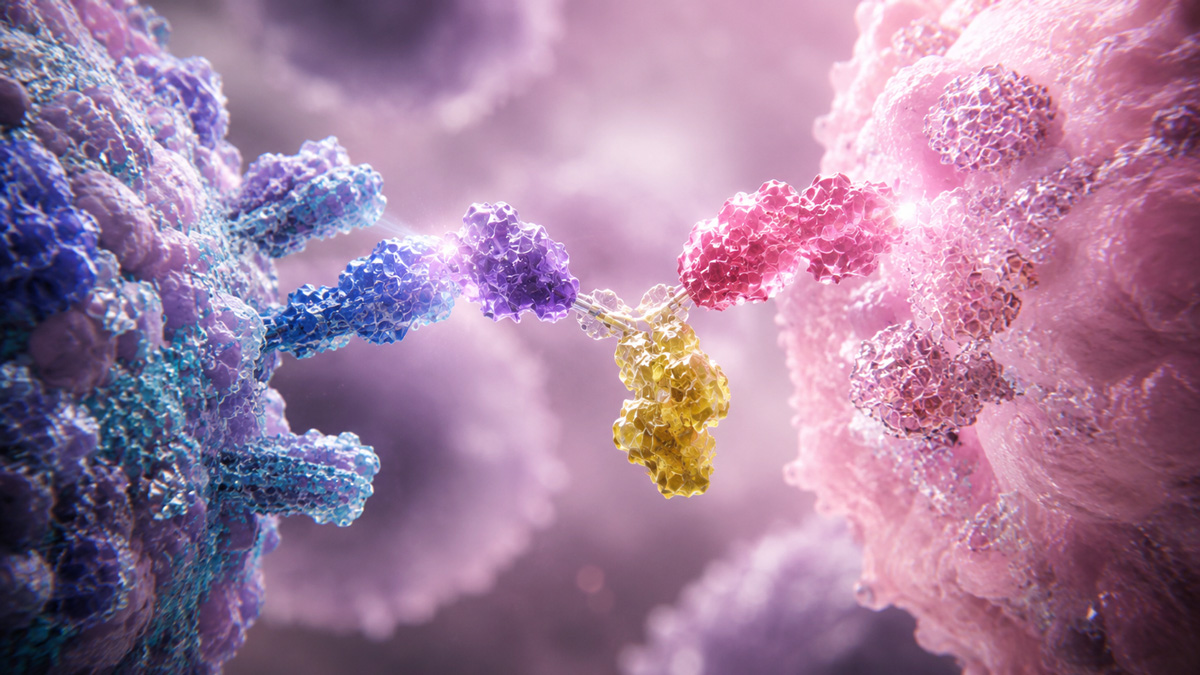
Multispecifics & Engagers
From target expression and bispecific binding characterization to T- and NK-cell-mediated tumor killing, immune cell activation and cytokine release profiling.
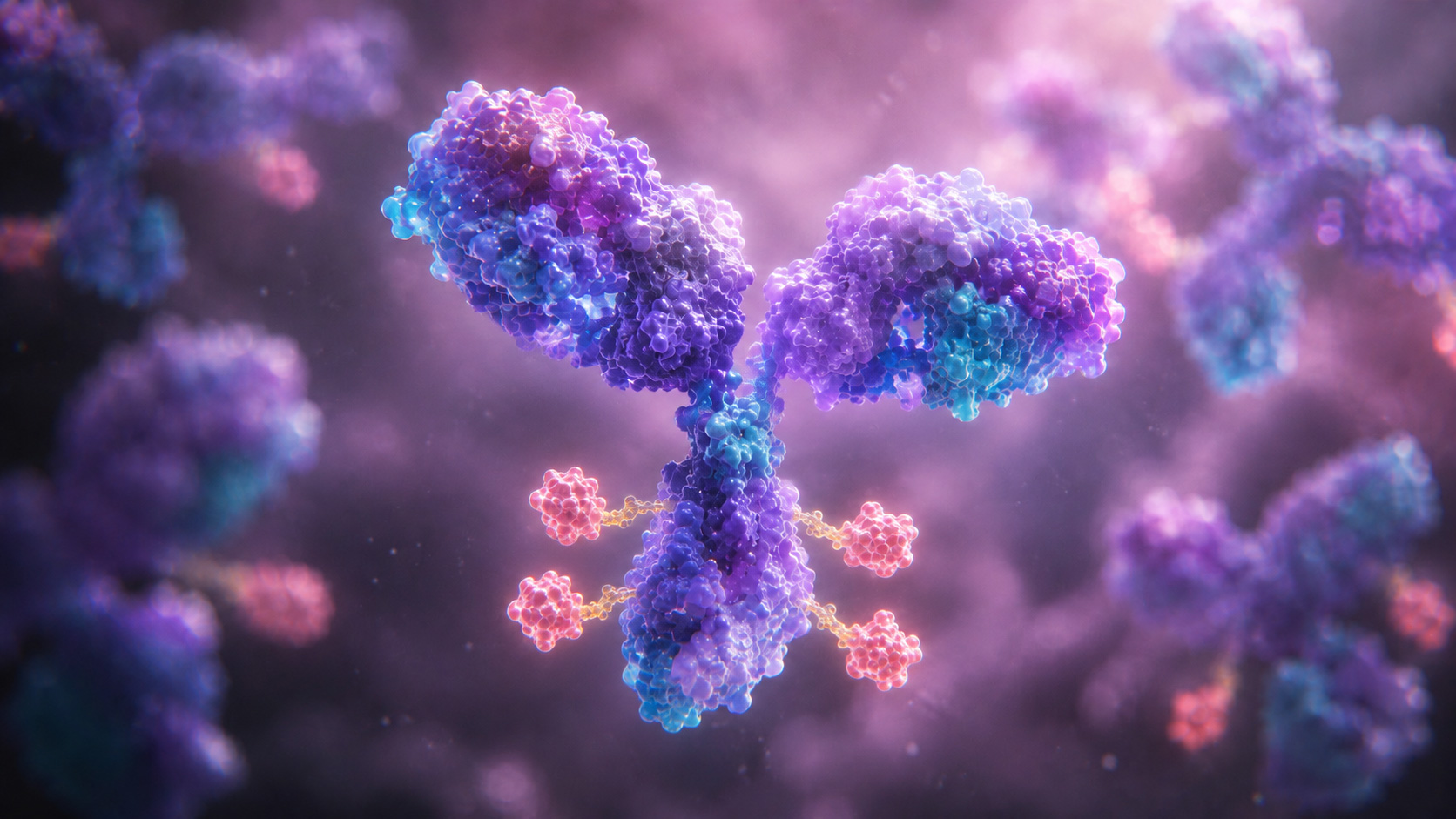
Antibody-Drug Conjugates
From target expression profiling and ADC binding to internalization, payload-mediated cytotoxicity and target-dependent or off-target effects — a fit-for-purpose preclinical workflow for ADC candidate characterization.
Cancer Vaccines
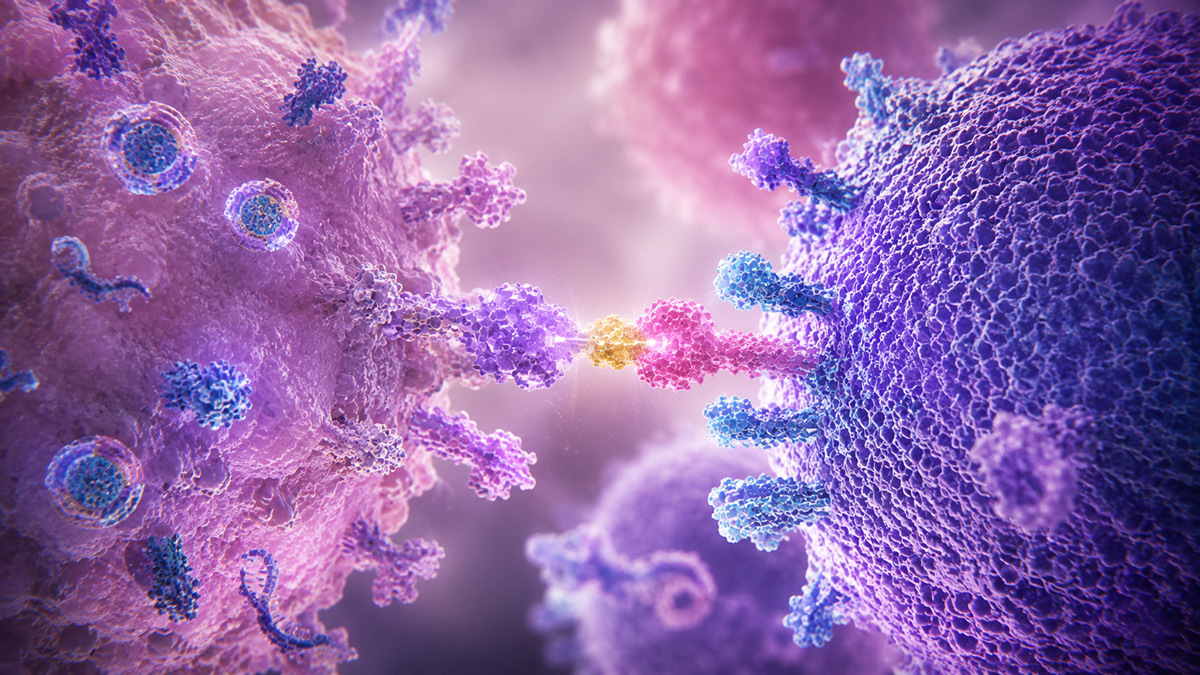
From antigen expression and HLA presentation to antigen-specific adaptive T cell responses, memory and exhaustion profiling — designed to characterize how the immune system recognizes and responds to tumors.
BUILT FOR IMMUNO-ONCOLOGY
How Explicyte delivers value in preclinical IO programs
Sponsor stories
Preclinical immuno-oncology programs supported by Explicyte





Paul Marteau, PharmD (study director), Imane Nafia, PhD (CSO), Loïc Cerf, MSc (COO), Alban Bessede, PhD (founder, CEO), Jean-Philippe Guégan, PhD (CTO)
Contact our team
Discuss your preclinical project and request a quote
Within 3 business days, a PhD-level study director will reach out to scope your project, propose a fit-for-purpose experimental approach, and provide pricing.
Frequently asked questions