Atera spatial transcriptomics CRO services — whole transcriptome at single-cell sensitivity

Explicyte is preparing to launch Atera spatial transcriptomics services for FFPE and fresh-frozen tissue, with first studies planned for Q4 2026–Q1 2027.

Our CRO workflow combines study design, pathology-led sample qualification, Atera whole-transcriptome or targeted spatial profiling, and in-house bioinformatics and biological interpretation.

EARLY ATERA STUDIES NOW BEING SCOPED · FIRST RUNS PLANNED Q4 2026–Q1 2027

ATERA CRO SERVICES

Why run Atera with us

10x Genomics spatial transcriptomics experience

Explicyte is a 10x Genomics Certified Service Provider for Xenium, Visium HD and Chromium X, bringing established 10x study-design, tissue-processing and spatial-biology experience to Atera projects.

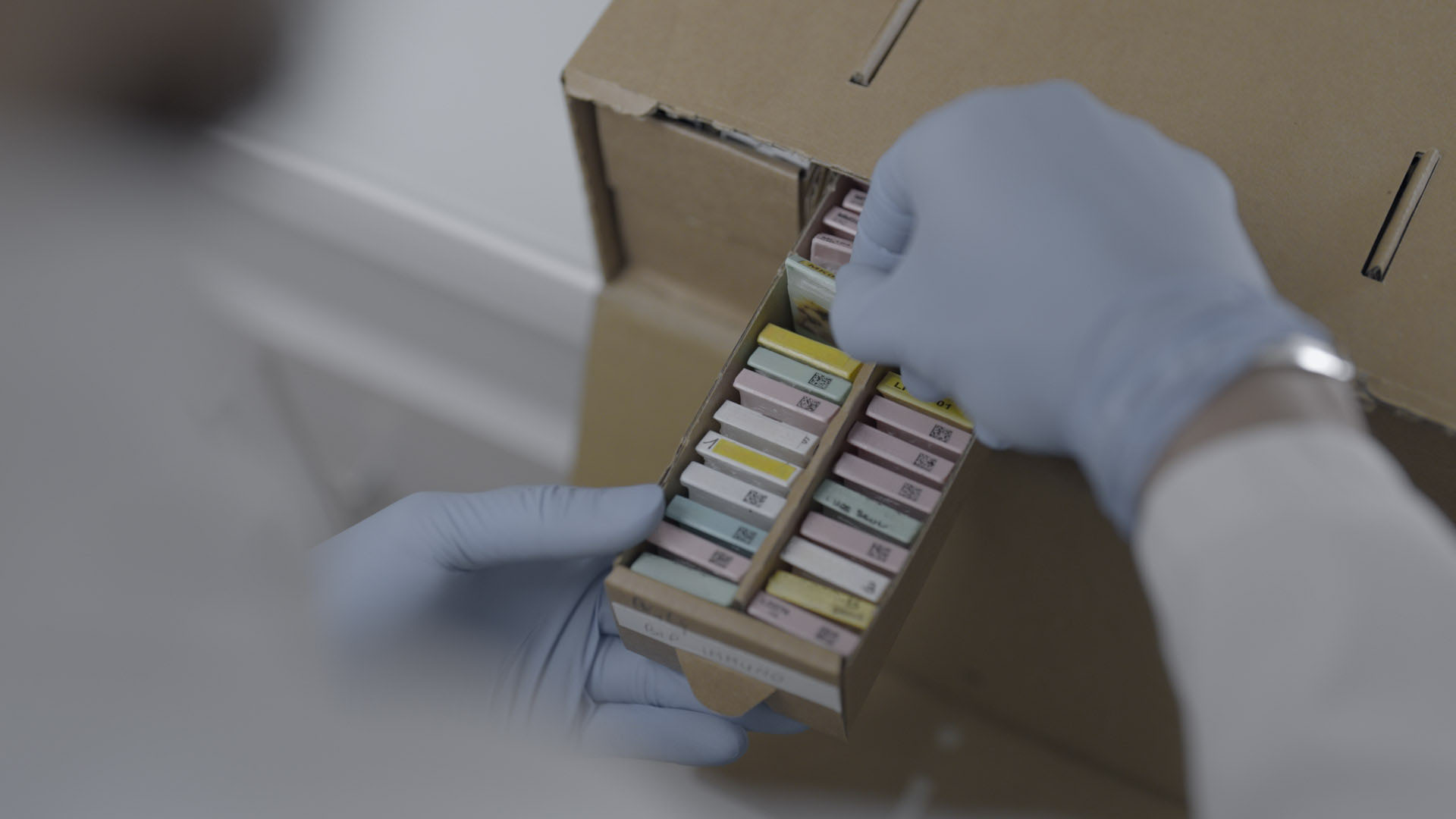
Pathology-led sample qualification

Our pathology team reviews tissue suitability and RNA quality before spatial profiling, helping define inclusion criteria, slide design and sample strategy before committing material to a run.

In-house bioinformatics and spatial data analysis

Spatial datasets are processed and analyzed in house, from QC and cell annotation through spatial-domain, neighborhood, differential-expression and pathway analyses, with interpretation adapted to your study objectives.

From your objectives to an interpreted dataset

How we'll run Atera studies

  1. Atera whole-transcriptome study and sample scoping CRO services
    1

    Objectives, samples, and study design

    A PhD study director reviews your biological objectives, cohort, available material, timeline and budget, then defines sample eligibility, panel strategy, slide configuration, metadata requirements and analysis plan.

  2. Sample preparation and QC for Atera spatial transcriptomics services
    2

    Sample logistics, preparation, and QC

    We provide sample and shipping requirements and perform pathology review and RNA-quality assessment as appropriate to the specimen type. Study-specific acceptance criteria are agreed before samples proceed to spatial profiling.

  3. Whole-transcriptome spatial acquisition on 10x Genomics Atera
    3

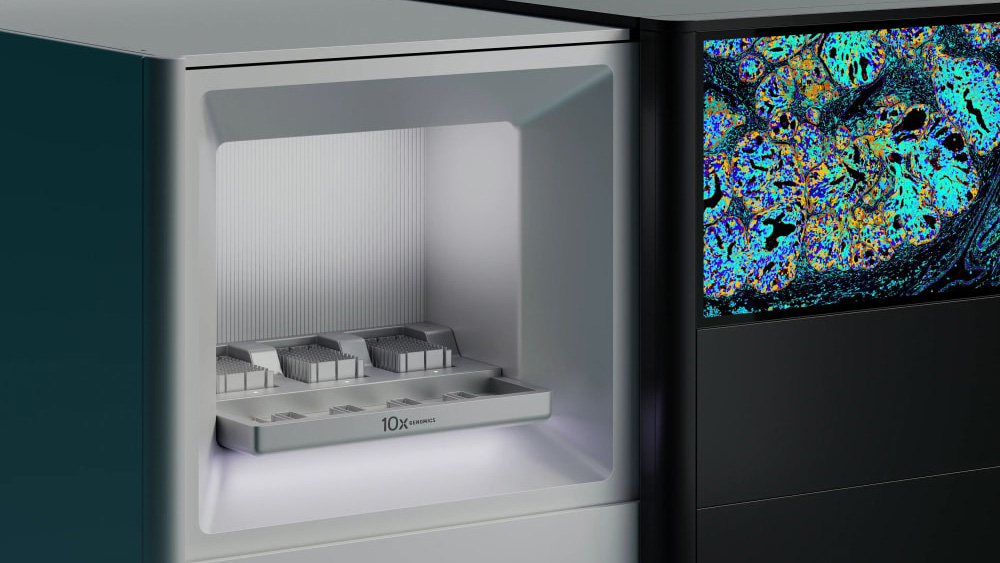
    Atera spatial transcriptomics acquisition

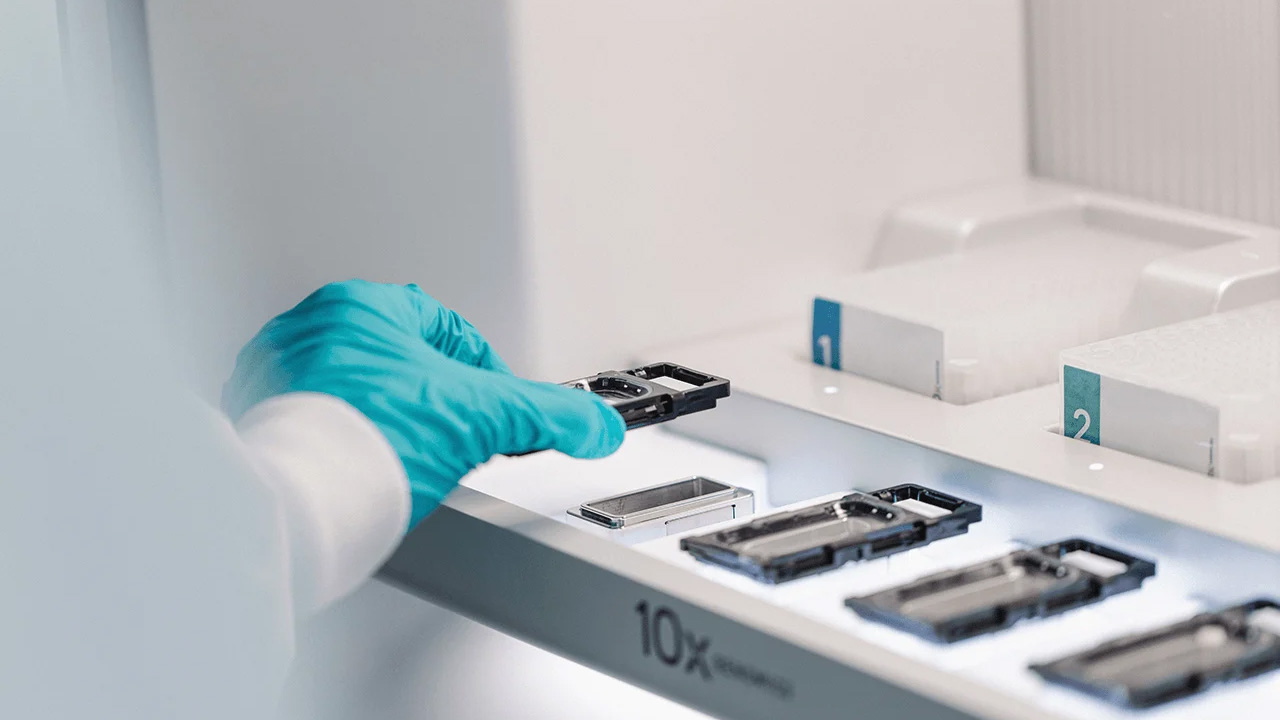
    Samples are processed using the selected Atera WTA or Select panel configuration, with cohort-level run planning and harmonized sample handling. Final slide layout and run configuration are defined according to tissue dimensions, cohort size and study design.

  4. Bioinformatics analysis of Atera whole-transcriptome spatial data
    4

    Data analysis and delivery

    Our in-house bioinformatics team performs data QC, cell annotation and spatial analysis, with downstream analyses such as neighborhood characterization, spatial-domain analysis, differential expression and pathway analysis scoped to your biological endpoints.

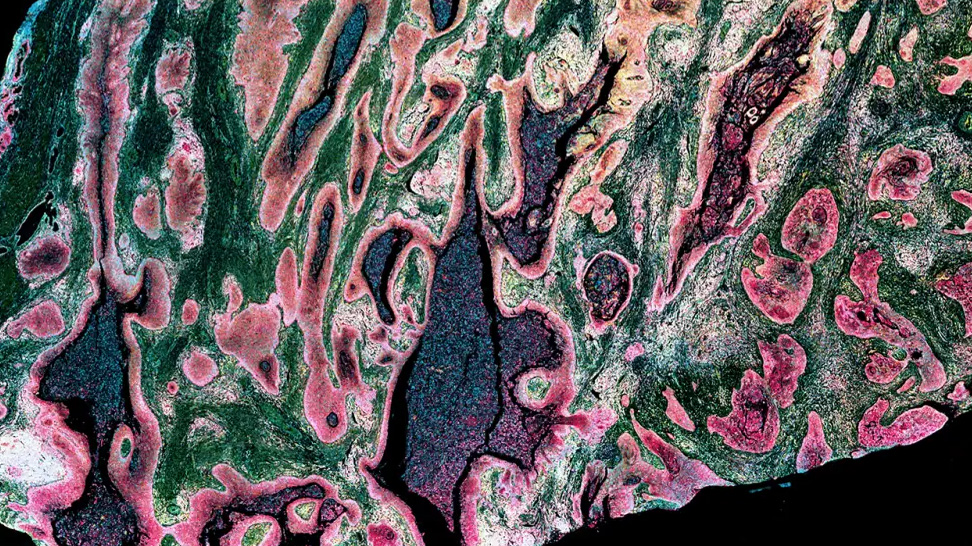
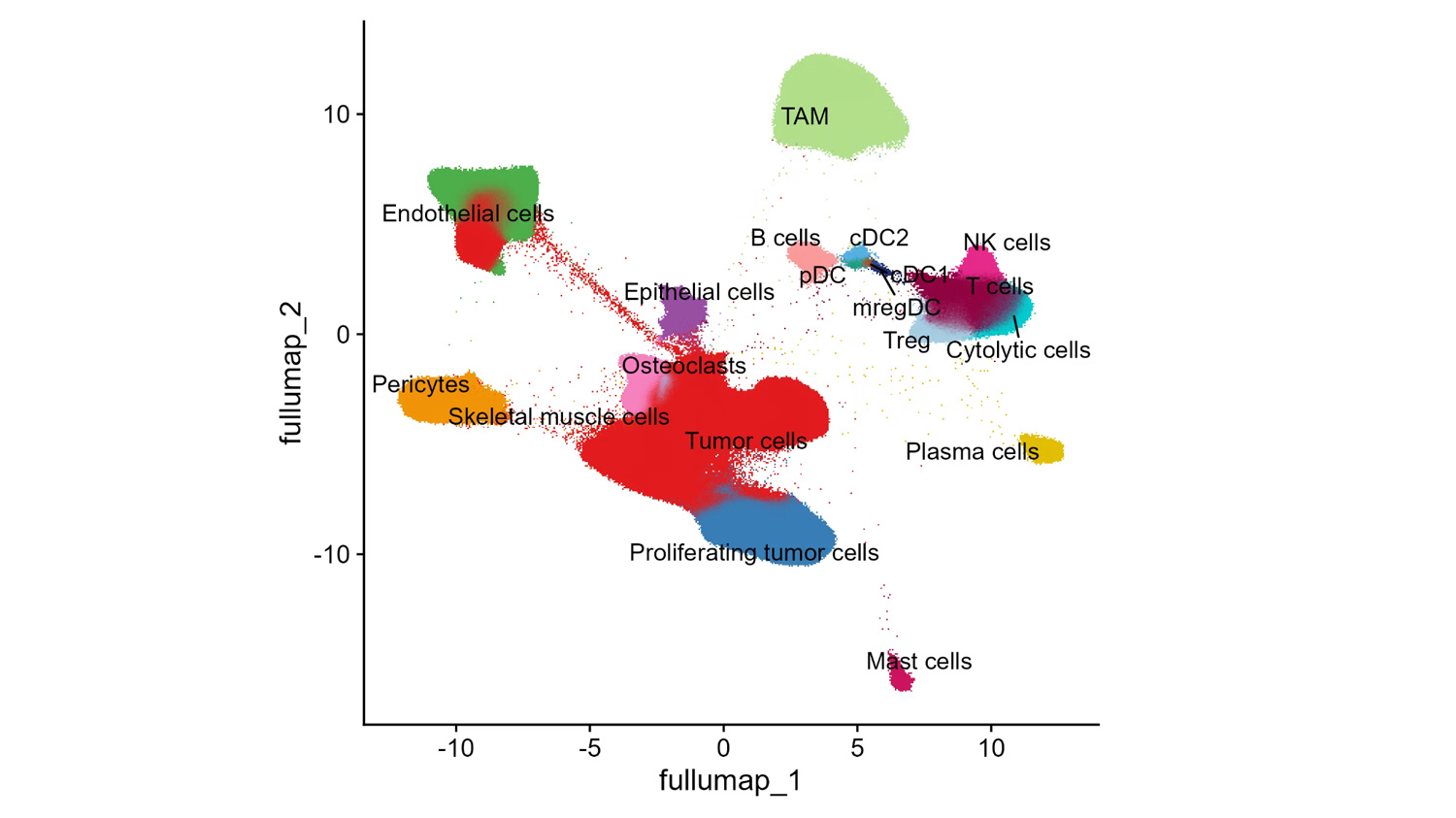
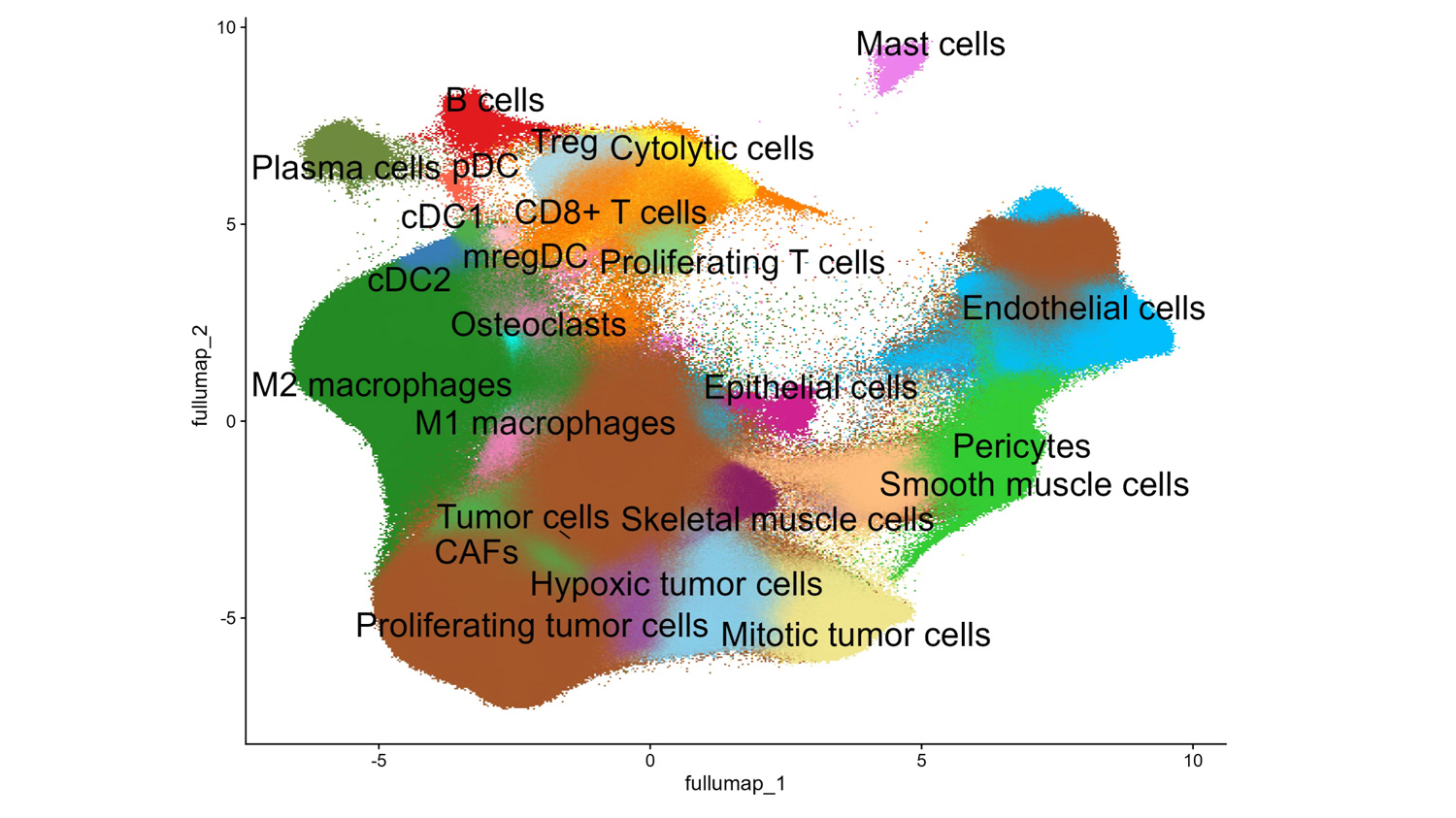
Representative Explicyte spatial-transcriptomics preprocessing workflow
After preprocessing After preprocessing
Before preprocessing Before preprocessing

Example shown from a Xenium dataset to illustrate our in-house spatial data-processing capabilities. Atera analysis will use Atera-specific output formats and platform-appropriate QC metrics.

Atera data analysis and deliverables

  • Cell-feature matrices ready for downstream analysis
  • Transcript coordinates and segmentation boundaries (Zarr)
  • Registered tissue images (OME-TIFF)
  • QC report covering segmentation and per-cohort consistency
  • Cell typing and neighborhood / spatial-domain analysis
  • Differential-expression and pathway readouts scoped to your endpoints
  • An interpreted findings report from a PhD study director
  • Methods documentation suitable for scientific reports, manuscripts or study documentation
Learn more about 10x Genomics dataset analysis

Atera at a glance

Atera spatial transcriptomics specifications

Readout
In situ, whole-transcriptome spatial profiling at single-cell sensitivity
Panels
Atera WTA (>18,000 genes, with up to 1,000 additional custom targets) or Atera Select 1,000-plex panels, stackable to 2,000-plex
Resolution
Subcellular — transcript localization <30 nm (XY), <150 nm (Z); ~0.2 µm/pixel
Sensitivity
Single-cell-assay-equivalent; thousands of transcripts per cell in human FFPE
Imageable area
500 mm² per slide; 1–4 slides per run (up to 2,000 mm² of tissue across four slides)
Sample types
FFPE and fresh-frozen human tissue
Throughput
10x instrument specification: up to 800 1-cm² whole-transcriptome samples/year under defined four-slide run assumptions
Deliverables
AnnData cell-feature matrices, Zarr transcripts and segmentation, OME-TIFF images — plus our interpreted analysis and reporting

Specifications based on 10x Genomics information available as of August 2026.

explicyte multiomics transcriptomics CRO team

Paul Marteau, PharmD (study director), Imane Nafia, PhD (CSO), Loïc Cerf, MSc (COO), Alban Bessede, PhD (founder, CEO), Jean-Philippe Guégan, PhD (CTO)

Contact our team

Discuss your Atera project

Planning an Atera study? Talk to us now — we're scoping projects ahead of the platform arriving at Explicyte.

Answers about Atera spatial transcriptomics services

Frequently asked questions

What is Atera, and when should I use it?

Atera is 10x Genomics’ in situ spatial platform for whole-transcriptome profiling at single-cell sensitivity across large cohorts. Reach for it when you need transcriptome-wide spatial readout at scale. Its large capture area also makes it especially well-suited for processing high numbers of samples efficiently, including targeted-panel studies where broad tissue coverage and sample throughput are key priorities.

We have ordered an Atera and currently expect to begin providing services in Q4 2026–Q1 2027. Scoping conversations are already open for early studies.

Xenium is targeted, imaging-based, single-cell in situ profiling with defined panels. Visium HD is whole-transcriptome, capture-based spatial profiling at near-single-cell resolution. Atera is an imaging-based platform combining in situ profiling with a large capture area, enabling high tissue and sample throughput for both targeted-panel and whole-transcriptome studies. Which platform fits best depends on your desired gene breadth, resolution, tissue coverage, and cohort size; a study director will help you choose. 

Yes. Tell us about your study through the contact form and we’ll scope it and hold your place in the queue for our first Atera runs.

Atera supports both FFPE and fresh-frozen tissue. If your cohort needs sourcing, we can draw on our French biobank network and run the same pathology and RNA-integrity checks we apply to our current spatial work.

Atera outputs cell-feature matrices (AnnData), transcript coordinates with segmentation boundaries (Zarr), and registered tissue images (OME-TIFF). On top of those, our team delivers QC, cell typing, spatial analysis, and an interpreted report scaled to your study.

Yes. The study-design, sample-QC, and analysis discipline behind our Xenium and Visium HD cohorts is platform-agnostic and carries directly to Atera. We’ll confirm Atera’s specific sample-prep requirements against 10x’s protocols as we bring the platform in-house.

Not yet. Explicyte is a 10x Genomics Certified Service Provider for Xenium, Visium HD and Chromium X. Atera is newly launched and 10x has not opened a provider-certification program for it. We’ll pursue Atera certification as soon as 10x makes one available.

Explicyte Oncology CRO logo

Capabilities

Modalities