
Tumor Organoids & Fragments
Patient-Derived 3D Tumor Models: Immune-Native Organoids and Tumor Fragments
Explicyte establishes short-term 3D tumor models directly from fresh patient tumor tissue, retaining endogenous immune populations for functional immunotherapy testing.
By capturing patient-specific tumor and immune features, these models provide a human-relevant in vitro platform to investigate treatment response, reduce reliance on animal models and strengthen translational evidence before clinical studies.
TUMOR ORGANOIDS AND FRAGMENTS
Why immune-native 3D tumor models ?
Patient-derived 3D tumor models are in vitro cultures grown directly from a patient's tumor — as organoids or intact tumor fragments — that preserve both the tumor cells and their native immune populations for functional immunotherapy testing.
Custom 3D models
Through our biobank network, we source fresh tumor tissue from biopsies or surgical resections and establish short-term patient-derived 3D models tailored to the program - early-passage organoids or intact tumor fragments.
Translational relevance
Both formats preserve patient-specific tumor features and heterogeneity. Early organoids retain the native immune fraction short-term; intact fragments additionally preserve tissue architecture and TME spatial organization.
Mechanistic readouts
Beyond supernatant analysis and kinetic functional readouts, we bring spatial biology — digital pathology and single-cell spatial transcriptomics — to resolve where and how an agent acts, down to mechanism of action.
Early tumor organoids
Immune-native tumor organoids (PDTOs)
Short-term patient-derived tumor organoids established directly from fresh tumor tissue with no or minimal passage, retaining a fraction of endogenous immune populations during the experimental window.
At a glance
Core features of early PDTOs
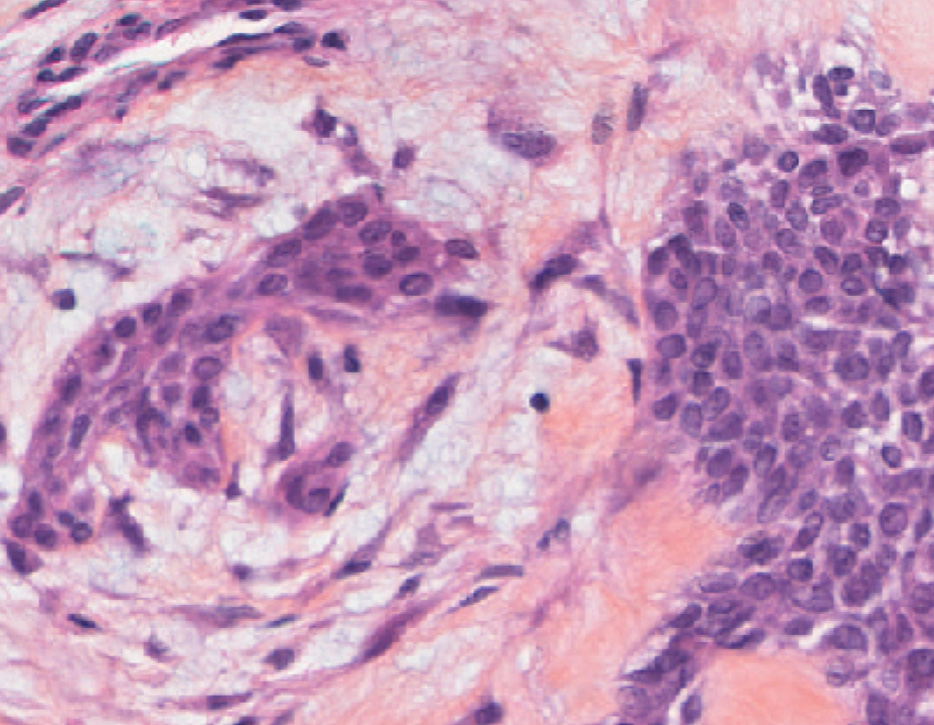 Organoid — 1 week
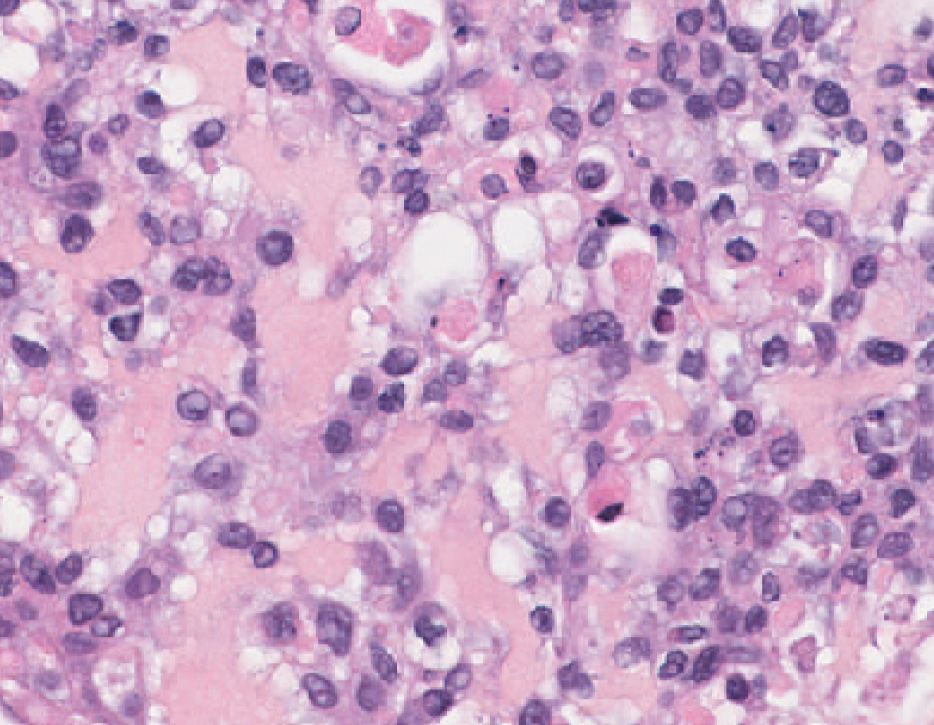 TNBC patient tumor
Preserved immune fraction, IL2-sustained CD8 persistence
Early immune-native TNBC organoids retain a fraction of T cells relative to the parent tumor. Under IL2, the CD8 compartment persists through day 7, where the untreated condition declines — native immune dynamics that respond to culture conditions rather than a static endpoint.
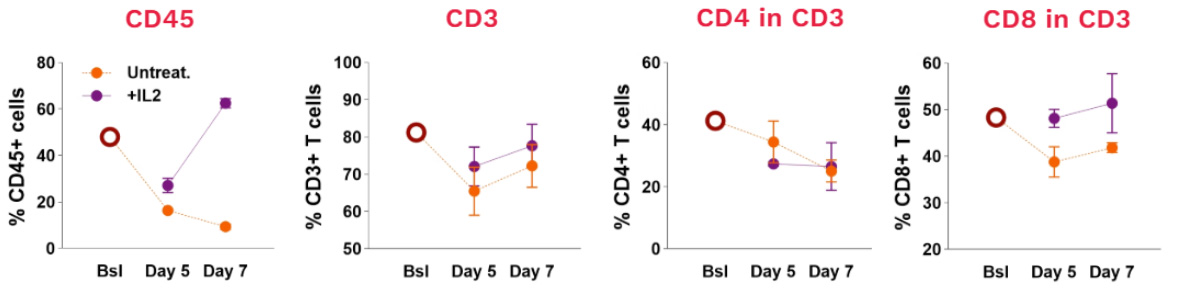
Early immune-native TNBC PDOs are immunotherapy-responsive
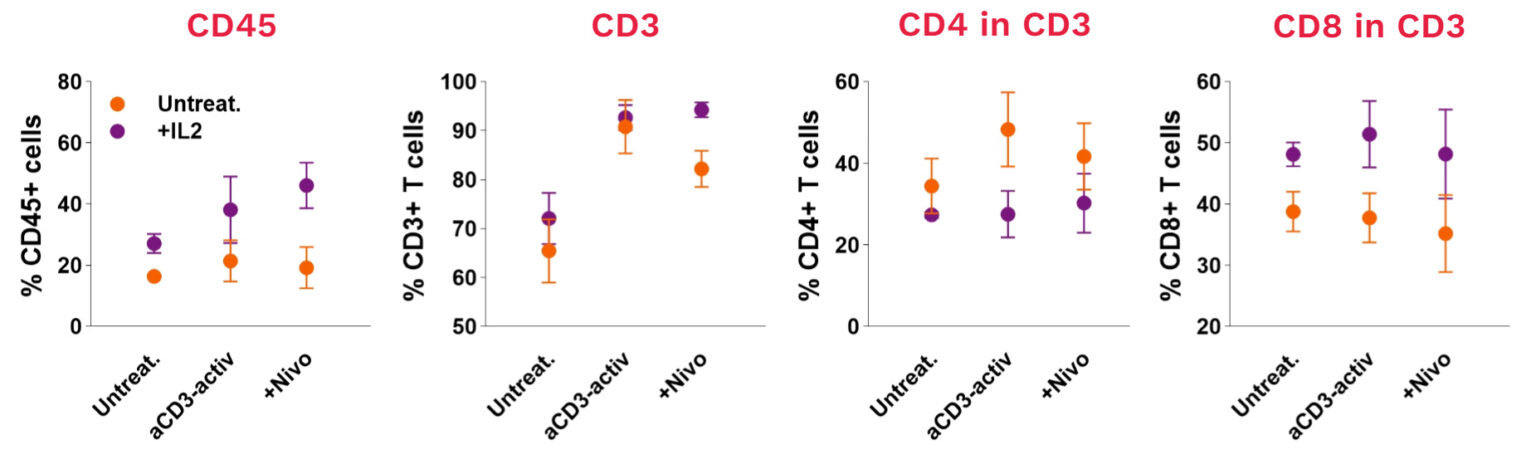
Early immune-native TNBC PDOs show treatment-induced immune modulation. CD3 stimulation and nivolumab modulate the CD45, CD3, CD4 and CD8 compartments, providing a functional readout of immune engagement in patient-derived 3D cultures.
PDTF MODELS
Patient-Derived Tumor Fragments
A highly patient-proximal 3D model that retains intact tissue architecture and the native immune infiltrate.
At a glance
Core features of PDTFs
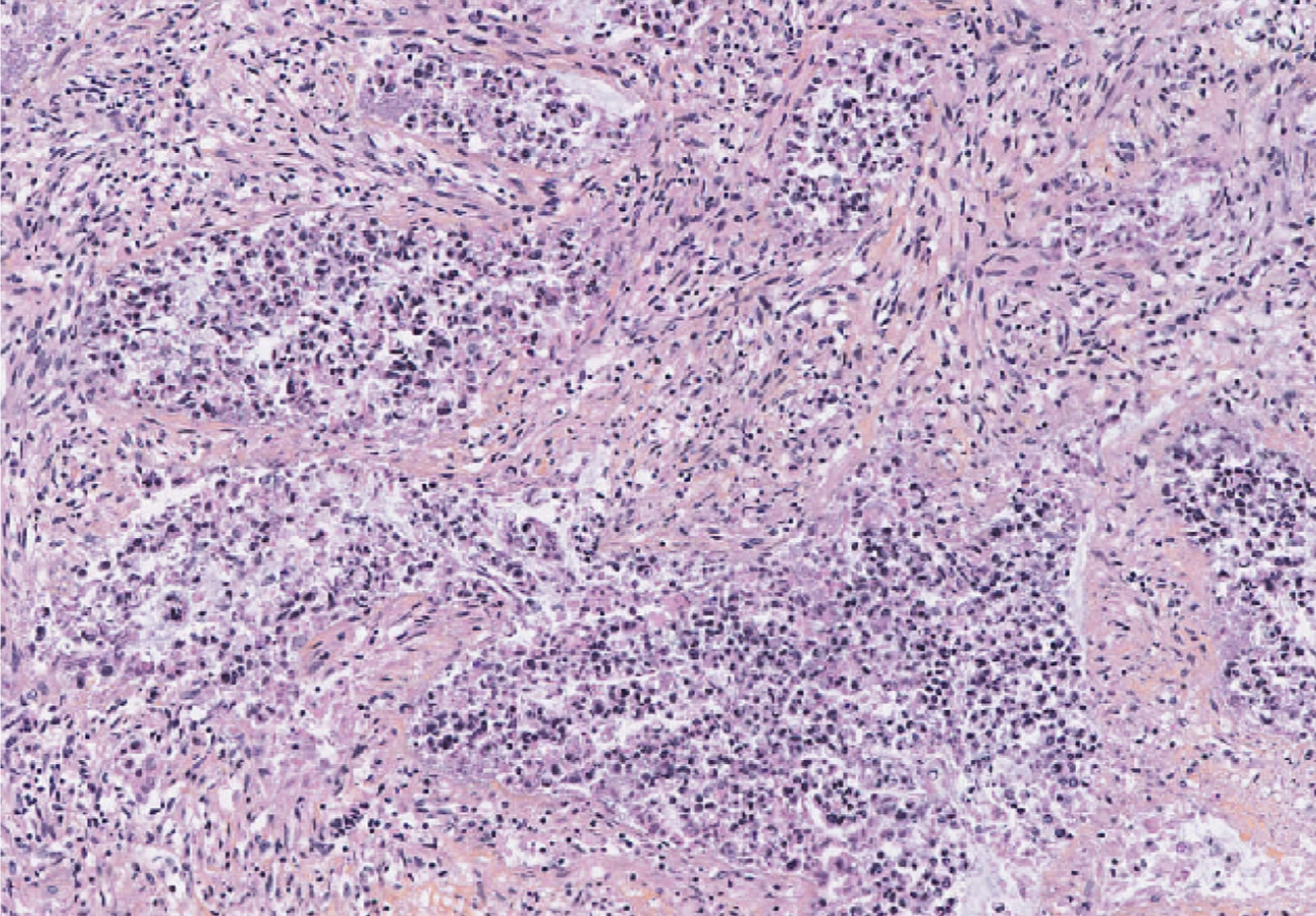
2-day colorectal cancer fragment, treated with anti-CD3
A quantifiable native immune infiltrate
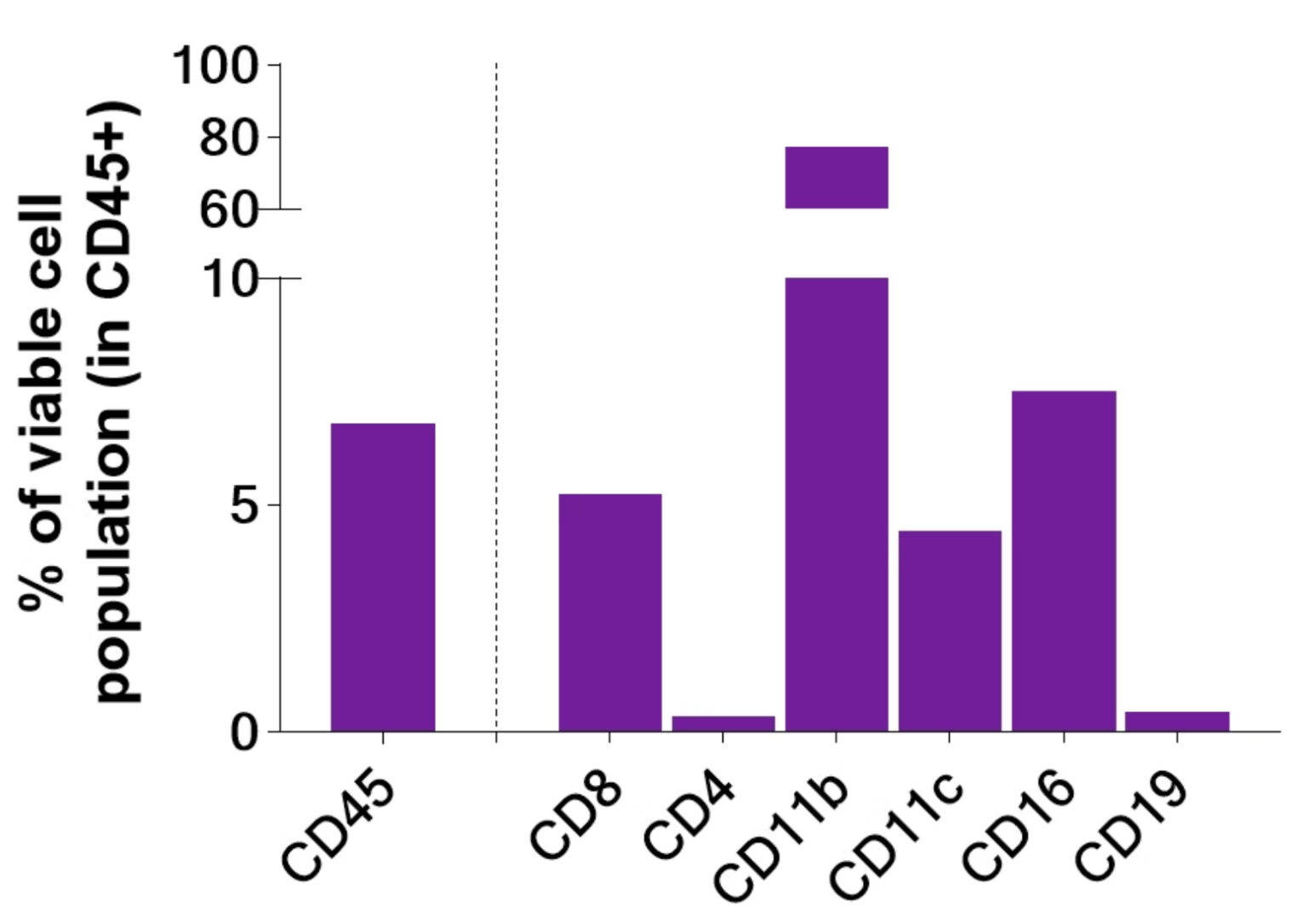
Flow cytometry of a CRC fragment resolves the native immune infiltrate directly from patient tissue — T cells (CD8, CD4), a dominant myeloid compartment (CD11b, CD11c), NK (CD16), and B cells (CD19) — each measurable as a fraction of viable CD45⁺ cells before any treatment.
Immune subsets modulated under immunotherapy
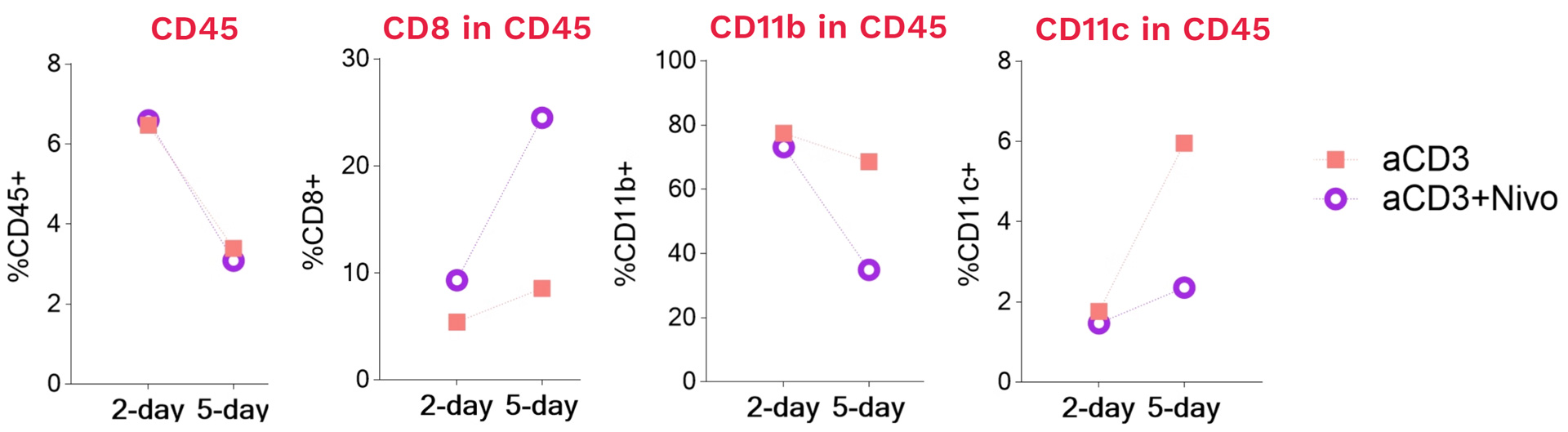
Native immune cells in CRC fragments shift under treatment. Across 2- and 5-day windows, aCD3 and aCD3 + nivolumab modulate the CD45, CD8, CD11b, and CD11c compartments — the native infiltrate responding, not just persisting.
Functional IFN-γ response
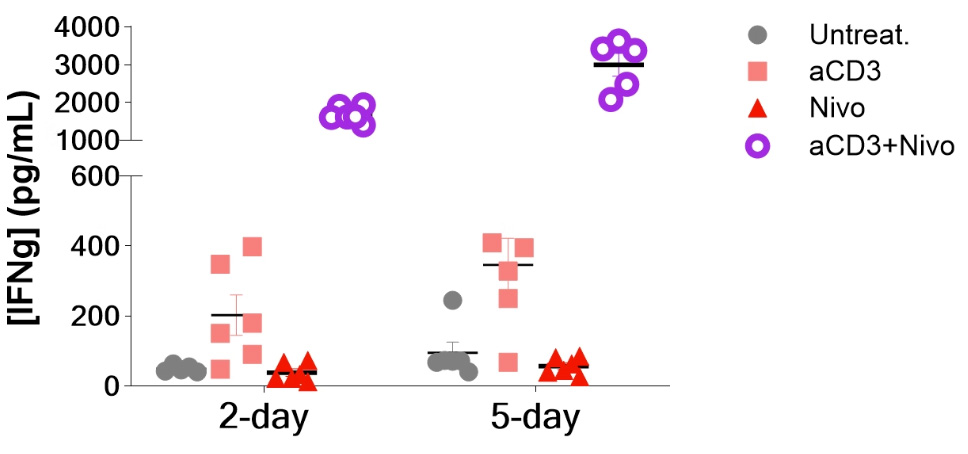
Fragments are functionally responsive to immunotherapy: aCD3 + nivolumab drives a marked IFN-γ release over untreated and single-agent conditions at both 2 and 5 days — a functional secretome readout on intact patient tissue.
Making a difference as a preclinical CRO in oncology
Why work with Explicyte
Proven experience
Built around your program
Beyond functional readouts
Reports you can act on
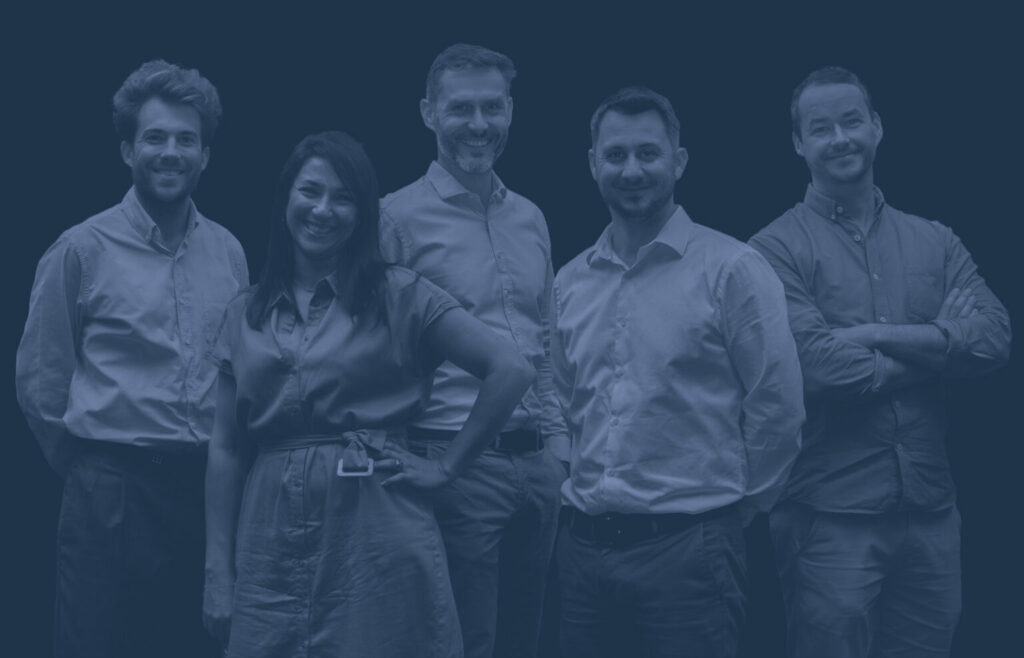
Paul Marteau, PharmD (study director), Imane Nafia, PhD (CSO), Loïc Cerf, MSc (COO), Alban Bessede, PhD (founder, CEO), Jean-Philippe Guégan, PhD (CTO)
Contact our team
Discuss your 3D tumor model study
Tell us about your indication, therapeutic modality and the biological questions you want the model to answer. We can help select the appropriate patient-derived model, experimental window and readouts.
Patient-derived 3D tumor models: common questions