ffpe-based oncology target discovery

Generating data you can trust from FFPE tissues

Explicyte helps biotech and pharma teams discover and prioritize oncology targets in FFPE tissues — the standard archival format for solid tumors.

We build discovery campaigns around your objectives: assembling clinically annotated cohorts, designing experiments for speed and cost-efficiency, and applying data-science workflows to nominate and rank your candidates.

Recent FFPE-based papers

Molecular Cancer Research journal logoCancer Cell journal logoClinical cancer research journal logoScience Advances logoCancer Cell journal logoSignal transduction and targeted therapy journal logoNature cancer journal logoCell Reports Medicine journal logoMolecular Cancer Research journal logoMolecular Cancer Research journal logo

Dedicated expertise in immuno-oncology targets & biomarkers

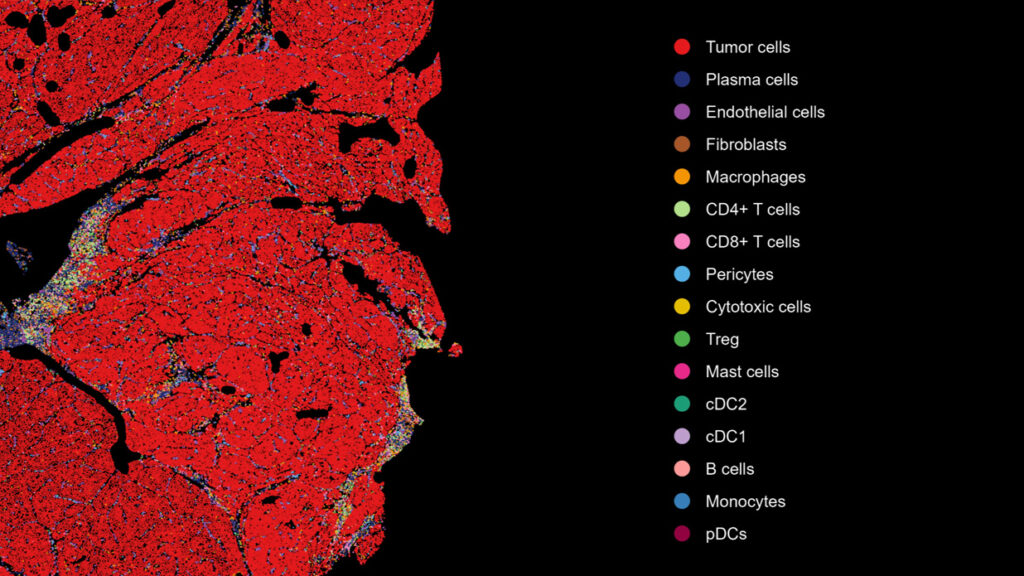
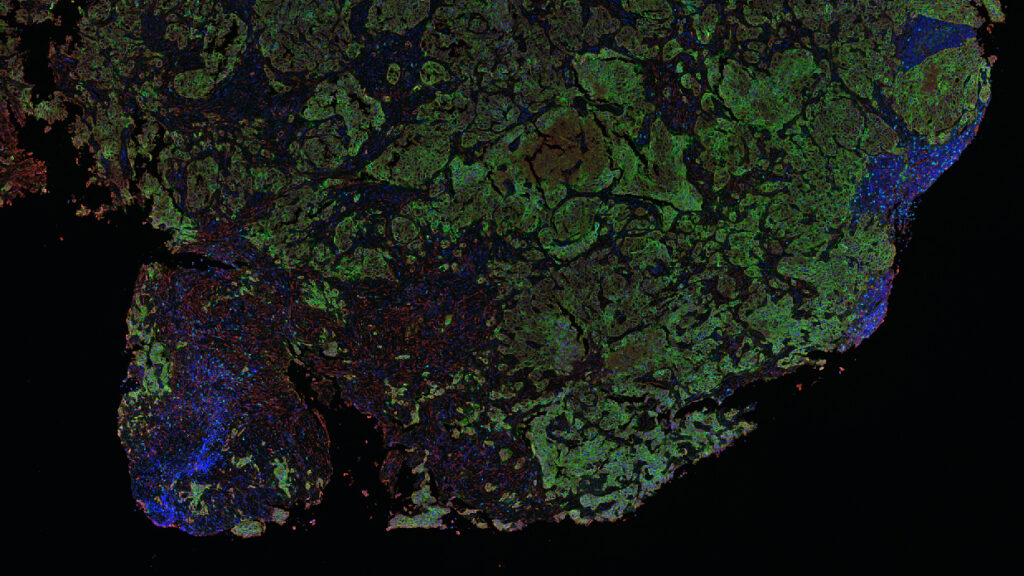
Unlocking insights from the tumor microenvironment

Video description to fill

MultiOmics services
The Explicyte team at their Bordeaux laboratory

contact our team

Discuss your discovery project and request a quote

Whether you start from FFPE blocks, a short list of candidate targets, or a specific indication, we can help design the right discovery study and define the next validation steps.

Answers about precision oncology discovery services

Frequently asked questions

What makes Explicyte different for oncology target discovery?

Explicyte combines four capabilities that most CROs handle separately: deep FFPE workflow expertise (the dominant archival format in oncology), 10x Genomics Certified Service Provider status across Xenium, Visium HD, and Chromium platforms, ISO 9001 / ISO 13485-certified histology assay services, and in-house data science to integrate it all. We source clinically annotated FFPE specimens through partnerships with accredited French biobanks, and we operate inside the Institut Bergonié Comprehensive Cancer Center — embedded alongside oncologists, pathologists, and early-phase trial teams. This is reflected in 30+ peer-reviewed publications using FFPE-based oncology discovery workflows.

Oncology target discovery is the process of identifying and prioritizing therapeutic targets and biomarkers using evidence from human tumor biology, then confirming the most promising candidates through fit-for-purpose validation to support confident go/no-go decisions.

FFPE is a core strength because it provides access to clinically annotated, real-world cohorts and supports both transcriptomic profiling and tissue-based validation. However, we can also source and analyze fresh tissues and peripheral samples when the project requires it.

If you already have a target candidate and need to assess prevalence, localization, heterogeneity, or normal tissue distribution, the best starting point is usually target expression profiling.

If your goal is to nominate and prioritize targets or biomarkers from patient tissues, a good starting point is FFPE transcriptomic profiling, especially when comparing tumor subtypes, clinical strata, or responder groups.

Yes. If access to clinically relevant cohorts and metadata is the main bottleneck, we can start with custom biospecimen sourcing so the study design and sample specifications are defined before data generation begins.

It depends on the decision to be made. Whole-transcriptome approaches are best for unbiased discovery and broader biological exploration, while focused panels are more efficient for hypothesis-driven questions, faster iteration, and tighter cost control. We recommend a fit-for-purpose strategy during project scoping.

When available, we integrate clinical and pathological variables to support subgroup analyses, enrichment hypotheses, and decision-oriented statistics, while keeping all data de-identified and handled in line with applicable requirements.

After nomination, we help teams determine the next validation step based on the strength of the biological signal, cohort-level prevalence, expression heterogeneity, and normal tissue distribution. This may involve tissue-level confirmation, orthogonal validation, or progression toward a more focused follow-up study.

A target discovery campaign typically ends with a ranked shortlist of candidates, a summary of the evidence supporting each, key cohort-level figures, and a recommended validation roadmap (which often includes tissue-level expression confirmation).

Yes. We can start from sponsor-provided datasets, public resources, or both, and build a harmonized analysis, prioritization strategy, and validation plan aligned with your program goals.

To scope a study efficiently, we typically need your indication of interest, the type and availability of samples, the main biological or translational question, and any constraints around timeline, budget, or downstream validation.

Explicyte Oncology CRO logo

Capabilities

Modalities