FFPE target discovery
Custom biospecimen sourcing
Target identification & ranking
Target expression profiling
Data generation
AI-ready Spatial Biology Datasets
Across Visium, Xenium, Chromium
Emerging IO Targets: pipeline overview
Functional efficacy and MoA
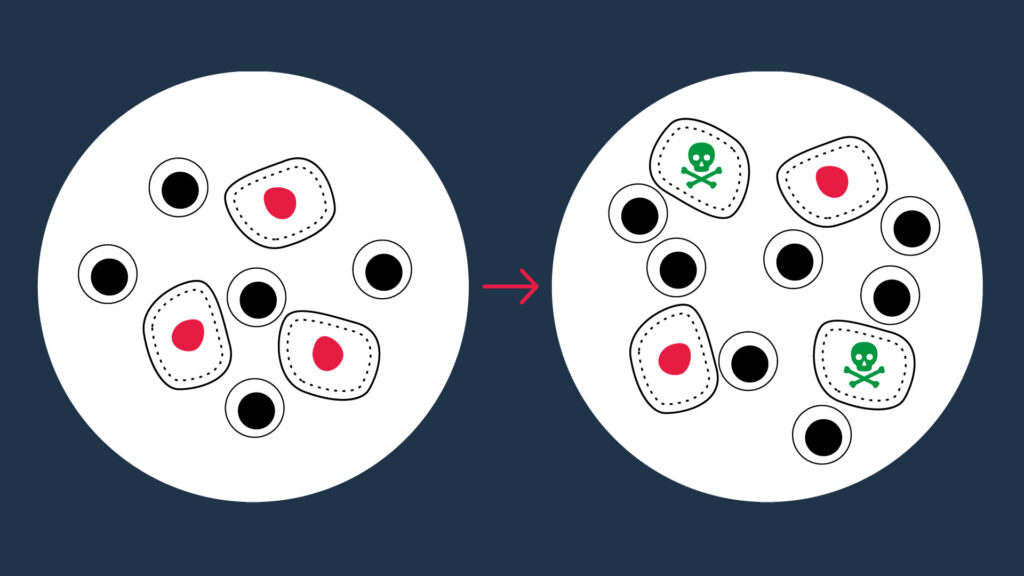
Tumor killing assays
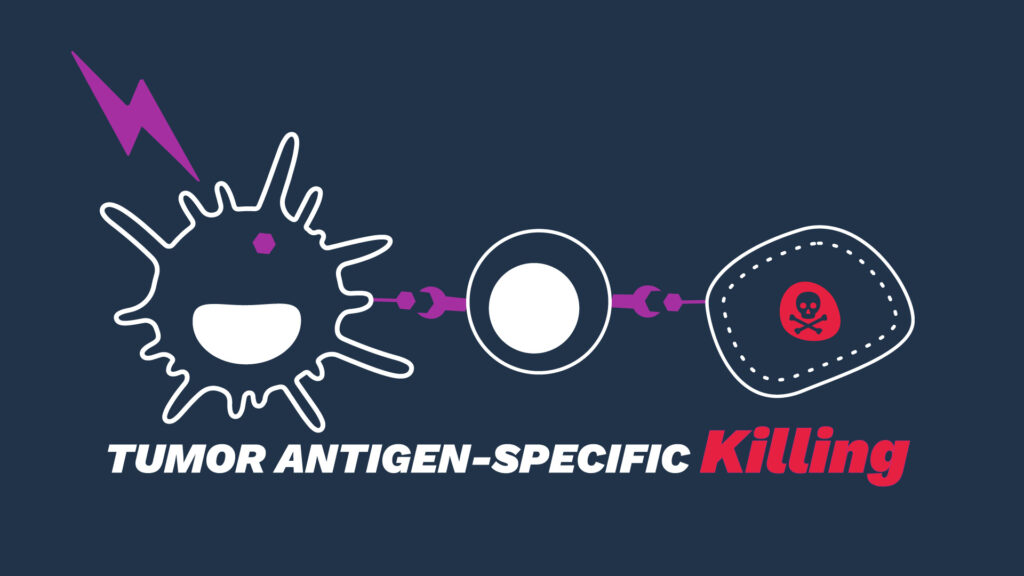
Direct · ADCC · T-cell · Antigen-specific
Immune function & modulation
Activation · Migration · MLR · Macrophage Polarization · Germinal Center Reaction
Safety & Immunogenicity
Cytokine release
Additional capabilities
Patient-Derived 3D tumor models
Immune-native organoids · Tumor fragments
Modality-specific assays
ADCs · Multispecifics & engagers · Cancer vaccines
Xenium for cells
Biomarker analysis
Transcriptomic biomarkers
Spatial transcriptomics · scRNAseq
ISO-certified pathology services
IHC/IF assay development · Assay validation · TLS scoring
Peripheral biomarkers
Proteomics · Flow cytometry · scRNAseq
Certified IHC/IF biomarker services
Clinical-grade quality management
Our tissue biomarker services →
10x Genomics-Certified Services
Chromium X, Visium HD, Xenium
Explore 10x-certified services →
Publications
Case studies
Posters & abstracts
IO Target Database
Events & webinars
News & press
Company
Commitments
Careers
Oncology research resources / Oncology case studies
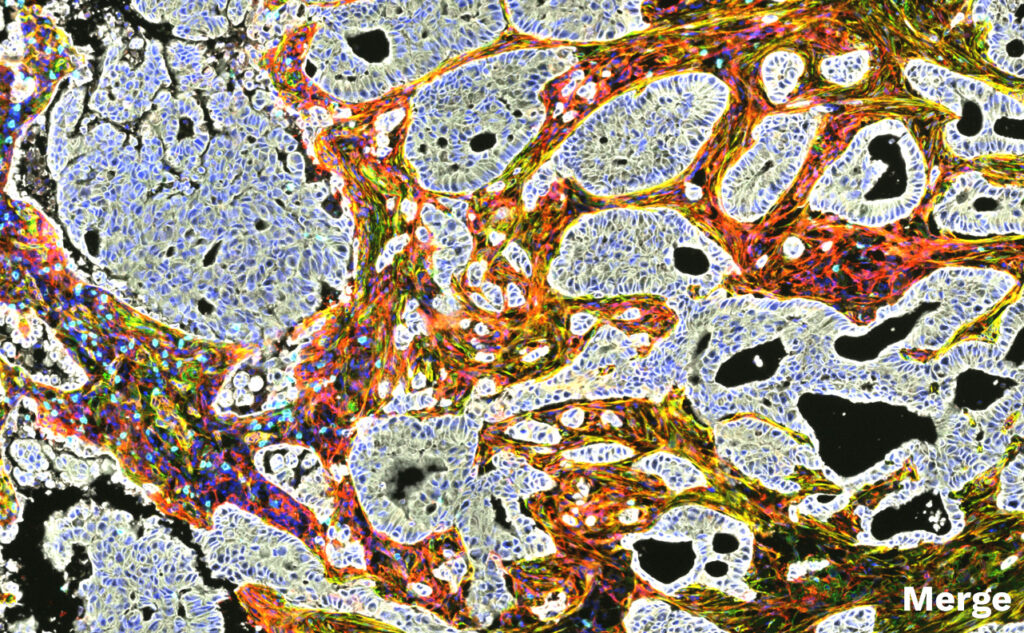
Using multiplex immunofluorescence and quantitative image analysis, Explicyte characterized immune-exhaustion phenotypes, cancer-associated fibroblast populations and their spatial organization within NSCLC tissue. These complementary analyses…
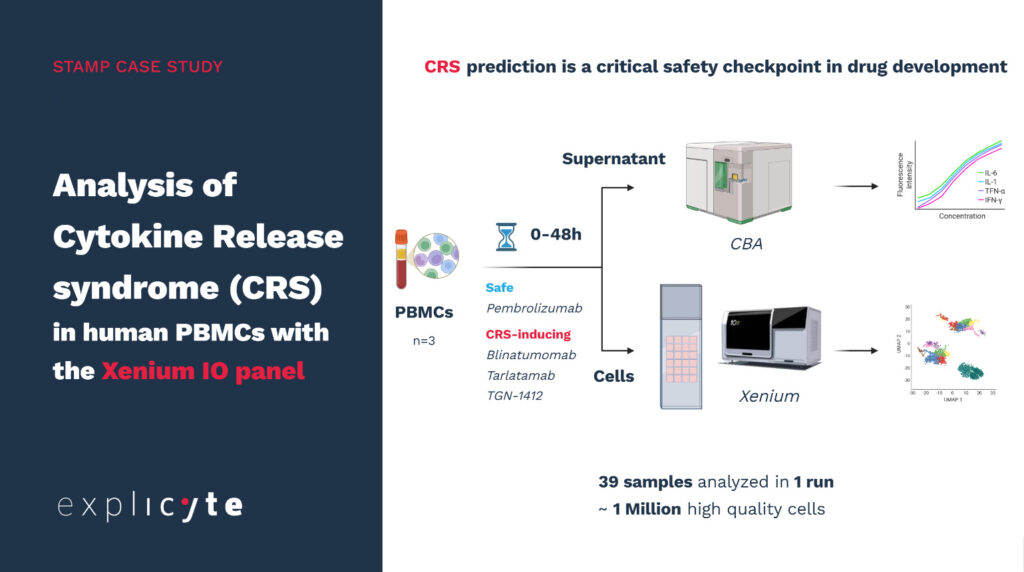
Presented at the 10x Genomics x Novartis Single-Cell & Spatial Day on June 18th 2026, this cytokine release syndrome study in human PBMCs combines…
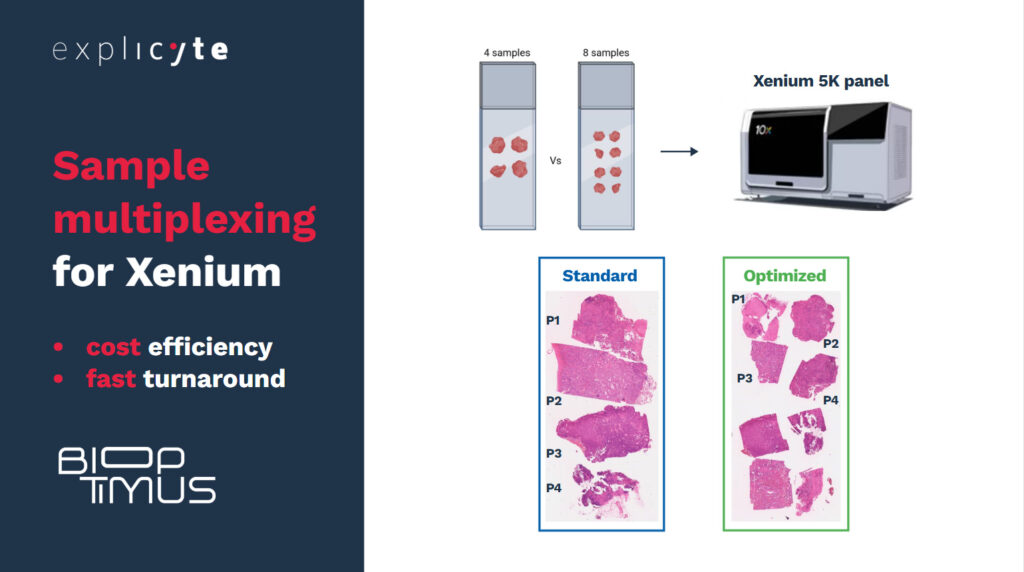
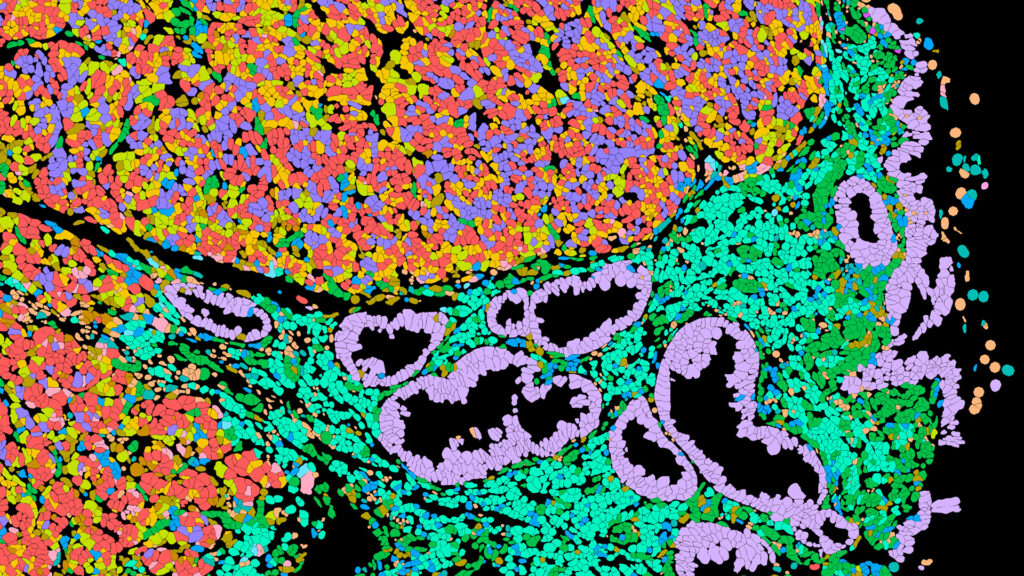
This study in partnership with AI company Bioptimus addresses cost and throughput. We doubled the number of FFPE samples per Xenium slide and ran…
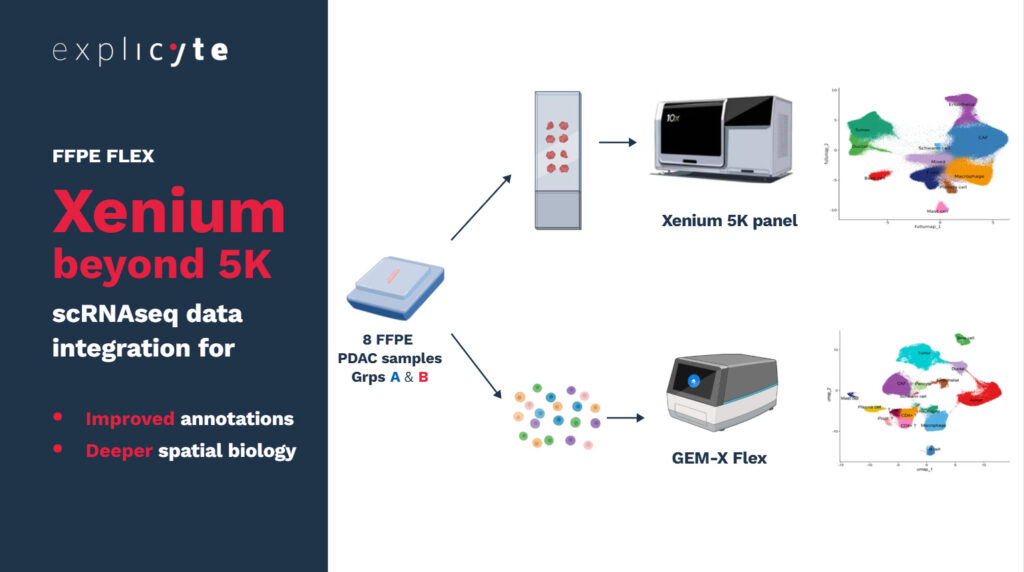
On a cohort of FFPE PDAC samples, we tested whether matched scRNAseq data could unlock biology hidden from the Xenium 5K panel. By integrating scRNA-seq…
Since 2025, Explicyte has been a 10x Genomics Certified Service Provider across Xenium, Visium HD, and Chromium X platforms. Most of our single-cell and spatial transcriptomics projects using…
Formalin-fixed, paraffin-embedded (FFPE) tissues remain the backbone of oncology biobanking, with vast archives of clinically annotated samples. With 10x Genomics’ probe-based workflows —Chromium Fixed…
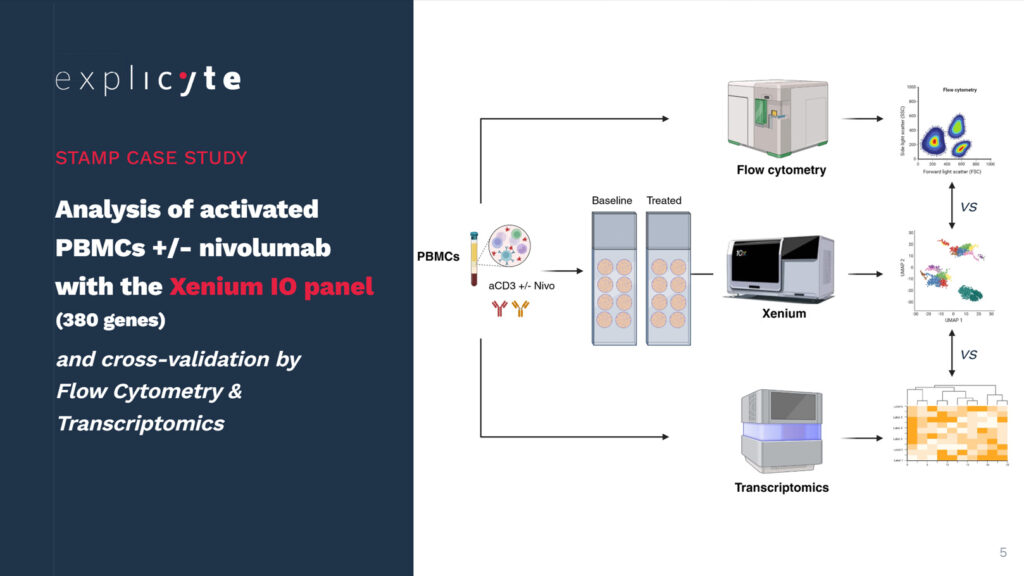
In the context of a 10x Genomics webinar in September 2025, Explicyte presented an in vitro proof-of-concept using Xenium, demonstrating how the STAMP workflow…
Are you developing multispecifics? This case study walks through how we profile a bispecific T-cell engager end to end — efficacy, mechanism, and cytokine-release…
Get our list of validated markers & panels (IHC/IHF) for immuno-oncology
Over the past five years, Explicyte has supported cancer-immunotherapy programs built on inducing or enhancing a specific anti-tumor immune response. This case study covers…
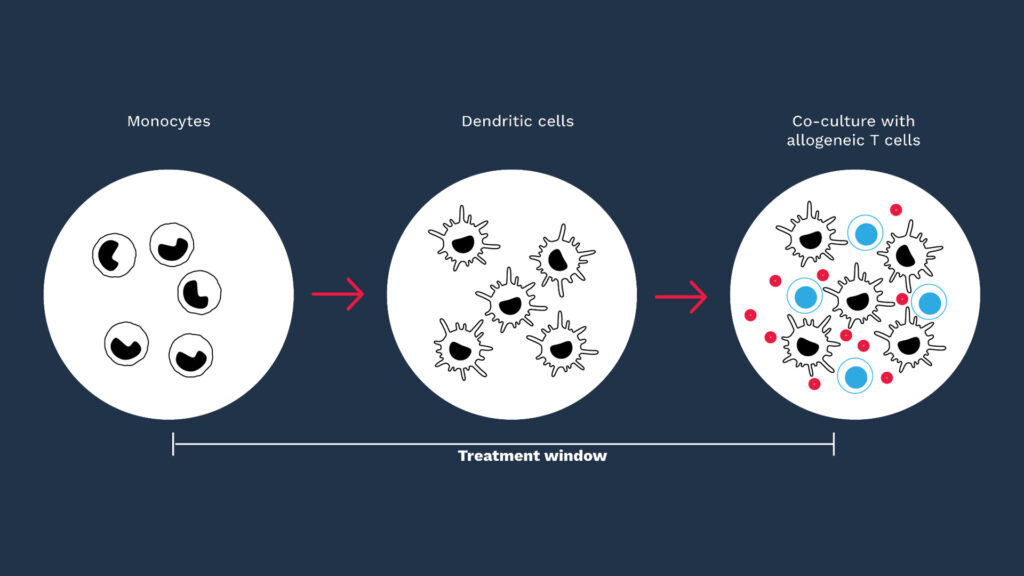
The immunological synapse between T lymphocytes and dendritic cells is a key component of an effective immune response. Dendritic cells are central to the…
Ascites is a pathological accumulation of peritoneal fluid frequently associated with ovarian cancer. In epithelial ovarian cancer, malignant ascites create a unique tumor microenvironment…
Immune checkpoint blockers have transformed the therapeutic landscape of oncology. In particular, therapies targeting the PD-1/PD-L1 axis have demonstrated major anti-tumor activity and are…
Dendritic cells are central regulators of anti-tumor immunity. By capturing antigens and stimulating T cell responses, they contribute to the initiation and amplification of…
The tumor microenvironment plays a central role in cancer progression and response to immunotherapy. Immune checkpoint inhibitors targeting the PD-1/PD-L1 axis and CTLA-4 have…
Cytokine release is a key functional readout for assessing immune cell activation, modulation, and effector function in immuno-oncology. While phenotypic analysis provides valuable information…
B cells are increasingly recognized as key contributors to anti-tumor immune responses and response to cancer immunotherapy. Recent studies have demonstrated the association between…
Antibody-dependent cell-mediated cytotoxicity, or ADCC, is a key immune mechanism by which antibody-coated target cells are recognized and eliminated by immune effector cells. Several…
Neutrophils are increasingly recognized as important contributors to the tumor microenvironment. Beyond their antimicrobial functions, tumor-associated neutrophils can infiltrate several tumor types and have…
The initiation of an anti-tumor immune response and the subsequent elimination of cancer cells are central mechanisms of cancer immunosurveillance. In immuno-oncology drug development,…