Preclinical immuno-oncology CRO services, from discovery to translational studies

Explicyte assesses the efficacy, safety-related liabilities and mechanisms of action of novel IO modalities — small molecules, multispecific engagers, ADCs, cell therapies and cancer vaccines — across solid tumors and hematologic malignancies.

Our preclinical studies combine tumor models with primary human immune cells and patient-derived systems, with access to deeper molecular profiling when required.

Programs supported by Explicyte that progressed to the clinic
Maat Pharmabrenus pharma logoexeliom biosciences
Sponsor stories

Specialty Immuno-Oncology Services

IO expertise. Service. IND focus.

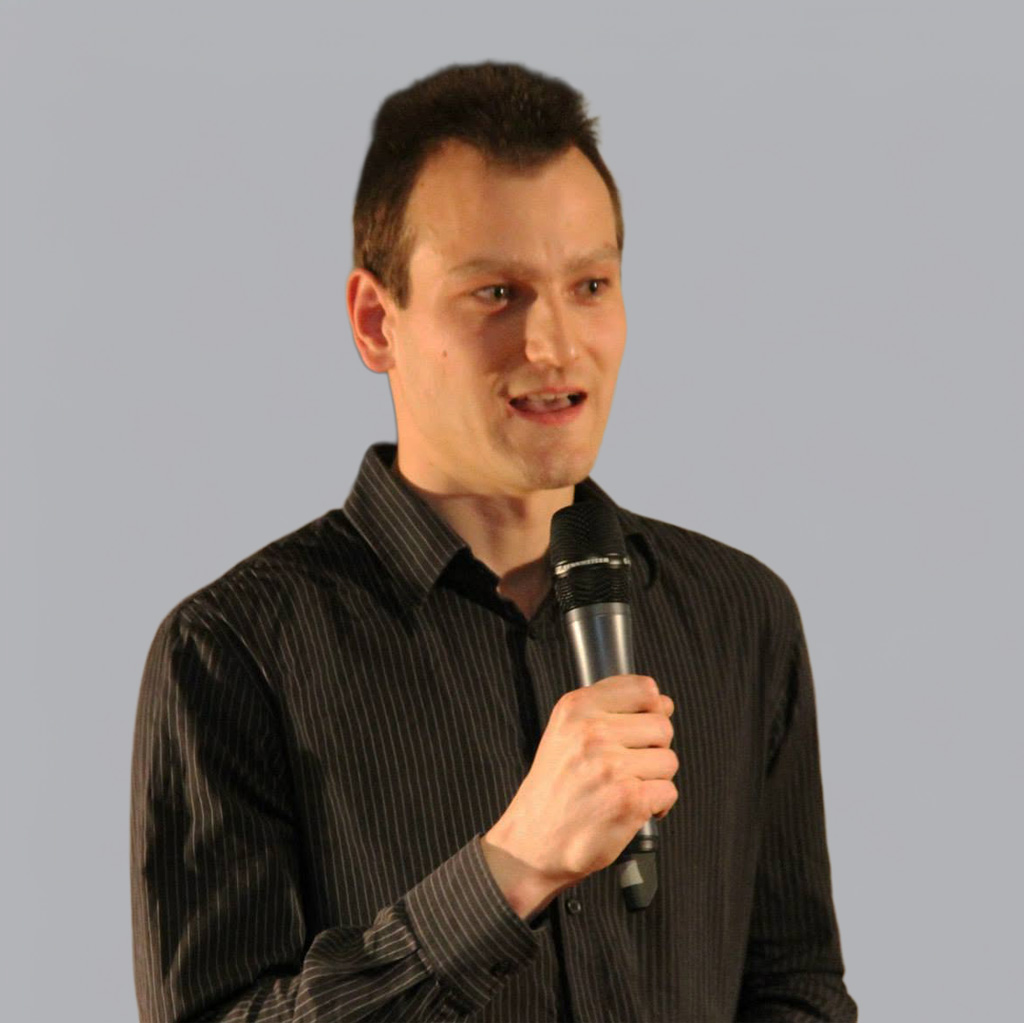
Imane Nafia, PhD, Chief Scientific Officer, on the three things sponsors look for in a preclinical immuno-oncology partner — scientific value, dedicated service, and clinical focus.

Discuss your project

CORE PRECLINICAL CAPABILITIES

Functional efficacy, immune biology & human-relevant models

Build the functional and translational evidence needed to characterize therapeutic activity, mechanism and early immune-safety liabilities using complementary human cell-based and patient-derived systems.

BUILT FOR IMMUNO-ONCOLOGY

How Explicyte delivers value in preclinical IO programs

Every assay we run is validated with reference treatments, so your data sits on a trusted baseline.

  • Benchmarked with standards of care (chemotherapies, immune checkpoint inhibitors) and relevant investigational modalities, such as T-cell engagers, ADCs, cancer vaccines.
  • Over 100 cancer cell lines available in-house, selected per program to match your indication, target-expression profile and resistance biology.
  • Exclusively primary human immune cells from characterized donors — used as PBMCs or isolated, differentiated subsets (T cells, NK cells, macrophages, dendritic cells, Tregs).
  • 10+ years of in-house expertise in primary immune-cell isolation, culture and differentiation.

Every collaboration is scoped by a PhD-level study director who owns your project end-to-end.

  • Kick-off interview to align on scientific objectives, timelines, and budget.
  • Written proposal with options, pricing, and timing — so you can compare scenarios.
  • Detailed study protocol covering experimental design, deadlines, interim reports, and go/no-go decision points.

Our core readouts profile both compartments in a single assay — no trade-offs between efficacy and mechanism.

  • Combined phenotypic and cytokine-based readouts capture tumor and effector cell behavior in parallel.
  • Simple, non-destructive, cost-effective, and scalable readouts — ideal as a common backbone across your program.

Because our standard readouts are non-destructive, samples can be channeled into deeper omics without repeating the experiment.

  • Secretome profiling: multiplex cytokine assays, proteomics, metabolomics.
  • Cellular profiling: flow cytometry, single-cell transcriptomics, spatial biology (we’re a 10x Genomics certified provider).
  • One experiment, multiple layers of evidence — saving cells, time, and budget.

Every deliverable is built to help your team make confident go/no-go calls — not to fill a binder.

  • Regular operational updates from your study director.
  • Interim reports aligned with predefined decision points.
  • Final report delivered on a secure server: raw data, materials & methods, publication-ready figures from our data science team, and a written discussion.
  • Oral debrief with your team to discuss results and next steps.
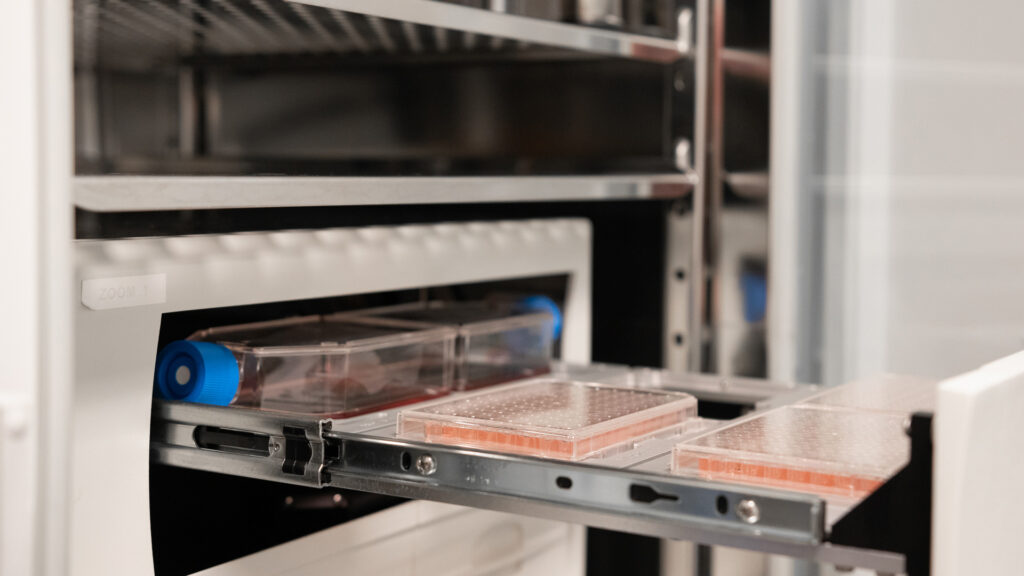
The Explicyte team at their Bordeaux laboratory

Paul Marteau, PharmD (study director), Imane Nafia, PhD (CSO), Loïc Cerf, MSc (COO), Alban Bessede, PhD (founder, CEO), Jean-Philippe Guégan, PhD (CTO)

Contact our team

Discuss your preclinical project and request a quote

Within 3 business days, a PhD-level study director will reach out to scope your project, propose a fit-for-purpose experimental approach, and provide pricing.

Frequently asked questions

Answers about preclinical immuno-oncology services

What does Explicyte's preclinical immuno-oncology CRO service cover?

Explicyte’s preclinical immuno-oncology CRO services cover the in vitro and ex vivo characterization of cancer immunotherapies — including efficacy, mechanism of action and safety. We support antibodies, T-cell engagers, antibody-drug conjugates (ADCs), cell therapies, cancer vaccines, and immunomodulatory small molecules, from early discovery through IND-enabling studies. Our work focuses on advanced cellular models: cancer cell lines, primary human immune cell co-cultures, and patient-derived 3D organoids.

No. Explicyte has discontinued in vivo services to focus on human-relevant preclinical models — particularly patient-derived 3D organoids, tumor fragments, and complex co-culture systems. This direction aligns with FDA’s Modernization Act 2.0 and EMA guidance on New Approach Methodologies (NAM), which support non-animal models for IND-enabling work.

Sponsors pursuing animal-reduced strategies can use Explicyte’s human-relevant models for efficacy, mechanism and selected exploratory safety studies, alongside external in vivo or regulatory toxicology work where required.

Explicyte supports preclinical programs from hit characterization through IND-enabling efficacy, mechanism of action and safety studies. We don’t run GLP toxicology — but our reports are designed to feed into IND-enabling packages and to support sponsor discussions with toxicology partners and regulatory agencies.

Three differentiators. First, exclusive focus on immuno-oncology since 2015 — every assay, model and study director is dedicated to this field. Second, every program is scoped and run by a PhD-level study director who owns it end-to-end, not handed off through layers of project management. Third, our standard readouts are non-destructive and multiplexable — one experiment can feed into deeper omics (single-cell transcriptomics, spatial biology, proteomics) without repeating the work, saving cells, time and budget.

Patient-derived organoids, tumor fragments and complex human co-culture systems can provide complementary human-relevant evidence for selected efficacy, mechanism and exploratory safety questions. Their role within an IND-enabling program depends on the therapeutic modality, development question and overall nonclinical strategy. Explicyte does not perform GLP toxicology.

Most cell-based assay programs are scoped within one week of initial discussion and started within 2 to 4 weeks of agreement. Standard study durations range from 6 to 12 weeks depending on complexity, with interim reports aligned to go/no-go decision points.

There’s no fixed minimum. Many programs start with a small scoping study — a single cell line, a small donor panel, or a focused readout — to validate the approach before scaling. Your study director will propose options that match your budget and decision points.

A PhD-level study director owns your project end-to-end — from scoping and protocol design to reporting and final discussion. The study director is supported by a wet-lab team specialized in immuno-oncology cellular models, and by our in-house data science team for analysis and figure generation. Sponsors typically interact with the same study director throughout the program.

Explicyte’s cell-based assays support programs across solid tumors and hematologic malignancies, including lung (NSCLC, SCLC), breast, colorectal, pancreatic, gastric, ovarian, bladder, endometrial and prostate cancers on the solid side, and leukemia, lymphoma and multiple myeloma on the hematologic side. Our 100+ cancer cell line panel and patient-derived 3D model repertoire are chosen to match your indication and target expression profile. Rare cancer and pediatric indications can also be supported subject to model availability.

Explicyte Oncology CRO logo

Capabilities

Modalities