Quantitative histology to characterize immune contexture in human lung adenocarcinoma samples
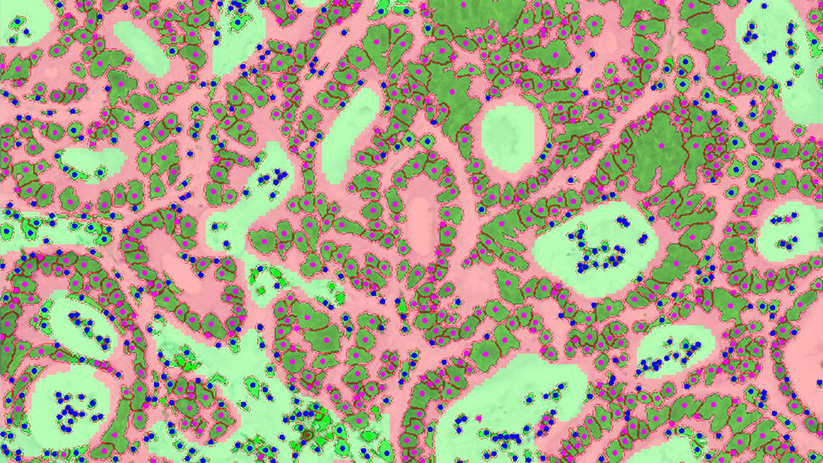
The tumor microenvironment plays a central role in cancer progression and response to immunotherapy. Immune checkpoint inhibitors targeting the PD-1/PD-L1 axis and CTLA-4 have demonstrated major clinical benefit across several cancer indications, highlighting the importance of the tumor immune landscape in shaping therapeutic response. However, response to immune checkpoint blockade remains heterogeneous and depends on […]
Anti-angiogenic therapy combination with hypoxia-regulating agent leads to improved tumor regression in a murine model of renal carcinoma
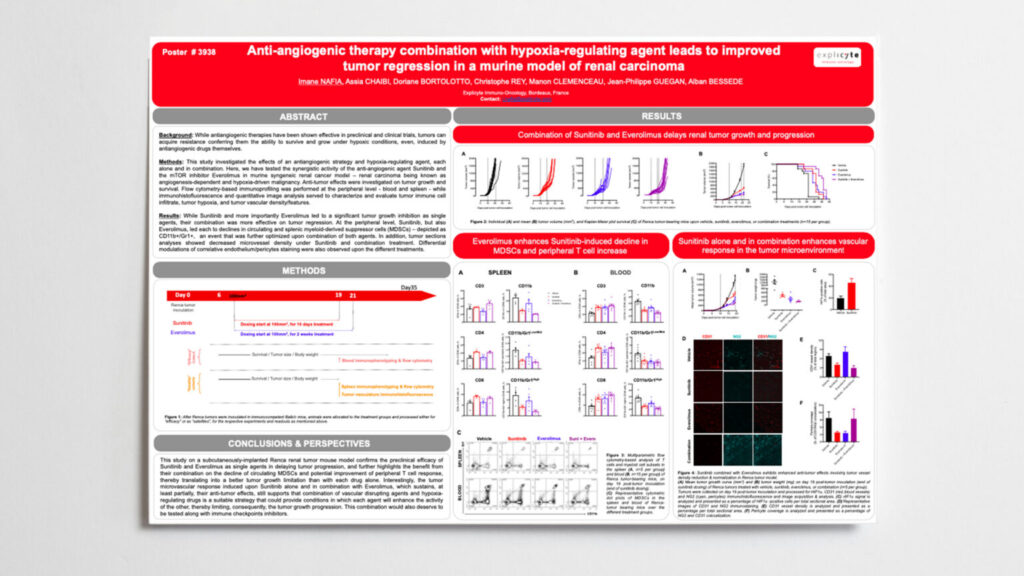
Background While antiangiogenic therapies have been shown effective in preclinical and clinical trials, tumors can acquire resistance conferring them the ability to survive and grow under hypoxic conditions, even, induced by antiangiogenic drugs themselves. Methods This study investigated the effects of an antiangiogenic strategy and hypoxia-regulating agent, each alone and in combination. Here, we have […]
B Cells and Tertiary Lymphoid Structures as Key Players in Anti-Tumor Immune Response
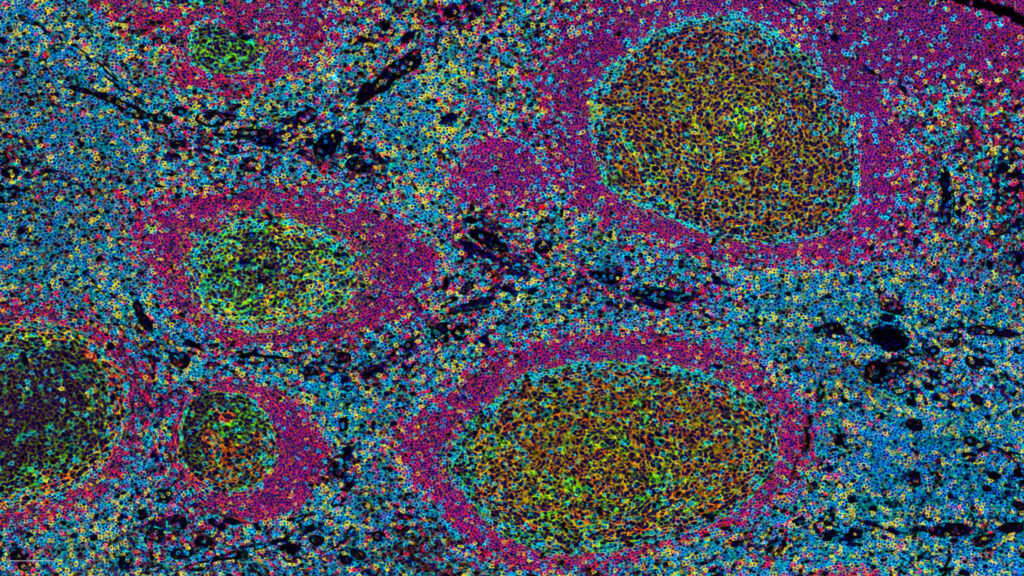
B cells are increasingly recognized as key contributors to anti-tumor immune responses and response to cancer immunotherapy. Recent studies have demonstrated the association between B cell-enriched immune signatures and response to immunotherapy across several cancer indications, including melanoma, renal cell carcinoma, and sarcoma. In responding patients, B cells are frequently enriched within organized lymphoid aggregates […]
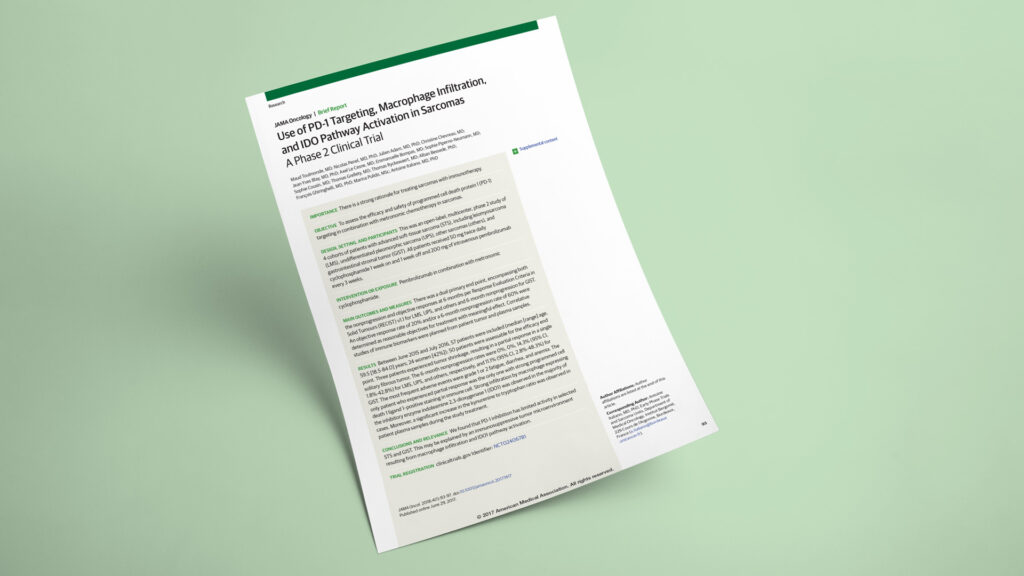
Why PD-1 blockade falls short in soft-tissue sarcoma — and the macrophage/IDO1 axis behind it