Can a simple blood test predict who responds to immunotherapy? Circulating L-arginine tracks checkpoint-inhibitor survival
How tolerogenic cDC1 dendritic cells “educate” inflammatory cDC2 by exporting the tryptophan metabolite L-kynurenine
Identification of super-exhausted T cells: a novel population predictive of response to immunotherapy
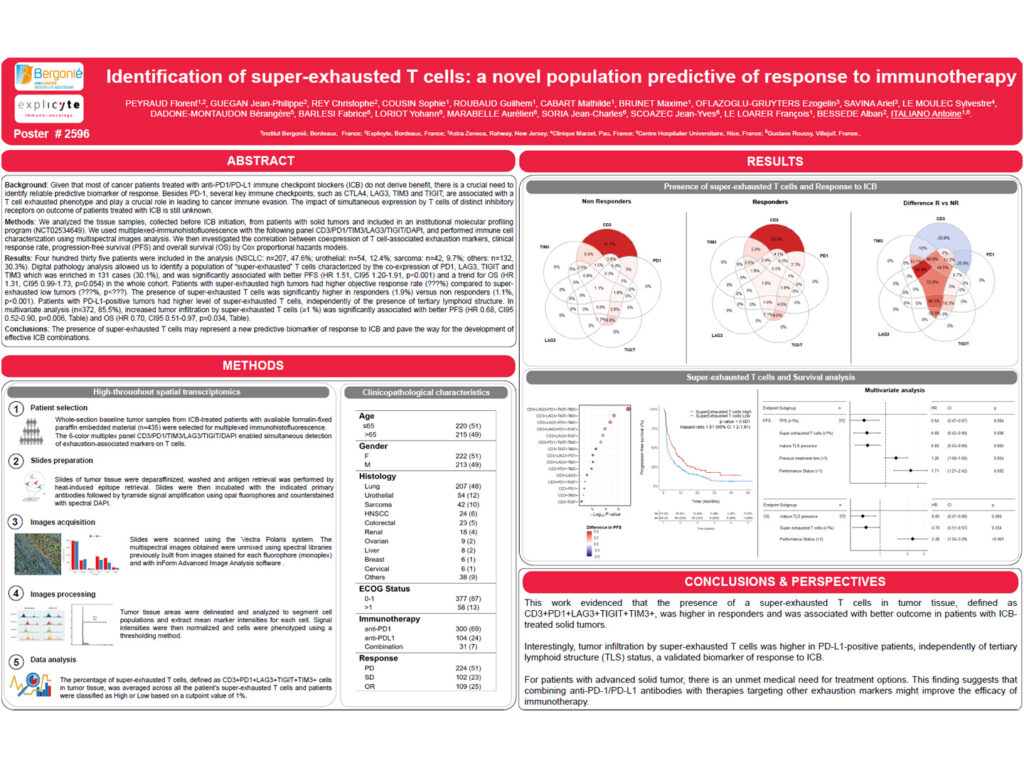
Background Most cancer patients treated with anti-PD1 or anti-PDL1 immune checkpoint blockers do not derive clinical benefit. There is therefore a crucial need to identify reliable predictive biomarkers of response. Beyond PD1, several immune checkpoints, including CTLA4, LAG3, TIM3 and TIGIT, are associated with a T cell exhausted phenotype and play an important role in […]
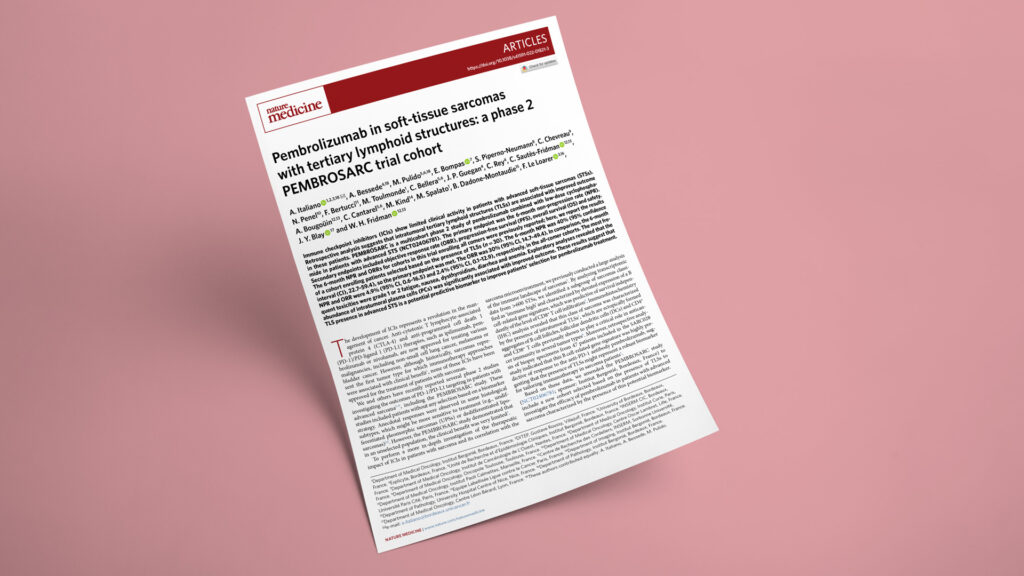
How tertiary lymphoid structures predict pembrolizumab response in soft-tissue sarcoma — and why plasma cells matter
High regulatory T cells infiltrate within tertiary lymphoid structure restricts response to immune checkpoint blockers in sarcomas
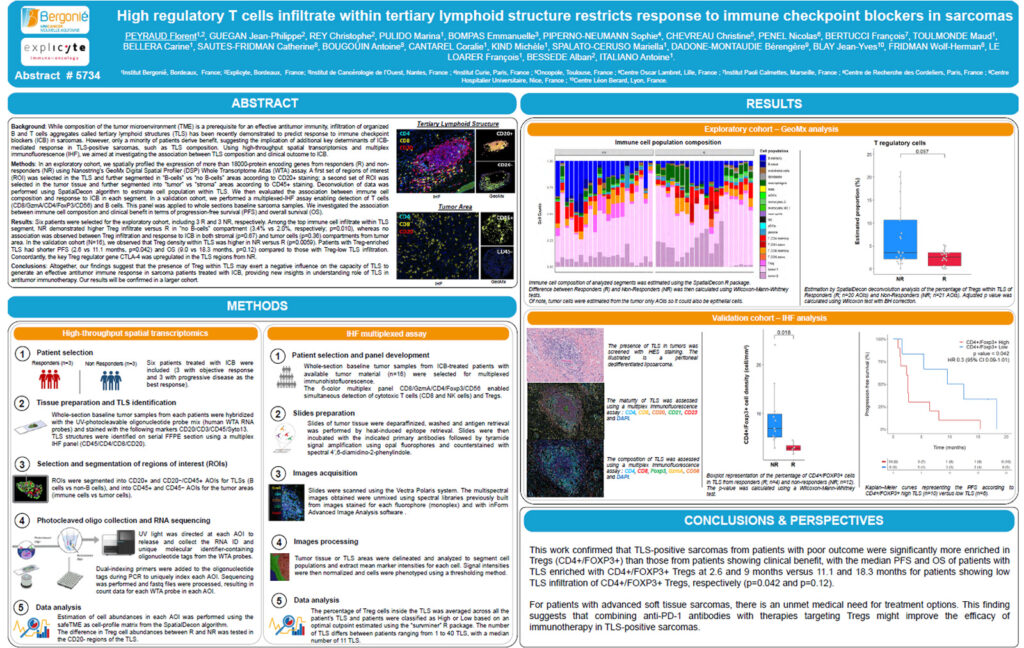
Background The composition of the tumor microenvironment is a key determinant of effective anti-tumor immunity. In sarcomas, the presence of organized B and T cell aggregates, known as tertiary lymphoid structures, has recently been shown to predict response to immune checkpoint blockers. However, only a minority of patients derive clinical benefit from immune checkpoint […]
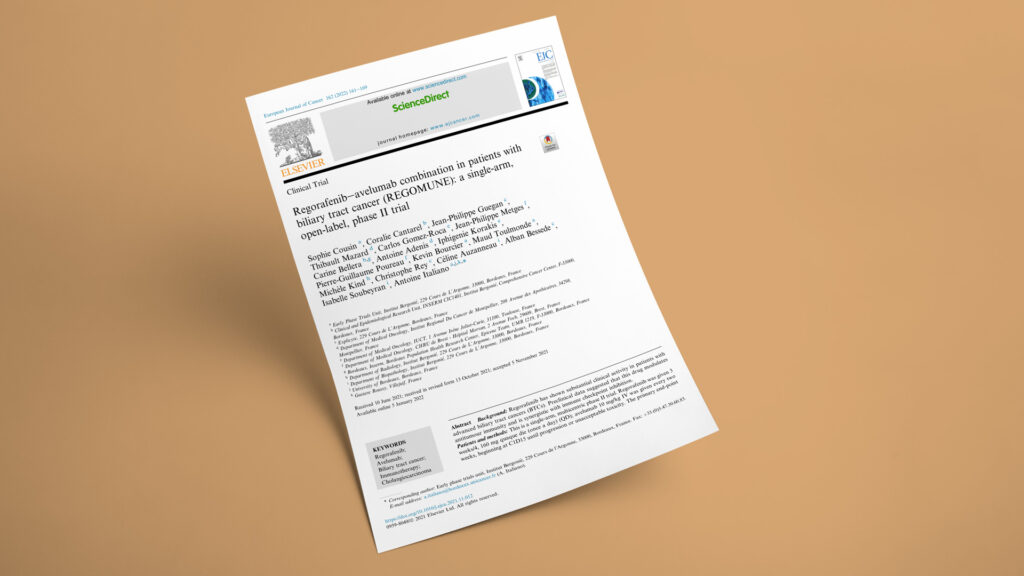
Which biliary tract cancers benefit from regorafenib–avelumab — and which biomarkers matter?
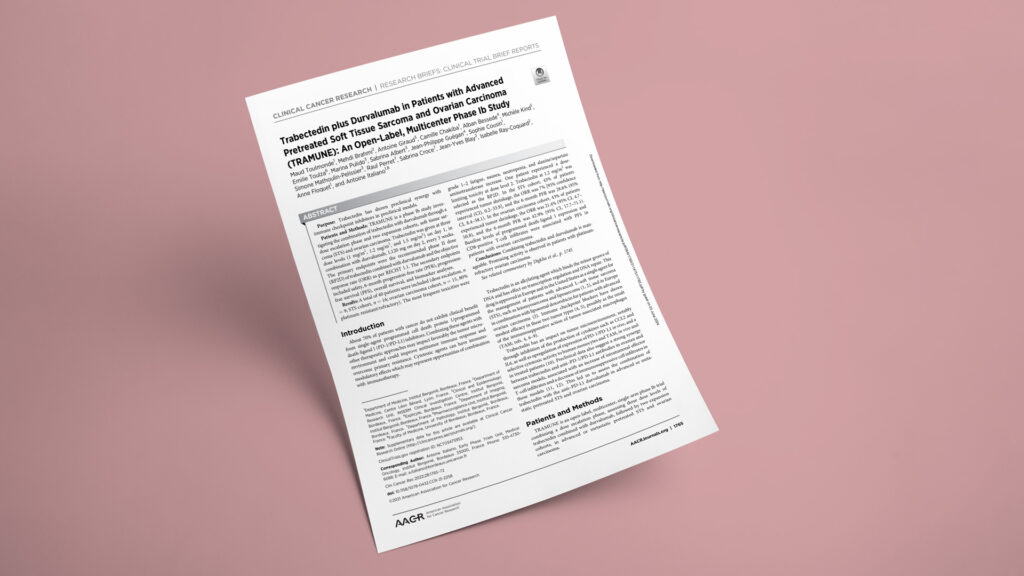
Can trabectedin plus durvalumab help platinum-resistant ovarian carcinoma and soft tissue sarcoma?
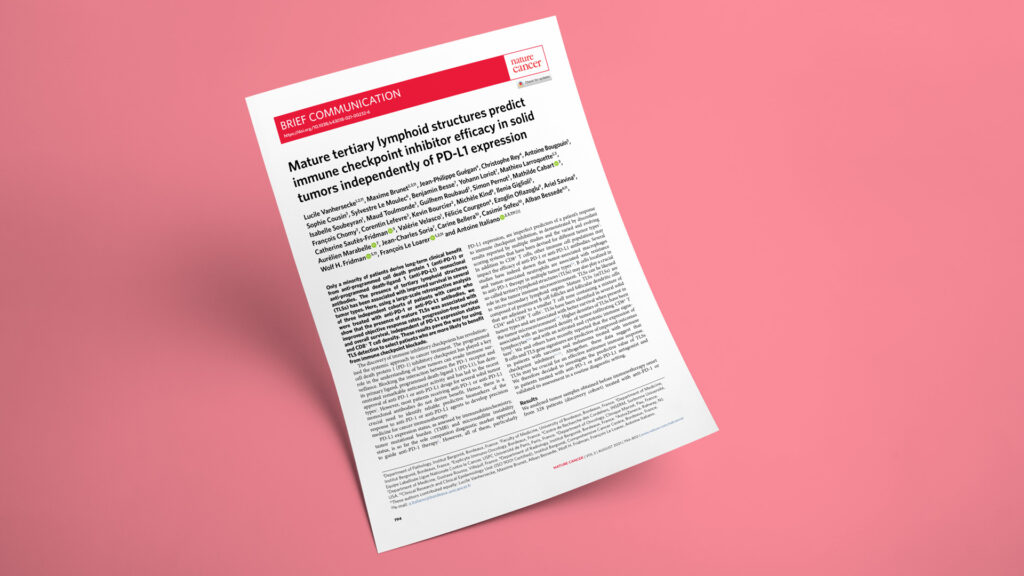
How mature TLSs identify solid tumor patients more likely to benefit from PD-1 blockade
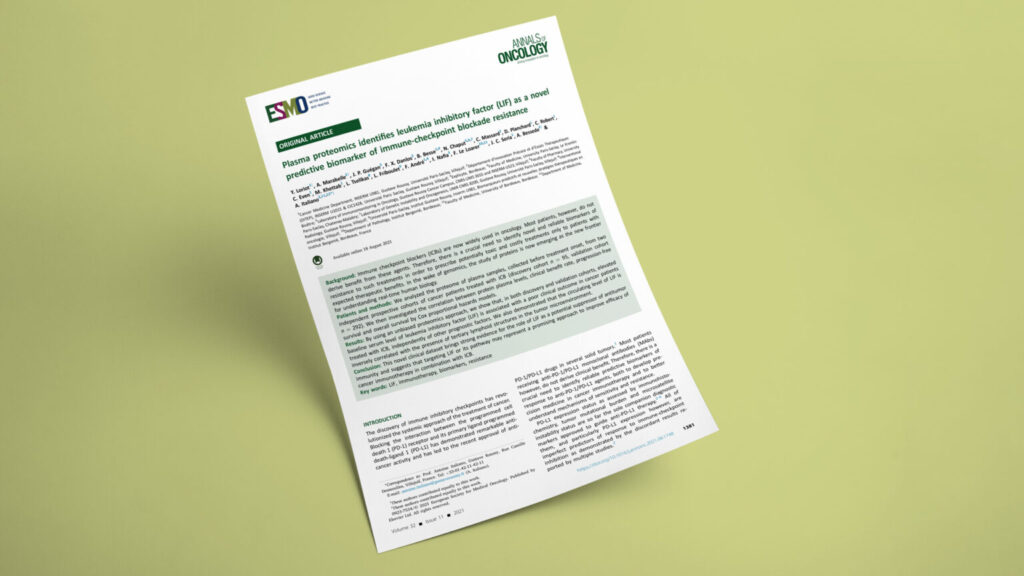
How plasma LIF predicts immune-checkpoint blockade resistance and a TLS-poor tumor microenvironment
Can CD163 macrophages help select MSS colorectal cancer patients for regorafenib plus avelumab?