“GPCR-ome” modulation upon PD1 / PDL1 axis blockade
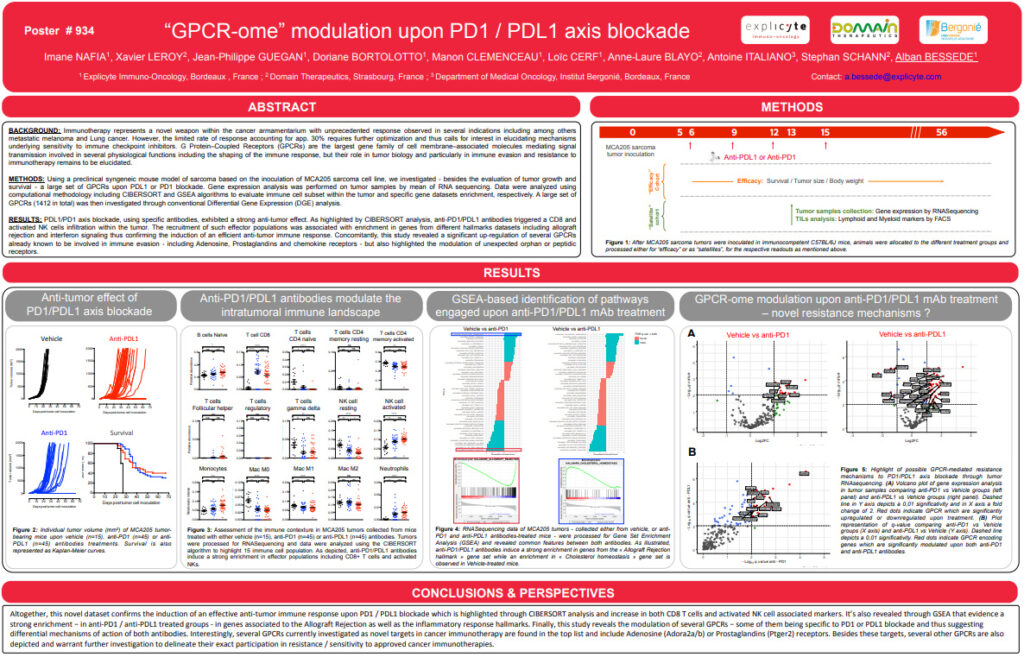
Background Immunotherapy represents a novel weapon in the cancer armamentarium, with unprecedented responses observed in several indications, including metastatic melanoma and lung cancer. However, the limited response rate, accounting for approximately 30%, requires further optimization and calls for a better understanding of the mechanisms underlying sensitivity to immune checkpoint inhibitors. G protein-coupled receptors (GPCRs) are […]
Anti-angiogenic therapy combination with hypoxia-regulating agent leads to improved tumor regression in a murine model of renal carcinoma
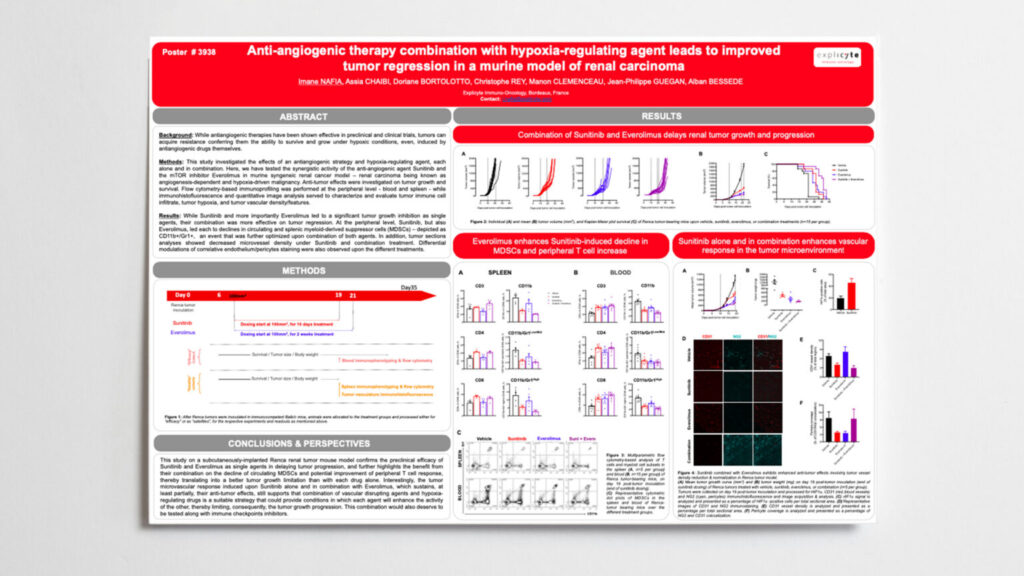
Background While antiangiogenic therapies have been shown effective in preclinical and clinical trials, tumors can acquire resistance conferring them the ability to survive and grow under hypoxic conditions, even, induced by antiangiogenic drugs themselves. Methods This study investigated the effects of an antiangiogenic strategy and hypoxia-regulating agent, each alone and in combination. Here, we have […]
Why IDO1 blockade lowered kynurenine but failed to improve anti-PDL1 efficacy in sarcoma
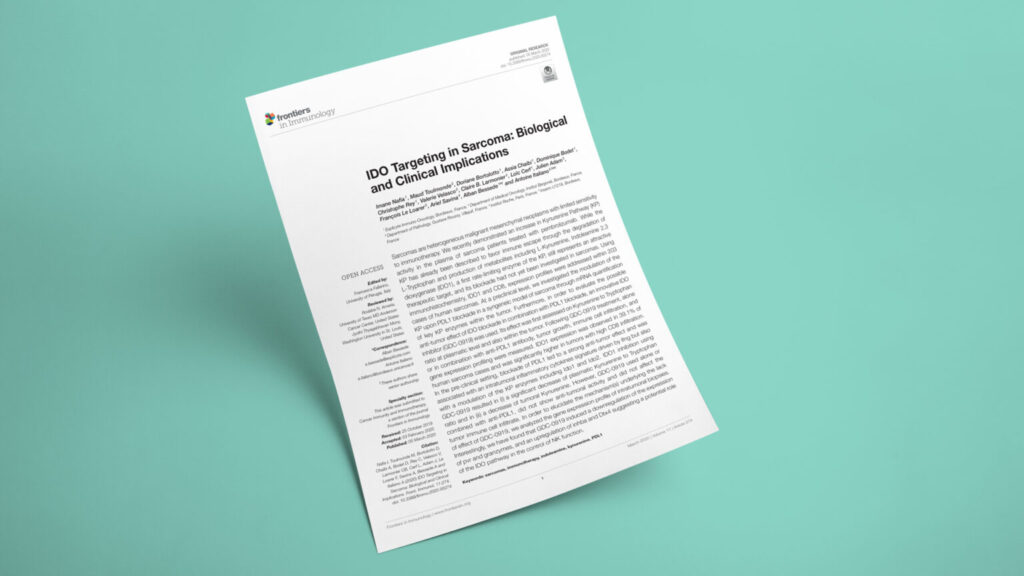
The Kynurenine Pathway as a possible resistance mechanism to immunotherapy in sarcomas
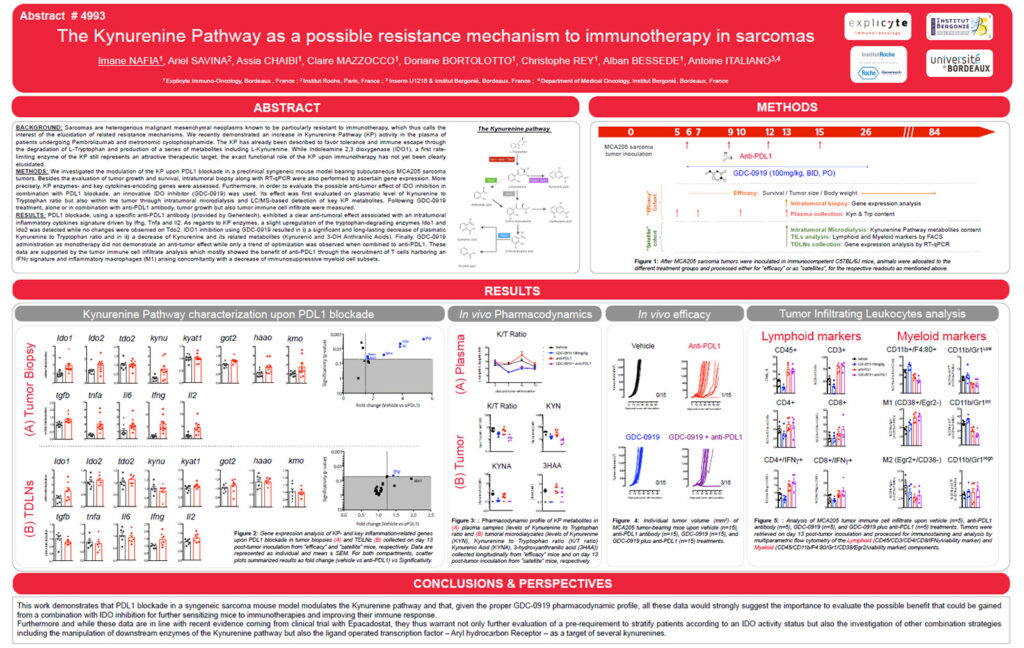
Background Sarcomas are heterogeneous malignant mesenchymal tumors known to be particularly resistant to immunotherapy. This resistance highlights the need to better understand the biological mechanisms limiting response to immune checkpoint inhibitors. We previously observed increased activity of the kynurenine pathway in the plasma of patients treated with pembrolizumab and metronomic cyclophosphamide. The kynurenine pathway is […]
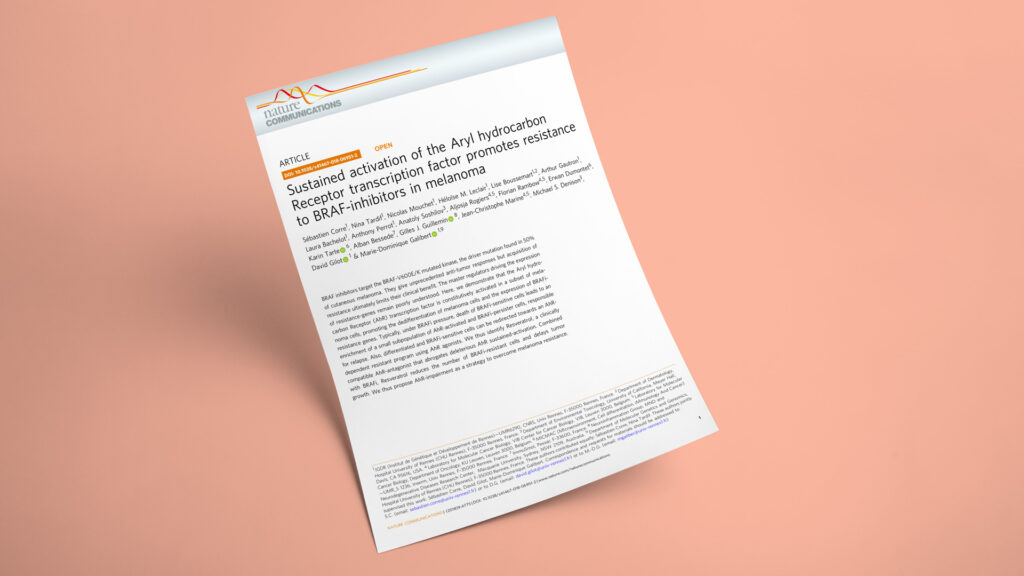
Why melanoma escapes BRAF inhibitors — the AhR transcription factor behind resistance and relapse