Olink Reveal plasma proteomics services: >1,000 proteins from 4 µL

Explicyte delivers Olink Reveal NGS-based proteomics for plasma and serum biomarker studies, measuring >1,000 proteins from 4 µL with in-house data analysis and biological interpretation.

Proteomics data published in

Signal transduction and targeted therapy journal logoNature cancer journal logoJournal of Hematology & OncologyMolecular Cancer Research journal logoMolecular Cancer Research journal logo

Olink proteomics CRO services

Why teams run Olink with us

>1,000 proteins from 4 µL

Reveal profiles >1,000 proteins from 4 µL of plasma or serum, with broad pathway coverage and deep representation of inflammation and immune-response biology.

Olink-trained PEA workflow

Our team runs the PEA workflow from sample preparation and assay execution through library QC and NGS readout, with study design adapted to your cohort.

In-house proteomics analysis

Our data science team handles QC, differential protein analysis, pathway interpretation and integration with clinical or multiomic data alongside the study director.

From your objectives to an interpreted dataset

How we run Olink Reveal studies

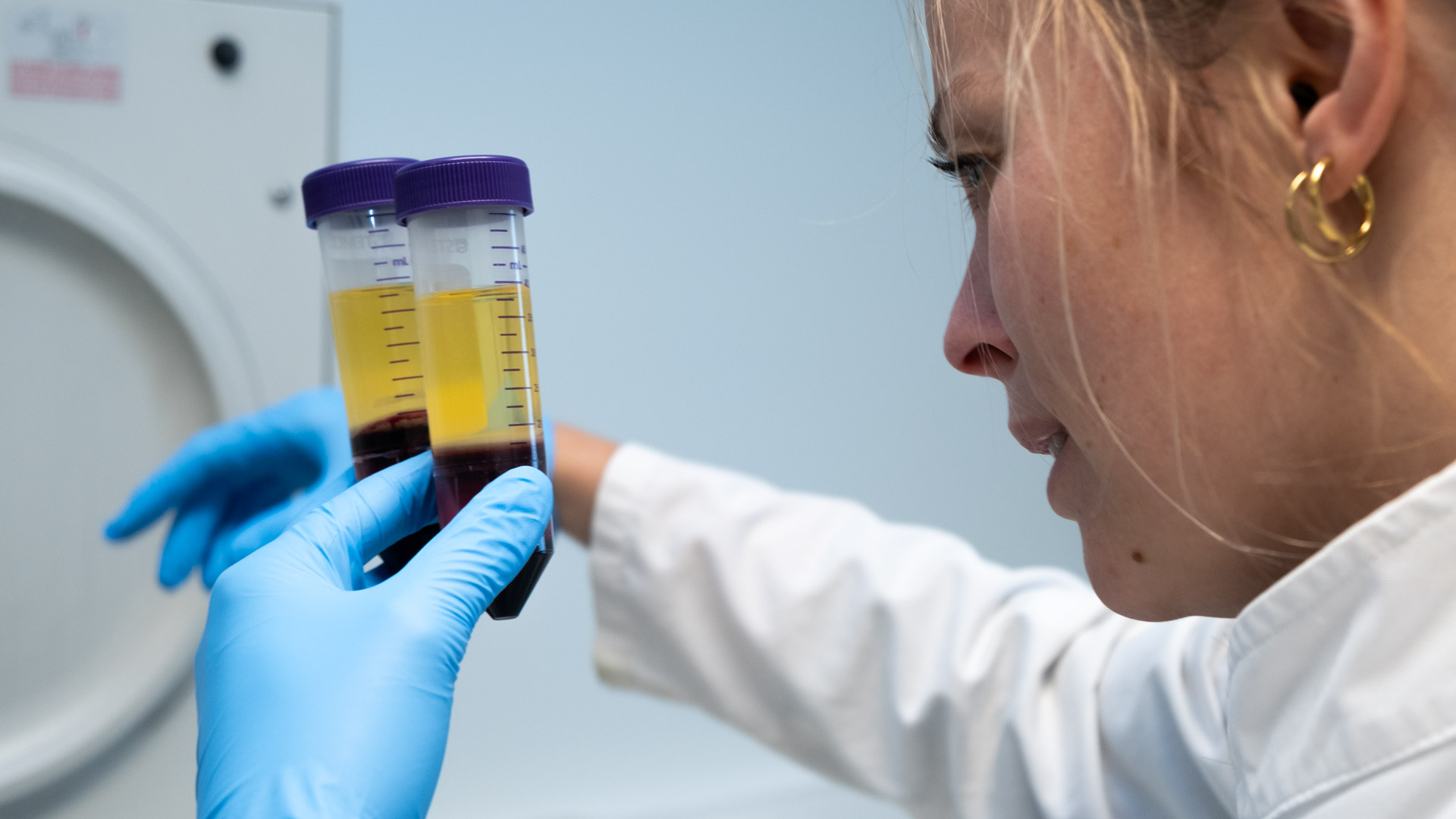
  1. Explicyte technician preparing plasma samples for Olink Reveal proteomics
    1

    Objectives, samples, and study design

    A PhD study director scopes the biological question, sample matrix, cohort structure, timepoints, timeline and budget, then defines the Reveal study design around the comparisons you need to make.

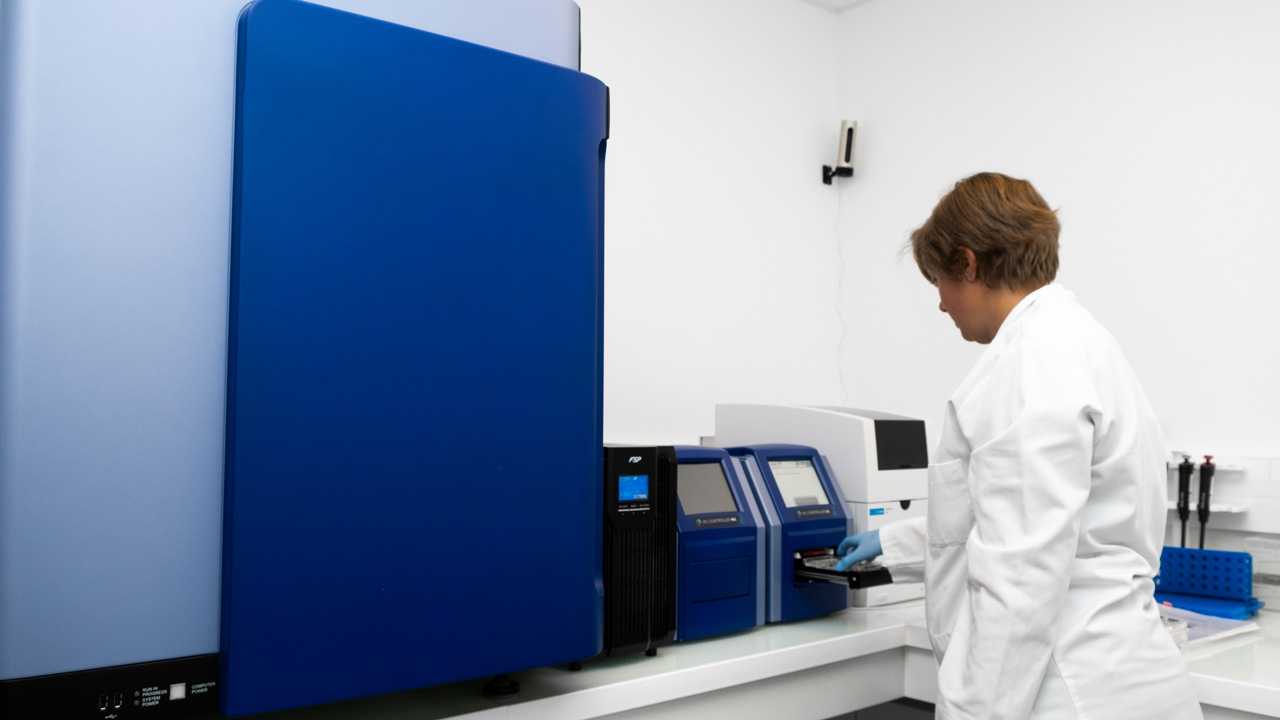
  2. Olink Reveal Proteomics CRO Plasma Biomarkers
    2

    Sample logistics and QC

    We define collection, volume, storage and shipping requirements upfront. Samples are registered, checked for pre-analytical issues and organized into a plate layout designed to limit avoidable technical variation.

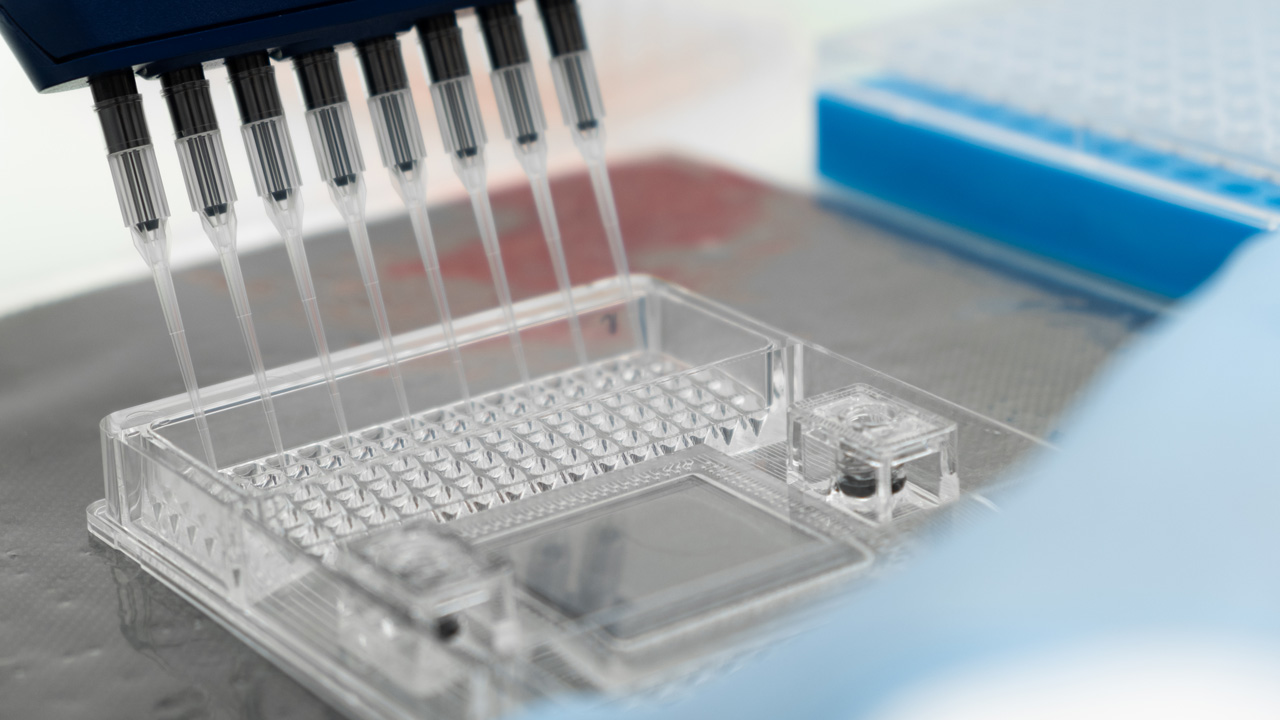
  3. Olink Reveal PEA library preparation at Explicyte
    3

    PEA library preparation and NGS readout

    Reveal uses dual-antibody Proximity Extension Assay chemistry to generate protein-specific DNA barcodes, followed by library amplification, QC and NGS readout. Controls and sample allocation are planned across the batch before processing.

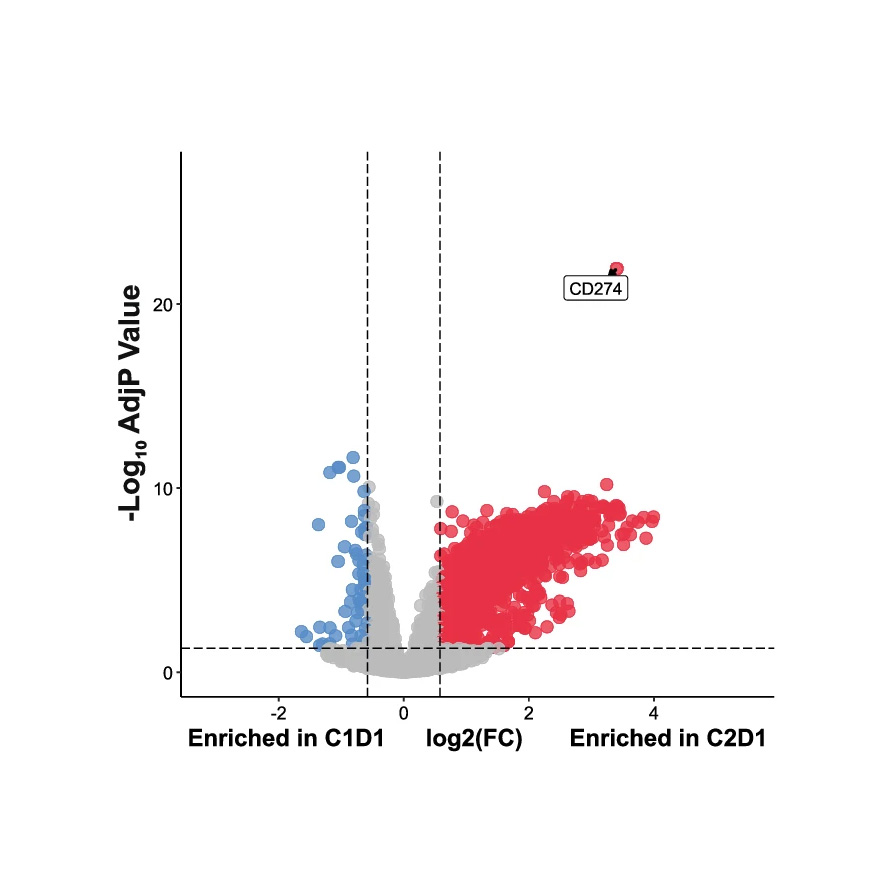
  4. Volcano plot from an Olink Reveal plasma proteomics dataset analyzed by Explicyte
    4

    Data analysis and biological interpretation

    Olink sequencing data are processed to normalized NPX values. Optional in-house analysis includes differential protein abundance, pathway and signature analysis, cohort comparisons, clinical associations and publication-ready visualization.

Panel
Olink Reveal — >1,000 curated human proteins with broad biological coverage and deep representation of inflammation and immune-response pathways.
Technology
Proximity Extension Assay (PEA) with NGS readout. Dual-antibody recognition generates protein-specific DNA barcodes for multiplex protein measurement.
Sample types
Human plasma and serum are the primary matrices. Other sample types can be considered case by case after feasibility review.
Sample volume
4 µL assay input per sample. Additional material may be requested for handling, QC or repeat analysis.
Readout
Normalized Protein eXpression (NPX) values for relative protein abundance, with standardized Olink QC.

Olink Reveal data and analysis deliverables

  • Olink QC outputs and normalized NPX data
  • Per-sample and per-protein QC summary
  • Differential protein abundance across groups or timepoints
  • Pathway, signature and functional enrichment analyses
  • Clinical or multiomic integration where applicable
  • Publication-ready figures and biological interpretation report

Featured publication

Plasma proteomics study in Annals of Oncology
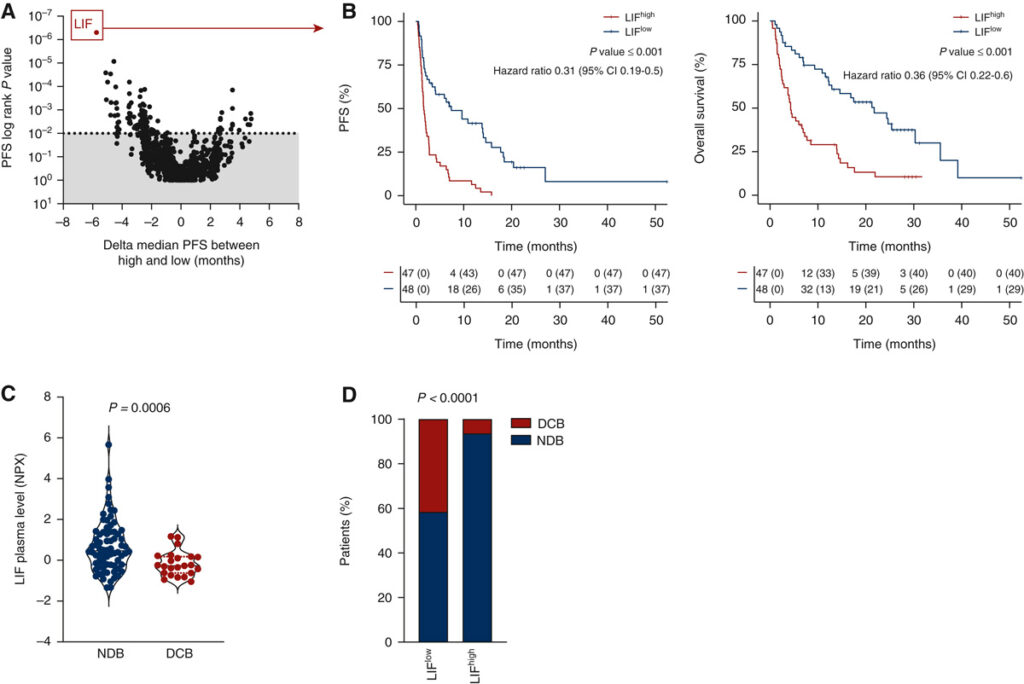
Plasma LIF and resistance to immune-checkpoint blockade

Olink plasma proteomics identified circulating LIF as a candidate biomarker associated with poor outcome under immune-checkpoint blockade.

Cohorts: Discovery cohort: 95 patients. Independent validation cohort: 292 patients.

Biomarker association: Higher baseline circulating LIF was associated with poorer clinical outcome in both cohorts.

Tissue link: Circulating LIF levels were inversely associated with intratumoral tertiary lymphoid structures.

Plasma Olink proteomics analysis of LIF and immune-checkpoint blockade outcome
explicyte multiomics transcriptomics CRO team

Paul Marteau, PharmD (study director), Imane Nafia, PhD (CSO), Loïc Cerf, MSc (COO), Alban Bessede, PhD (founder, CEO), Jean-Philippe Guégan, PhD (CTO)

Contact our team

Discuss your Olink Reveal project

Have a plasma or serum proteomics project in mind? Tell us the sample matrix, cohort size and biological question — we'll advise on study design, analysis and integration with complementary readouts.

Answers about Olink proteomics services

Frequently asked questions

What is Olink Reveal, and when should I use it?

Olink Reveal is an NGS-based proteomics assay measuring >1,000 human proteins from 4 µL of plasma or serum. It is suited to biomarker discovery, pharmacodynamic studies, mechanism-of-action research and cohort profiling when broad protein coverage is needed from limited sample volume.

Explicyte’s current Olink proteomics service is Olink Reveal, providing broad profiling of >1,000 proteins from plasma or serum with NGS readout and optional in-house data analysis.

Approximately 30–50 µL of plasma or serum per sample is requested for study execution, depending on QC and potential repeat-analysis requirements. The Olink Reveal assay itself uses 4 µL of sample input.

Reveal measures >1,000 curated human proteins with broad biological pathway coverage and particularly deep representation of inflammation and immune-response pathways. We can check the current panel content against your markers of interest during study scoping.

Core outputs include Olink QC results and normalized NPX values. Optional analysis can include differential protein abundance, pathway and signature analysis, cohort or longitudinal comparisons, clinical associations and publication-ready figures.

Yes. Plasma proteomics can be integrated with matched PBMC profiling by Chromium X or multiplex flow cytometry to connect circulating protein changes with immune-cell composition and cell states.

Yes. Our data science team can analyze normalized Olink datasets generated externally, including QC review, differential analysis, pathway interpretation and integration with matched clinical or multiomic data.

For selected studies, we can explore access to plasma, serum or matched tissue through our clinical and biobank network. Feasibility depends on indication, cohort size, inclusion criteria and required metadata.

Explicyte Oncology CRO logo

Capabilities

Modalities