
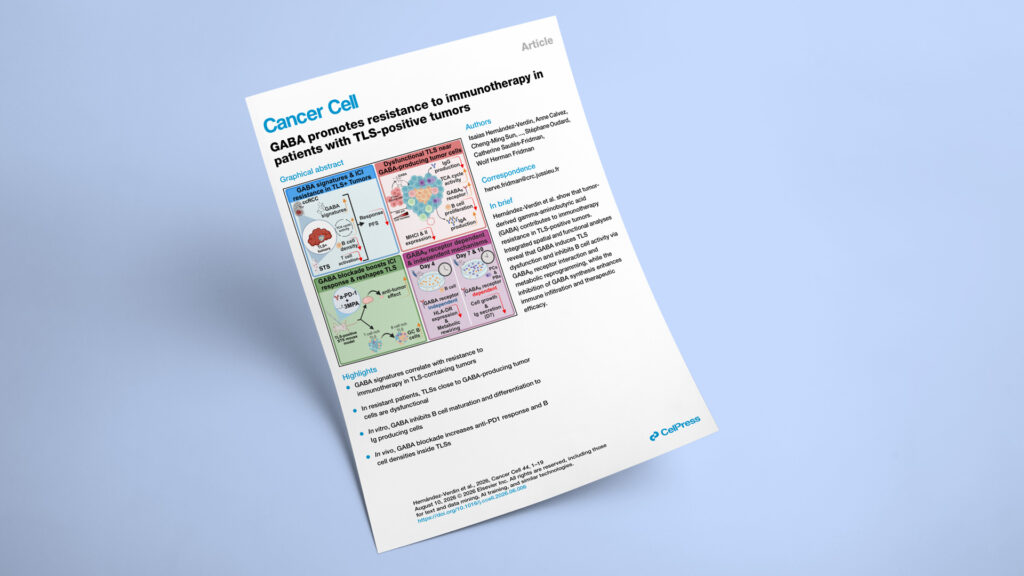
How tumor-derived GABA disables tumor TLSs and drives anti-PD-1 resistance in cancer
Sample multiplexing for Xenium – Bioptimus x Explicyte Case Study
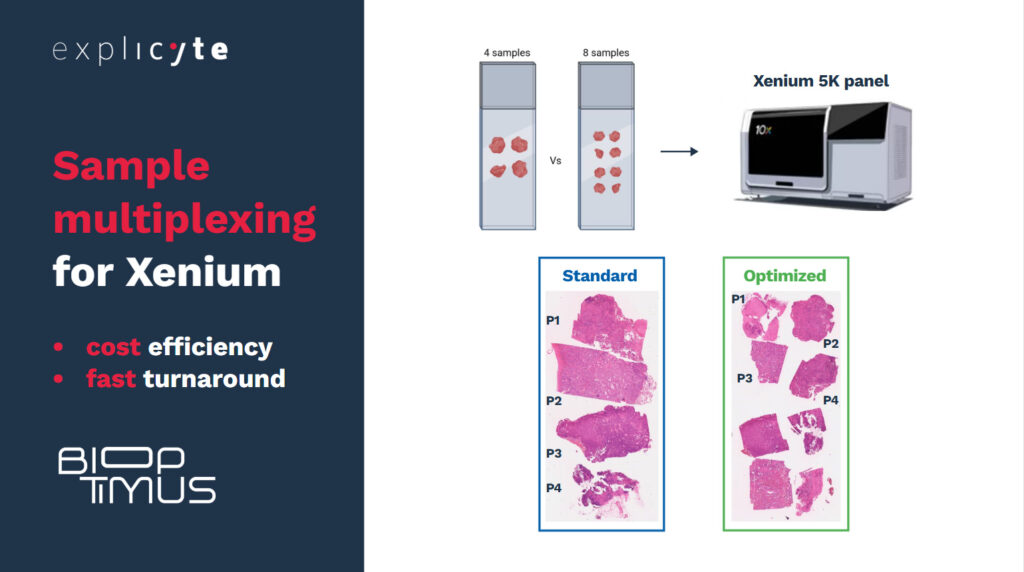
This study in partnership with AI company Bioptimus addresses cost and throughput. We doubled the number of FFPE samples per Xenium slide and ran a rigorous head-to-head against the “standard” format. Across QC metrics, cell-type proportions, and gene expression profiles, the data held up — with sample-to-sample correlations between formats reaching near-perfect agreement. This sample […]
Xenium beyond 5k
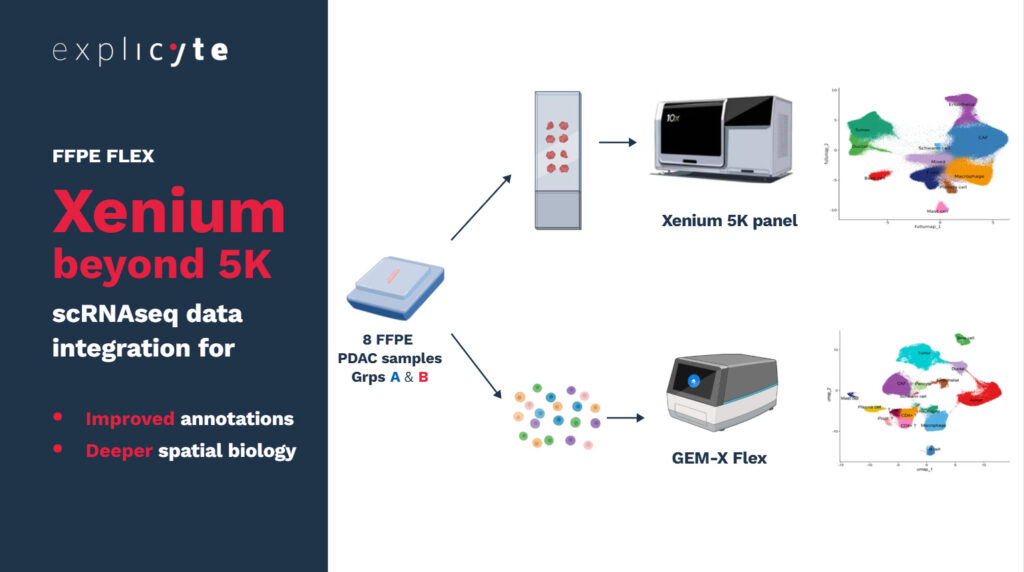
On a cohort of FFPE PDAC samples, we tested whether matched scRNAseq data could unlock biology hidden from the Xenium 5K panel. By integrating scRNA-seq data with Xenium, we substantially improved cluster annotation and resolved cell populations that were partially merged in the standard Xenium analysis — including B-cell populations, for example. The rationale is straightforward: […]
Analysis of spatial atlas of ADC targets in immunotherapy-treated NSCLC to link compartment-specific target expression with tumor immune contexture, clinical outcome, and on-treatment remodeling.
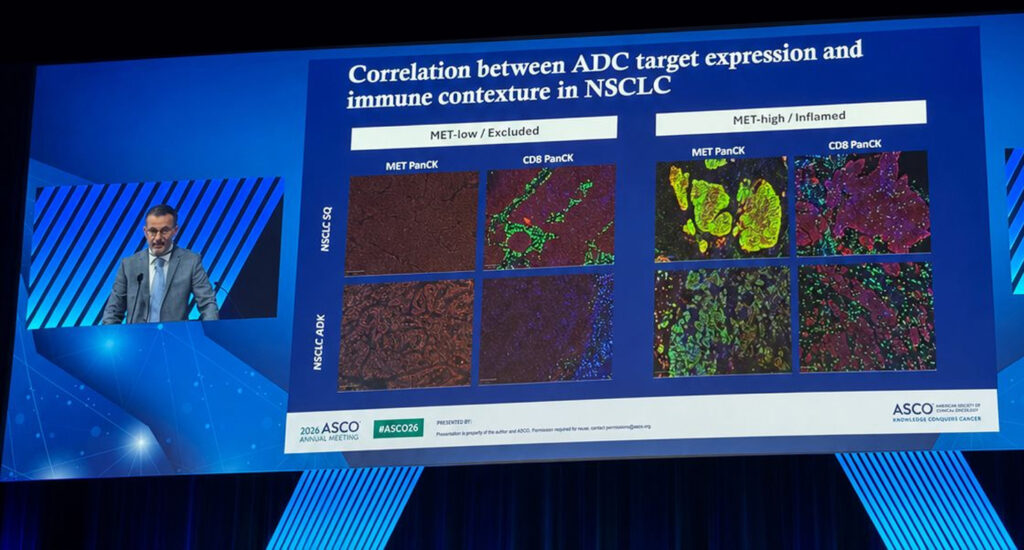
Prof. Antoine Italiano (Gustave Roussy) delivered this oral presentation: I was honored to present our work on an integrated spatial ADC target atlas across NSCLC, bladder, gastric and endometrial cancers. Using multiplex immunofluorescence, proteomics and immune-contexture analyses, we aimed to move beyond single-marker prevalence and better understand target coverage, co-expression, spatial heterogeneity and immune geography. […]
Tumor-cell NY-ESO-1 Expression Predicts Poor Response to PD-1/PD-L1 Blockade in NSCLC
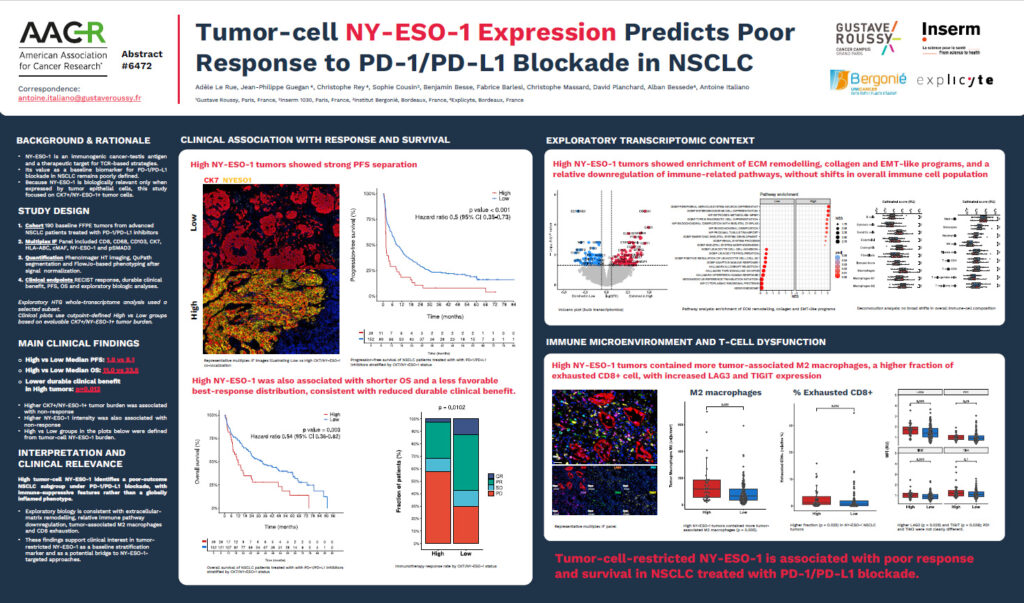
Background & rationale NY-ESO-1 is an immunogenic cancer-testis antigen and a therapeutic target for TCR-based strategies. Its value as a baseline biomarker for PD-1/PD-L1 blockade in NSCLC remains poorly defined. Because NY-ESO-1 is biologically relevant only when expressed by tumor epithelial cells, this study focused on CK7+/NY-ESO-1+ tumor cells. Study design Cohort 190 baseline FFPE […]
High-Dimensional Spatial Profiling of the Tumor Immune Microenvironment (TME) in Recurrent/Metastatic Head and Neck Squamous Cell Carcinoma (HNSCC) Reveals Predictive Biomarkers of Immunotherapy
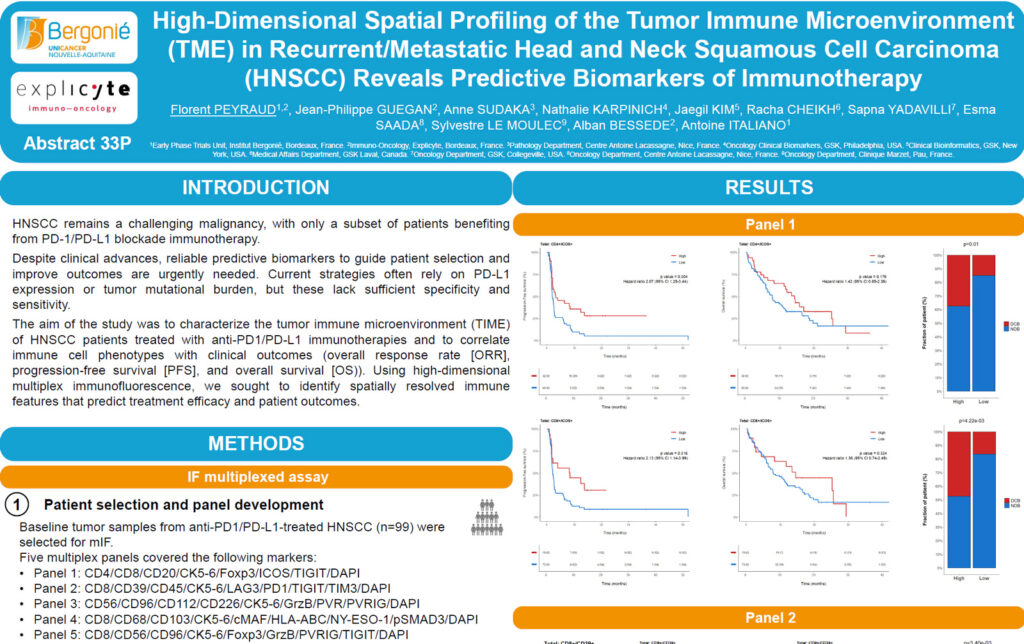
HNSCC remains a challenging malignancy, with only a subset of patients benefiting from PD-1/PD-L1 blockade immunotherapy. Despite clinical advances, reliable predictive biomarkers to guide patient selection and improve outcomes are urgently needed. Current strategies often rely on PD-L1 expression or tumor mutational burden, but these lack sufficient specificity and sensitivity. The aim of the study […]
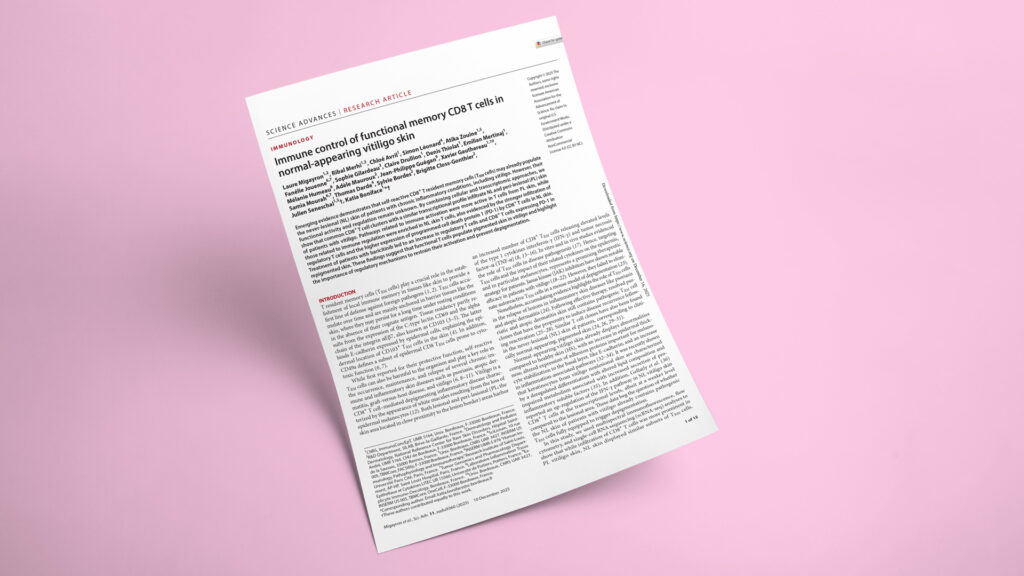
How normal-appearing vitiligo skin keeps its pigment: PD-1 and regulatory T cells restrain disease-ready CD8 T cells
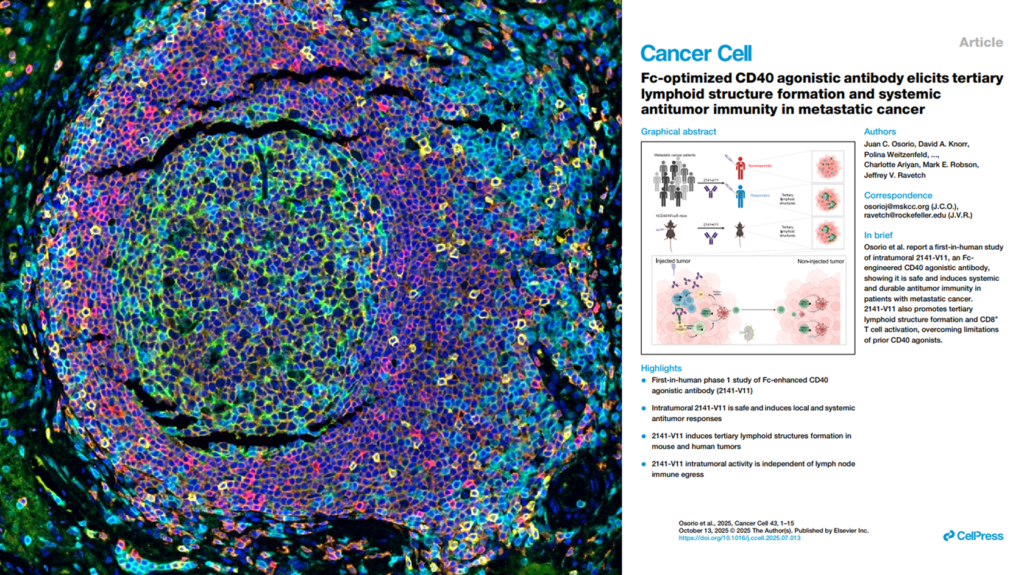
How an engineered CD40 antibody, injected into tumors, builds the immune structures that drive whole-body cancer responses
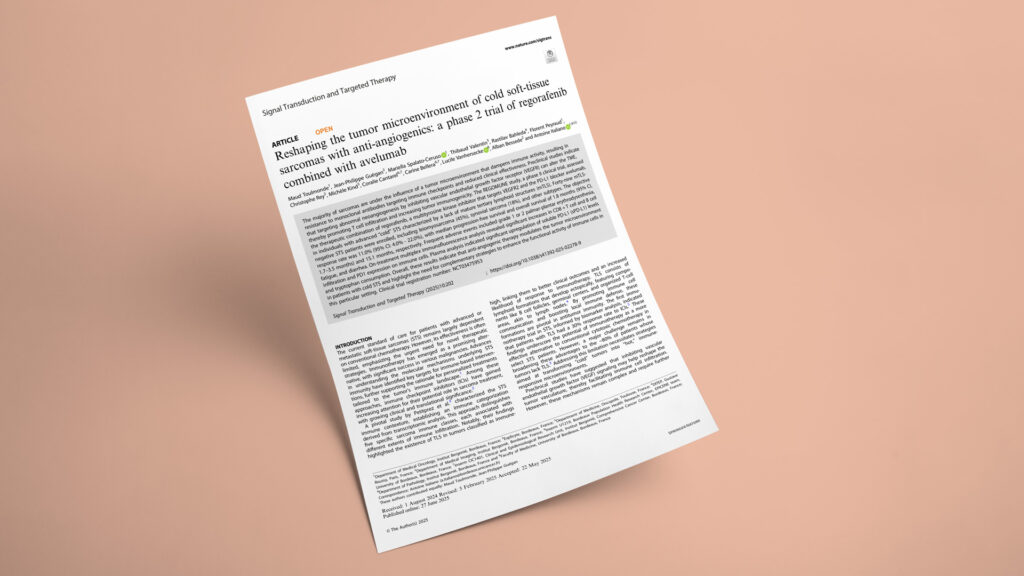
How regorafenib plus avelumab reshapes the immune microenvironment of “cold” soft-tissue sarcomas — and why response stays elusive
Spatial transcriptomics reveal crucial determinants of immune exclusion in non-small cell lung cancer: an analysis of the precision medicine BIP study
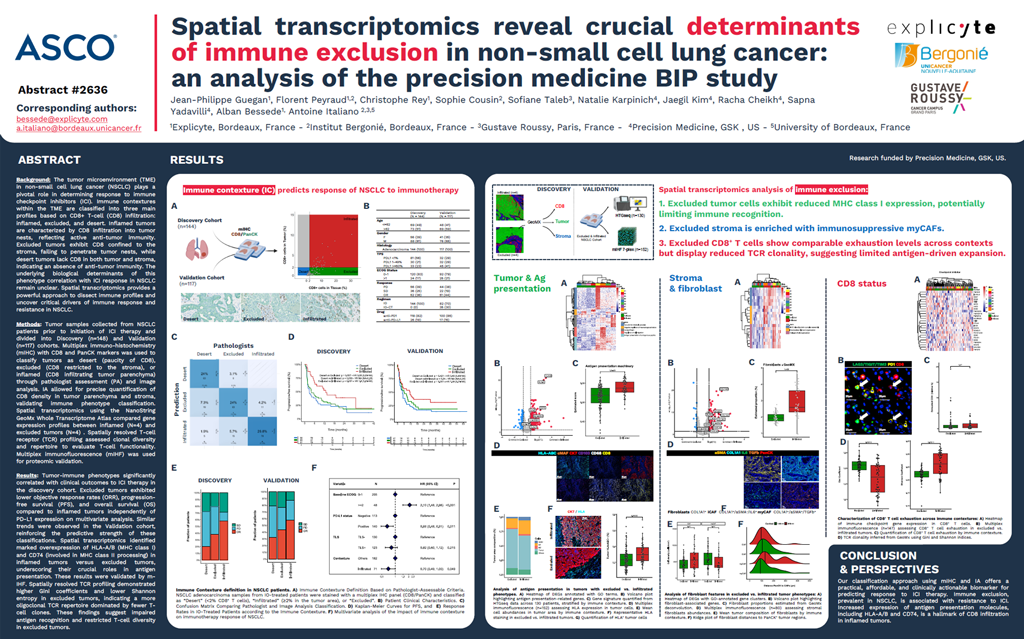
Background The tumor microenvironment (TME) in non-small cell lung cancer (NSCLC) plays a pivotal role in determining response to immune checkpoint inhibitors (ICI). Immune contextures within the TME are classified into three main profiles based on CD8+ T-cell (CD8) infiltration: inflamed, excluded, and desert. Inflamed tumors are characterized by CD8 infiltration into tumor nests, reflecting […]