
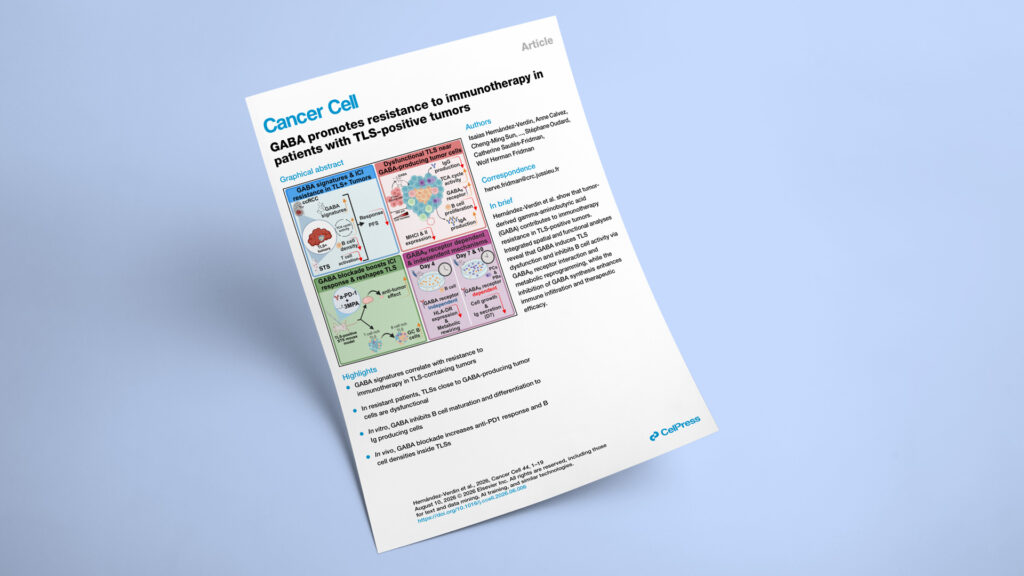
How tumor-derived GABA disables tumor TLSs and drives anti-PD-1 resistance in cancer
Sample multiplexing for Xenium – Bioptimus x Explicyte Case Study
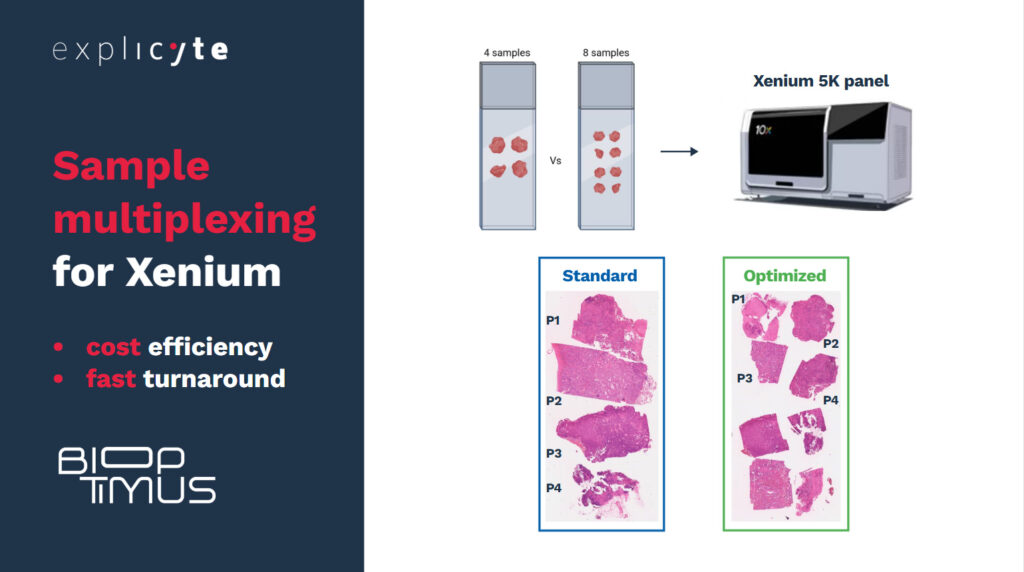
This study in partnership with AI company Bioptimus addresses cost and throughput. We doubled the number of FFPE samples per Xenium slide and ran a rigorous head-to-head against the “standard” format. Across QC metrics, cell-type proportions, and gene expression profiles, the data held up — with sample-to-sample correlations between formats reaching near-perfect agreement. This sample […]
Xenium beyond 5k
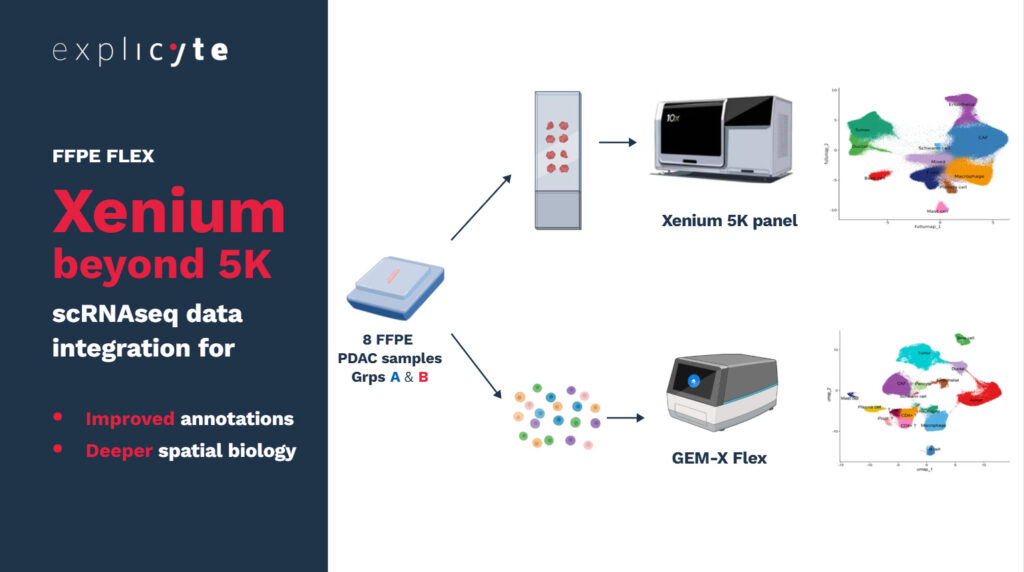
On a cohort of FFPE PDAC samples, we tested whether matched scRNAseq data could unlock biology hidden from the Xenium 5K panel. By integrating scRNA-seq data with Xenium, we substantially improved cluster annotation and resolved cell populations that were partially merged in the standard Xenium analysis — including B-cell populations, for example. The rationale is straightforward: […]
Smarter Xenium: More Biology per Slide, More Value per Sample

At the 10x Genomics Atera World Tour 2026 in Paris, Explicyte presented two case studies tackling the question every spatial biology team faces: how do we extract more biological value from FFPE tumor samples, while keeping turnaround time and cost under control? The challenge: spatial transcriptomics at scale Single-cell spatial transcriptomics is now a production […]
Cure51 – A unique Xenium dataset of cancer outliers

Analysis of spatial atlas of ADC targets in immunotherapy-treated NSCLC to link compartment-specific target expression with tumor immune contexture, clinical outcome, and on-treatment remodeling.
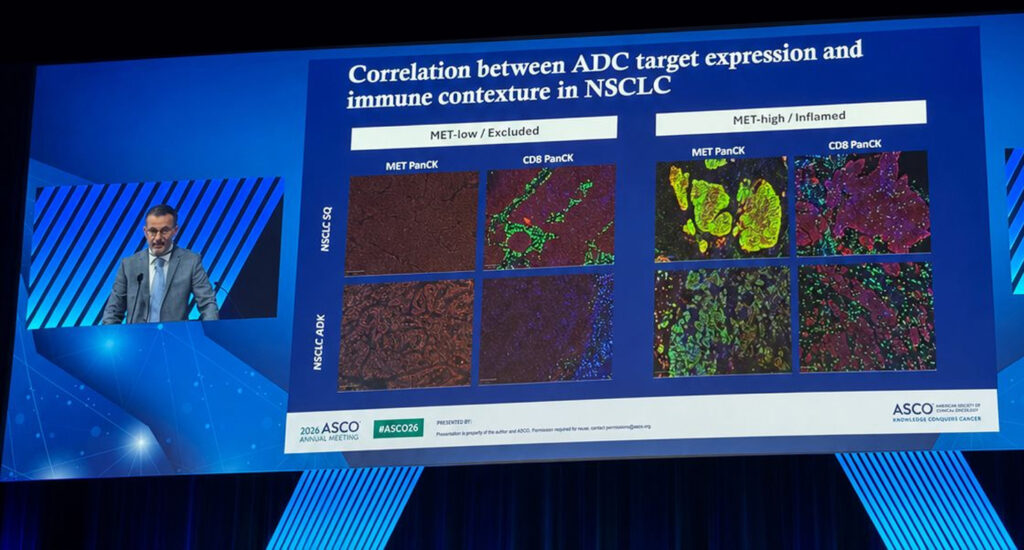
Prof. Antoine Italiano (Gustave Roussy) delivered this oral presentation: I was honored to present our work on an integrated spatial ADC target atlas across NSCLC, bladder, gastric and endometrial cancers. Using multiplex immunofluorescence, proteomics and immune-contexture analyses, we aimed to move beyond single-marker prevalence and better understand target coverage, co-expression, spatial heterogeneity and immune geography. […]
Tumor-cell NY-ESO-1 Expression Predicts Poor Response to PD-1/PD-L1 Blockade in NSCLC
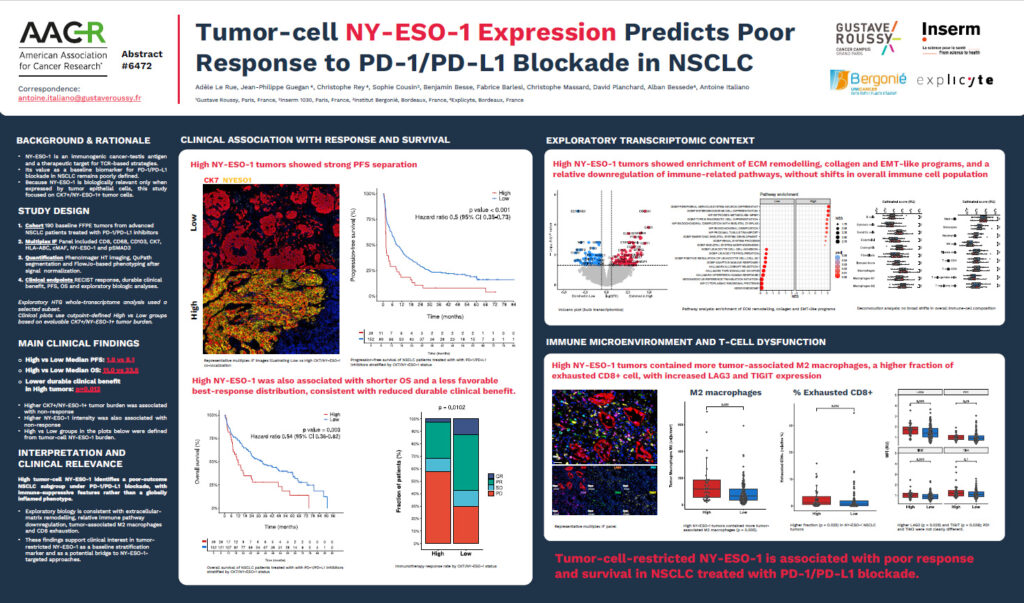
Background & rationale NY-ESO-1 is an immunogenic cancer-testis antigen and a therapeutic target for TCR-based strategies. Its value as a baseline biomarker for PD-1/PD-L1 blockade in NSCLC remains poorly defined. Because NY-ESO-1 is biologically relevant only when expressed by tumor epithelial cells, this study focused on CK7+/NY-ESO-1+ tumor cells. Study design Cohort 190 baseline FFPE […]
How ADORA2B drives metastasis in pleomorphic sarcoma — and why it’s a tractable target
CCR8 positive Tregs and Their Correlation with Immunotherapy Response in Advanced Non-Small Cell Lung Cancer (NSCLC)
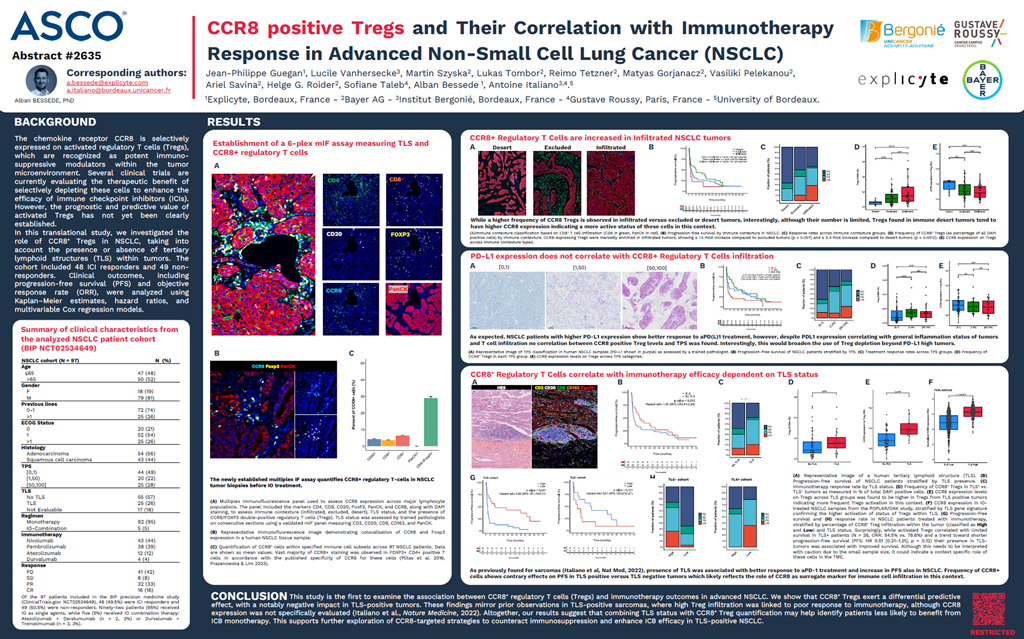
The chemokine receptor CCR8 is selectively expressed on activated regulatory T cells (Tregs), which are recognized as potent immunosuppressive modulators within the tumor microenvironment. Several clinical trials are currently evaluating the therapeutic benefit of selectively depleting these cells to enhance the efficacy of immune checkpoint inhibitors (ICIs). However, the prognostic and predictive value of activated […]
High grade serous ovarian cancer ascites exhibit an impaired immune environment – immunosuppressive & protumoral – detrimental to the immune response
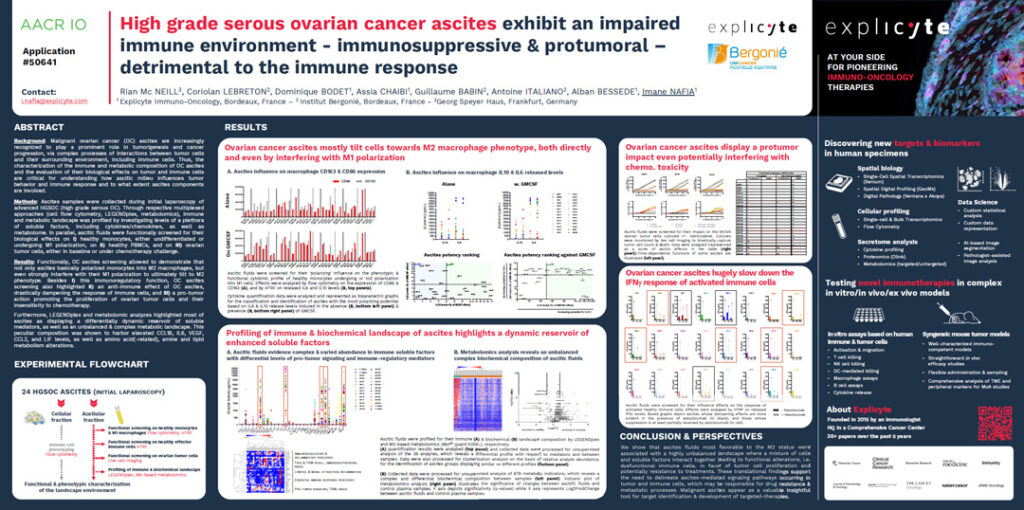
Background Malignant ovarian cancer ascites are increasingly recognized as major contributors to tumorigenesis and cancer progression. Ascites create a complex microenvironment where tumor cells interact with soluble mediators, metabolic factors, and immune cells. These interactions can influence tumor behavior, immune response, and treatment sensitivity. Characterizing the immune and metabolic composition of ovarian cancer ascites, together […]