
Efficacy and CRS profiling of bispecific T-cell engagers

Are you developing multispecifics? This case study walks through how we profile a bispecific T-cell engager end to end — efficacy, mechanism, and cytokine-release liability — using tarlatamab, a CD3×DLL3 engager for small-cell lung cancer, as the worked example. We start on DLL3-positive small-cell lung cancer cells (SHP77) against a DLL3-negative NSCLC control (A549), confirm […]
MaaT Pharma: Advancing a pipeline of novel microbiome therapies across oncology

A DC-mediated killing assay for cancer vaccines, oncolytic viruses, and immune adjuvants
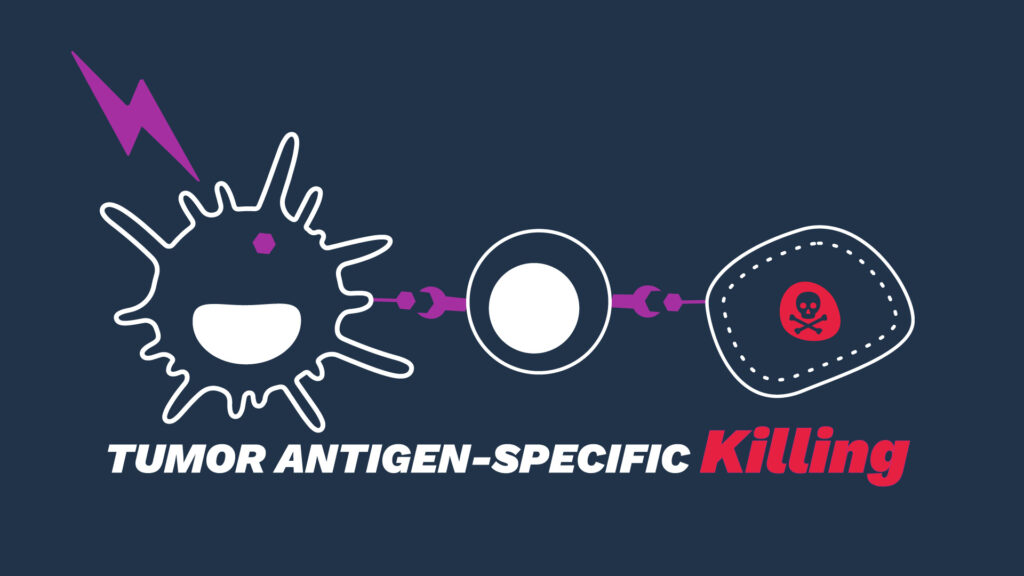
Over the past five years, Explicyte has supported cancer-immunotherapy programs built on inducing or enhancing a specific anti-tumor immune response. This case study covers our capacity for the advancement of cancer vaccines (peptide-, DC-, DNA-, or RNA-based), cytokine therapies, oncolytic virus–based therapies, immune modulators such as STING agonists, and immune adjuvants. Specific tumor antigen presentation: […]
Can a single gut bacterium rescue failing immunotherapy? F. prausnitzii strain EXL01 restores checkpoint-inhibitor response

Can a simple blood test predict who responds to immunotherapy? Circulating L-arginine tracks checkpoint-inhibitor survival

How fucoidan activates immune cells and independently stalls prostate cancer growth alongside Nivolumab

Multiparametric cytokine profiling across immune cell-based assay platforms

Cytokine release is a key functional readout for assessing immune cell activation, modulation, and effector function in immuno-oncology. While phenotypic analysis provides valuable information on immune cell identity and activation status, the measurement of cytokines released by immune cells offers a direct functional surrogate of their biological activity. Depending on the assay context, cytokine profiling […]
Functional evidence for an immunosuppressive role of kynurenine in cancer patients
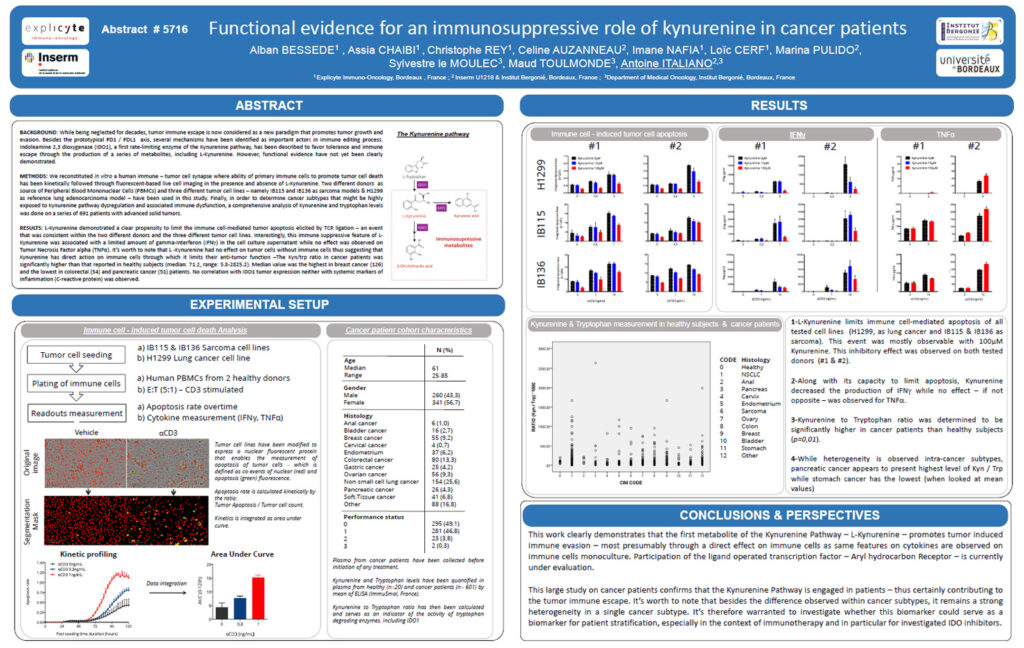
Background Long neglected, tumor immune escape is now considered a key mechanism promoting tumor growth and immune evasion. Beyond the prototypical PD1/PDL1 axis, several additional pathways have been identified as important contributors to the immune editing process. Indoleamine 2,3-dioxygenase 1, or IDO1, is a first rate-limiting enzyme of the kynurenine pathway. This pathway has been […]