
Tertiary Lymphoid Structures as Predictors of Immune Checkpoint Inhibitor Efficacy in NSCLC & the Development of an Ex Vivo Model for Precision Medicine
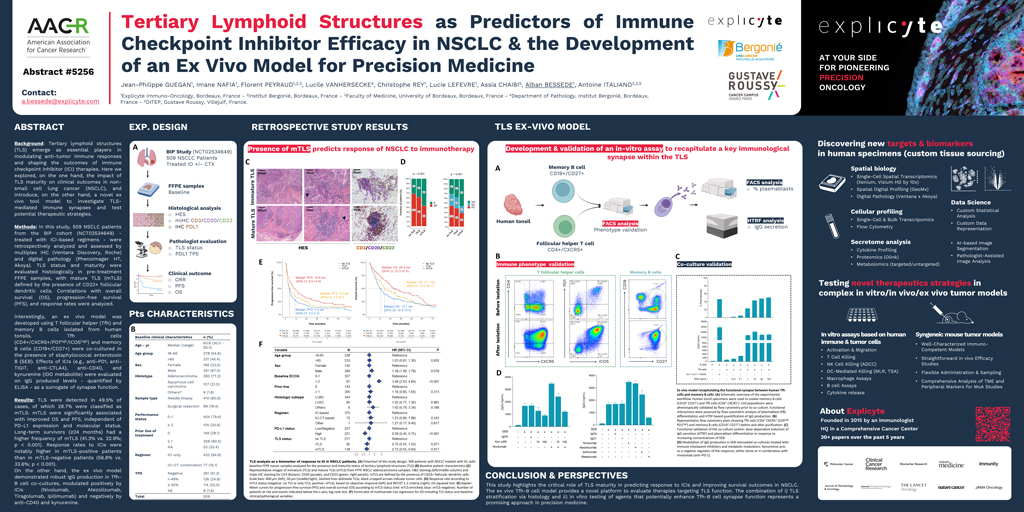
Tertiary lymphoid structures (TLS) emerge as essential players in modulating anti-tumor immune responses and shaping the outcomes of immune checkpoint inhibitor (ICI) therapies. Here we explored, on the one hand, the impact of TLS maturity on clinical outcomes in non-small cell lung cancer (NSCLC), and introduce, on the other hand, a novel ex vivo tool […]
High grade serous ovarian cancer ascites exhibit an impaired immune environment – immunosuppressive & protumoral – detrimental to the immune response
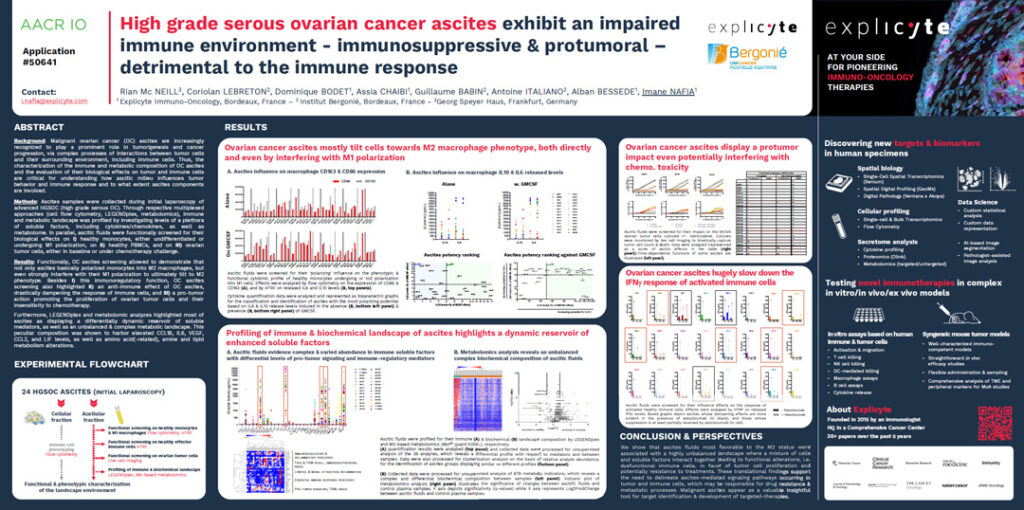
Background Malignant ovarian cancer ascites are increasingly recognized as major contributors to tumorigenesis and cancer progression. Ascites create a complex microenvironment where tumor cells interact with soluble mediators, metabolic factors, and immune cells. These interactions can influence tumor behavior, immune response, and treatment sensitivity. Characterizing the immune and metabolic composition of ovarian cancer ascites, together […]
Can a single gut bacterium rescue failing immunotherapy? F. prausnitzii strain EXL01 restores checkpoint-inhibitor response

Profiling of immune cell components and soluble factors in ovarian cancer ascites highlights impaired immune environment
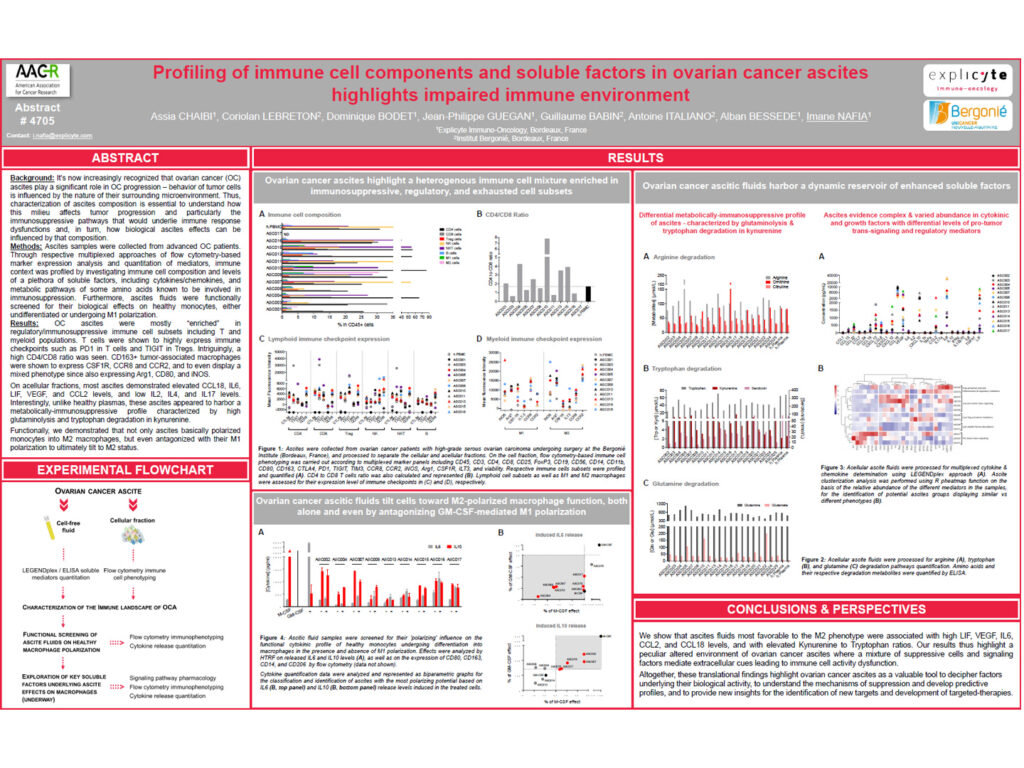
Background Ovarian cancer ascites are increasingly recognized as important contributors to ovarian cancer progression. The behavior of tumor cells is strongly influenced by the composition of their surrounding microenvironment. Characterizing the cellular and soluble composition of ascites is therefore essential to better understand how this specific milieu affects tumor progression. In particular, ascites may contribute […]
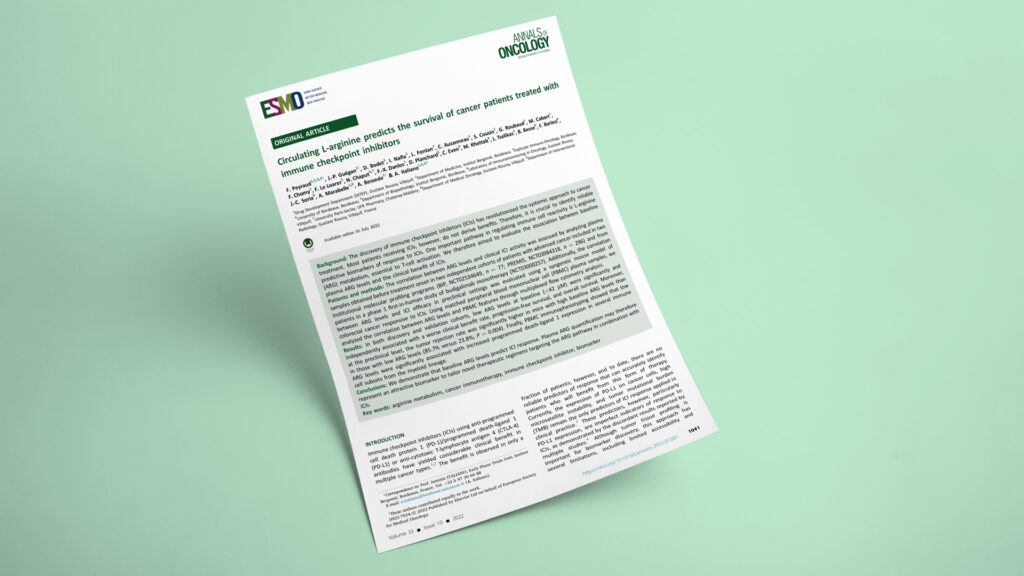
Can a simple blood test predict who responds to immunotherapy? Circulating L-arginine tracks checkpoint-inhibitor survival
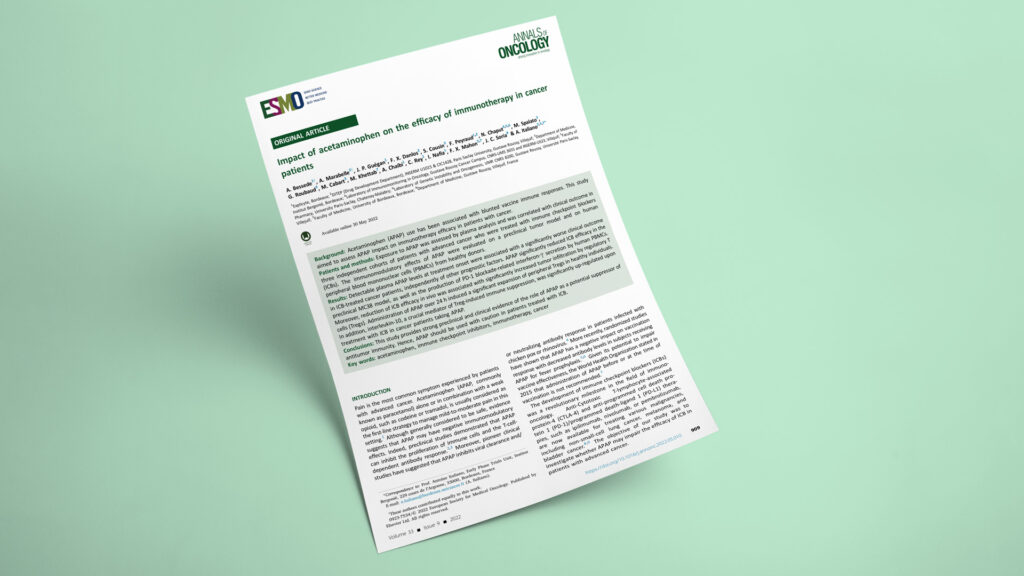
Does acetaminophen blunt cancer immunotherapy? Plasma evidence links paracetamol to worse checkpoint-inhibitor outcomes
Adenosine-mediated suppression of dendritic cell function

Dendritic cells are central regulators of anti-tumor immunity. By capturing antigens and stimulating T cell responses, they contribute to the initiation and amplification of adaptive immune responses against cancer cells. However, dendritic cell differentiation, maturation, and function are strongly influenced by their microenvironment. In cancer, the tumor microenvironment can accumulate high levels of immunosuppressive mediators, […]