Indoleamine 2,3-dioxygenase 1 is expressed in tertiary lymphoid structures and associated with improved outcome in patients with advanced non-small cell lung cancer treated with anti-PD1/PDL1 inhibitors
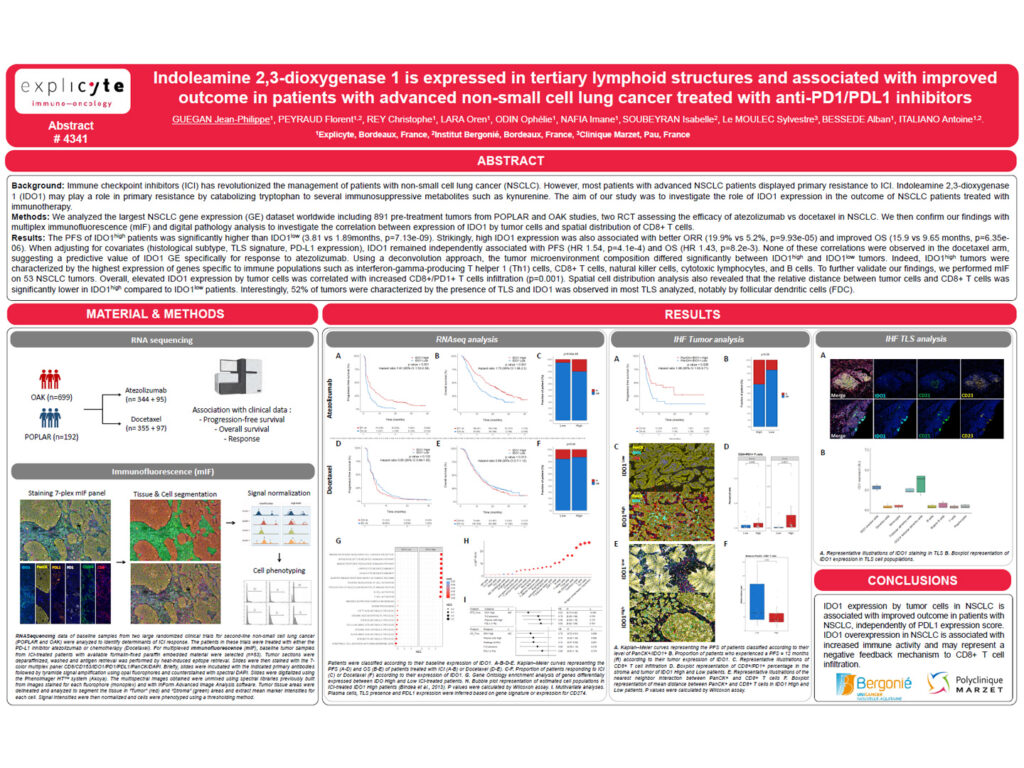
Background Immune checkpoint inhibitors have revolutionized the management of patients with non-small cell lung cancer. However, most patients with advanced NSCLC display primary resistance to these treatments. Indoleamine 2,3-dioxygenase 1, or IDO1, may contribute to immune regulation by catabolizing tryptophan into several immunosuppressive metabolites, including kynurenine. This study aimed to investigate the role of IDO1 […]
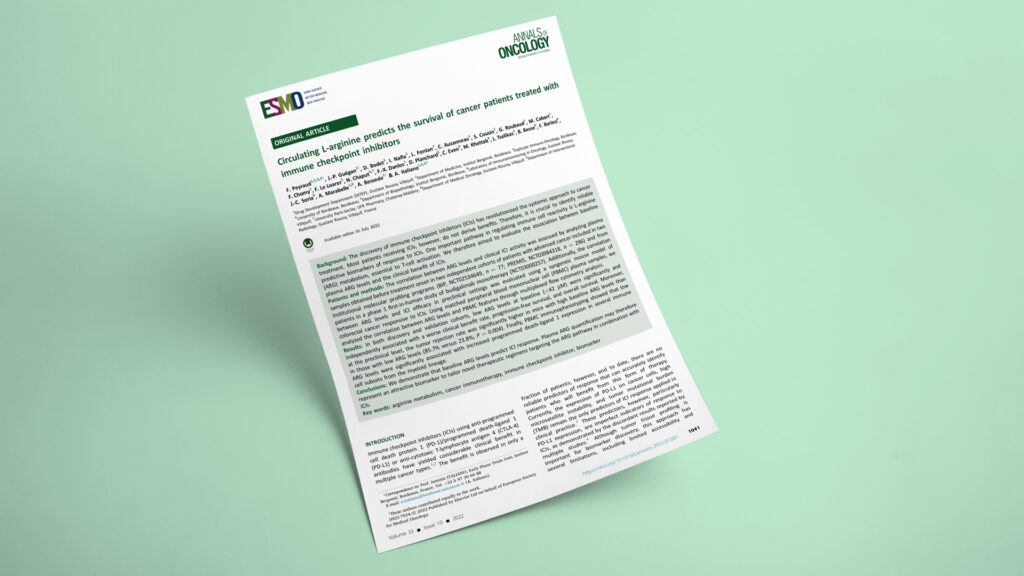
Can a simple blood test predict who responds to immunotherapy? Circulating L-arginine tracks checkpoint-inhibitor survival
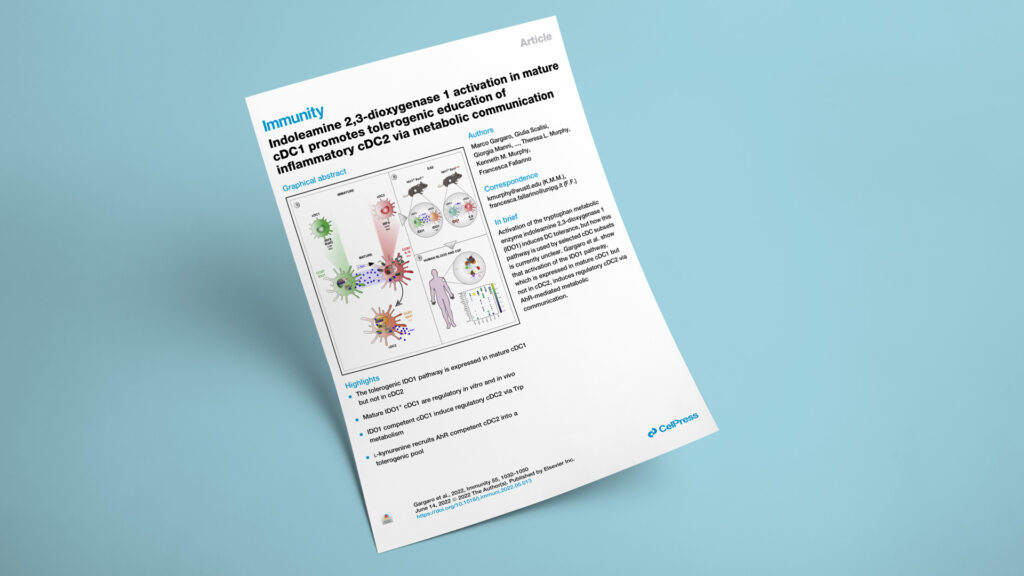
How tolerogenic cDC1 dendritic cells “educate” inflammatory cDC2 by exporting the tryptophan metabolite L-kynurenine
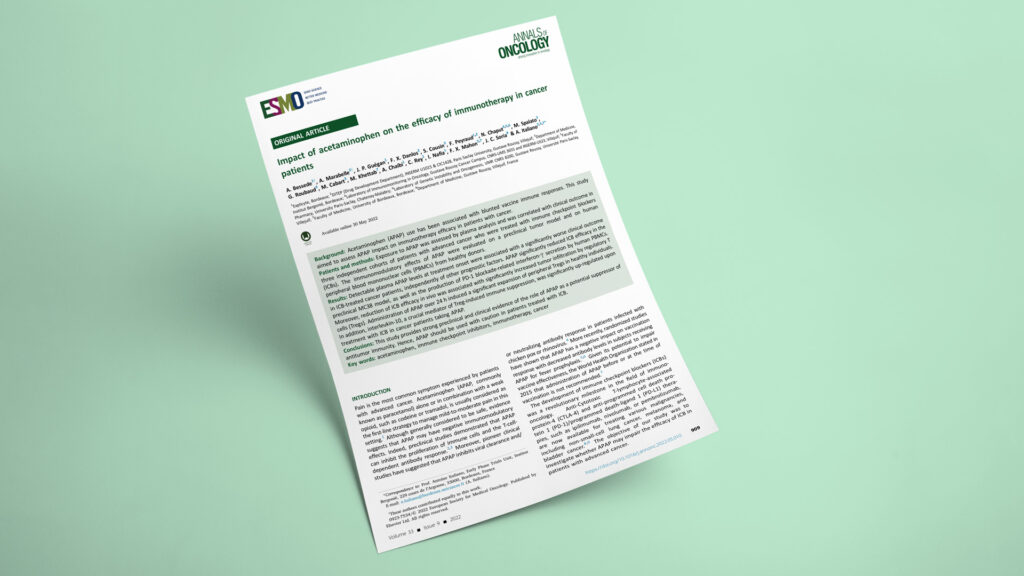
Does acetaminophen blunt cancer immunotherapy? Plasma evidence links paracetamol to worse checkpoint-inhibitor outcomes
Ovarian cancer ascites display altered immune environment featured by enhanced soluble factors and suppressive cellular context
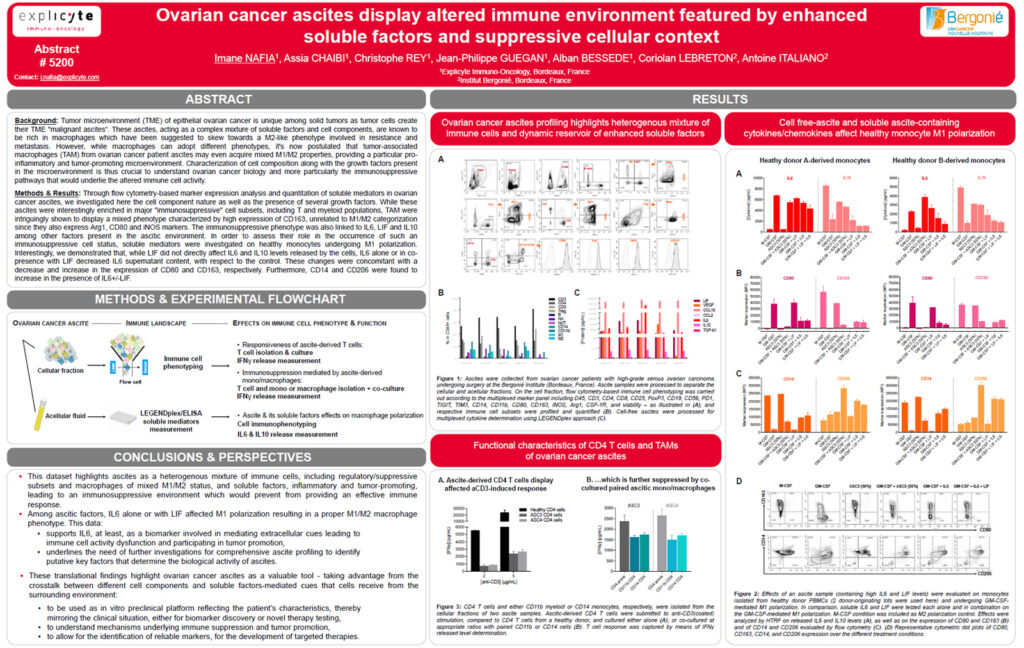
Background The tumor microenvironment of epithelial ovarian cancer is unique among solid tumors, as tumor cells can shape their own microenvironment through the formation of malignant ascites. These ascites represent a complex mixture of soluble factors and cellular components. They are known to be enriched in macrophages, which have been suggested to acquire an M2-like […]
Low plasma Arginine level is associated with resistance to immune checkpoint inhibitors in patients with advanced cancer
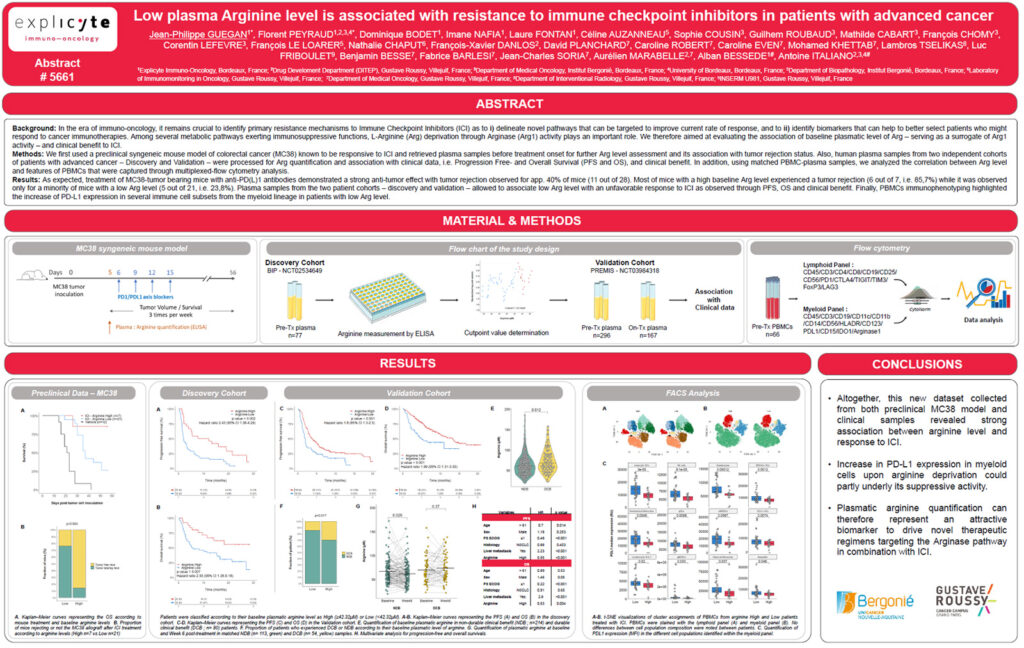
Background In the era of immuno-oncology, identifying primary resistance mechanisms to immune checkpoint inhibitors remains crucial. A better understanding of these mechanisms may help to identify novel pathways that can be targeted to improve response rates, as well as biomarkers that could support the selection of patients more likely to benefit from cancer immunotherapies. Among […]
High regulatory T cells infiltrate within tertiary lymphoid structure restricts response to immune checkpoint blockers in sarcomas
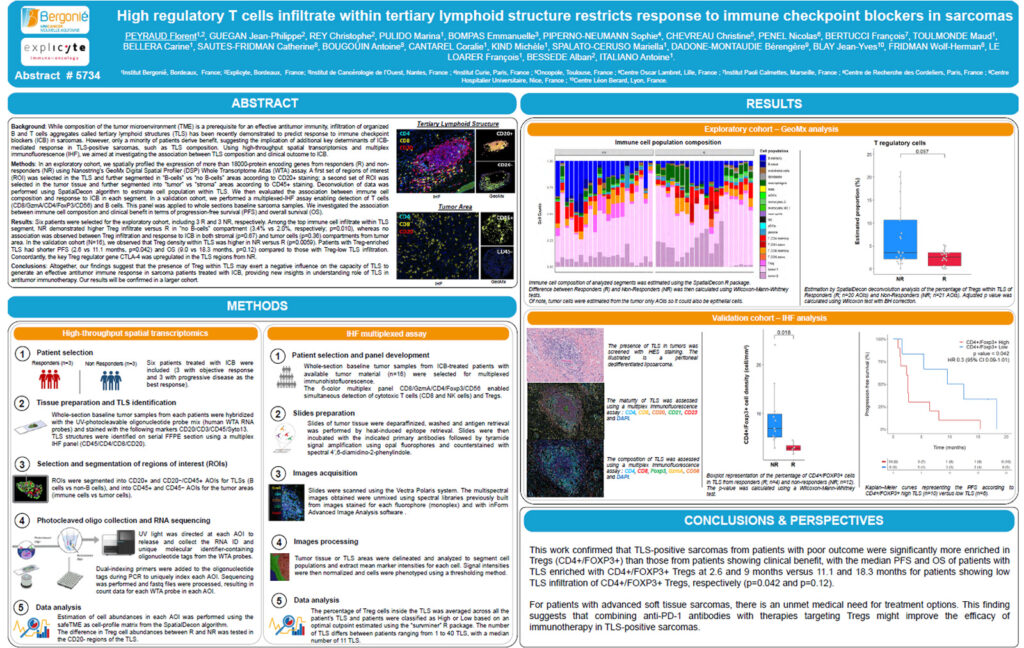
Background The composition of the tumor microenvironment is a key determinant of effective anti-tumor immunity. In sarcomas, the presence of organized B and T cell aggregates, known as tertiary lymphoid structures, has recently been shown to predict response to immune checkpoint blockers. However, only a minority of patients derive clinical benefit from immune checkpoint […]
Why intratumoral CD163+ macrophages predict anti-PD-1 resistance in non-small cell lung cancer
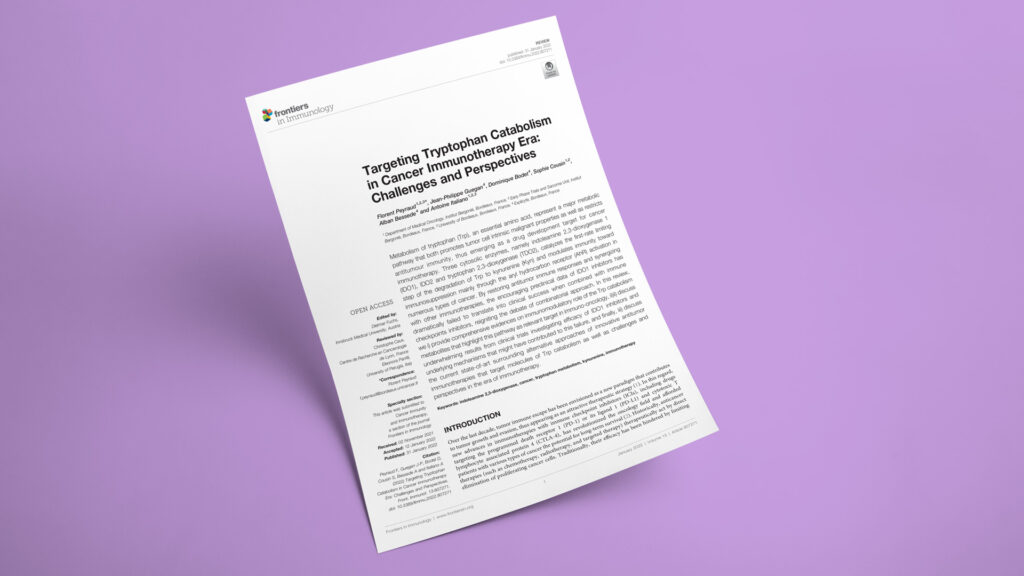
Why IDO1 inhibitors failed in the clinic — and what’s next for targeting tryptophan metabolism in cancer
Why IDO1 inhibitors fell short in cancer immunotherapy — and what comes next for tryptophan targeting