Efficacy and CRS profiling of bispecific T-cell engagers

Are you developing multispecifics? This case study walks through how we profile a bispecific T-cell engager end to end — efficacy, mechanism, and cytokine-release liability — using tarlatamab, a CD3×DLL3 engager for small-cell lung cancer, as the worked example. We start on DLL3-positive small-cell lung cancer cells (SHP77) against a DLL3-negative NSCLC control (A549), confirm […]
STAMP- Xenium for cytokine release syndrome analysis in PBMCs
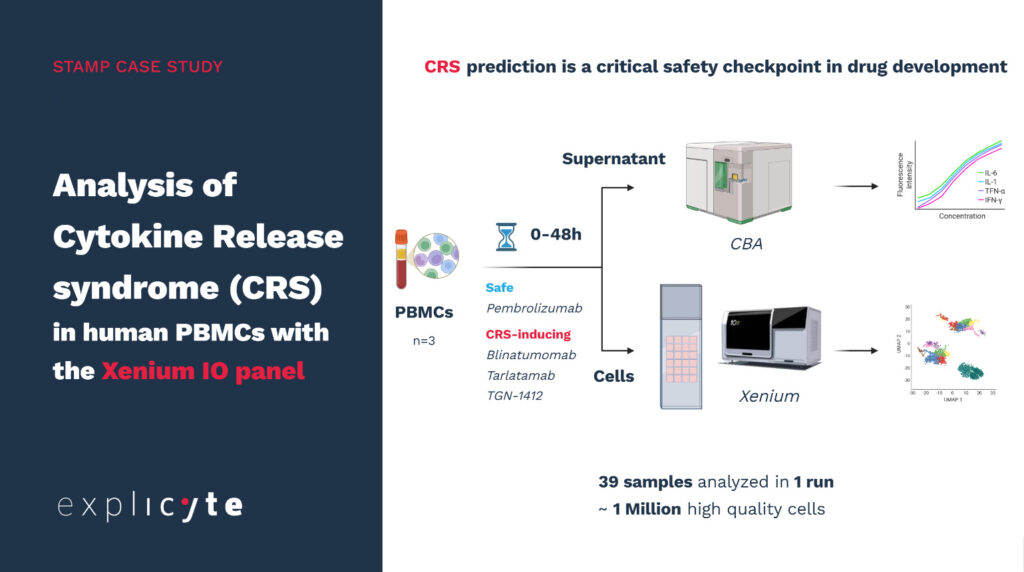
Presented at the 10x Genomics x Novartis Single-Cell & Spatial Day on June 18th 2026, this cytokine release syndrome study in human PBMCs combines Cytometric Bead Array (CBA)-based cytokine profiling and Xenium analysis with the IO panel. The take-home message: CBA + Xenium STAMP lets you know what is secreted, by which cells, and through […]
MaaT Pharma: Advancing a pipeline of novel microbiome therapies across oncology

Onward Therapeutics: Characterizing the mechanism of action of a bispecific antibody in a pre-IND setting

Tertiary Lymphoid Structures as Predictors of Immune Checkpoint Inhibitor Efficacy in NSCLC & the Development of an Ex Vivo Model for Precision Medicine
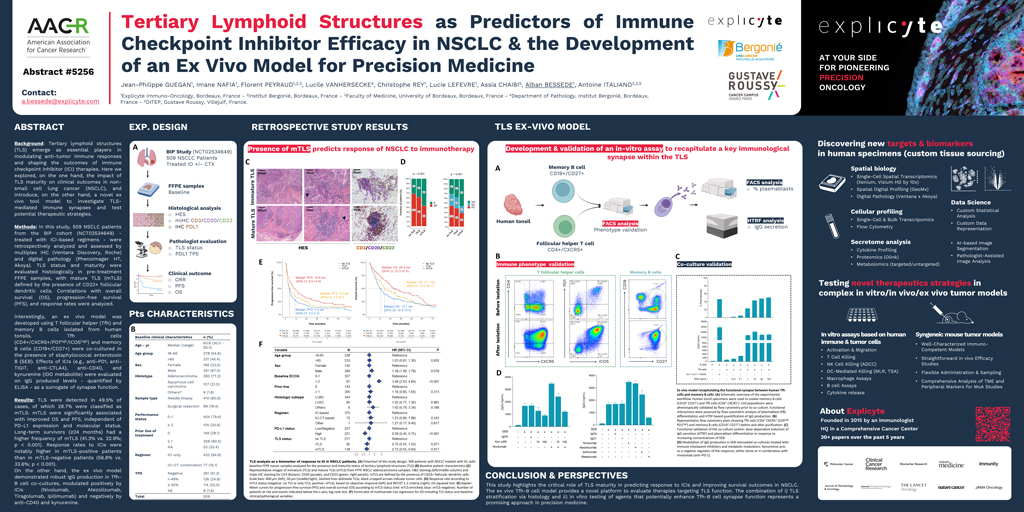
Tertiary lymphoid structures (TLS) emerge as essential players in modulating anti-tumor immune responses and shaping the outcomes of immune checkpoint inhibitor (ICI) therapies. Here we explored, on the one hand, the impact of TLS maturity on clinical outcomes in non-small cell lung cancer (NSCLC), and introduce, on the other hand, a novel ex vivo tool […]
High grade serous ovarian cancer ascites exhibit an impaired immune environment – immunosuppressive & protumoral – detrimental to the immune response
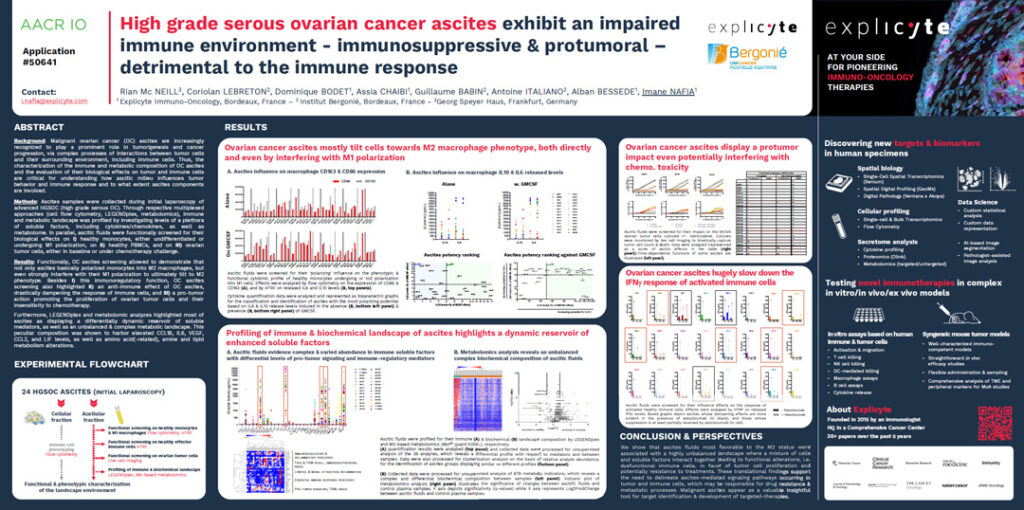
Background Malignant ovarian cancer ascites are increasingly recognized as major contributors to tumorigenesis and cancer progression. Ascites create a complex microenvironment where tumor cells interact with soluble mediators, metabolic factors, and immune cells. These interactions can influence tumor behavior, immune response, and treatment sensitivity. Characterizing the immune and metabolic composition of ovarian cancer ascites, together […]
Enhanced anti-tumor response to anti-angiogenic / hypoxia-regulating therapies in combination with immune checkpoint blockade in a murine model of renal carcinoma
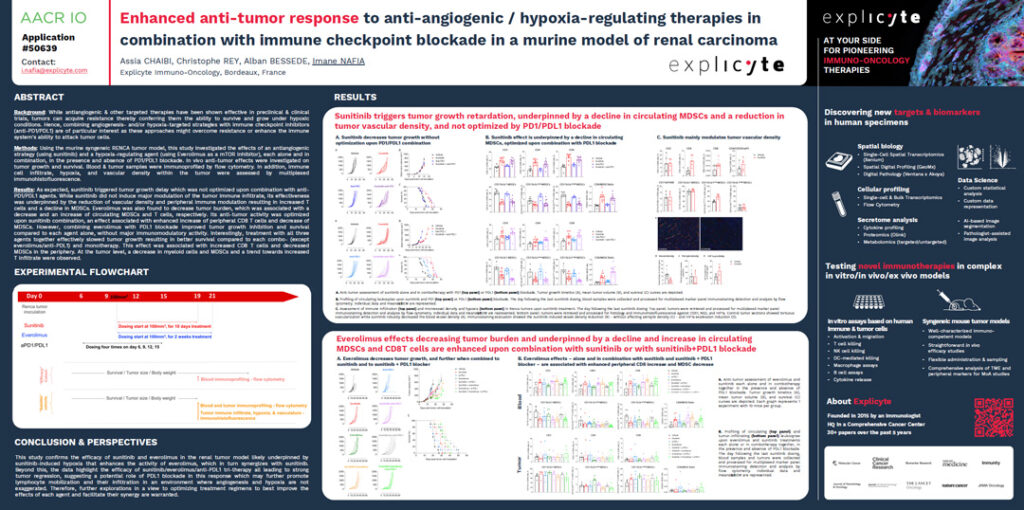
Background Antiangiogenic and other targeted therapies have shown efficacy in both preclinical and clinical settings. However, tumors can acquire resistance, allowing them to survive and grow under hypoxic conditions. In this context, combining angiogenesis- and/or hypoxia-targeted strategies with immune checkpoint inhibitors, such as anti-PD1 or anti-PDL1 antibodies, is of particular interest. These therapeutic combinations may […]
A DC-mediated killing assay for cancer vaccines, oncolytic viruses, and immune adjuvants
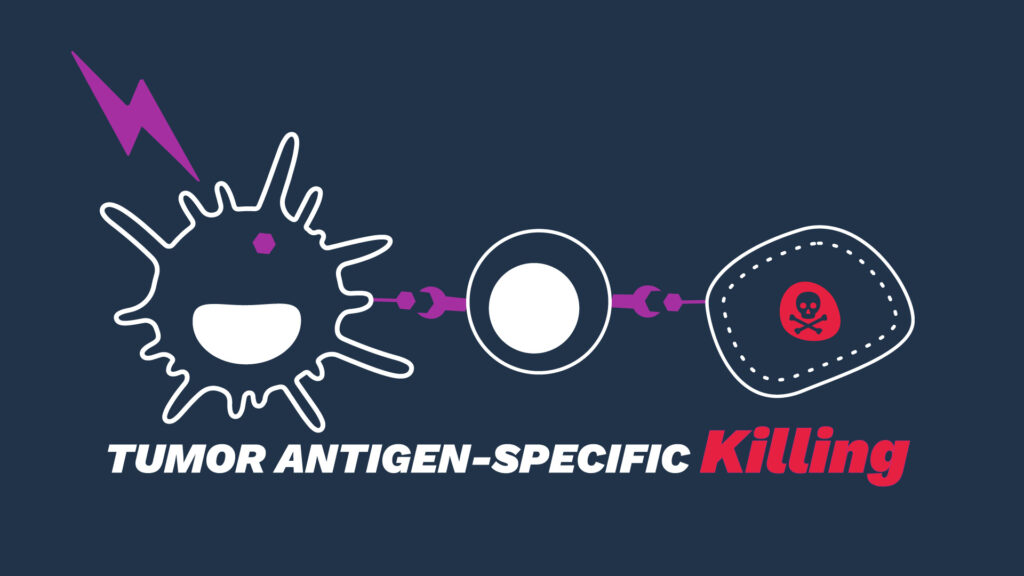
Over the past five years, Explicyte has supported cancer-immunotherapy programs built on inducing or enhancing a specific anti-tumor immune response. This case study covers our capacity for the advancement of cancer vaccines (peptide-, DC-, DNA-, or RNA-based), cytokine therapies, oncolytic virus–based therapies, immune modulators such as STING agonists, and immune adjuvants. Specific tumor antigen presentation: […]
Can a single gut bacterium rescue failing immunotherapy? F. prausnitzii strain EXL01 restores checkpoint-inhibitor response

Why IDO1 in inflamed TLS-positive lung tumors predicts immunotherapy response — and marks who might benefit from IDO1 inhibitors