Profiling of immune cell components and soluble factors in ovarian cancer ascites highlights impaired immune environment
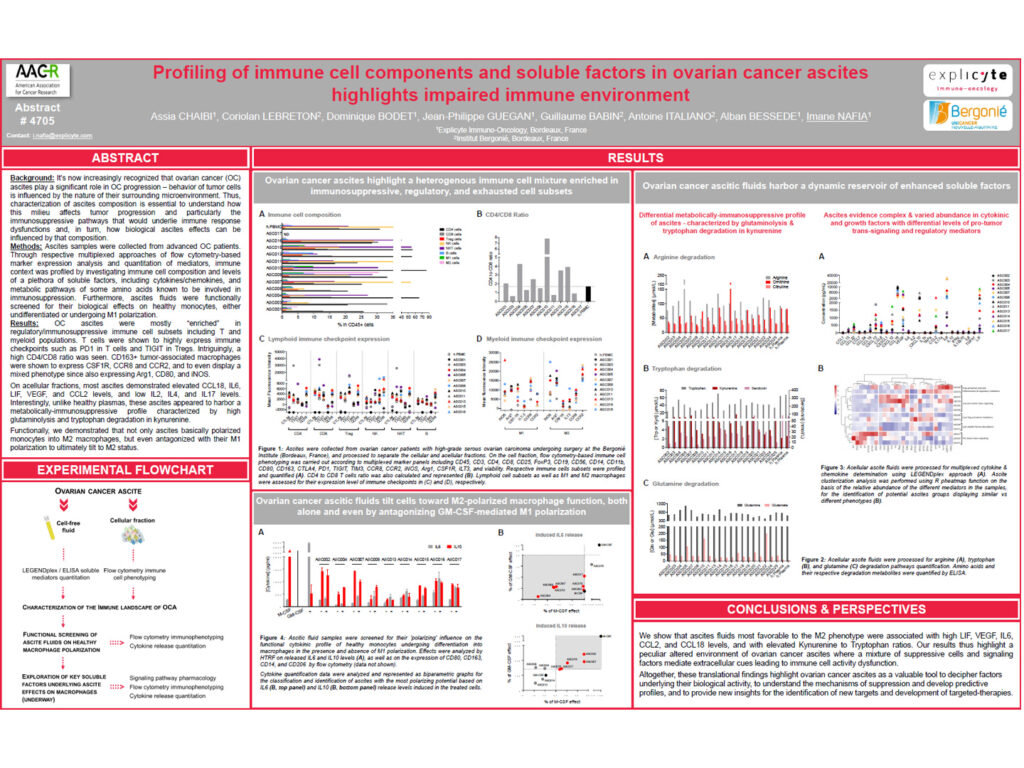
Background Ovarian cancer ascites are increasingly recognized as important contributors to ovarian cancer progression. The behavior of tumor cells is strongly influenced by the composition of their surrounding microenvironment. Characterizing the cellular and soluble composition of ascites is therefore essential to better understand how this specific milieu affects tumor progression. In particular, ascites may contribute […]
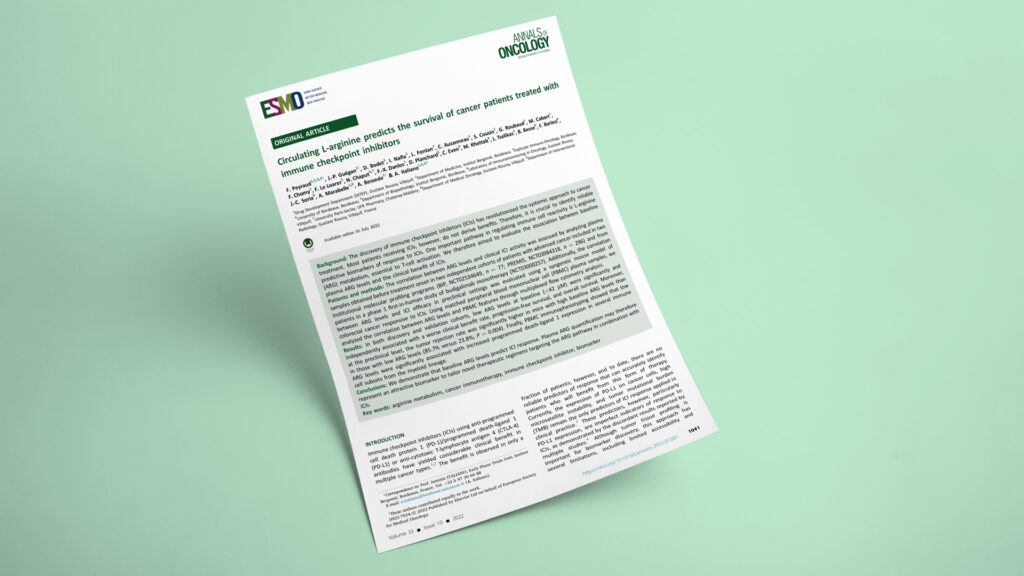
Can a simple blood test predict who responds to immunotherapy? Circulating L-arginine tracks checkpoint-inhibitor survival
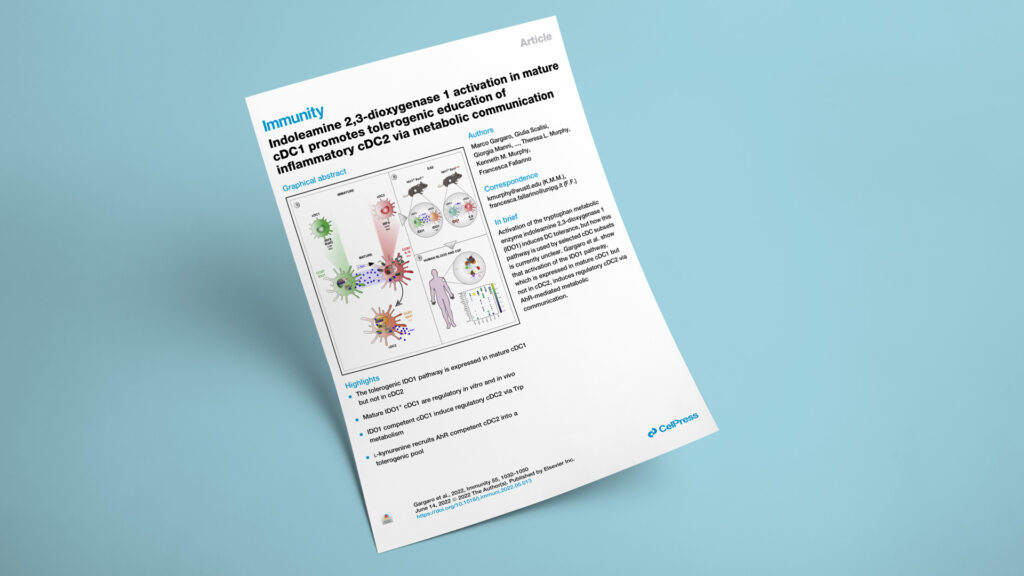
How tolerogenic cDC1 dendritic cells “educate” inflammatory cDC2 by exporting the tryptophan metabolite L-kynurenine
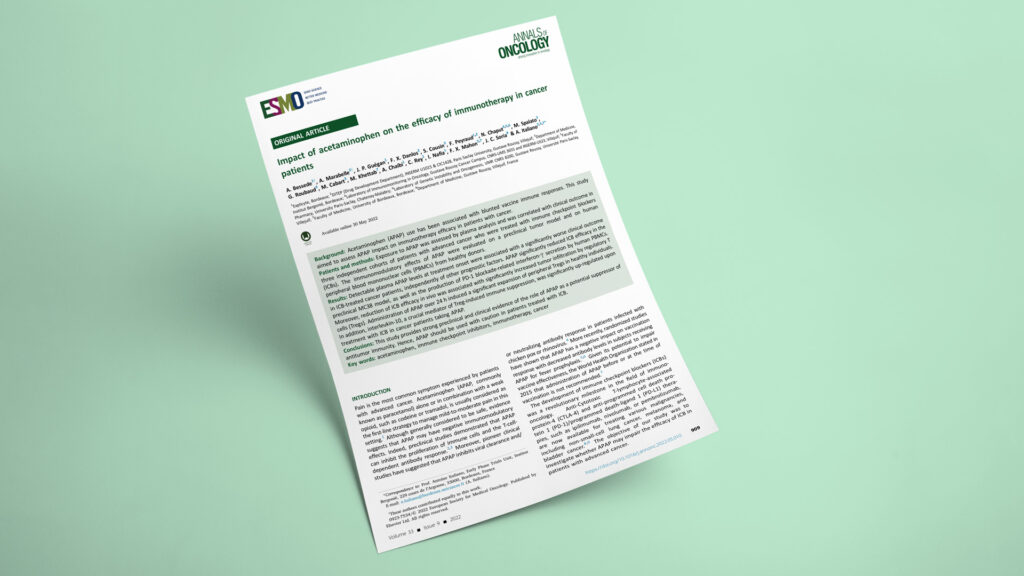
Does acetaminophen blunt cancer immunotherapy? Plasma evidence links paracetamol to worse checkpoint-inhibitor outcomes
Ovarian cancer ascites display altered immune environment featured by enhanced soluble factors and suppressive cellular context
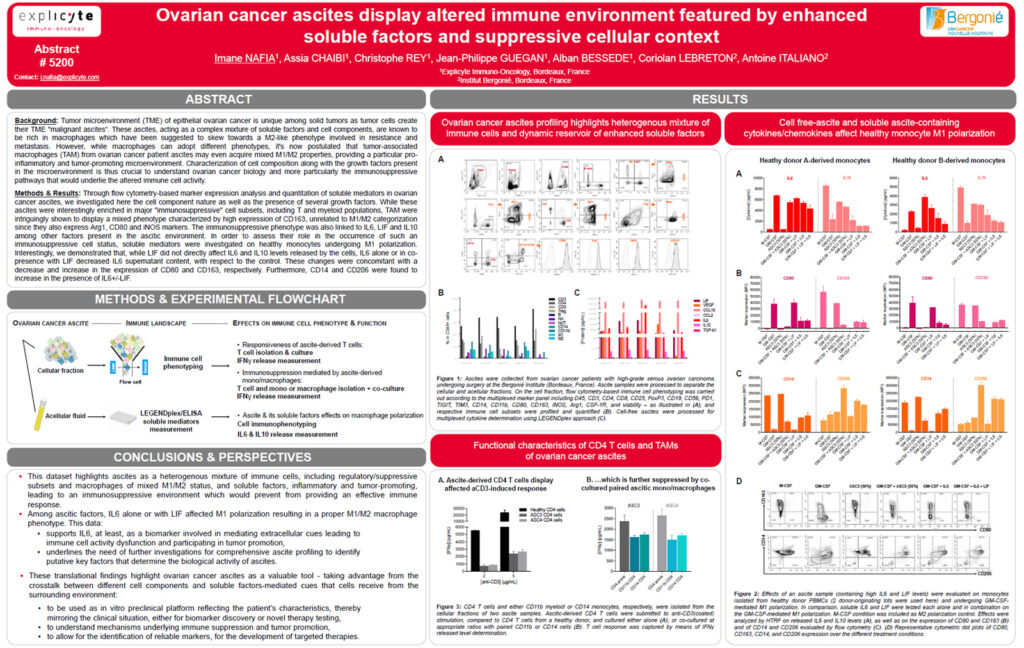
Background The tumor microenvironment of epithelial ovarian cancer is unique among solid tumors, as tumor cells can shape their own microenvironment through the formation of malignant ascites. These ascites represent a complex mixture of soluble factors and cellular components. They are known to be enriched in macrophages, which have been suggested to acquire an M2-like […]
Low plasma Arginine level is associated with resistance to immune checkpoint inhibitors in patients with advanced cancer
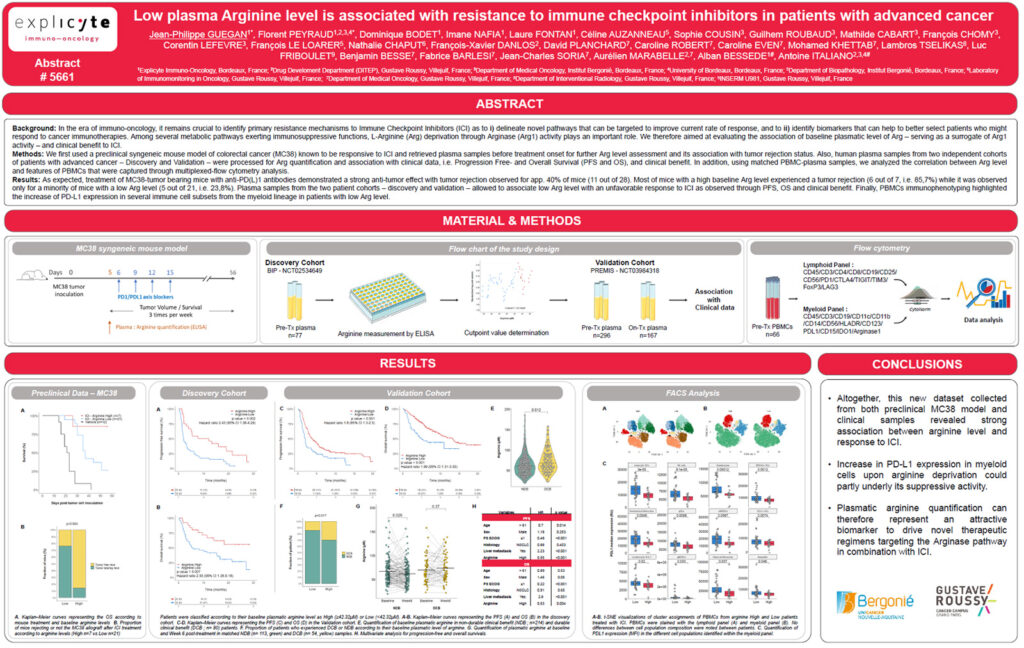
Background In the era of immuno-oncology, identifying primary resistance mechanisms to immune checkpoint inhibitors remains crucial. A better understanding of these mechanisms may help to identify novel pathways that can be targeted to improve response rates, as well as biomarkers that could support the selection of patients more likely to benefit from cancer immunotherapies. Among […]
Development and characterization of a novel anti-PD1 resistant sarcoma mouse model
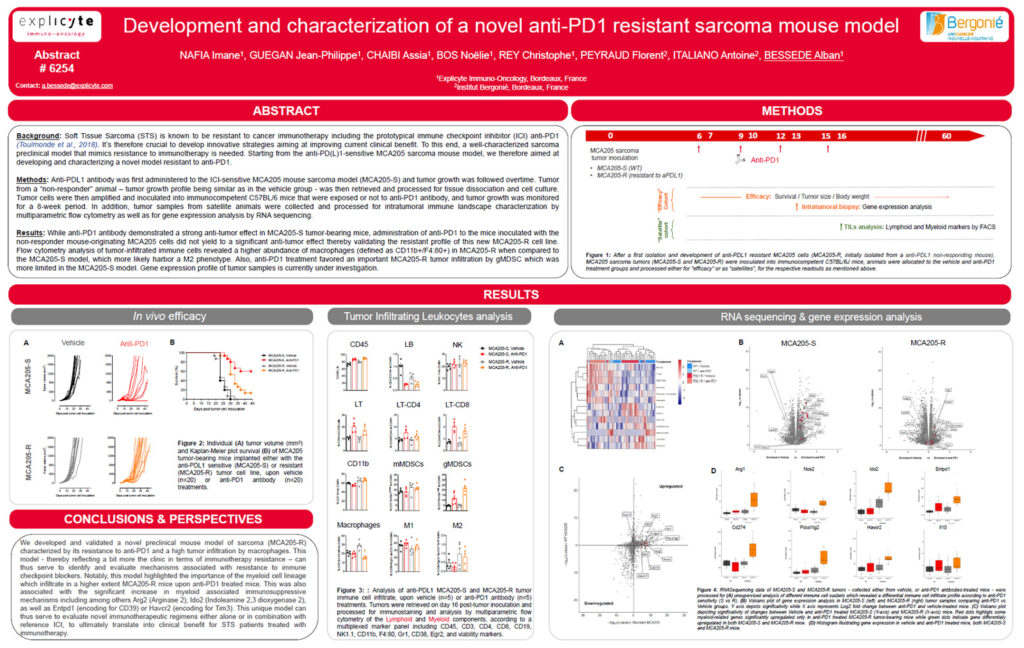
Soft tissue sarcoma (STS) is known to be resistant to cancer immunotherapy, including prototypical immune checkpoint inhibitors such as anti-PD1 antibodies. It is therefore crucial to develop innovative strategies aimed at improving current clinical benefit. To support this objective, well-characterized sarcoma preclinical models that mimic resistance to immunotherapy are needed. Starting from the anti-PD(L)1-sensitive MCA205 […]
How fucoidan activates immune cells and independently stalls prostate cancer growth alongside Nivolumab
Adenosine-mediated suppression of dendritic cell function

Dendritic cells are central regulators of anti-tumor immunity. By capturing antigens and stimulating T cell responses, they contribute to the initiation and amplification of adaptive immune responses against cancer cells. However, dendritic cell differentiation, maturation, and function are strongly influenced by their microenvironment. In cancer, the tumor microenvironment can accumulate high levels of immunosuppressive mediators, […]
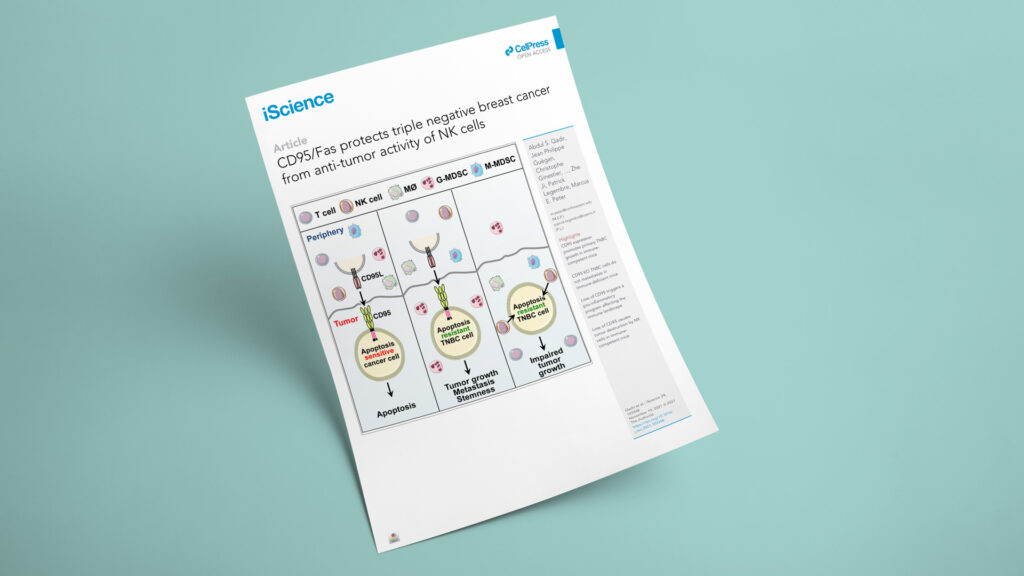
How CD95/Fas helps triple-negative breast cancer escape NK-cell control in preclinical models