
Comprehensive assessment of anti-tumor PDL1 blockade effect in a sarcoma mouse model
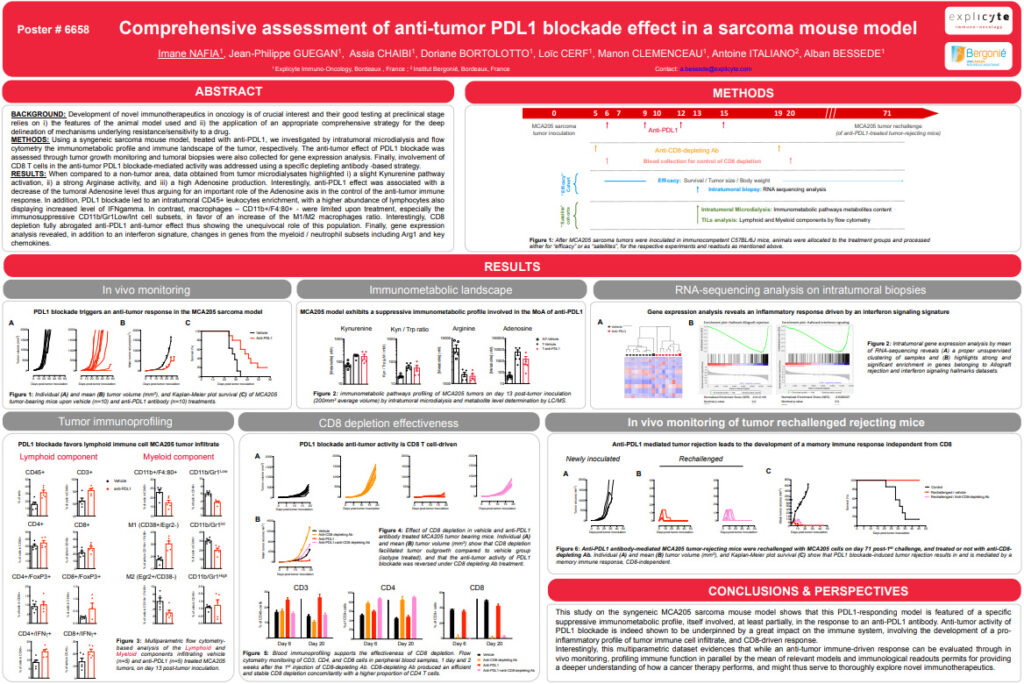
Background Development of novel immunotherapeutics in oncology is of major interest. Their preclinical evaluation relies on two key elements: the relevance of the animal model used and the implementation of a comprehensive strategy to deeply characterize the mechanisms underlying drug resistance or sensitivity. Methods Using a syngeneic sarcoma mouse model treated with anti-PD-L1, we investigated […]
Anti-angiogenic therapy combination with hypoxia-regulating agent leads to improved tumor regression in a murine model of renal carcinoma
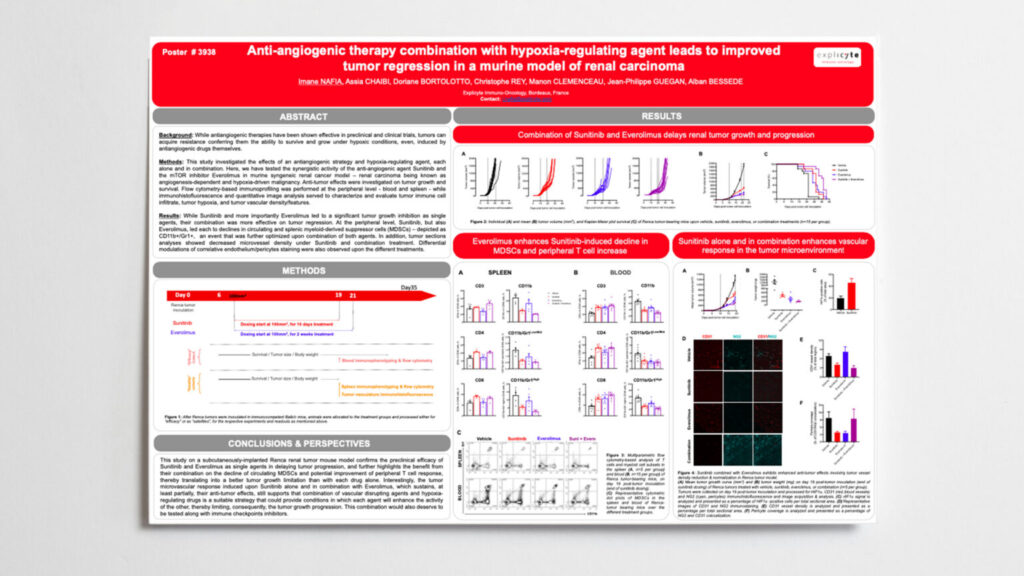
Background While antiangiogenic therapies have been shown effective in preclinical and clinical trials, tumors can acquire resistance conferring them the ability to survive and grow under hypoxic conditions, even, induced by antiangiogenic drugs themselves. Methods This study investigated the effects of an antiangiogenic strategy and hypoxia-regulating agent, each alone and in combination. Here, we have […]
Multiparametric cytokine profiling across immune cell-based assay platforms

Cytokine release is a key functional readout for assessing immune cell activation, modulation, and effector function in immuno-oncology. While phenotypic analysis provides valuable information on immune cell identity and activation status, the measurement of cytokines released by immune cells offers a direct functional surrogate of their biological activity. Depending on the assay context, cytokine profiling […]
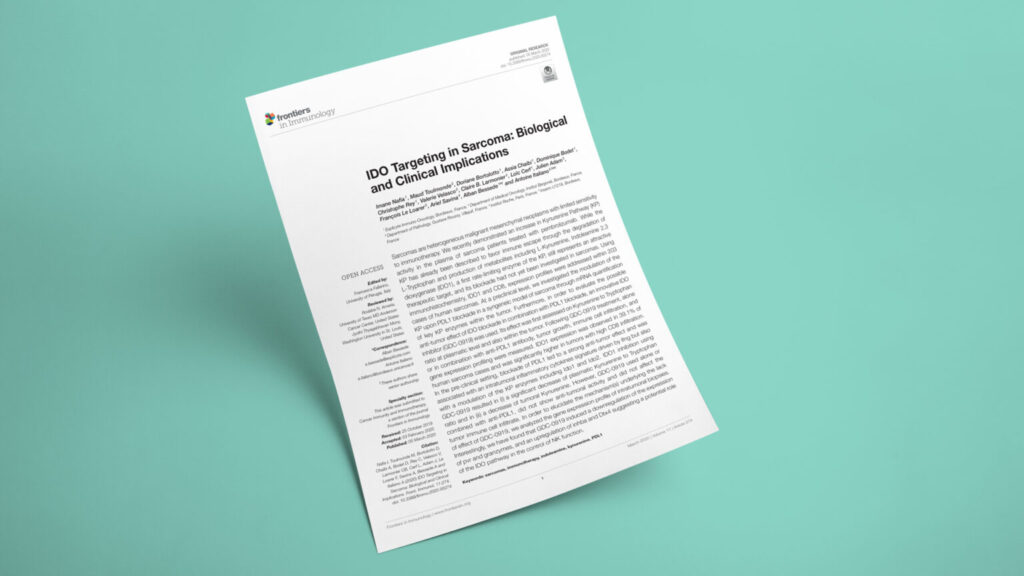
Why IDO1 blockade lowered kynurenine but failed to improve anti-PDL1 efficacy in sarcoma
Evaluation of ADCC activity using primary NK cells and SKOV3 ovarian tumor cells
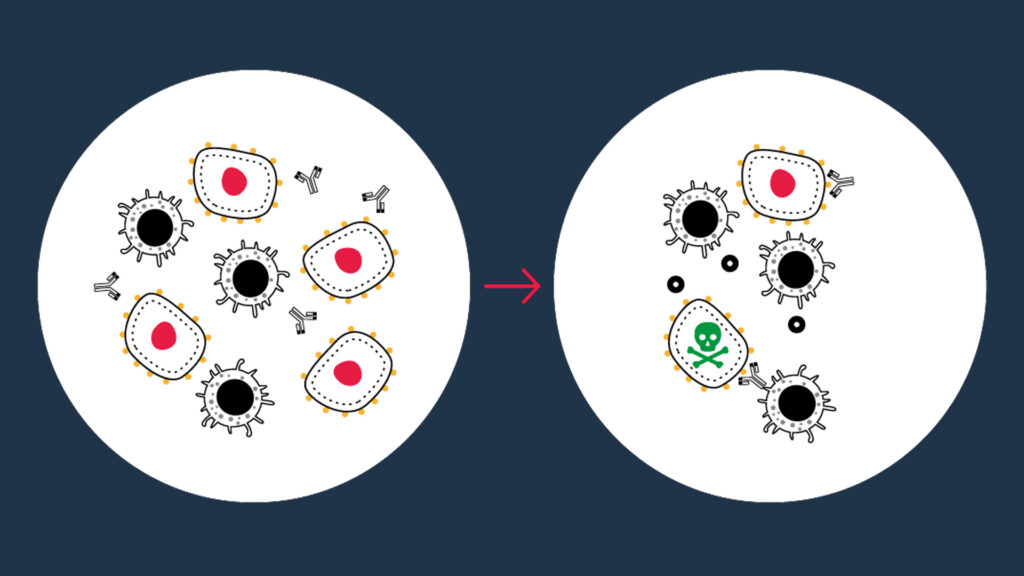
Antibody-dependent cell-mediated cytotoxicity, or ADCC, is a key immune mechanism by which antibody-coated target cells are recognized and eliminated by immune effector cells. Several cells of the innate immune system, including natural killer cells and granulocytes, express CD16, a low-affinity Fc receptor for immunoglobulins. Upon binding to the Fc region of antibodies attached to target […]
The Kynurenine Pathway as a possible resistance mechanism to immunotherapy in sarcomas
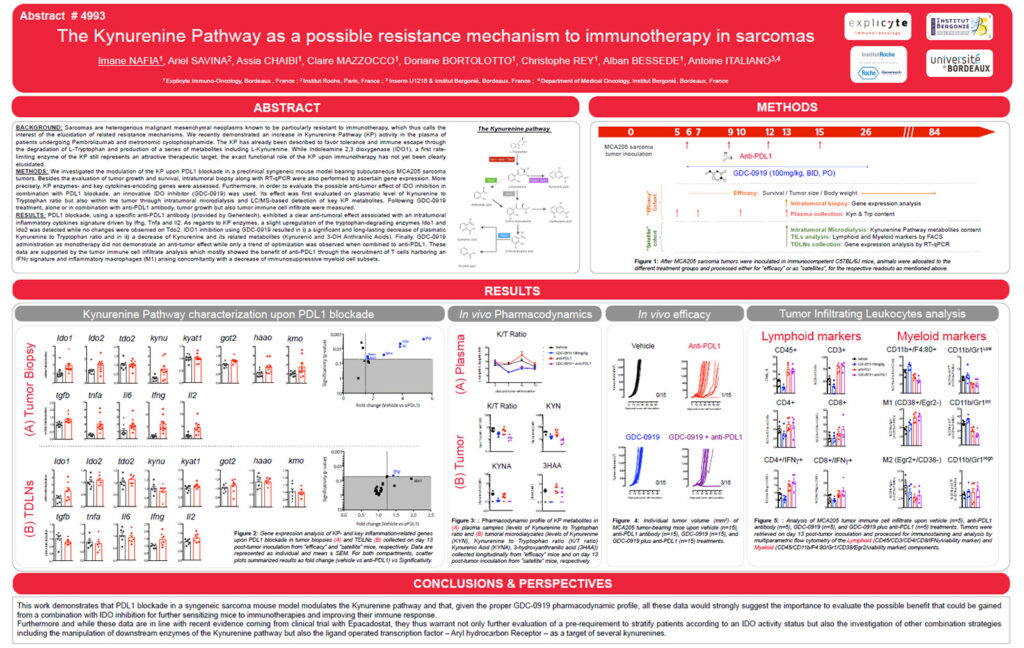
Background Sarcomas are heterogeneous malignant mesenchymal tumors known to be particularly resistant to immunotherapy. This resistance highlights the need to better understand the biological mechanisms limiting response to immune checkpoint inhibitors. We previously observed increased activity of the kynurenine pathway in the plasma of patients treated with pembrolizumab and metronomic cyclophosphamide. The kynurenine pathway is […]
Functional evaluation of neutrophil migration toward tumor-associated chemoattractants
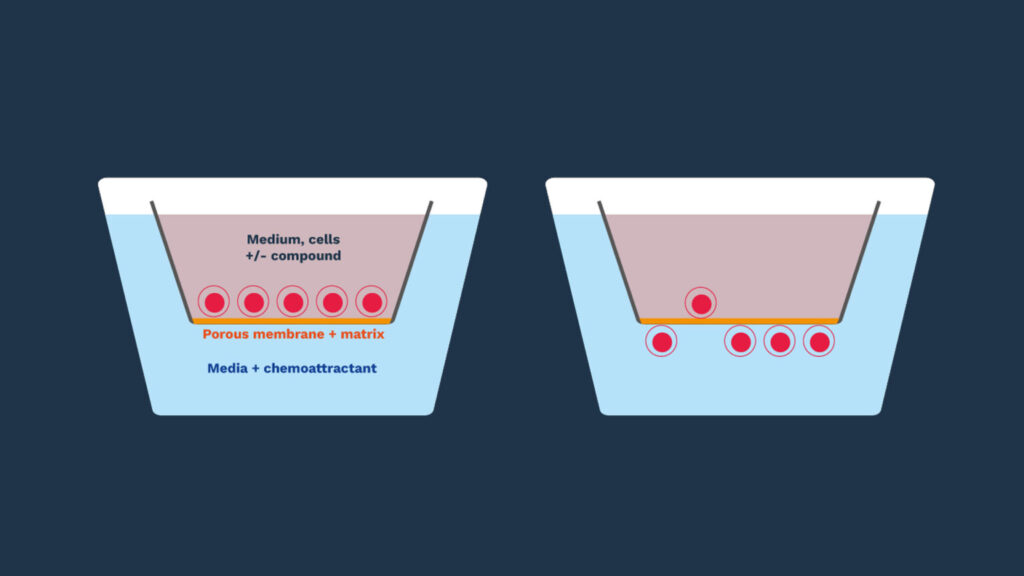
Neutrophils are increasingly recognized as important contributors to the tumor microenvironment. Beyond their antimicrobial functions, tumor-associated neutrophils can infiltrate several tumor types and have been associated with poor clinical outcome. Their recruitment is driven by key chemokines produced by tumor cells or by the surrounding microenvironment, including CXCL8/IL-8 and CXCL1. By promoting the recruitment of […]
Functional evidence for an immunosuppressive role of kynurenine in cancer patients
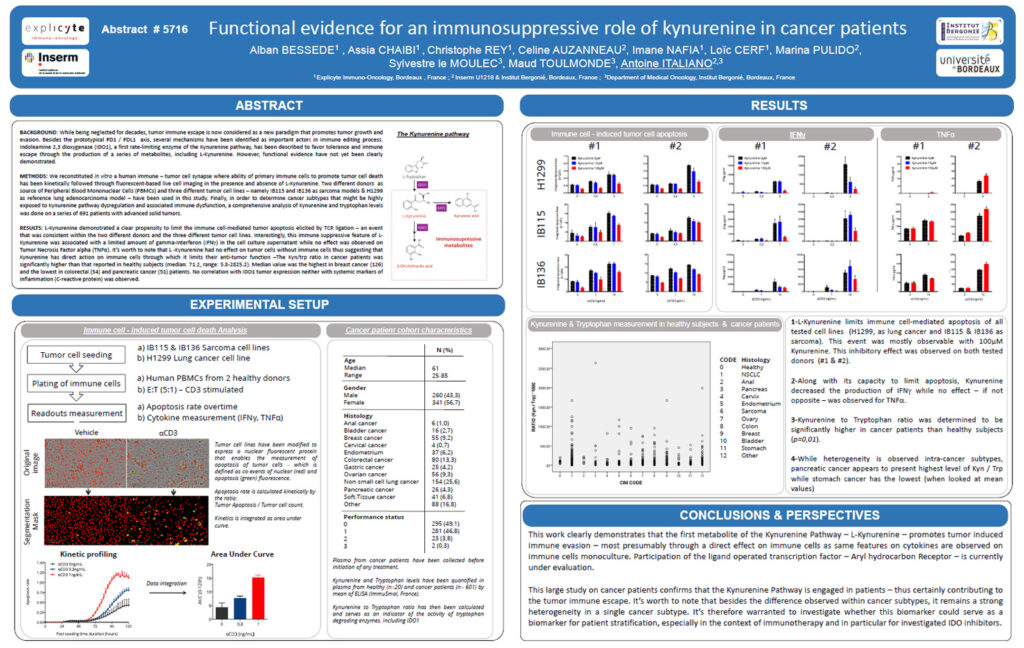
Background Long neglected, tumor immune escape is now considered a key mechanism promoting tumor growth and immune evasion. Beyond the prototypical PD1/PDL1 axis, several additional pathways have been identified as important contributors to the immune editing process. Indoleamine 2,3-dioxygenase 1, or IDO1, is a first rate-limiting enzyme of the kynurenine pathway. This pathway has been […]
Immune Cell-Mediated Killing of H1299 Lung Cancer Cells Following Anti-CD3 Activation
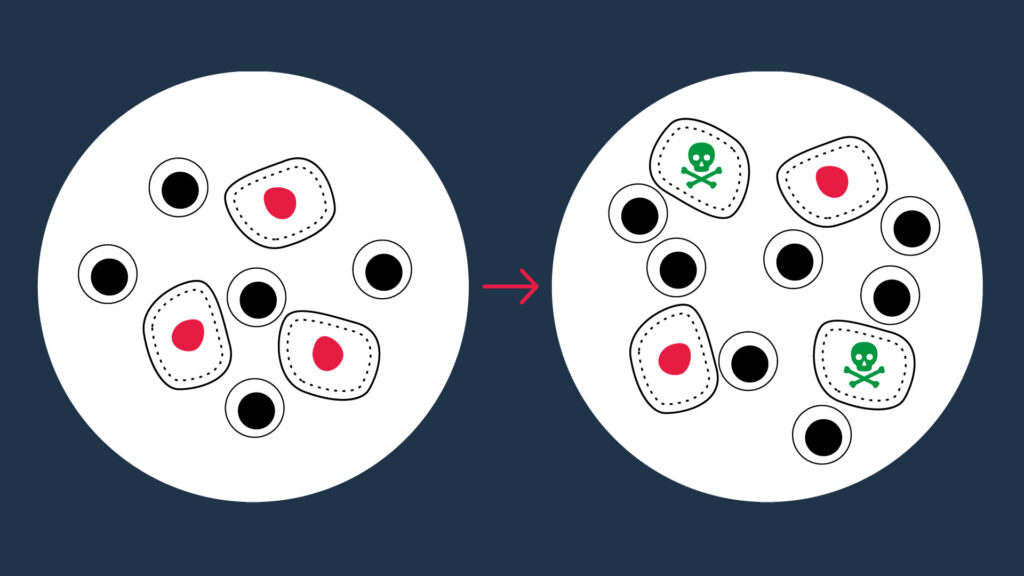
The initiation of an anti-tumor immune response and the subsequent elimination of cancer cells are central mechanisms of cancer immunosurveillance. In immuno-oncology drug development, one key objective is to enhance the ability of immune effector cells to recognize, engage, and eliminate tumor cells. In this context, in vitro immune cell-mediated killing assays provide a highly […]