
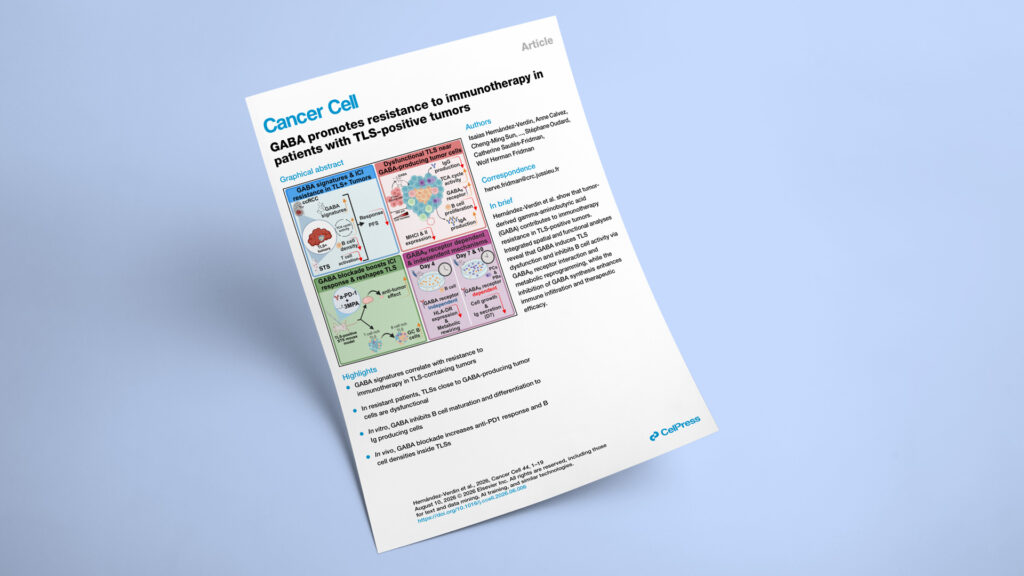
How tumor-derived GABA disables tumor TLSs and drives anti-PD-1 resistance in cancer
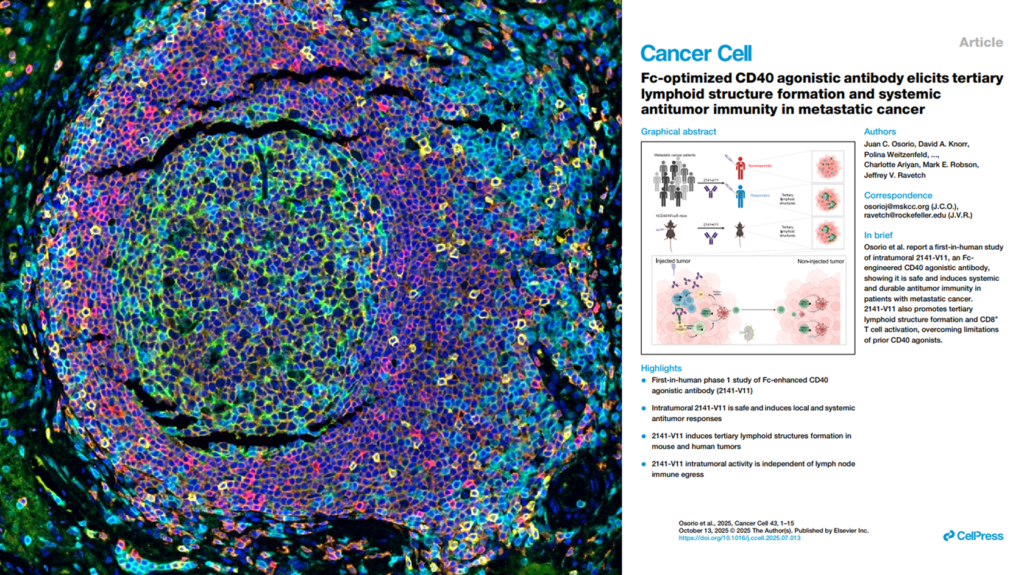
How an engineered CD40 antibody, injected into tumors, builds the immune structures that drive whole-body cancer responses
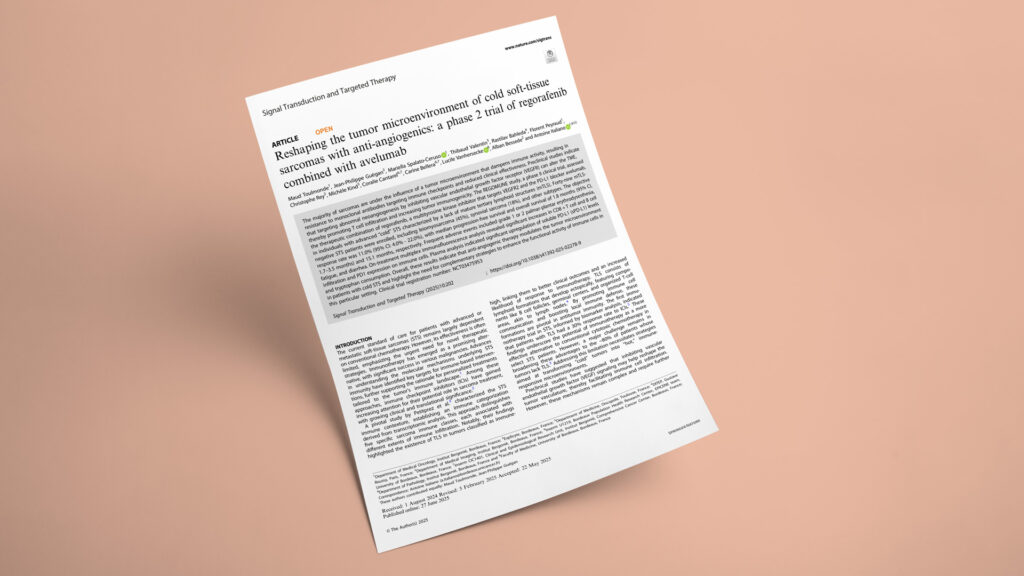
How regorafenib plus avelumab reshapes the immune microenvironment of “cold” soft-tissue sarcomas — and why response stays elusive
CCR8 positive Tregs and Their Correlation with Immunotherapy Response in Advanced Non-Small Cell Lung Cancer (NSCLC)
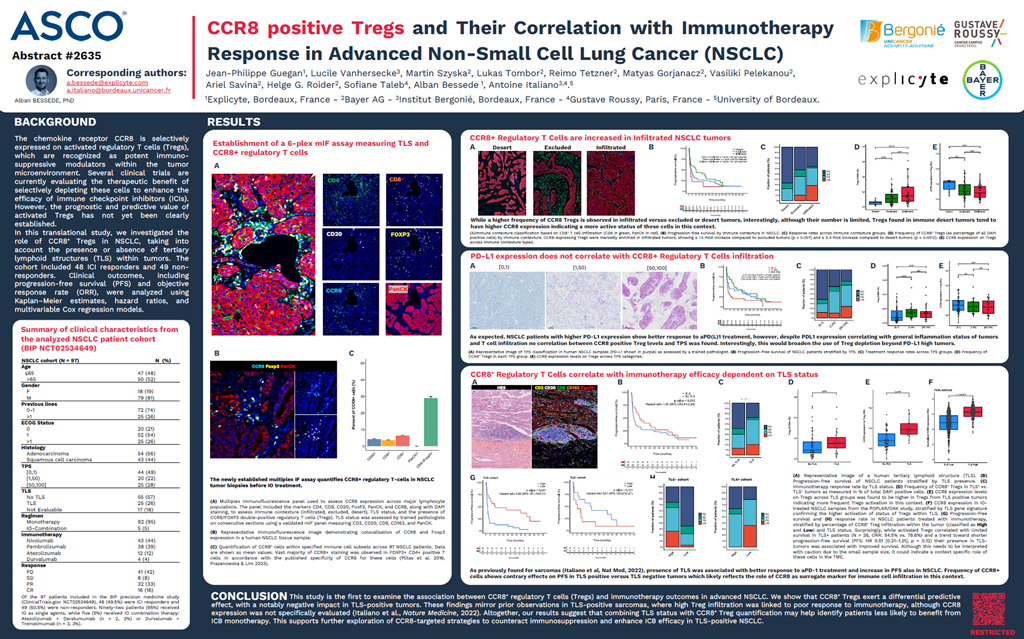
The chemokine receptor CCR8 is selectively expressed on activated regulatory T cells (Tregs), which are recognized as potent immunosuppressive modulators within the tumor microenvironment. Several clinical trials are currently evaluating the therapeutic benefit of selectively depleting these cells to enhance the efficacy of immune checkpoint inhibitors (ICIs). However, the prognostic and predictive value of activated […]
Impact of Immune Contexture on Immunotherapy Response in NSCLC: Insights from Multiplex IHC and Machine Learning-Based Phenotyping
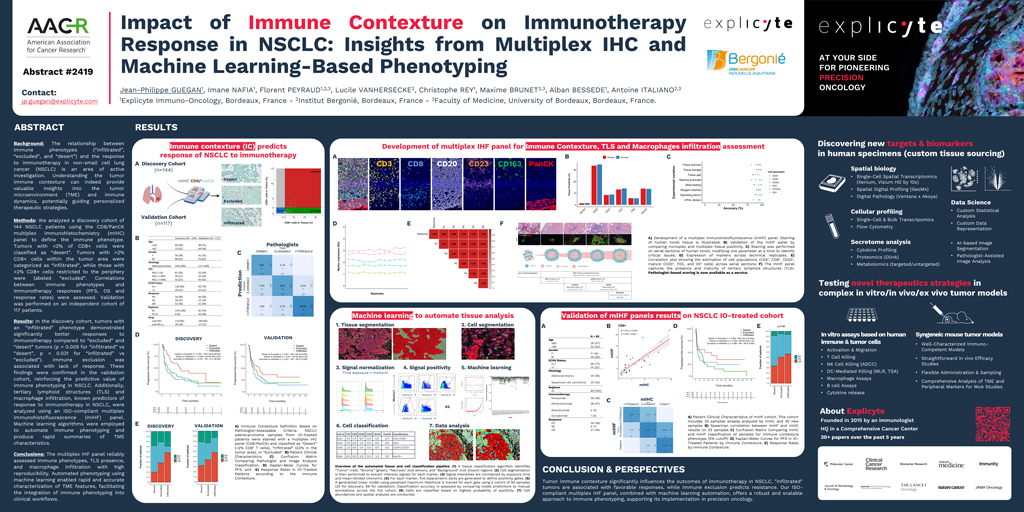
Predicting which NSCLC patients will benefit from immunotherapy requires more than measuring a single biomarker. Our previous work has helped show that key spatial features of the tumor microenvironment—such as mature tertiary lymphoid structures (Nature Cancer, 2021; Cell Reports Medicine, 2025) and macrophage infiltration within the tumor compartment (Journal for ImmunoTherapy of Cancer, 2022)—are closely associated with treatment outcome. Building […]
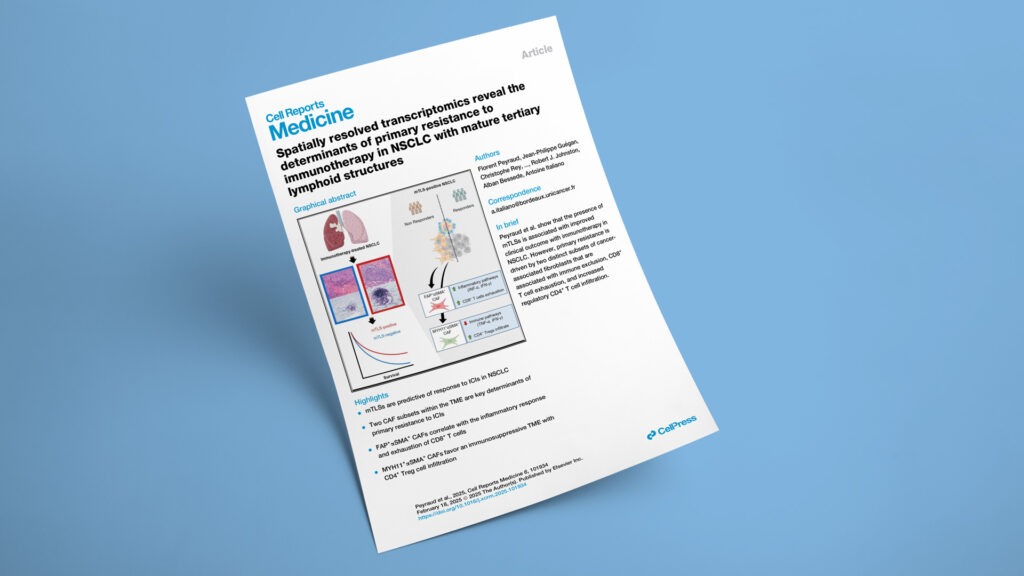
Why do some mature-TLS lung cancers resist immunotherapy? Two CAF subsets that drive primary resistance in NSCLC
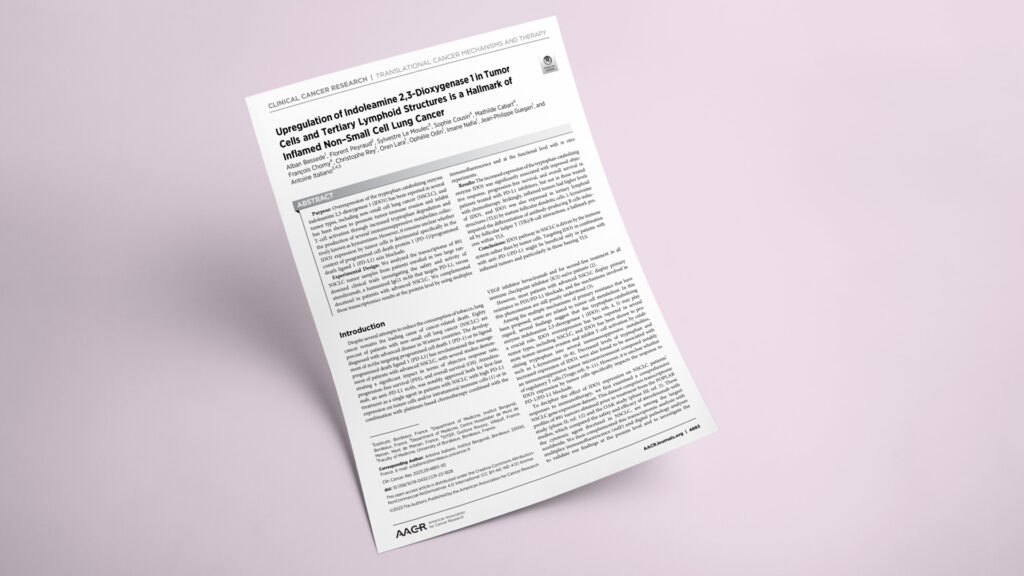
Why IDO1 in inflamed TLS-positive lung tumors predicts immunotherapy response — and marks who might benefit from IDO1 inhibitors
TROP2 expression and response to immune checkpoint inhibition in patients with advanced non-small cell lung cancer
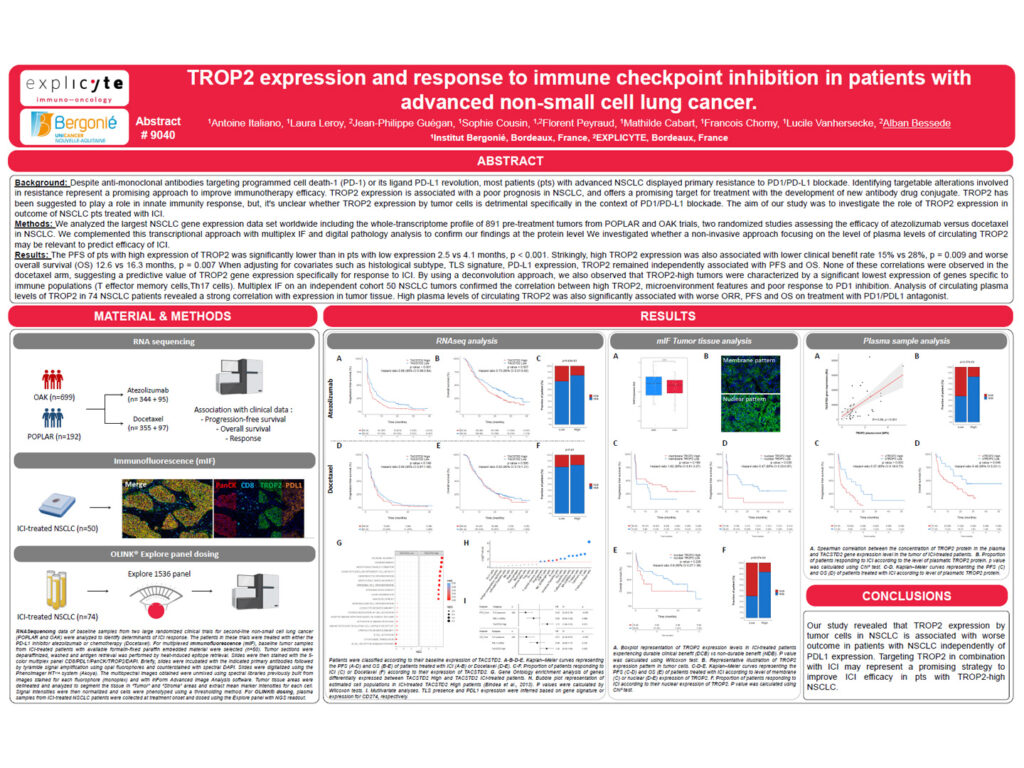
Background Monoclonal antibodies targeting programmed cell death-1, or PD-1, and its ligand PD-L1 have revolutionized the treatment of patients with advanced non-small cell lung cancer. However, most patients with advanced NSCLC display primary resistance to PD1/PD-L1 blockade. Identifying targetable alterations involved in resistance represents a promising approach to improve immunotherapy efficacy. TROP2 expression is associated […]
Cancer-associated fibroblasts promote T-cell exclusion and resistance to immunotherapy in non-small cell lung cancer with tertiary lymphoid structures
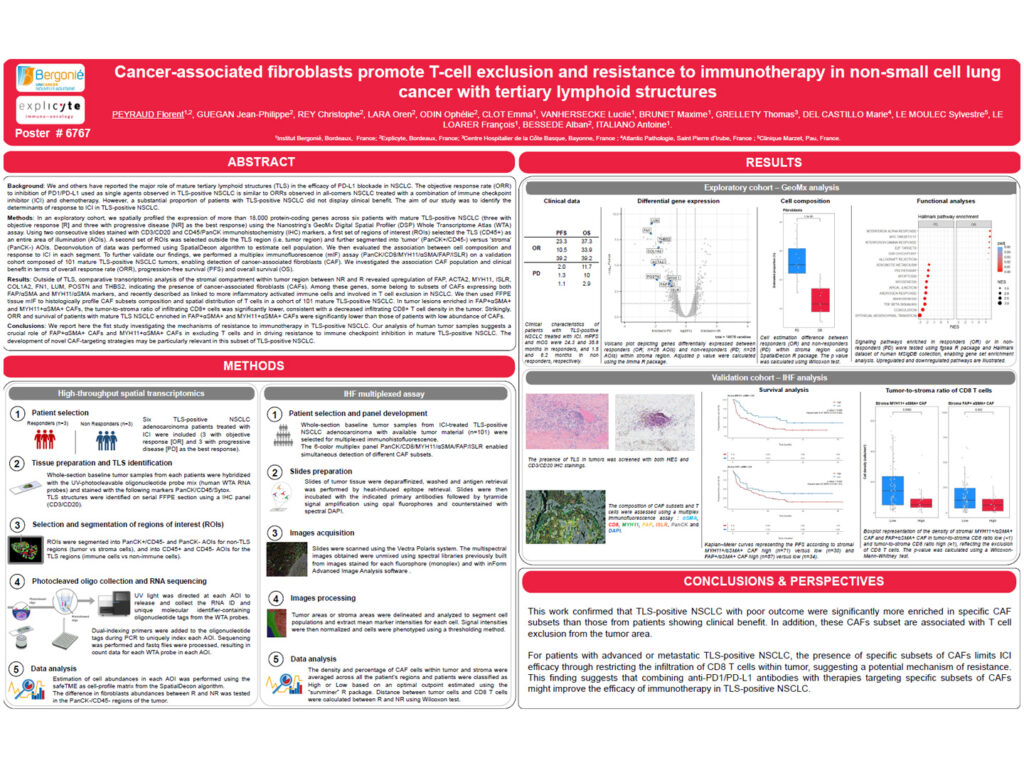
Background Mature tertiary lymphoid structures have been reported to play a major role in the efficacy of PD-L1 blockade in non-small cell lung cancer. In TLS-positive NSCLC, the objective response rate to single-agent PD1/PD-L1 inhibition is similar to response rates observed in all-comer NSCLC patients treated with immune checkpoint inhibitors combined with chemotherapy. However, a […]
Indoleamine 2,3-dioxygenase 1 is expressed in tertiary lymphoid structures and associated with improved outcome in patients with advanced non-small cell lung cancer treated with anti-PD1/PDL1 inhibitors
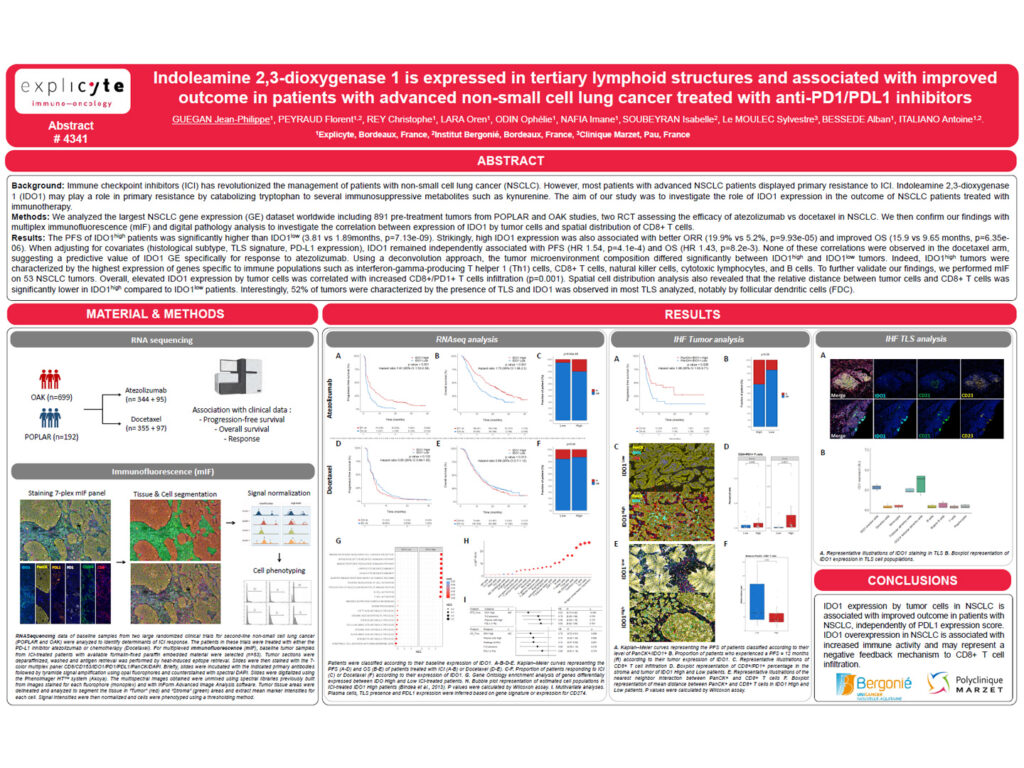
Background Immune checkpoint inhibitors have revolutionized the management of patients with non-small cell lung cancer. However, most patients with advanced NSCLC display primary resistance to these treatments. Indoleamine 2,3-dioxygenase 1, or IDO1, may contribute to immune regulation by catabolizing tryptophan into several immunosuppressive metabolites, including kynurenine. This study aimed to investigate the role of IDO1 […]