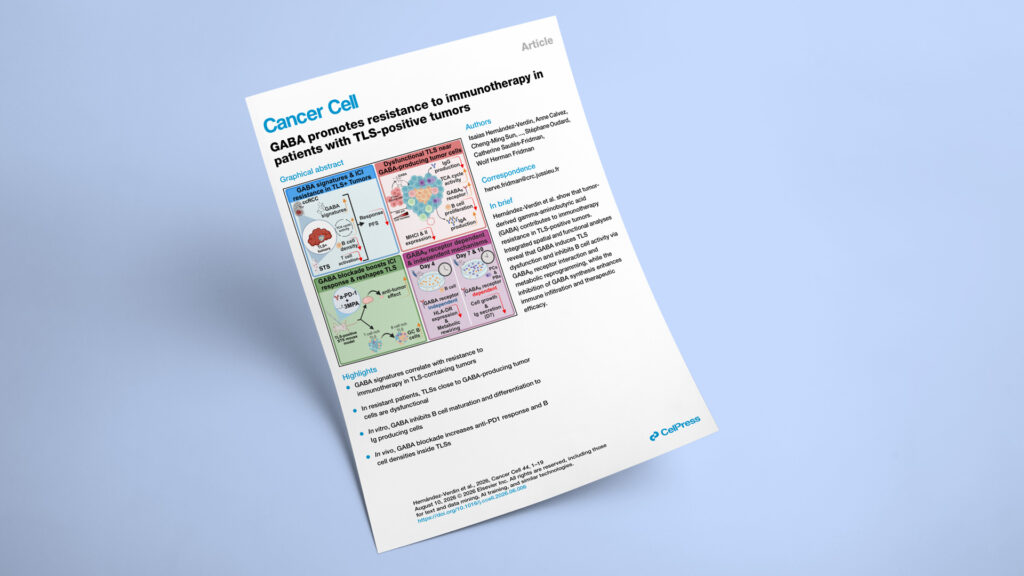
How tumor-derived GABA disables tumor TLSs and drives anti-PD-1 resistance in cancer
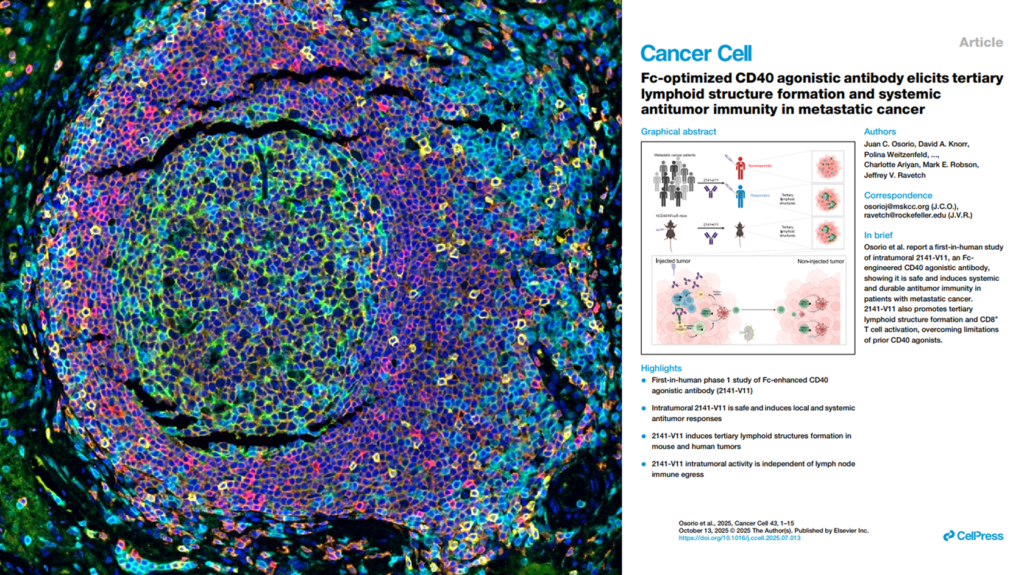
How an engineered CD40 antibody, injected into tumors, builds the immune structures that drive whole-body cancer responses
Enhanced anti-tumor response to anti-angiogenic / hypoxia-regulating therapies in combination with immune checkpoint blockade in a murine model of renal carcinoma
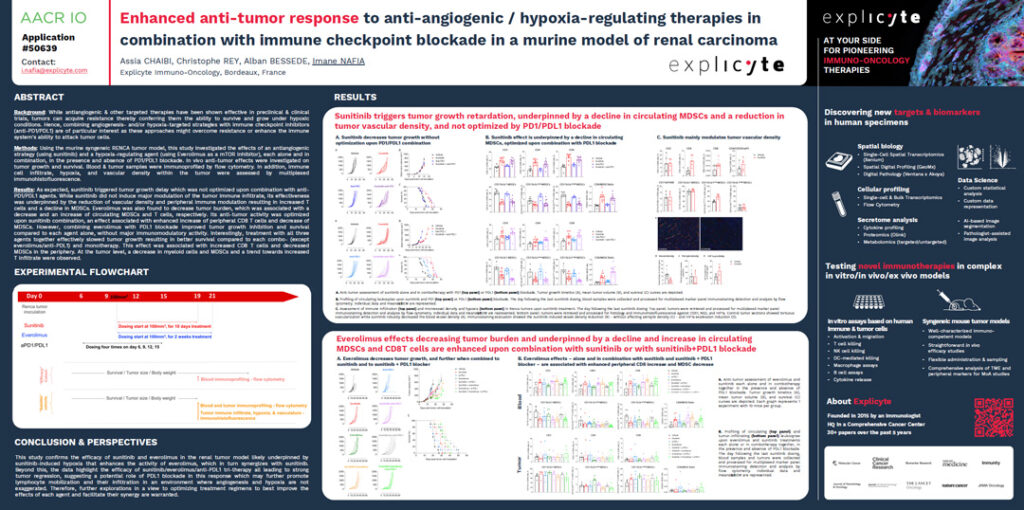
Background Antiangiogenic and other targeted therapies have shown efficacy in both preclinical and clinical settings. However, tumors can acquire resistance, allowing them to survive and grow under hypoxic conditions. In this context, combining angiogenesis- and/or hypoxia-targeted strategies with immune checkpoint inhibitors, such as anti-PD1 or anti-PDL1 antibodies, is of particular interest. These therapeutic combinations may […]
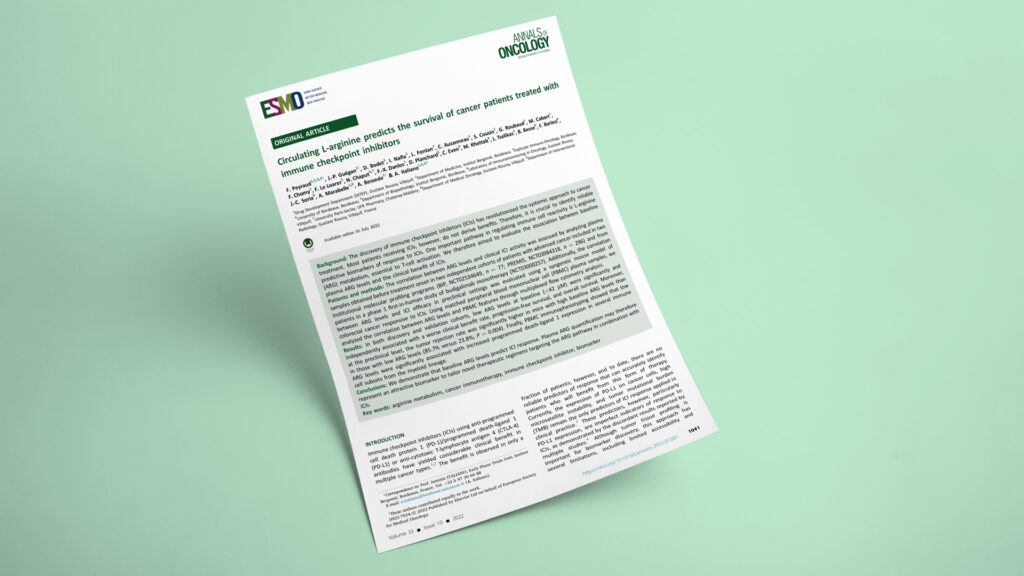
Can a simple blood test predict who responds to immunotherapy? Circulating L-arginine tracks checkpoint-inhibitor survival
Identification of super-exhausted T cells: a novel population predictive of response to immunotherapy
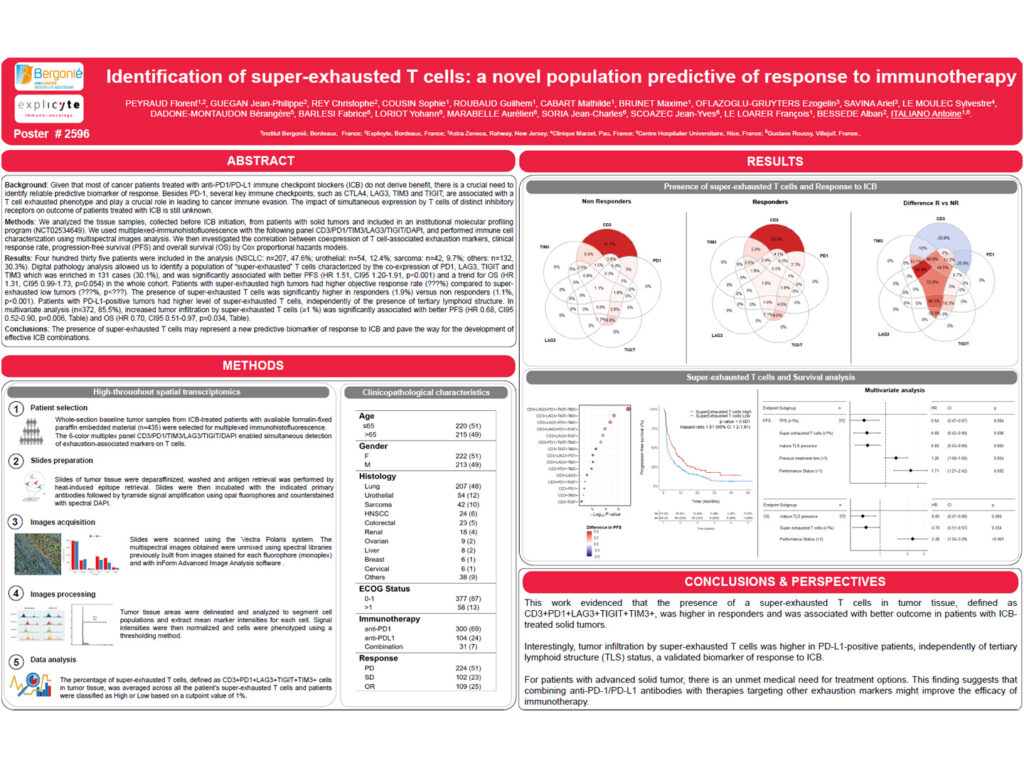
Background Most cancer patients treated with anti-PD1 or anti-PDL1 immune checkpoint blockers do not derive clinical benefit. There is therefore a crucial need to identify reliable predictive biomarkers of response. Beyond PD1, several immune checkpoints, including CTLA4, LAG3, TIM3 and TIGIT, are associated with a T cell exhausted phenotype and play an important role in […]
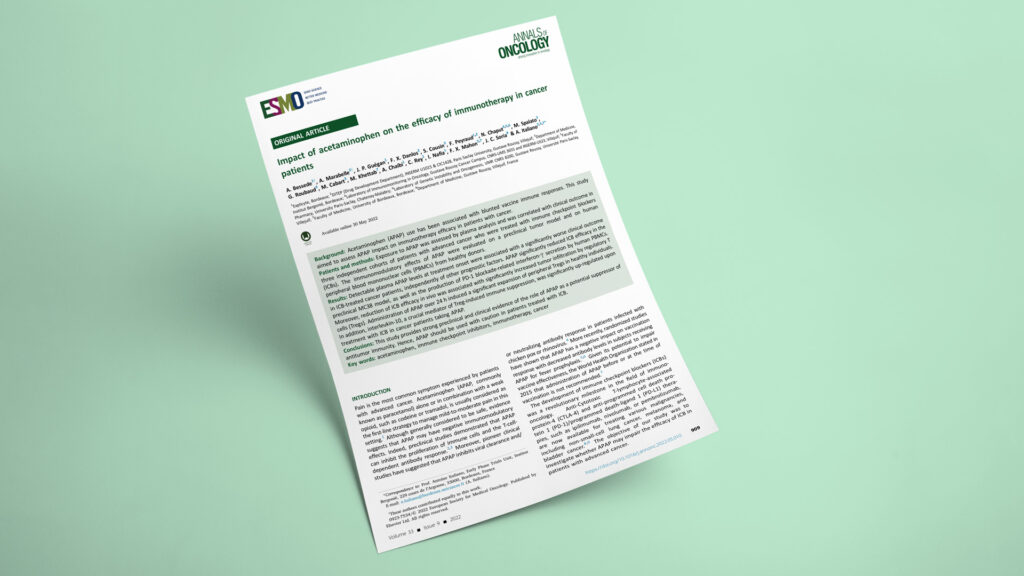
Does acetaminophen blunt cancer immunotherapy? Plasma evidence links paracetamol to worse checkpoint-inhibitor outcomes
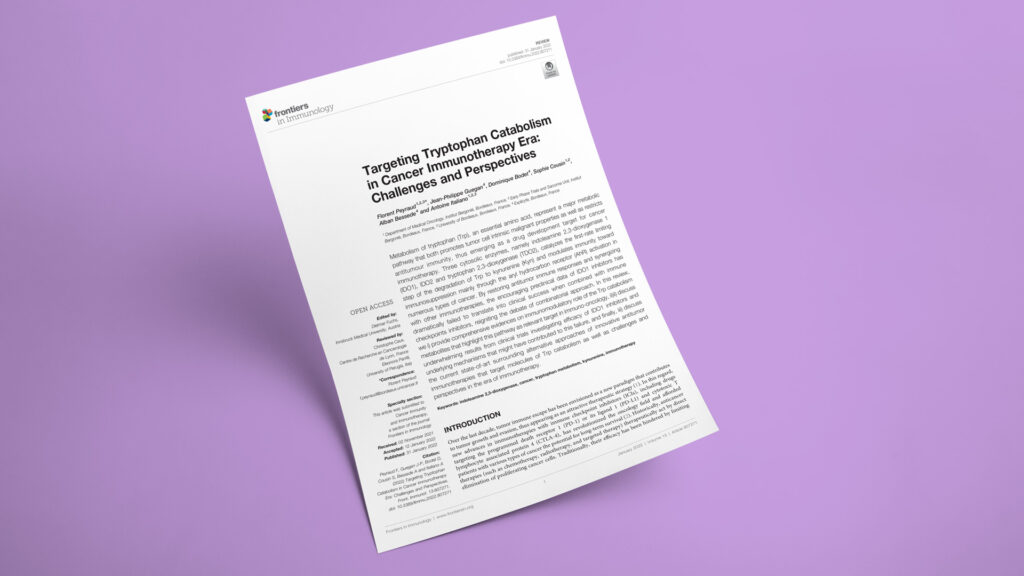
Why IDO1 inhibitors fell short in cancer immunotherapy — and what comes next for tryptophan targeting
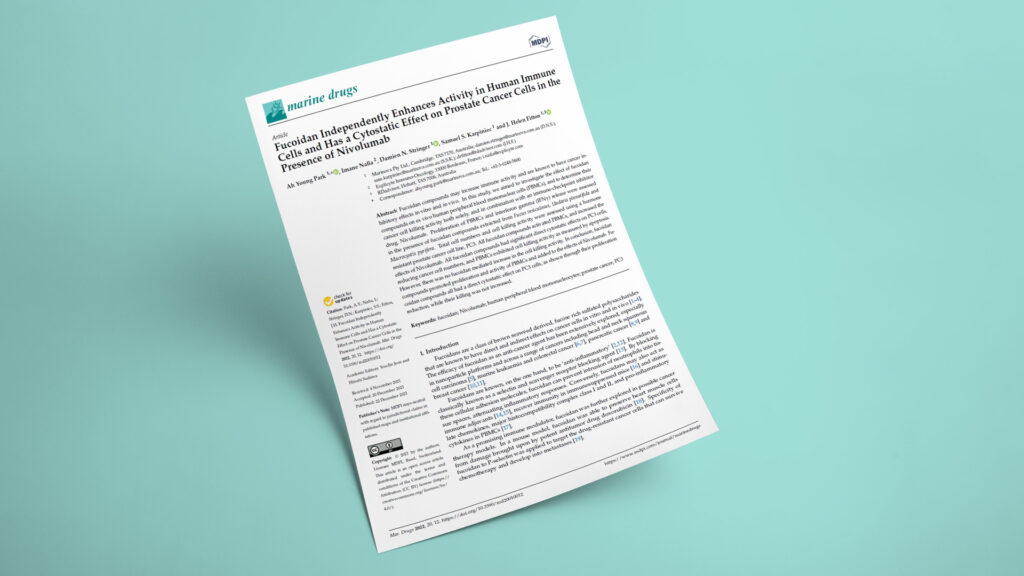
How fucoidan activates immune cells and independently stalls prostate cancer growth alongside Nivolumab
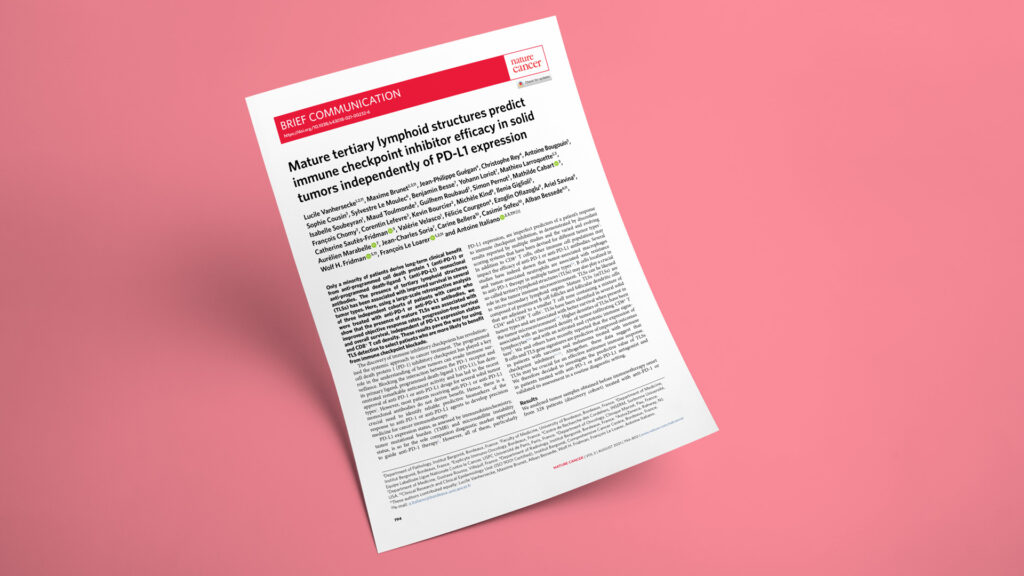
How mature TLSs identify solid tumor patients more likely to benefit from PD-1 blockade
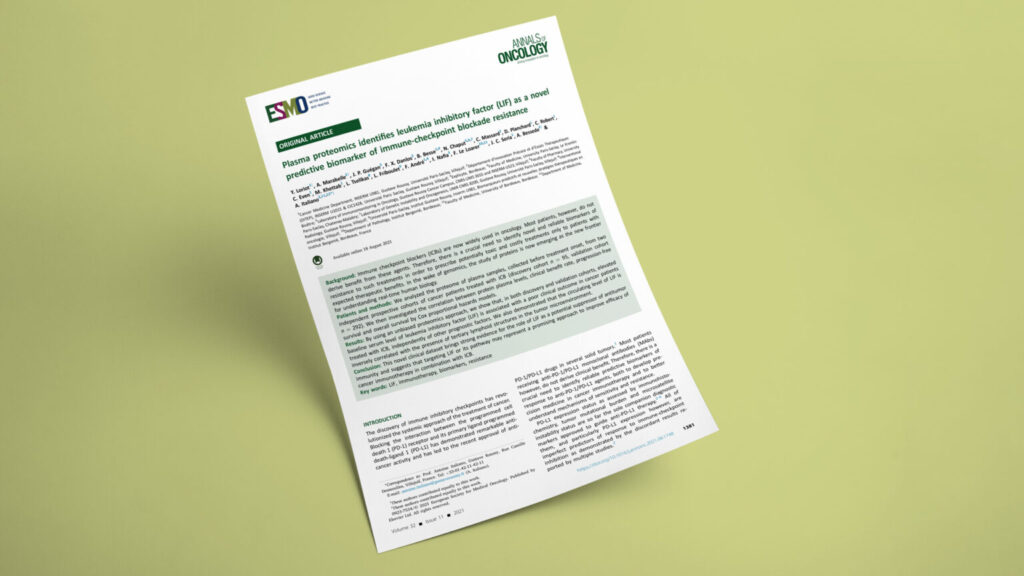
How plasma LIF predicts immune-checkpoint blockade resistance and a TLS-poor tumor microenvironment