High-Dimensional Spatial Profiling of the Tumor Immune Microenvironment (TME) in Recurrent/Metastatic Head and Neck Squamous Cell Carcinoma (HNSCC) Reveals Predictive Biomarkers of Immunotherapy
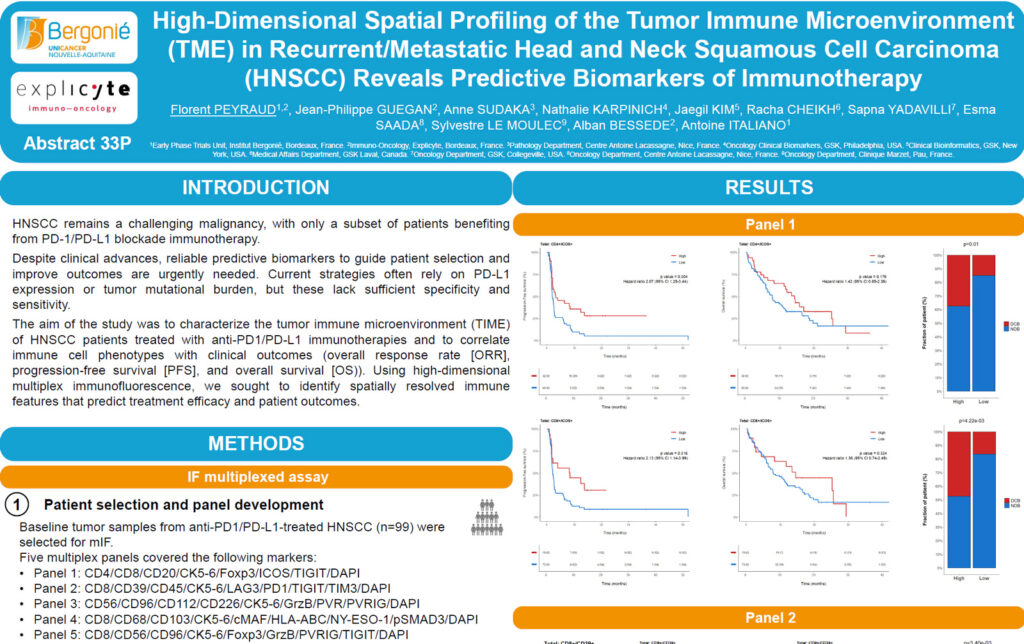
HNSCC remains a challenging malignancy, with only a subset of patients benefiting from PD-1/PD-L1 blockade immunotherapy. Despite clinical advances, reliable predictive biomarkers to guide patient selection and improve outcomes are urgently needed. Current strategies often rely on PD-L1 expression or tumor mutational burden, but these lack sufficient specificity and sensitivity. The aim of the study […]
Why do some mature-TLS lung cancers resist immunotherapy? Two CAF subsets that drive primary resistance in NSCLC

Cancer-associated fibroblasts promote T-cell exclusion and resistance to immunotherapy in non-small cell lung cancer with tertiary lymphoid structures
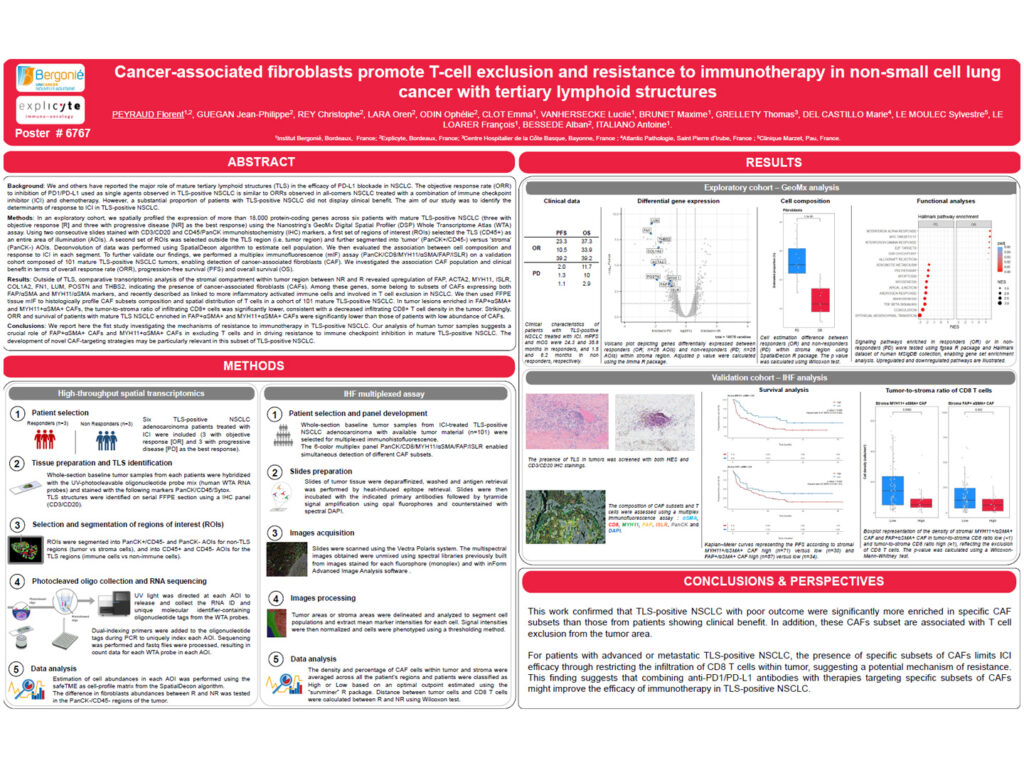
Background Mature tertiary lymphoid structures have been reported to play a major role in the efficacy of PD-L1 blockade in non-small cell lung cancer. In TLS-positive NSCLC, the objective response rate to single-agent PD1/PD-L1 inhibition is similar to response rates observed in all-comer NSCLC patients treated with immune checkpoint inhibitors combined with chemotherapy. However, a […]
Indoleamine 2,3-dioxygenase 1 is expressed in tertiary lymphoid structures and associated with improved outcome in patients with advanced non-small cell lung cancer treated with anti-PD1/PDL1 inhibitors
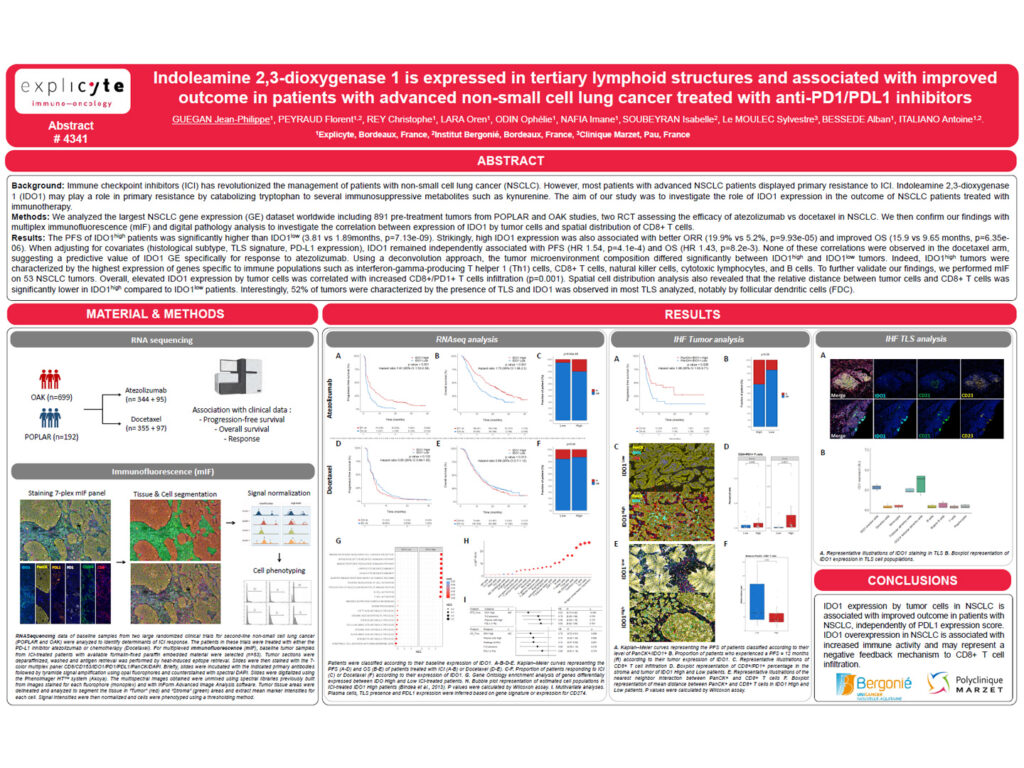
Background Immune checkpoint inhibitors have revolutionized the management of patients with non-small cell lung cancer. However, most patients with advanced NSCLC display primary resistance to these treatments. Indoleamine 2,3-dioxygenase 1, or IDO1, may contribute to immune regulation by catabolizing tryptophan into several immunosuppressive metabolites, including kynurenine. This study aimed to investigate the role of IDO1 […]
Identification of super-exhausted T cells: a novel population predictive of response to immunotherapy
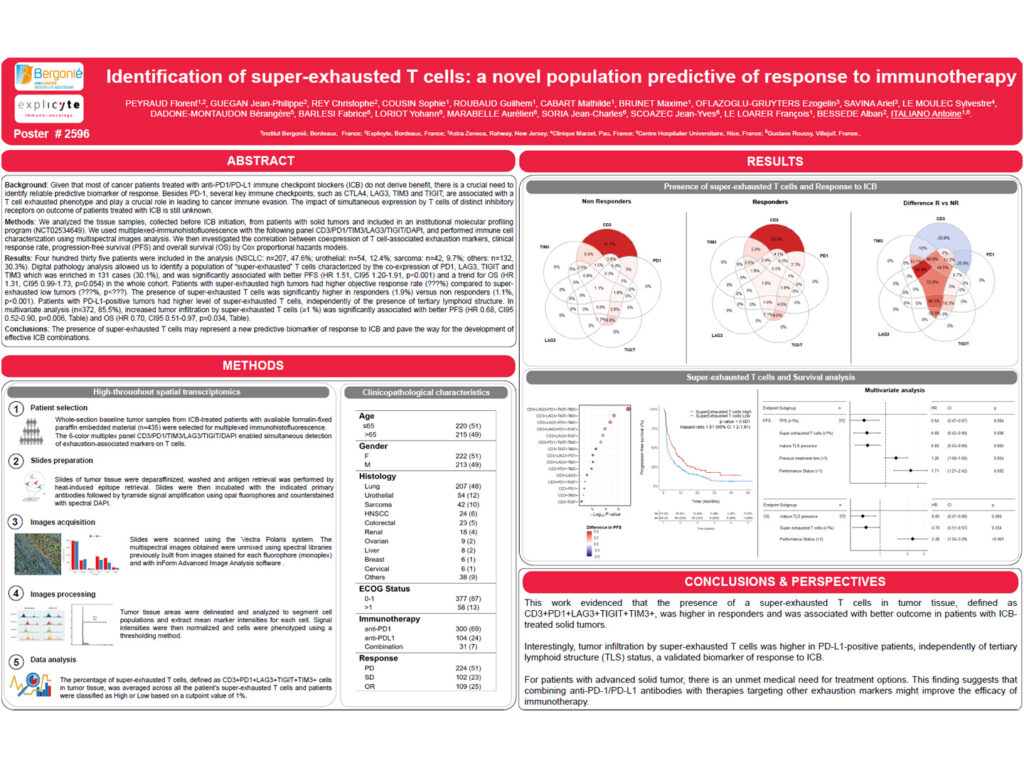
Background Most cancer patients treated with anti-PD1 or anti-PDL1 immune checkpoint blockers do not derive clinical benefit. There is therefore a crucial need to identify reliable predictive biomarkers of response. Beyond PD1, several immune checkpoints, including CTLA4, LAG3, TIM3 and TIGIT, are associated with a T cell exhausted phenotype and play an important role in […]
Why intratumoral CD163+ macrophages predict anti-PD-1 resistance in non-small cell lung cancer
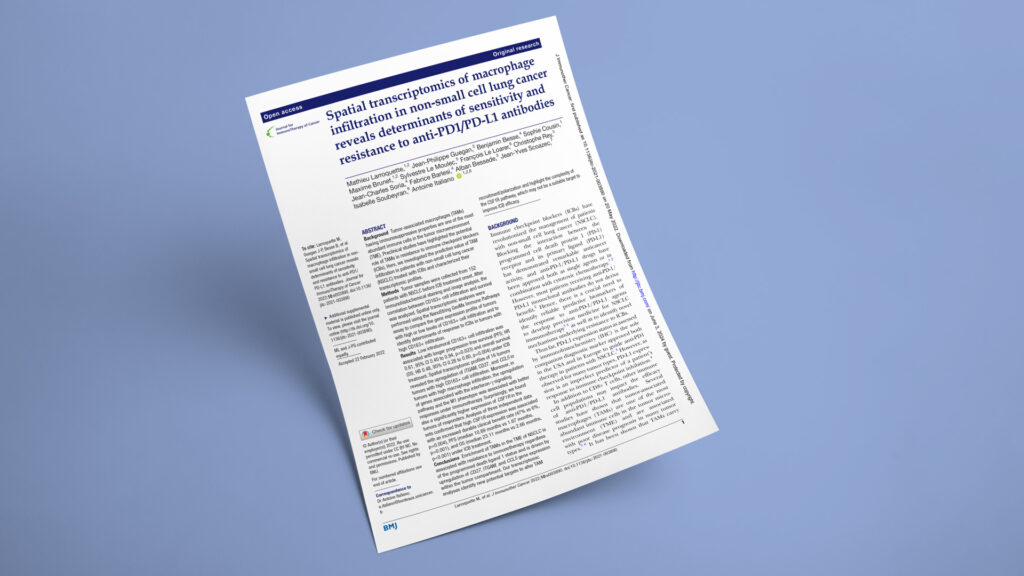
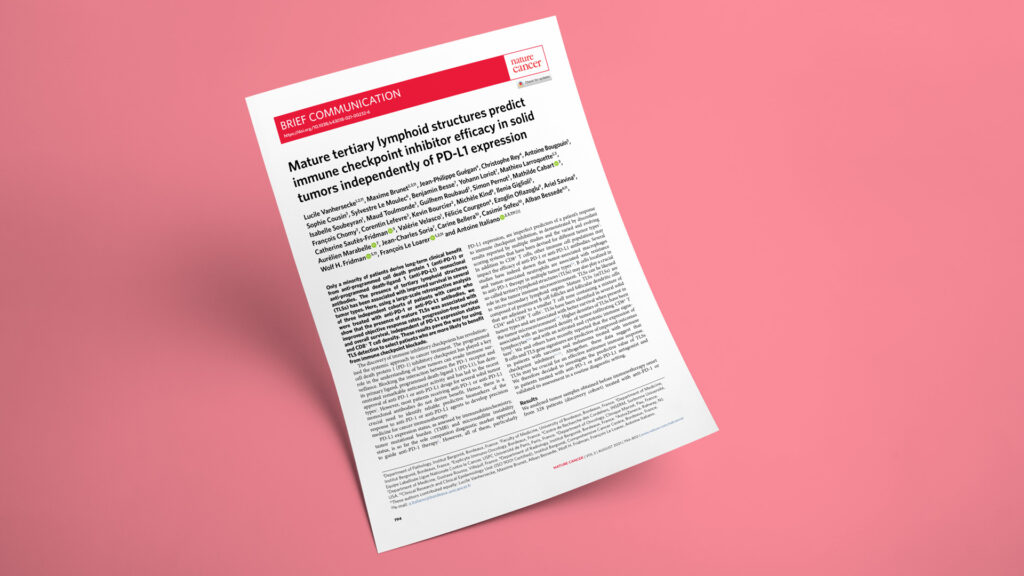
How mature TLSs identify solid tumor patients more likely to benefit from PD-1 blockade