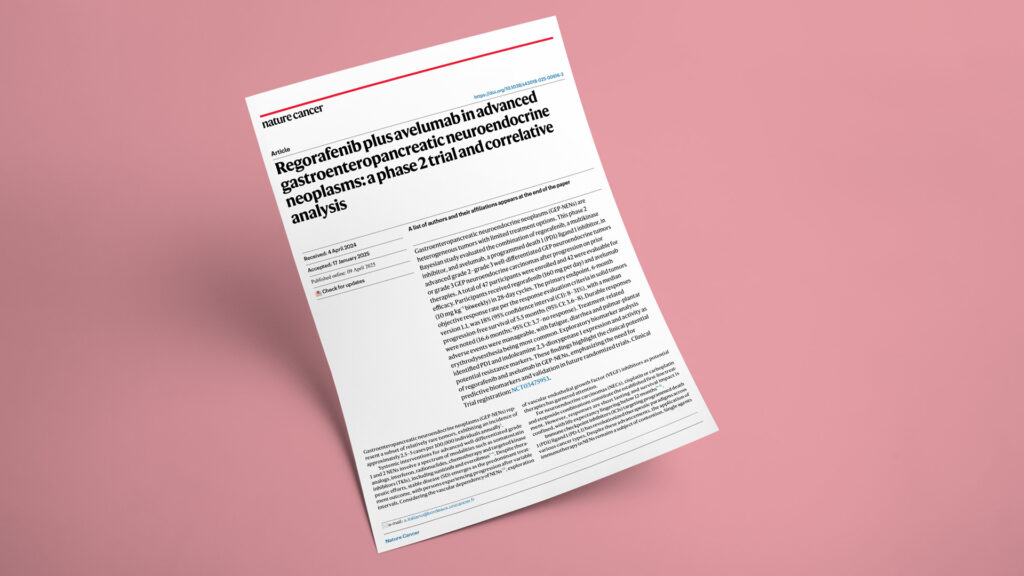
How tumor-derived GABA disables tumor TLSs and drives anti-PD-1 resistance in cancer
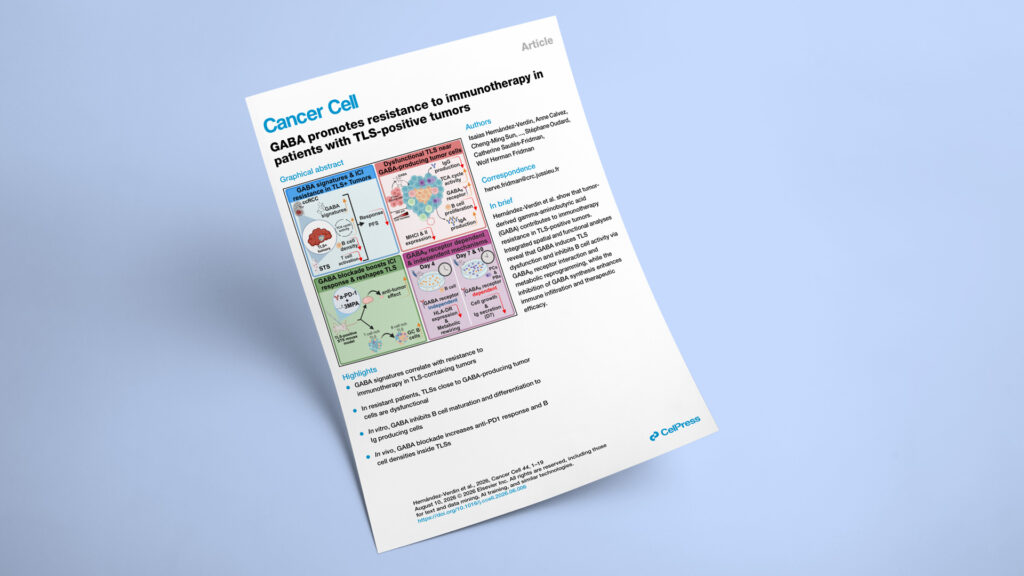
Regorafenib plus avelumab in advanced neuroendocrine tumors — and the IDO1 biomarker that predicts resistance
High grade serous ovarian cancer ascites exhibit an impaired immune environment – immunosuppressive & protumoral – detrimental to the immune response
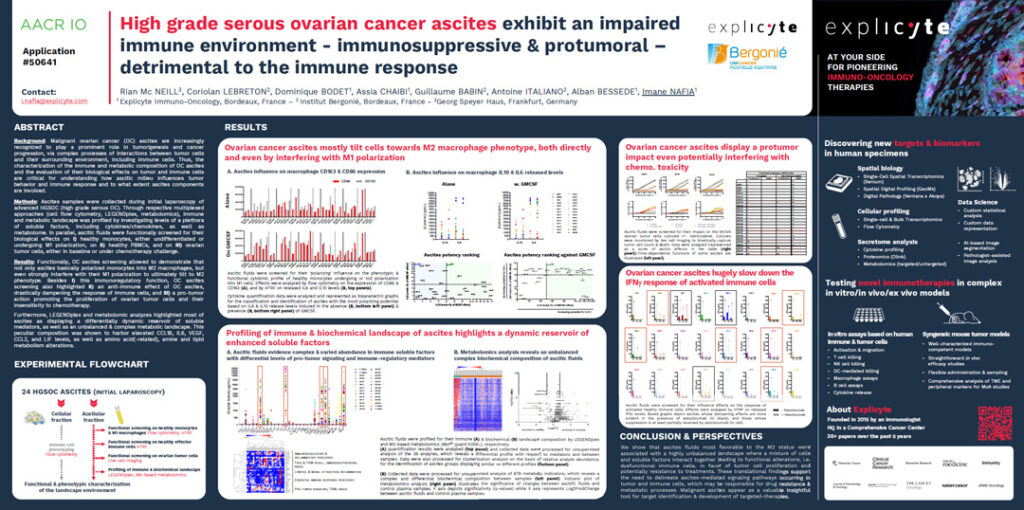
Background Malignant ovarian cancer ascites are increasingly recognized as major contributors to tumorigenesis and cancer progression. Ascites create a complex microenvironment where tumor cells interact with soluble mediators, metabolic factors, and immune cells. These interactions can influence tumor behavior, immune response, and treatment sensitivity. Characterizing the immune and metabolic composition of ovarian cancer ascites, together […]
Profiling of immune cell components and soluble factors in ovarian cancer ascites highlights impaired immune environment
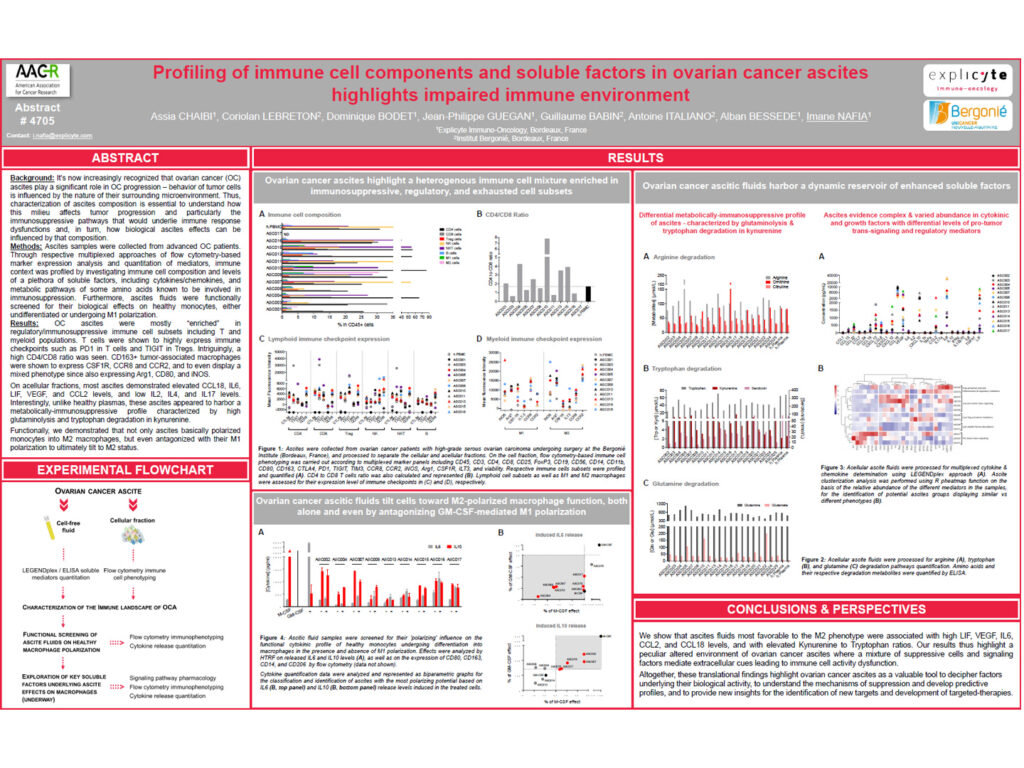
Background Ovarian cancer ascites are increasingly recognized as important contributors to ovarian cancer progression. The behavior of tumor cells is strongly influenced by the composition of their surrounding microenvironment. Characterizing the cellular and soluble composition of ascites is therefore essential to better understand how this specific milieu affects tumor progression. In particular, ascites may contribute […]
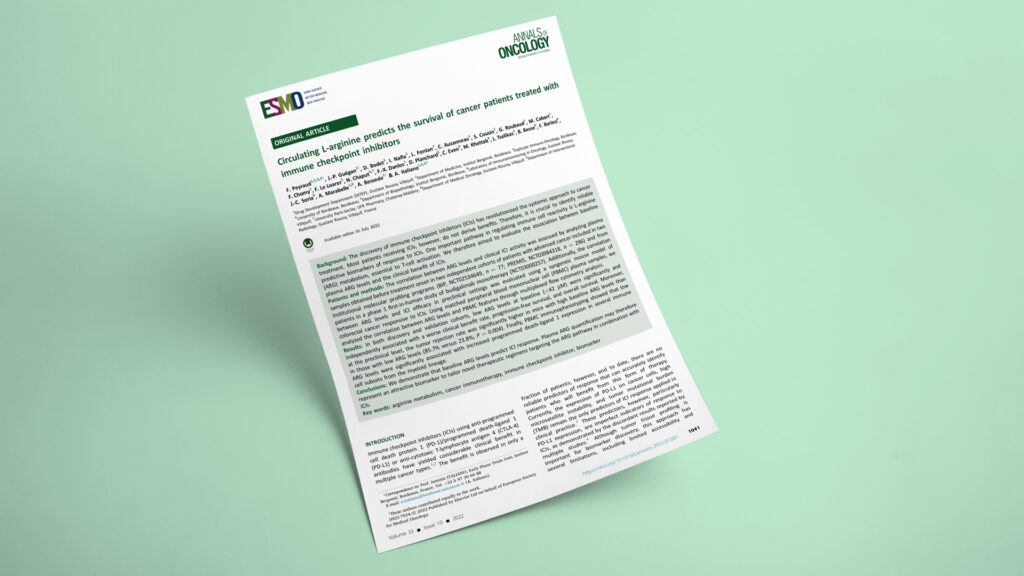
Can a simple blood test predict who responds to immunotherapy? Circulating L-arginine tracks checkpoint-inhibitor survival
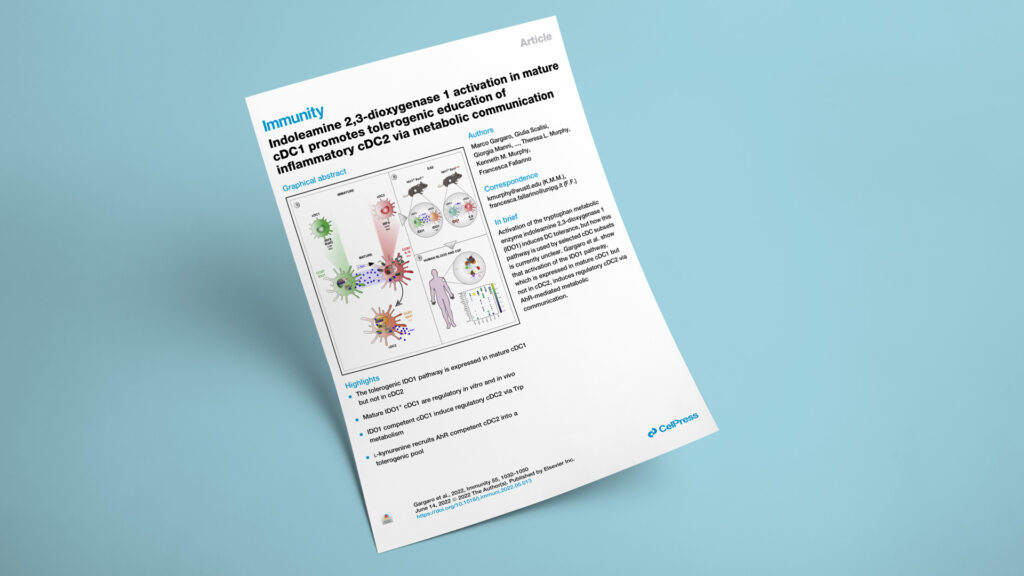
How tolerogenic cDC1 dendritic cells “educate” inflammatory cDC2 by exporting the tryptophan metabolite L-kynurenine
Low plasma Arginine level is associated with resistance to immune checkpoint inhibitors in patients with advanced cancer
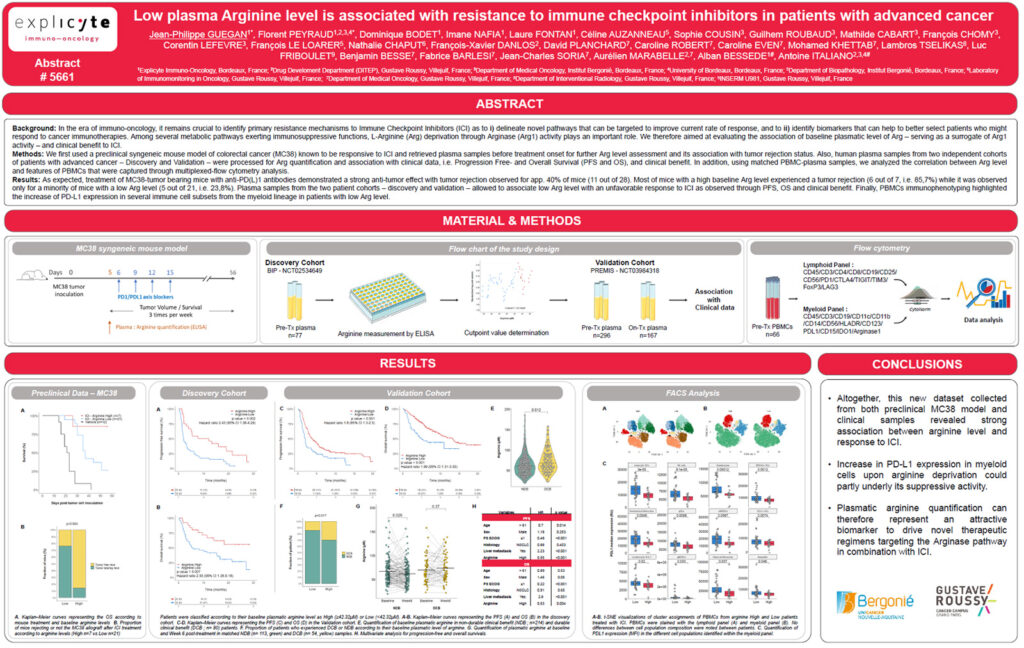
Background In the era of immuno-oncology, identifying primary resistance mechanisms to immune checkpoint inhibitors remains crucial. A better understanding of these mechanisms may help to identify novel pathways that can be targeted to improve response rates, as well as biomarkers that could support the selection of patients more likely to benefit from cancer immunotherapies. Among […]
Why IDO1 blockade lowered kynurenine but failed to improve anti-PDL1 efficacy in sarcoma
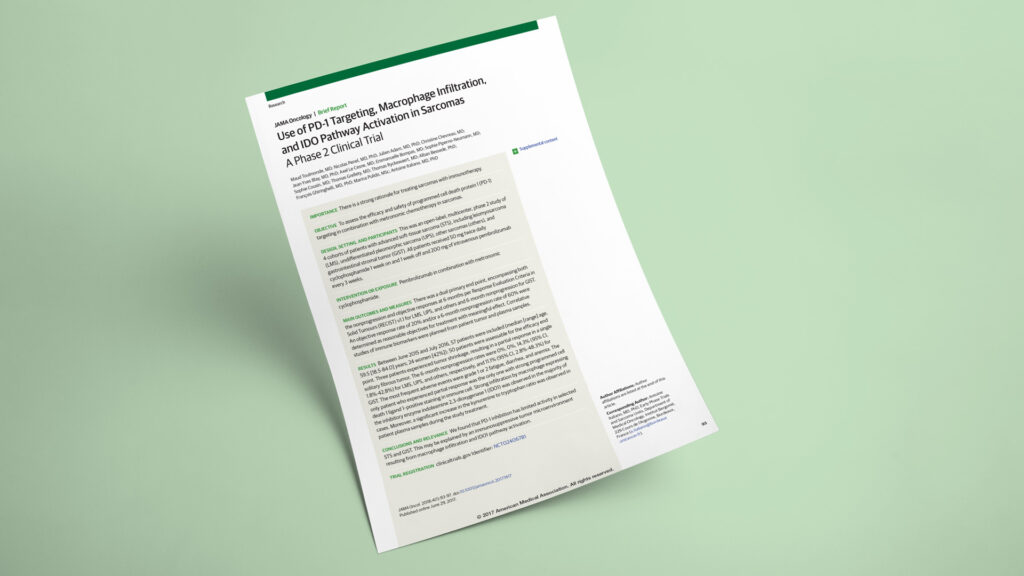
Why PD-1 blockade falls short in soft-tissue sarcoma — and the macrophage/IDO1 axis behind it