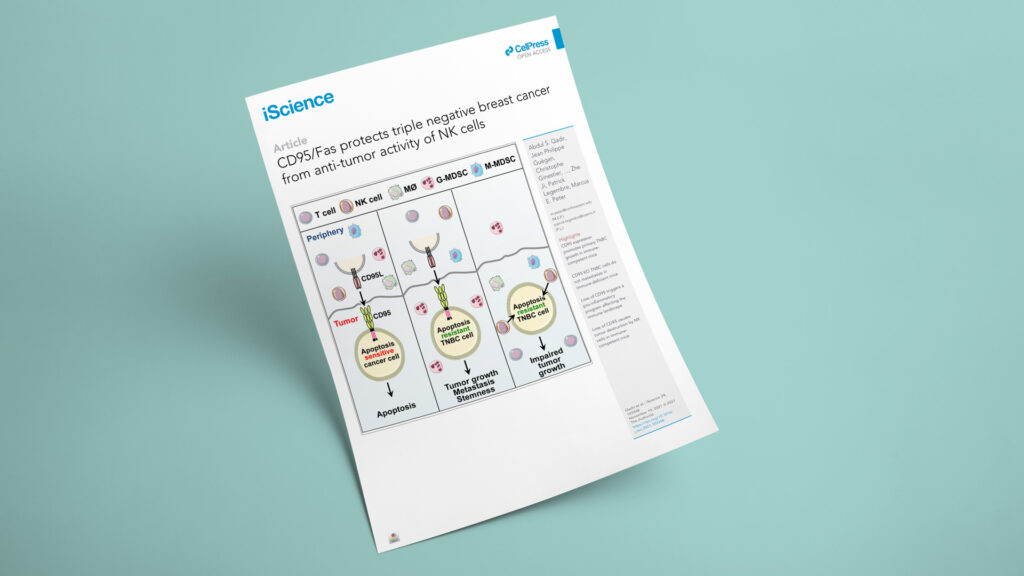
How tumor-derived GABA disables tumor TLSs and drives anti-PD-1 resistance in cancer
MaaT Pharma: Advancing a pipeline of novel microbiome therapies across oncology

Tumor-cell NY-ESO-1 Expression Predicts Poor Response to PD-1/PD-L1 Blockade in NSCLC
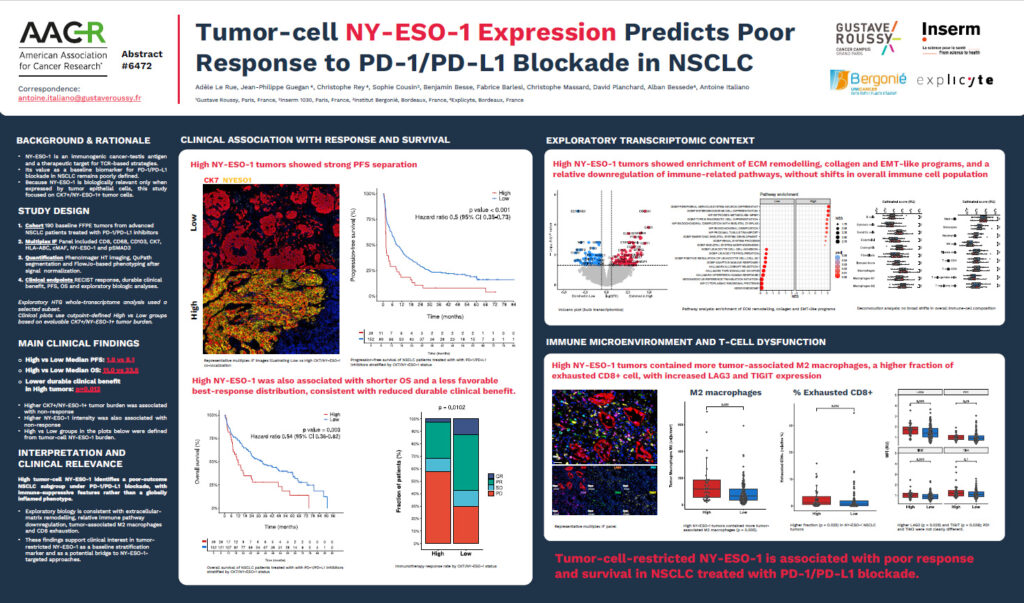
Background & rationale NY-ESO-1 is an immunogenic cancer-testis antigen and a therapeutic target for TCR-based strategies. Its value as a baseline biomarker for PD-1/PD-L1 blockade in NSCLC remains poorly defined. Because NY-ESO-1 is biologically relevant only when expressed by tumor epithelial cells, this study focused on CK7+/NY-ESO-1+ tumor cells. Study design Cohort 190 baseline FFPE […]
Why do some mature-TLS lung cancers resist immunotherapy? Two CAF subsets that drive primary resistance in NSCLC

Can blocking PRMT5 starve sarcomas of energy? Inhibiting the enzyme shuts down tumor glycolysis and growth
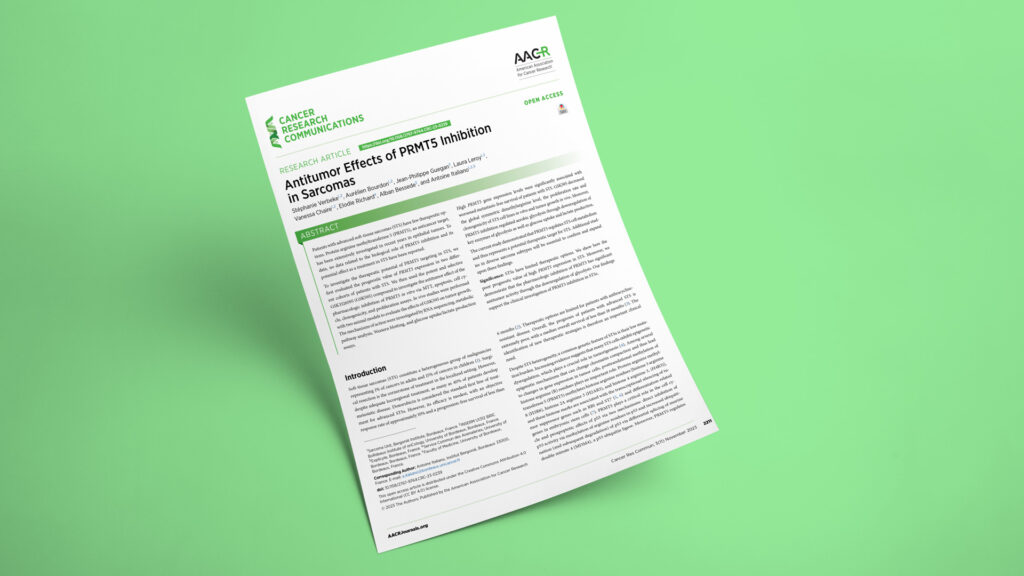
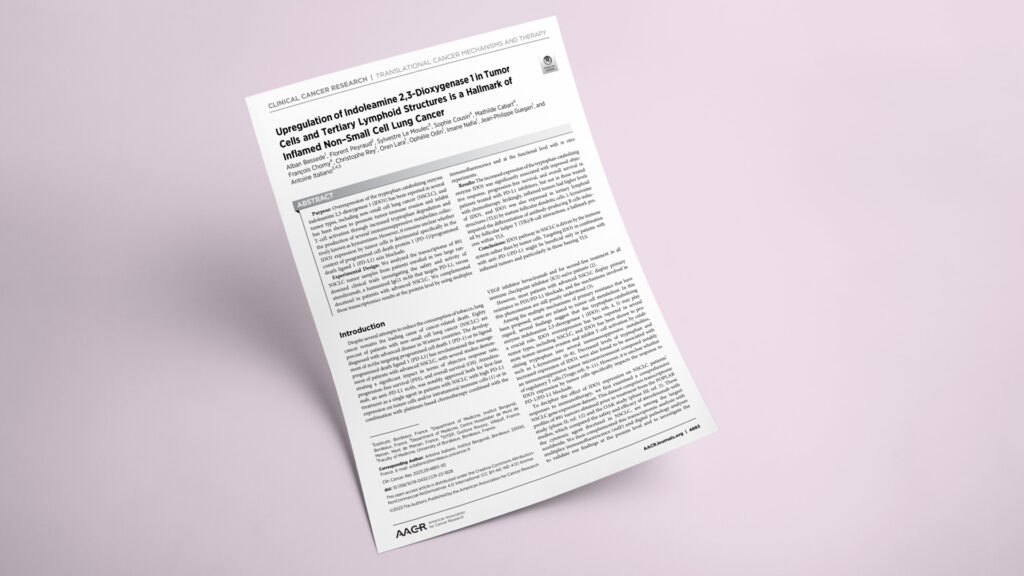
Why IDO1 in inflamed TLS-positive lung tumors predicts immunotherapy response — and marks who might benefit from IDO1 inhibitors
Indoleamine 2,3-dioxygenase 1 is expressed in tertiary lymphoid structures and associated with improved outcome in patients with advanced non-small cell lung cancer treated with anti-PD1/PDL1 inhibitors
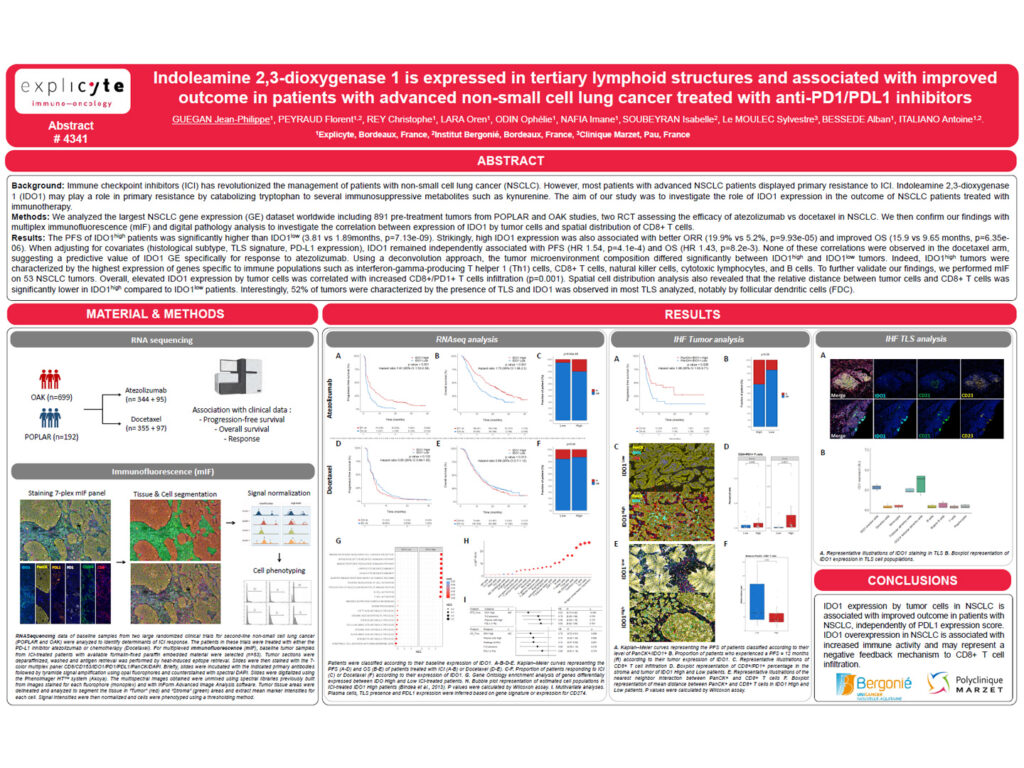
Background Immune checkpoint inhibitors have revolutionized the management of patients with non-small cell lung cancer. However, most patients with advanced NSCLC display primary resistance to these treatments. Indoleamine 2,3-dioxygenase 1, or IDO1, may contribute to immune regulation by catabolizing tryptophan into several immunosuppressive metabolites, including kynurenine. This study aimed to investigate the role of IDO1 […]
Identification of super-exhausted T cells: a novel population predictive of response to immunotherapy
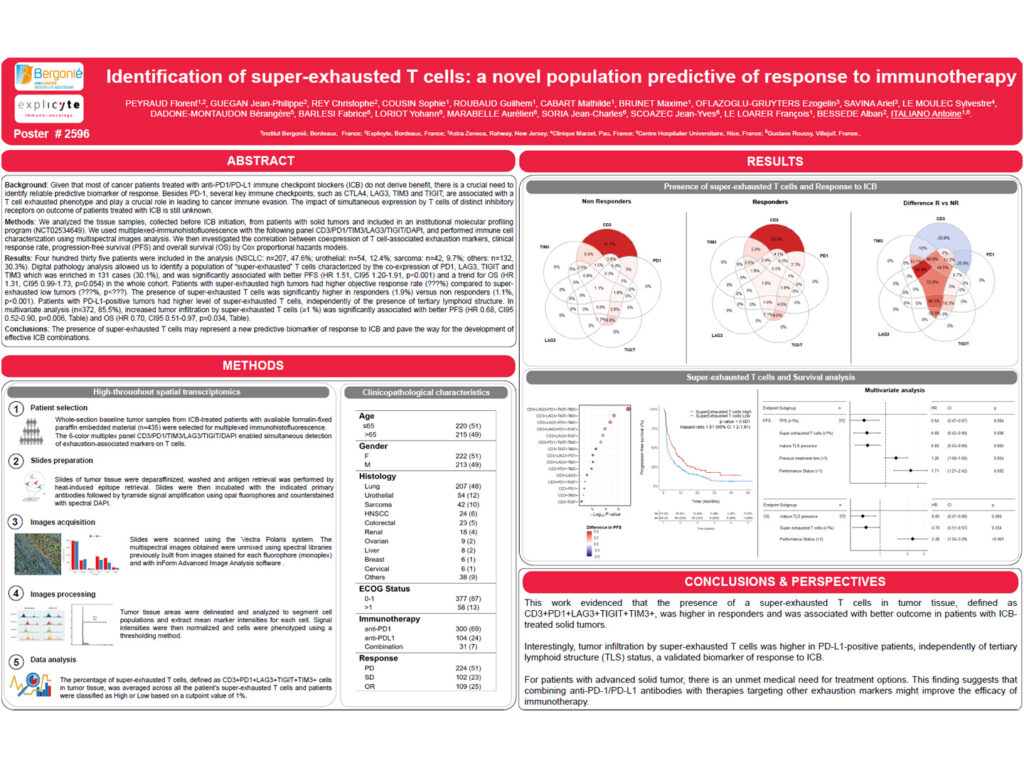
Background Most cancer patients treated with anti-PD1 or anti-PDL1 immune checkpoint blockers do not derive clinical benefit. There is therefore a crucial need to identify reliable predictive biomarkers of response. Beyond PD1, several immune checkpoints, including CTLA4, LAG3, TIM3 and TIGIT, are associated with a T cell exhausted phenotype and play an important role in […]
Development and characterization of a novel anti-PD1 resistant sarcoma mouse model
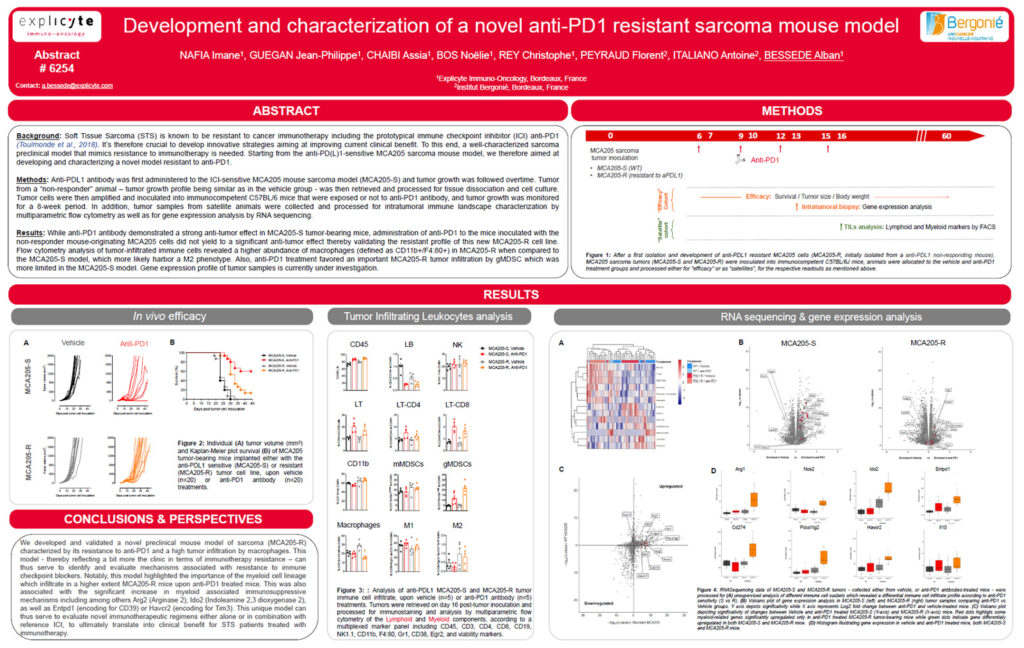
Soft tissue sarcoma (STS) is known to be resistant to cancer immunotherapy, including prototypical immune checkpoint inhibitors such as anti-PD1 antibodies. It is therefore crucial to develop innovative strategies aimed at improving current clinical benefit. To support this objective, well-characterized sarcoma preclinical models that mimic resistance to immunotherapy are needed. Starting from the anti-PD(L)1-sensitive MCA205 […]
How CD95/Fas helps triple-negative breast cancer escape NK-cell control in preclinical models