Project-based FFPE cohort sourcing for oncology discovery

Starting from your indication and scientific question, we assemble clinically annotated FFPE cohorts through accredited French tumor biobanks, with histopathological review by consulting pathologists built in.

Each cohort is quality controlled and processed in-house, then analyzed end-to-end on our own platforms — digital pathology (IHC, mIF), single-cell and spatial transcriptomics (Chromium X, Visium HD, Xenium), and AI-assisted image and data analysis. One project, from sample to dataset.

Recent FFPE-based papers

Molecular Cancer Research journal logoCancer Cell journal logoClinical cancer research journal logoScience Advances logoCancer Cell journal logoSignal transduction and targeted therapy journal logoNature cancer journal logoCell Reports Medicine journal logoMolecular Cancer Research journal logoMolecular Cancer Research journal logo

FFPE cohort sourcing & analysis

Sourcing major and rare oncology indications

Bladder cancersSubtypes

Urothelial carcinoma (non-muscle invasive), Urothelial carcinoma (muscle invasive), Squamous cell carcinoma, Adenocarcinoma, Small cell carcinoma, Upper tract urothelial carcinoma

Breast cancerSubtypes

Invasive ductal carcinoma (IDC), Invasive lobular carcinoma (ILC), DCIS, Triple-negative (TNBC), HER2-positive, Hormone receptor-positive (HR+), Inflammatory breast cancer, Metaplastic carcinoma

Colorectal cancersSubtypes

Colon adenocarcinoma, Rectal adenocarcinoma, Mucinous adenocarcinoma, Signet ring cell carcinoma, MSI-high / dMMR, KRAS/NRAS/BRAF-mutated, Hereditary (Lynch syndrome, FAP)

Gastric cancersSubtypes

Adenocarcinoma (intestinal type), Adenocarcinoma (diffuse type), Signet ring cell carcinoma, GEJ adenocarcinoma, GIST, Mucinous adenocarcinoma, HER2-positive, MSI-high

Lung cancersSubtypes

NSCLC — adenocarcinoma, Squamous cell carcinoma, Large cell carcinoma, SCLC, Mesothelioma, Carcinoid tumors, EGFR-mutated NSCLC, ALK-rearranged NSCLC, KRAS-mutated NSCLC

Ovarian cancerSubtypes

High-grade serous carcinoma, Low-grade serous carcinoma, Endometrioid carcinoma, Clear cell carcinoma, Mucinous carcinoma, Germ cell tumors, Sex cord-stromal tumors, BRCA-mutated

Pancreatic cancersSubtypes

PDAC, Acinar cell carcinoma, Neuroendocrine tumors (PanNETs), IPMN, Mucinous cystic neoplasm, Ampullary carcinoma

SarcomasSubtypes

Leiomyosarcoma, Liposarcoma, Synovial sarcoma, Rhabdomyosarcoma, GIST, Osteosarcoma, Ewing sarcoma, Chondrosarcoma, Undifferentiated pleomorphic sarcoma

Normal tissues36-organ panel

Liver, Kidney, Lung, Heart, Brain, Spleen, Pancreas, Stomach, Colon, Small intestine, Breast, Ovary, Prostate, Skin, Lymph node, Bone marrow, Thyroid, Adrenal gland, Tonsil

Our FFPE tissue sourcing workflow

Expert cohort design and QC for robust downstream analysis

Project scoping & cohort design

The right cohort starts with the right scientific question

Each project is scoped with a PhD-level study director to translate your scientific question into a cohort that can answer it — indication, treatment strata, controls, normal tissue panels, sample size, and clinical metadata requirements.

Key outputs

  • Cohort design aligned with your scientific objective and decision points
  • Inclusion/exclusion criteria with target sample numbers
  • Clinical metadata requirements specification
  • Sourcing strategy across our biobank partner network

Sourcing & histopathological review

Accredited biobank sourcing with pathology review built in

We source clinically annotated FFPE specimens through accredited French tumor biobanks, with full chain-of-custody documentation and anonymized metadata. Each cohort is reviewed by consulting pathologists to confirm diagnosis, tumor content, and tissue suitability.
Key outputs

  • FFPE specimens sourced under accredited biobank protocols
  • Anonymized clinical, histopathological, and epidemiological metadata
  • Chain-of-custody documentation for every specimen
  • Histopathological review by consulting pathologists
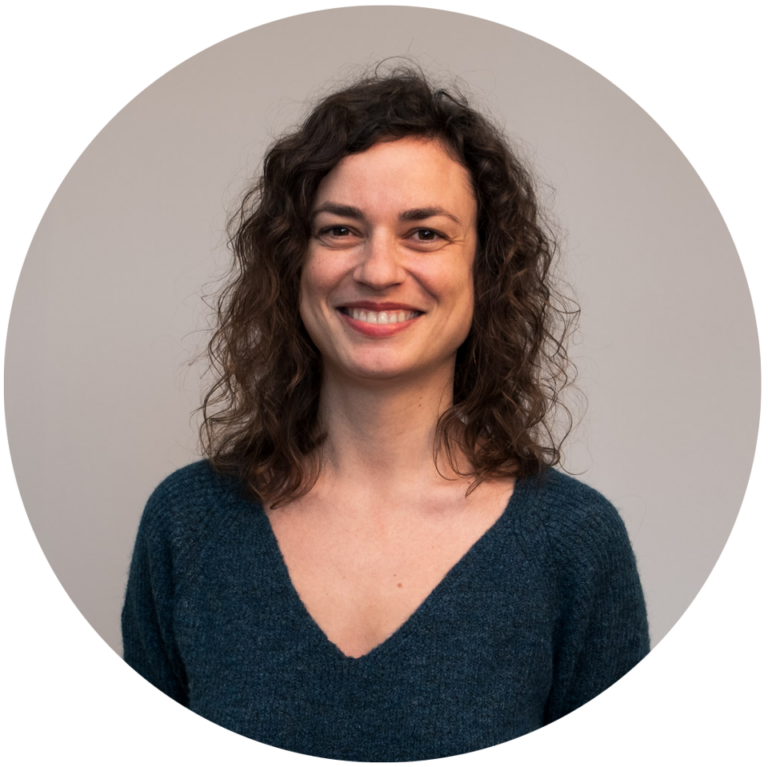
Marie Brevet

Marie Brevet, MD, PhD

  • Pathologist at Technipath, Synlab.
  • CEO of Biwako, French company dedicated to medical research.
  • Areas of expertise: biomarkers in oncology, AI, molecular pathology, biobank, clinical research.
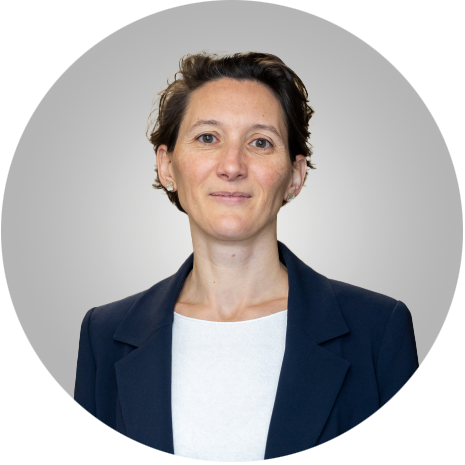
Lucile Vanhersecke pathologist

Lucile Vanhersecke, MD

  • Pathologist at the Institut Bergonié Cancer Center.
  • Expert for the French national sarcoma review network.
  • Areas of expertise: AI, solid tumors, predictive markers of immune response, immunotherapy, TLS.

Sample QC & preparation

In-house QC and processing for downstream analytical platforms

Every cohort passes through in-house QC and processing before downstream analysis — designed to preserve sample integrity, minimize batch effects, and ensure data reliability across the project.

Key outputs

  • Sample QC and pathology suitability confirmation
  • In-house sectioning with harmonized thickness and labeling
  • Controlled storage conditions for blocks and slides
  • Platform-ready preparation for downstream digital pathology, single-cell, or spatial transcriptomic analysis

OUR FFPE-COMPATIBLE PLATFORMS

What your FFPE cohort can be analyzed with

Spatial transcriptomics

Atera

High-throughut spatial whole transcriptomics with single-cell resolution

Explore platform

Spatial transcriptomics

Xenium

Single-cell spatial transcriptomics with
5K or 300-500-plex focused panels

Explore platform

Spatial transcriptomics

Visium HD

Whole-transcriptome mapping at high resolution, co-registration to H&E or IF

Explore platform

Digital pathology

PhenoImagers HT (x2)

Singleplex IHC and multiplex IF panels for protein-level target validation

Explore platform

Spatial transcriptomics

GeoMx

Whole transcriptome spatial profiling for compartment-level questions

Explore platform

scRNAseq

Chromium X

High-throughput single-cell RNA-seq, up to 3,072 samples per chip/run

Explore platform

Bulk RNAseq

NovaSeq X

High-throughput, whole-transcriptome coverage across large sample cohorts.

Explore platform

The Explicyte team at their Bordeaux laboratory

Paul Marteau, PharmD (study director), Imane Nafia, PhD (CSO), Loïc Cerf, MSc (COO), Alban Bessede, PhD (founder, CEO), Jean-Philippe Guégan, PhD (CTO)

contact our team

Discuss your discovery project and request a quote

Whether you have a target indication, a candidate biomarker, or a specific scientific question, we can scope the right cohort and propose next steps. Within 3 business days, a PhD-level study director will reach out to discuss your project, propose the right cohort and analytical strategy, and provide pricing.

Answers about precision oncology discovery services

Frequently asked questions

What is project-based FFPE cohort sourcing?

Project-based sourcing means Explicyte assembles and processes FFPE cohorts as part of a scientific project we run end-to-end — not as standalone biospecimens delivered to the sponsor. The cohort is custom-designed for your scientific question, sourced through accredited French biobanks, processed in-house, and analyzed on our platforms (digital pathology, single-cell and spatial transcriptomics). One project, one study director, one team handling everything from cohort design to dataset.

No. Explicyte is not a biospecimen vendor. We don’t deliver tissue samples to sponsors or to other CROs. FFPE specimens are sourced through accredited biobank partnerships as part of an end-to-end Explicyte project — the analysis happens on our platforms, with our study directors, under our quality framework. Sponsors looking for standalone biospecimen purchase should work with dedicated biobank vendors.

We’ve assembled cohorts across most major and many rare oncology indications — including lung, breast, colorectal, gastric, pancreatic, ovarian, bladder, sarcomas, and matched normal tissues. For rare or specific indications not on our standard list, we can usually source through our biobank partner network. The first step is a scoping conversation about your target indication and feasibility.

Yes. Normal tissue panels are a core part of our sourcing capability — particularly important for target expression profiling, on-target/off-tumor risk assessment, and biomarker specificity studies. Normal tissue panels can be standardized (common organs at FDA-relevant coverage) or custom-designed around specific toxicity hypotheses for your target’s biology.

Anonymized clinical, histopathological, and epidemiological data accompany every sourced cohort — including indication, treatment history, pathology diagnosis, tumor grade and staging, and outcome data when available. Specific data fields depend on the biobank source and what was collected at the time of consent. We confirm metadata availability during scoping so the cohort matches your stratification and analysis needs.

Three things that distinguish us from biospecimen vendors and from generalist CROs. First, our sourcing is integrated with the analytical work — same project, same study director, same quality framework from cohort design to final dataset. Second, our biobank partnerships in France and our in-house pathology review give us flexibility to design cohorts around your scientific question, not around an off-the-shelf catalog. Third, our in-house analytical platforms (digital pathology, Chromium X, Visium HD, Xenium) and ISO-certified digital pathology workflows mean the cohort is processed by the team that will analyze it.

No — sourcing happens as part of an end-to-end Explicyte project. We don’t act as a sample supply chain for external analytical providers. This is by design: the value of our sourcing is the alignment between cohort design, pathology review, sample QC, and the analytical platforms that will run on the cohort. For sponsors who already have FFPE samples and want analysis only, we can run our analytical workflows on sponsor-provided cohorts.

Yes. Many projects combine sponsor-provided samples with sourced cohorts — particularly when sponsors have access to specific clinical trial samples or research collections but need additional controls, normal tissues, or comparator cohorts. We handle intake, QC, and processing for both sponsor-provided and sourced material under the same workflow.

All FFPE specimens are sourced through accredited French biobanks operating under regulatory frameworks (NF S96-900, ISO 20387) and informed consent protocols. Data is anonymized before reaching Explicyte. Chain-of-custody documentation is maintained throughout the project. Sponsors can request specific documentation for partner due diligence or regulatory submissions during scoping.

Sourcing timelines depend on indication availability and cohort size. For common indications and standard cohort sizes, sourcing typically takes 4 to 8 weeks; rare indications or large cohorts can take longer. End-to-end project timelines (sourcing + analysis) typically range from 3 to 6 months depending on the analytical workflow. We confirm timelines in writing during the scoping phase before any commitment.

Explicyte Oncology CRO logo

Capabilities

Modalities