
Transcriptomic biomarker services for oncology clinical trials
Explicyte supports transcriptomic biomarker studies in baseline and on-treatment tumor samples, integrating gene-expression data with treatment, response and outcome metadata to identify predictive, pharmacodynamic and resistance-associated signatures.
Since 2018, we have supported translational biomarker programs with comprehensive cancer centers and industry sponsors, delivering interpretable datasets and publication-ready figures to inform biomarker strategy and go/no-go decisions.
biomarker findings published from patient & trials samples








From patient selection to in-human mechanism of action
What transcriptomics answers on trial samples
Predictive biomarkers & patient stratification
Predict who benefits. Profile pretreatment biopsies by bulk, single-cell or spatial transcriptomics to identify and test gene-expression signatures, immune-contexture scores and cell-state markers associated with response.
Resistance mechanisms:
Primary & acquired resistance
Explain why patients fail. Compare responders and non-responders, including extreme phenotypes where appropriate, to identify cellular programs, microenvironment states and escape pathways associated with resistance.
Pharmacodynamics &
drug-induced remodeling
Show your drug at work in patients. Paired pre- and on-treatment biopsies read at single-cell and spatial resolution to map how the investigational agent remodels the tumor and its microenvironment — pathway modulation, immune activation, and the biology behind the response.
Transcriptomic platforms for clinical biomarker analysis
The right resolution for your clinical question
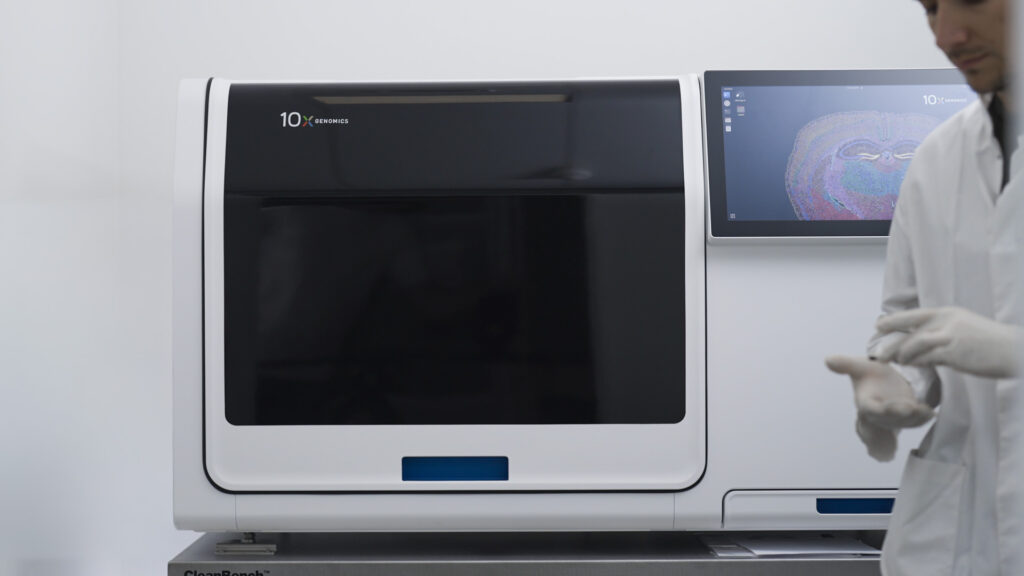
High-plex single-cell spatial transcriptomics
Xenium
What it answers on trial samples. Where responding and resisting cells sit in the tissue — cell-type identity, neighborhoods, and microenvironment context read at single-cell resolution.
Best when. Tissue architecture and cell-neighborhood organization drive the response question.
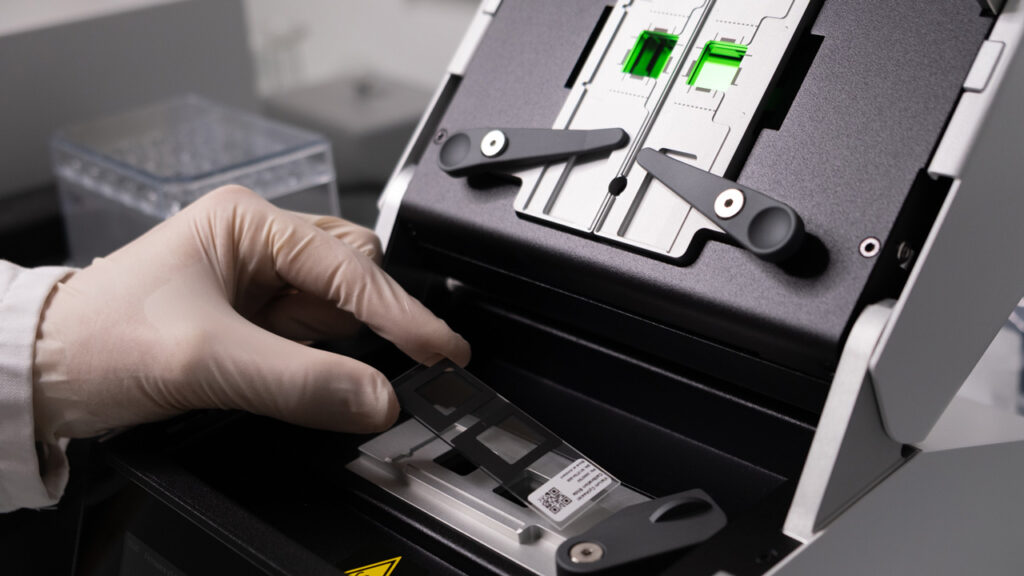
Whole-transcriptome spatial transcriptomics
Visium HD
What it answers on trial samples. Unbiased spatial discovery across the whole section — signatures of response and resistance mapped to tissue geography without a fixed gene list.
Best when. You need spatial context and the biology to look for isn't yet nailed down.
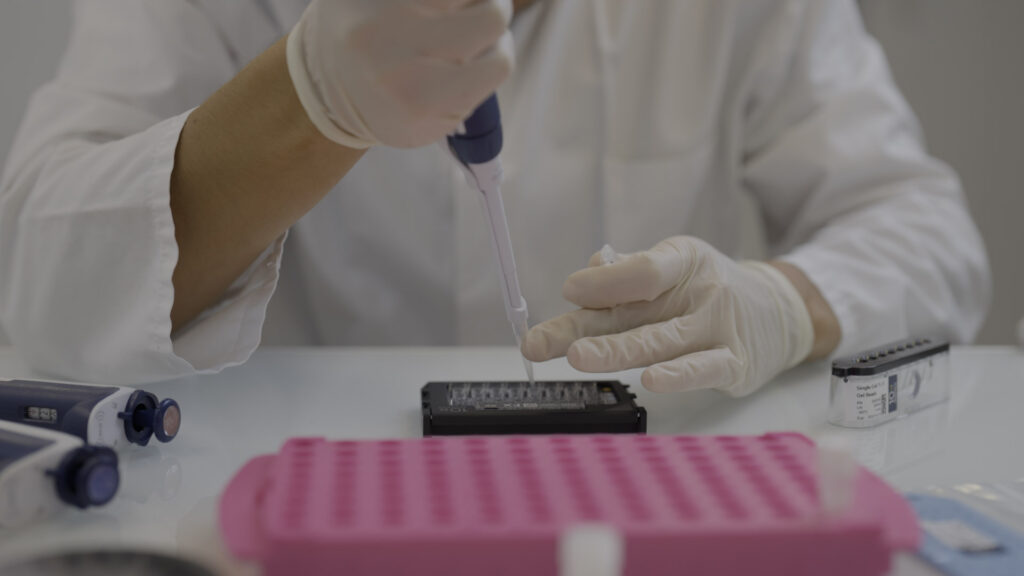
High-throughput single-cell RNA-seq
Chromium X
What it answers on trial samples. Which cell populations expand, exhaust, or activate on treatment — cell-state resolution of pharmacodynamic remodeling in tumor and peripheral samples.
Best when. Cellular heterogeneity and immune dynamics drive the response question, or when spatial context isn't required.
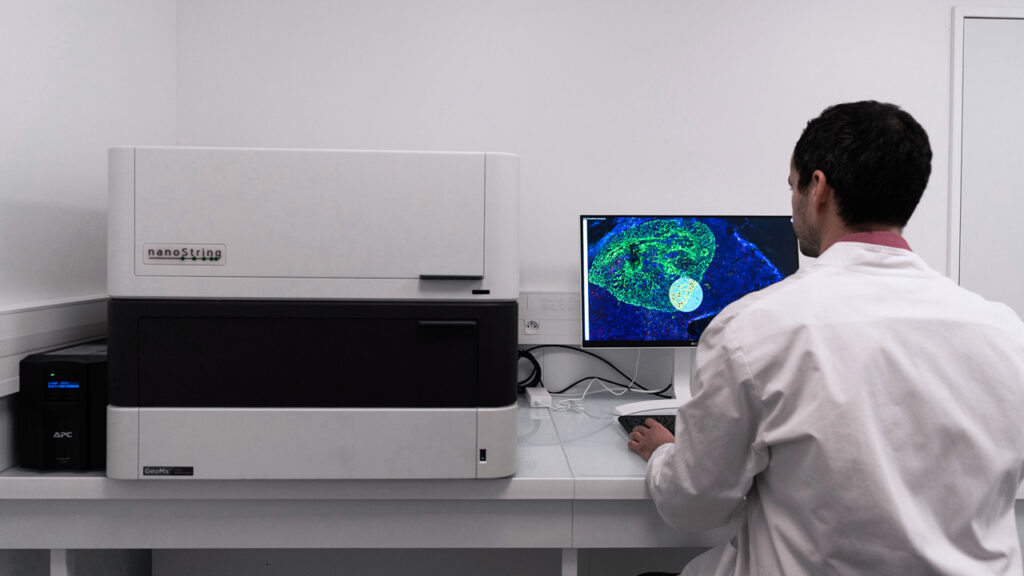
Region-of-interest digital spatial profiling
GeoMx DSP
What it answers on trial samples. Tumor-versus-stroma and pathology-defined compartment comparisons — targeted spatial contrasts that isolate where the biology sits.
Best when. The biomarker question is compartment-level rather than single-cell, or when tissue is limited and ROI selection maximizes signal per section.
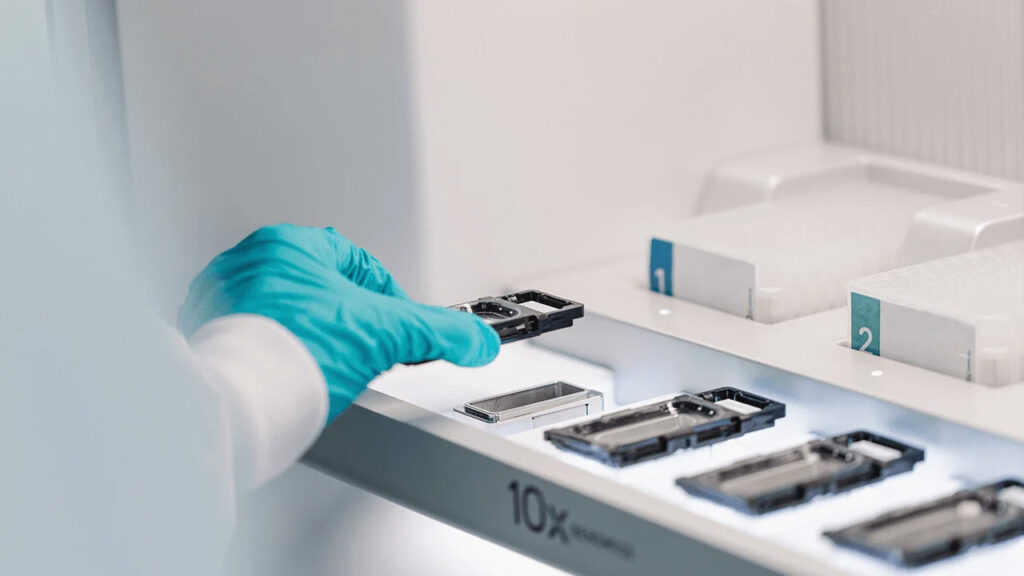
10x Genomics' next-generation spatial platform
Atera (starting Q4 2026)
Status. Explicyte has ordered an instrument and will begin Atera services in Q4 2026 – Q1 2027, extending our 10x-certified spatial toolkit as the platform reaches production.
Plan ahead. For trials sampling from 2027, we can scope Atera into the biomarker plan today and confirm timing once your protocol locks.

Whole-transcriptome cohort profiling
Bulk RNA-seq
What it answers on trial samples. Broad signatures of response and resistance across a full trial arm, at the lowest cost per sample.
Best when. Broad signal across many patients matters more than cellular or spatial resolution — including as a low-cost first pass before a focused single-cell or spatial follow-up.

representative EVIDENCE
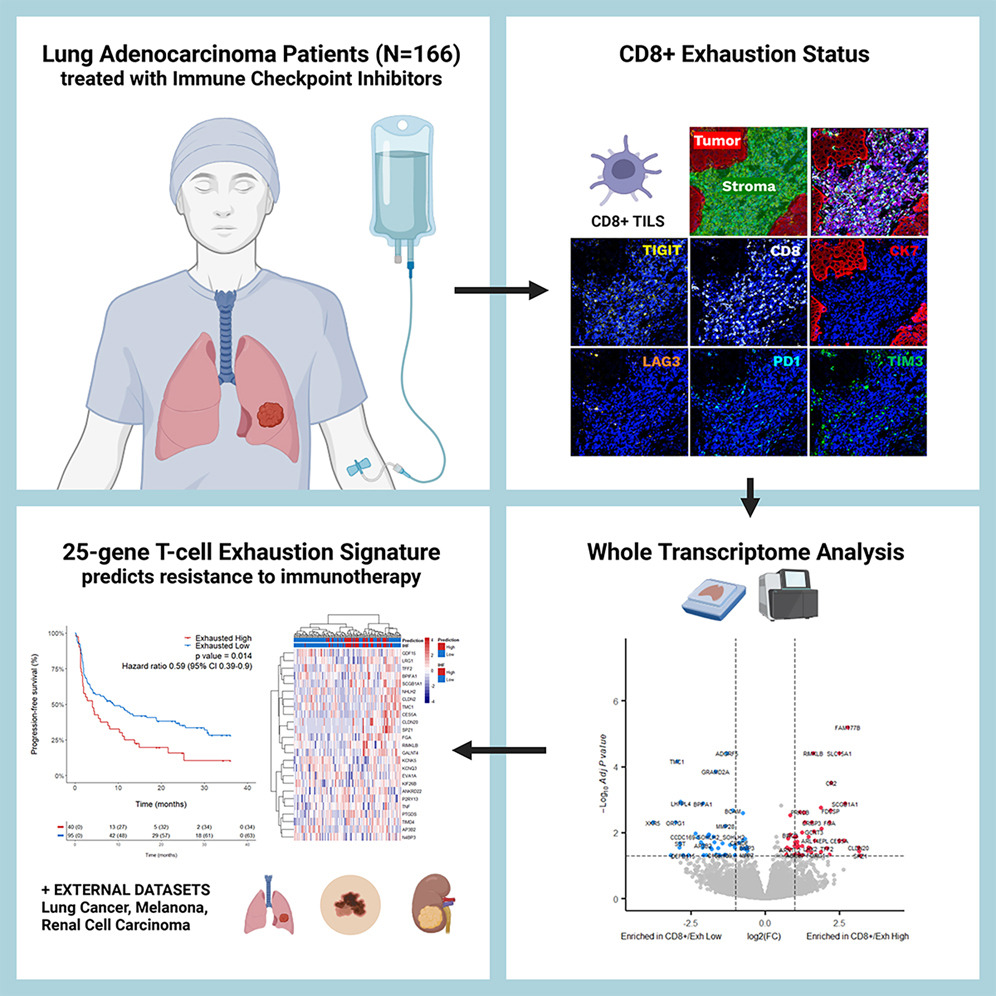
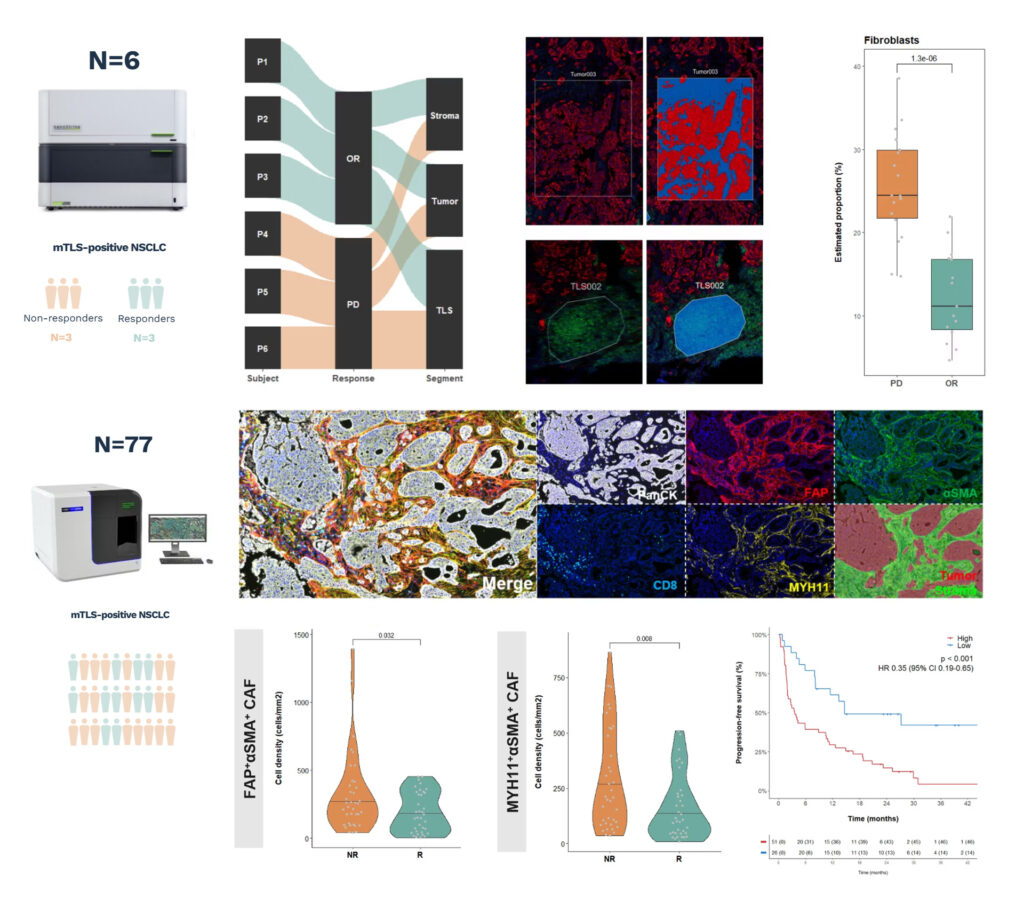
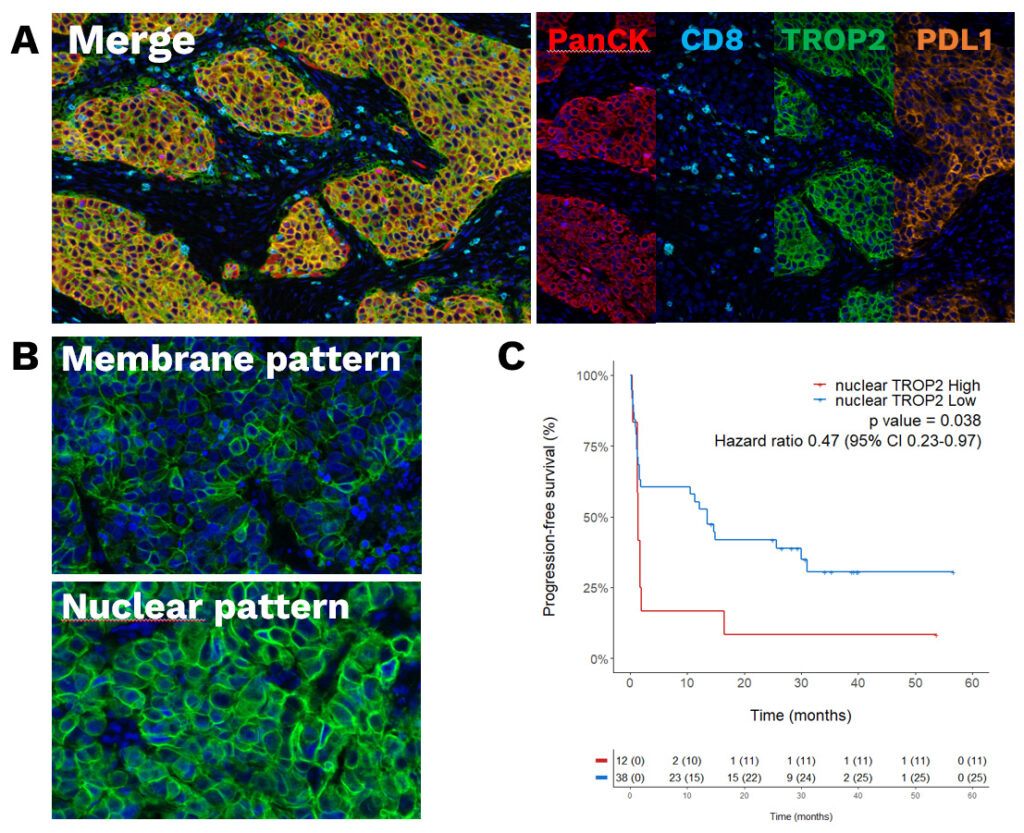
Published transcriptomic biomarkers from clinical cohorts
A dedicated infrastructure to support clinical trials
How we secure your biomarker program in trials

Sample management
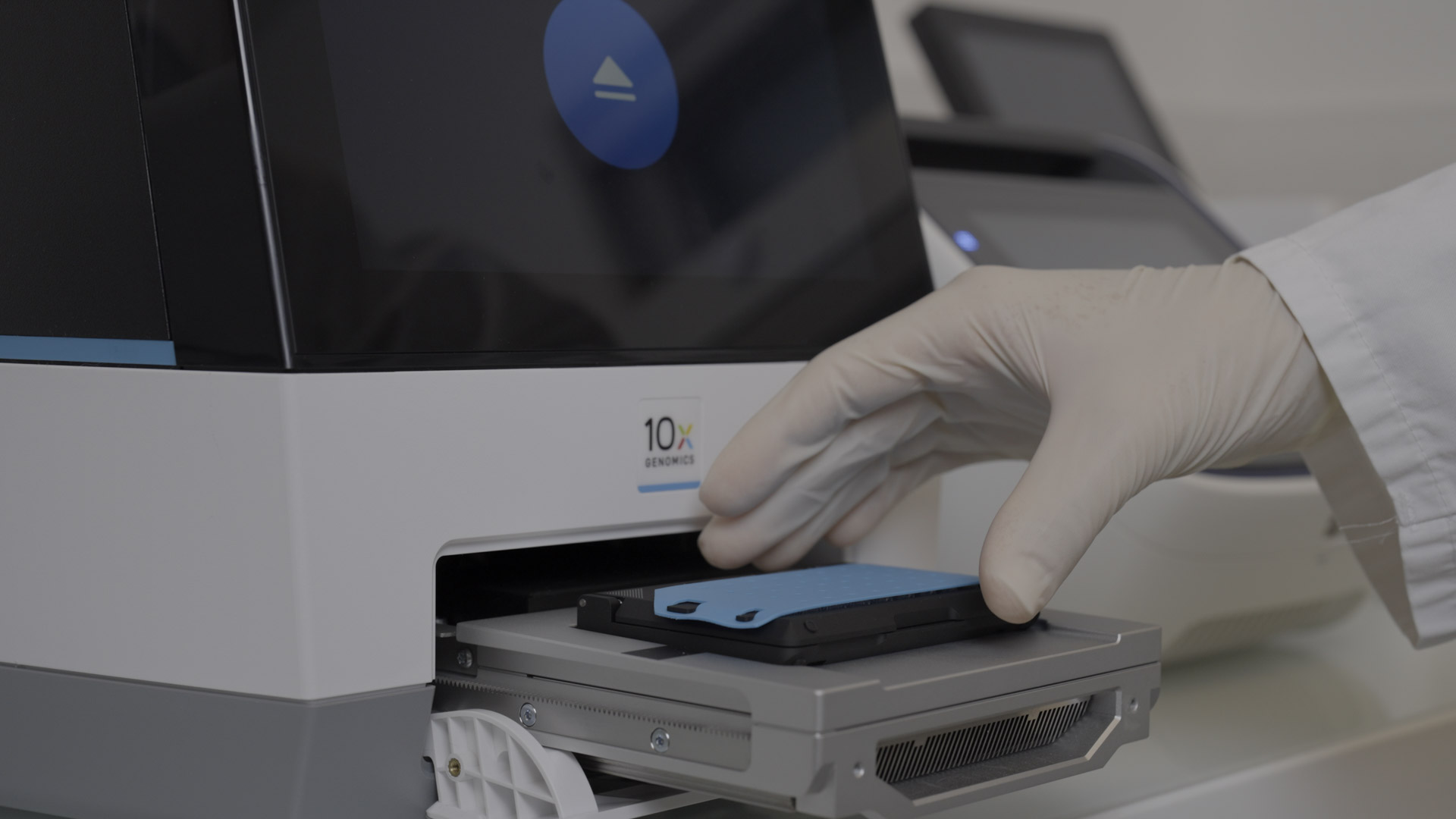
Expertise & technologies
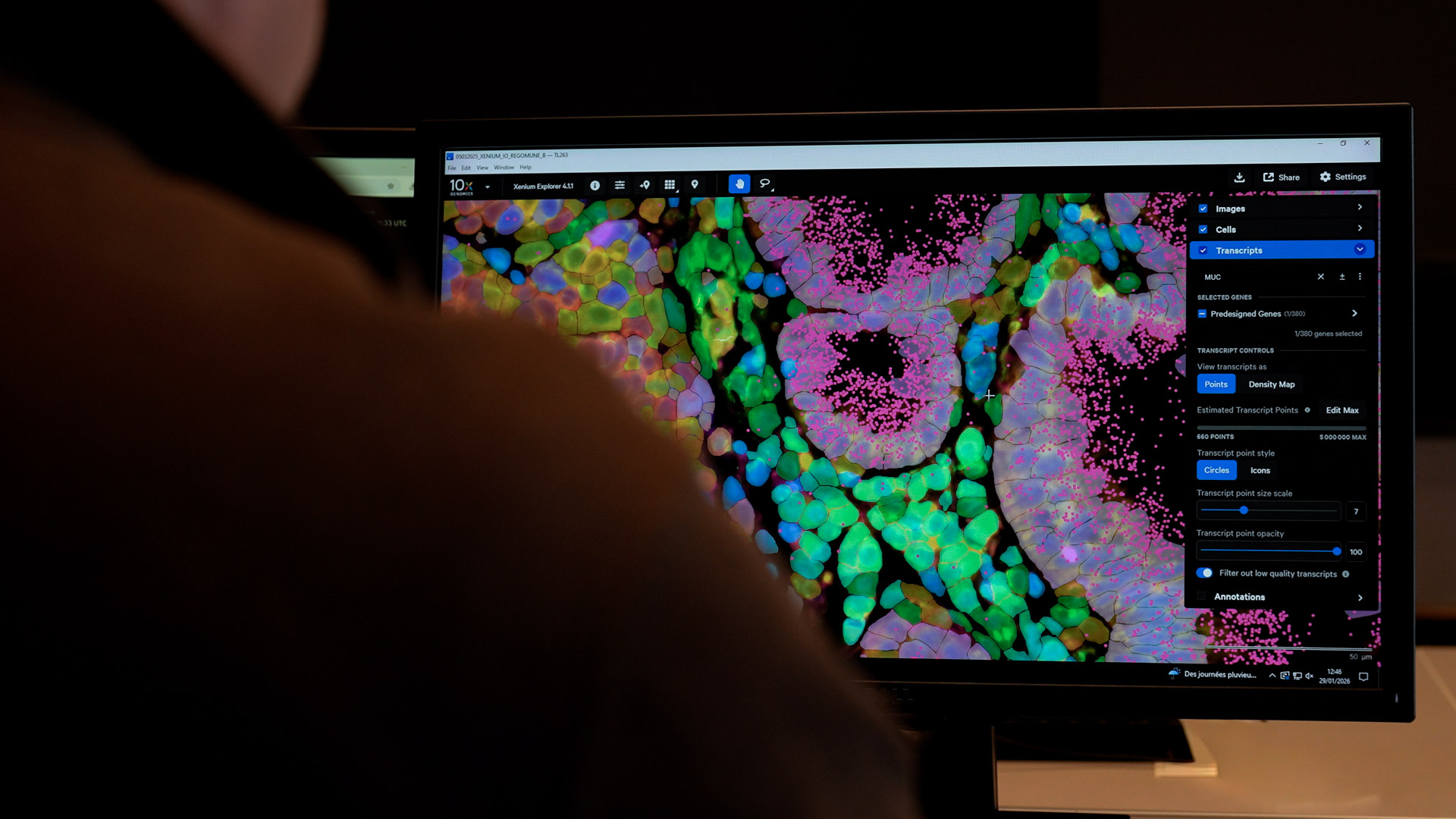
Actionable data

contact our team
Discuss your trial and request a quote
Whether you're designing the transcriptomic biomarker plan for an upcoming trial or analyzing samples already collected, we'll scope the right readouts, endpoints, and reporting — from patient selection to on-treatment mechanism of action.