Peripheral biomarker & immune monitoring services for oncology clinical trials

Explicyte delivers longitudinal peripheral biomarker studies across plasma, serum and PBMC samples, helping sponsors characterize treatment response, immune modulation and pharmacodynamic activity throughout oncology clinical trials.

Since 2018, we have partnered with comprehensive cancer centers and industry sponsors on translational biomarker programs, connecting longitudinal blood-based readouts with clinical outcomes and tumor biology to inform biomarker strategy and trial interpretation.

Published peripheral biomarker findings from clinical cohorts

Cancer Cell journal logoNature cancer journal logoJournal of Hematology & OncologyMolecular Cancer Research journal logoMolecular Cancer Research journal logoClinical cancer research journal logoExperimental Hematology & OncologyJournal of Hematology & OncologyJournal of Hematology & Oncologyannals of oncology

From baseline profiling to on-treatment monitoring

What peripheral biomarkers answer during a clinical trial

Longitudinal blood-based profiling can reveal treatment-associated molecular and immune changes, support pharmacodynamic assessment, and identify exploratory biomarkers associated with response or resistance.

Pharmacodynamics
& treatment activity

Track treatment-associated changes over time. Compare baseline, on-treatment and later timepoints to identify circulating molecular and cellular changes associated with pathway modulation and biological activity.

Immune monitoring & systemic remodeling

Follow how systemic immunity evolves during treatment. Longitudinal PBMC profiling can quantify changes in immune-cell populations, activation, differentiation and functional states across clinically relevant timepoints.

Response &
resistance biomarkers

Connect peripheral biology with clinical outcome. Relate baseline and longitudinal biomarker profiles to treatment response and outcome to identify exploratory signatures associated with benefit or resistance.

Discuss your biomarker strategy

Peripheral biomarker readouts

From circulating proteins and metabolites to cell-resolved immune states

Peripheral biomarker strategies can combine protein, metabolite and cellular readouts according to the biological question, clinical timepoints, available sample volume and level of resolution required.

Olink Proteomics Services Immuno-Oncology CRO

Circulating protein biomarkers

Profile cytokines, soluble immune mediators and broader plasma or serum protein signatures associated with treatment activity, response or resistance.

Explore Olink Reveal proteomics
Targeted metabolites & immunometabolism biomarker analysis

Targeted metabolites & immunometabolism

Measure selected circulating metabolites using fit-for-purpose immunoassays or targeted LC-MS/MS profiling to track metabolic and immunometabolic changes across clinical timepoints.

Representative evidence

Peripheral biomarker findings from clinical cohorts

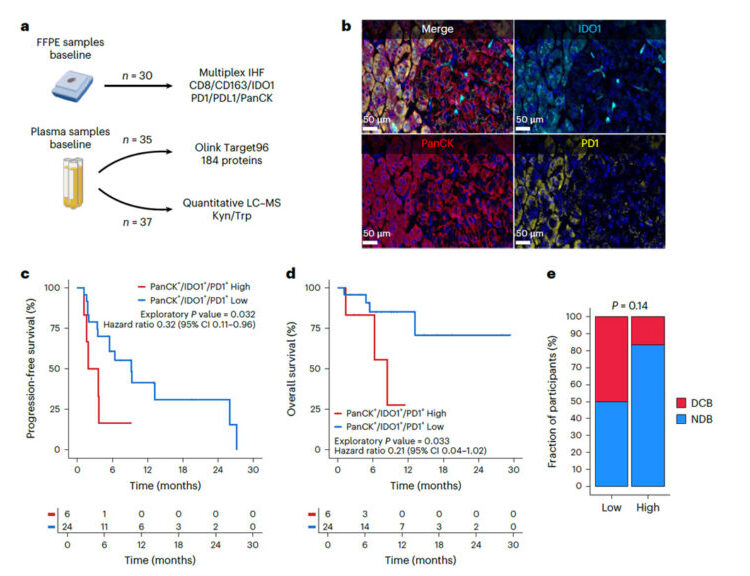
Peripheral IDO1 activity and soluble PD-L1 identify resistance signals in a phase II trial

Higher plasma Kyn/Trp ratio and soluble PD-L1 were associated with resistance or poor response and complemented tissue-level IDO1 and PD-1 profiling.

Clinical trial: 47 patients with advanced gastroenteropancreatic neuroendocrine neoplasms were enrolled in the phase II REGOMUNE study; 42 were evaluable for efficacy.

Peripheral profiling: Plasma Kyn/Trp ratio provided a readout of IDO1 activity, while Olink profiling characterized circulating immune-related proteins including soluble PD-L1.

Integrated finding: Higher peripheral IDO1 activity and soluble PD-L1 were associated with resistance or poorer outcome and complemented tumor-level IDO1/PD1 profiling.

Peripheral IDO1 activity and soluble PD-L1 identify resistance signals in a phase II trial

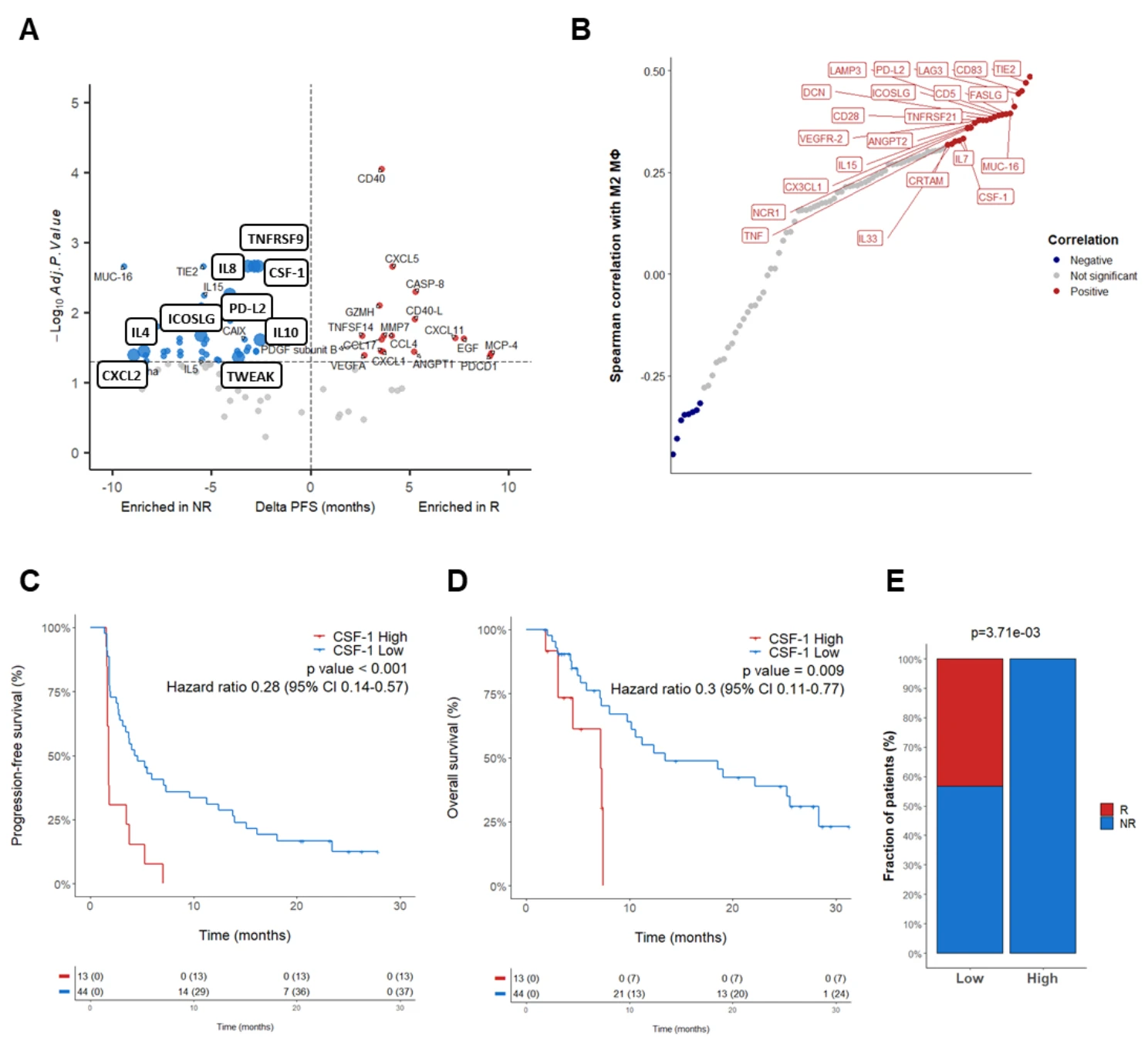
Circulating cytokines track macrophage-driven resistance in gastric cancer

Plasma proteomics combined with tumor profiling linked circulating macrophage-associated cytokines to primary resistance to PD-1/PD-L1 plus antiangiogenic therapy.

Clinical context: Baseline samples from patients with advanced gastric cancer enrolled in the REGOMUNE and REGONIVO studies were analyzed according to treatment response.

Integrated profiling: Plasma proteomics was combined with spatial transcriptomics and multiplex tissue imaging to connect circulating biomarkers with the tumor immune microenvironment.

Finding: Higher circulating CSF-1, IL-4, IL-8 and TWEAK were associated with poorer outcome and with increased M2-like macrophage abundance in tumor tissue.

Circulating cytokines mirror macrophage-driven resistance in gastric cancer

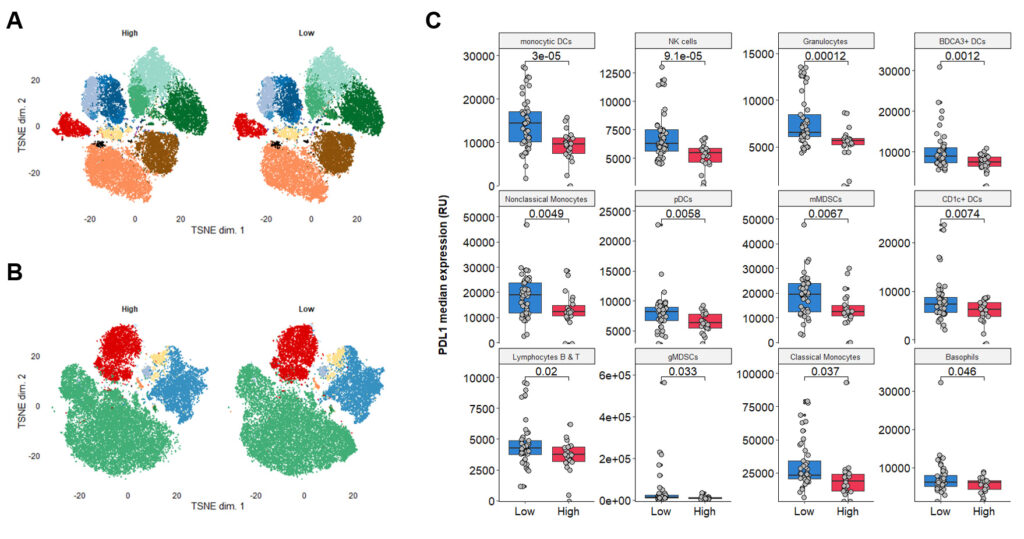
Baseline plasma L-arginine is associated with ICI outcome

Baseline circulating L-arginine was associated with clinical benefit from immune-checkpoint blockade and linked to the phenotype of circulating myeloid cells.

Clinical cohorts: Plasma L-arginine was assessed in independent ICI-treated cohorts, including a 77-patient discovery cohort and a 296-patient validation cohort.

Integrated peripheral profiling: L-arginine was quantified using a validated ELISA assay, while matched PBMCs were characterized by multiplex flow cytometry.

Finding: Low baseline L-arginine was independently associated with poorer clinical benefit, PFS and OS, and with increased PD-L1 expression in several circulating myeloid populations.

Baseline plasma L-arginine is associated with ICI outcome

A dedicated infrastructure to support clinical trials

How we support peripheral biomarker programs in trials
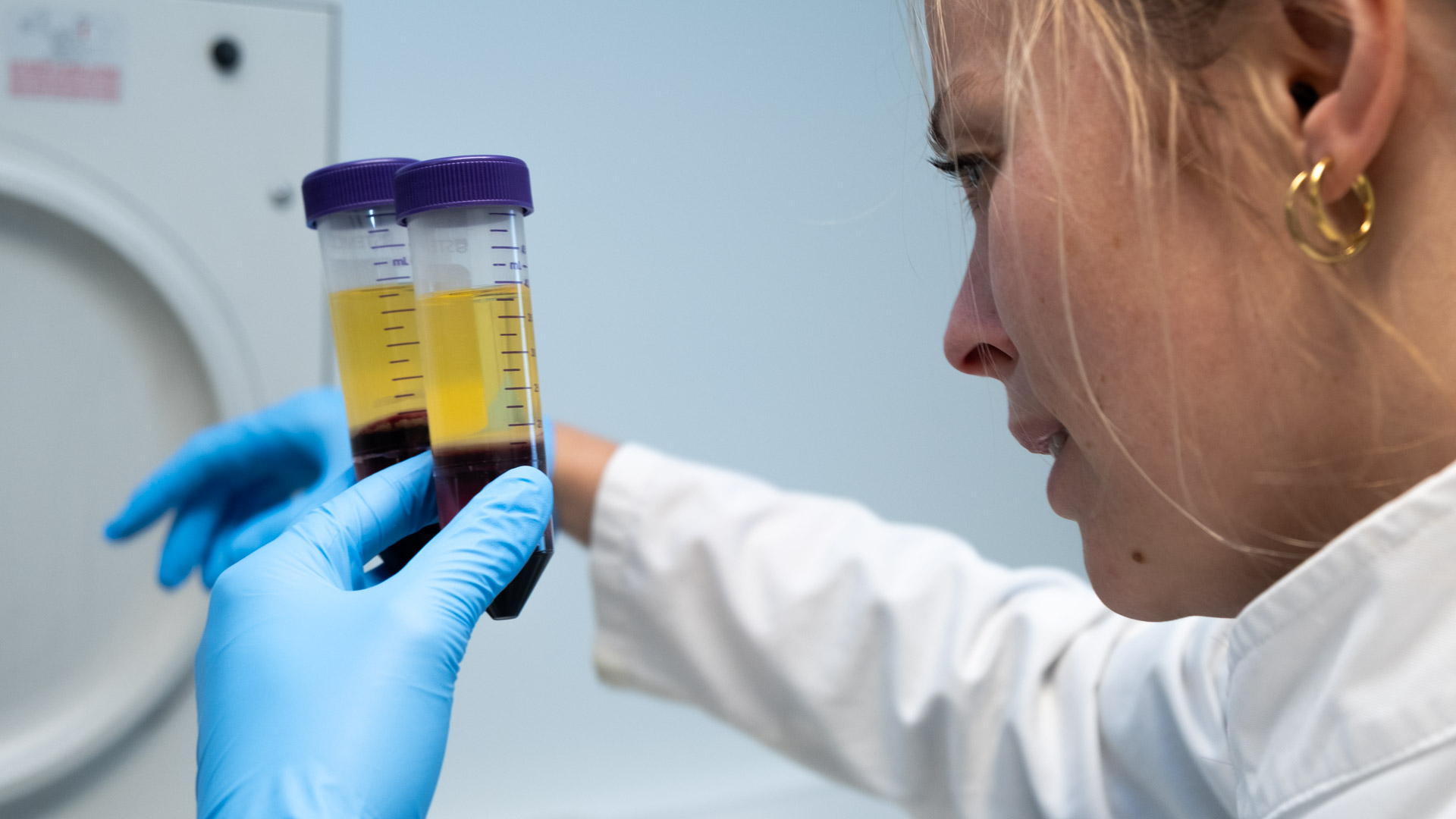
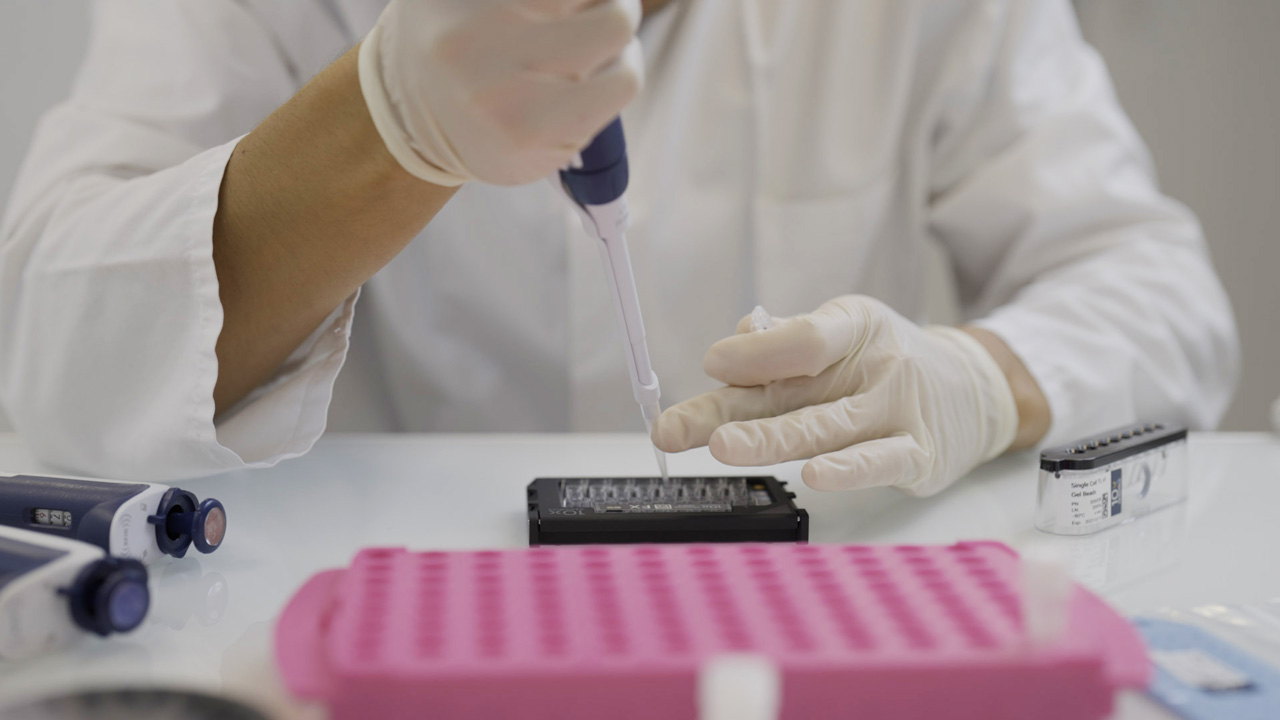
Explicyte technician preparing immune cells for multiplex flow cytometry

Biomarker & sampling strategy

  • Define the biological hypotheses, sample types, clinical timepoints, available volumes and exploratory endpoints before study initiation, then align the biomarker plan with treatment cycles and the clinical protocol.
Chromium X Single-Cell RNA-seq CRO

Longitudinal sample management

  • Establish collection, processing, shipment, storage and metadata requirements across plasma, serum and cellular samples to preserve comparability between sites and timepoints.
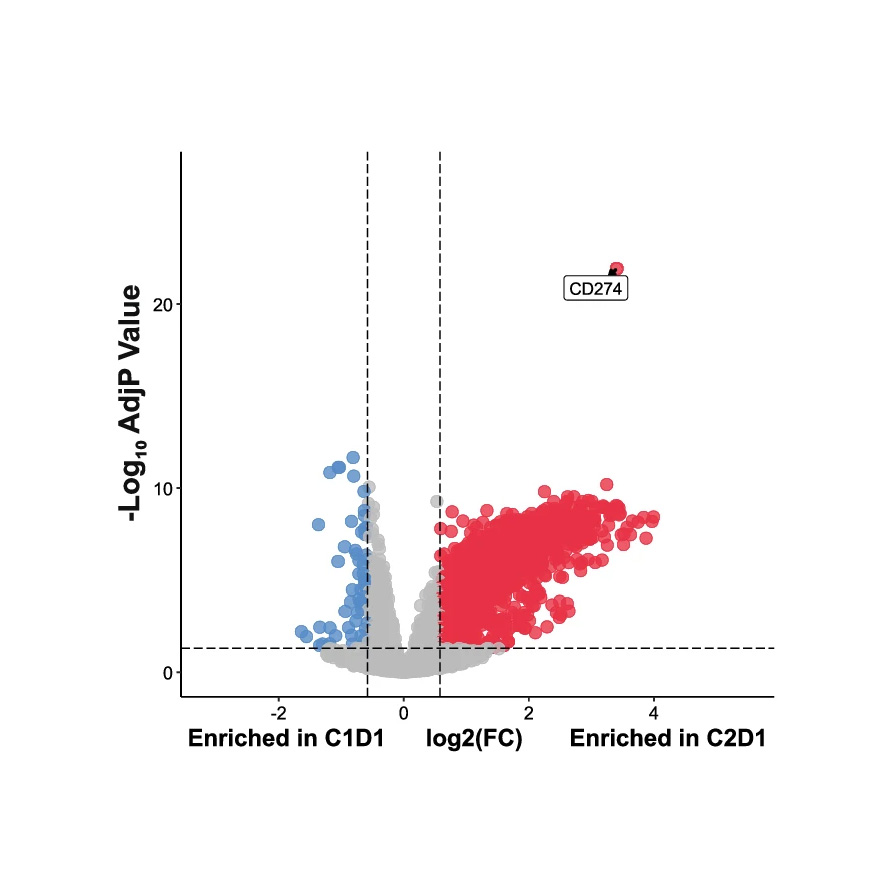
Volcano plot from an Olink plasma proteomics dataset analyzed by Explicyte

Integrated analysis & reporting

  • Analyze biomarker changes across timepoints, relate them to clinical variables and, where available, integrate peripheral findings with matched tissue data for biological interpretation and sponsor-ready reporting.

Tissue integration

Connect peripheral biomarkers with tumor biology

Integrate circulating and cellular biomarker changes with matched pathology, IHC/mIF, transcriptomic or spatial-biology data to relate systemic responses to changes within the tumor microenvironment.

The Explicyte team at their Bordeaux laboratory

contact our team

Discuss your peripheral biomarker strategy

Tell us the indication, treatment, available sample types, planned clinical timepoints and key biomarker questions. We'll help define the most informative peripheral readouts, sampling strategy and analysis plan for your study.

Answers about peripheral biomarker services for oncology trials

Frequently asked questions

What are peripheral biomarkers in an oncology clinical trial?

Peripheral biomarkers are molecular or cellular measurements derived from blood-based samples such as plasma, serum or PBMCs. They can be used longitudinally to characterize treatment-associated biological changes, immune responses and pharmacodynamic activity.

Depending on the selected assay and study design, peripheral workflows can include plasma, serum, PBMCs and other blood-derived cellular preparations. Collection, processing and storage requirements are defined according to the selected readout and clinical protocol.

Available approaches include circulating protein profiling, targeted metabolite analysis and LC-MS/MS metabolomics, multiparameter immune-cell phenotyping and single-cell molecular profiling. The combination is selected according to the biological question, sample availability and clinical timepoints.

Yes. Baseline, on-treatment and later timepoints can be compared to assess changes in immune populations, cellular states and circulating molecular biomarkers during treatment.

Yes. Peripheral datasets can be integrated with matched pathology, IHC/mIF, transcriptomic or spatial data when suitable tissue samples are available.

Yes. Sample types, timepoints, processing requirements, assay selection and analysis strategy can be defined during study planning to align the biomarker workflow with the clinical and biological objectives.

Deliverables are tailored to the study and can include processed assay data, longitudinal comparisons, biomarker–outcome analyses, integrated figures, biological interpretation and sponsor-ready reporting.

Explicyte Oncology CRO logo

Capabilities

Modalities