
How an engineered CD40 antibody, injected into tumors, builds the immune structures that drive whole-body cancer responses
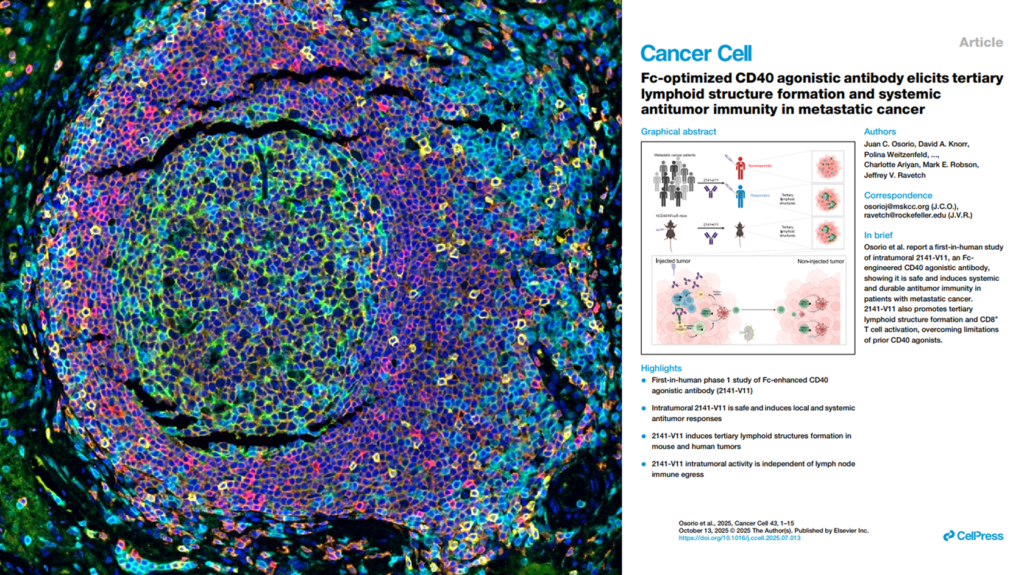
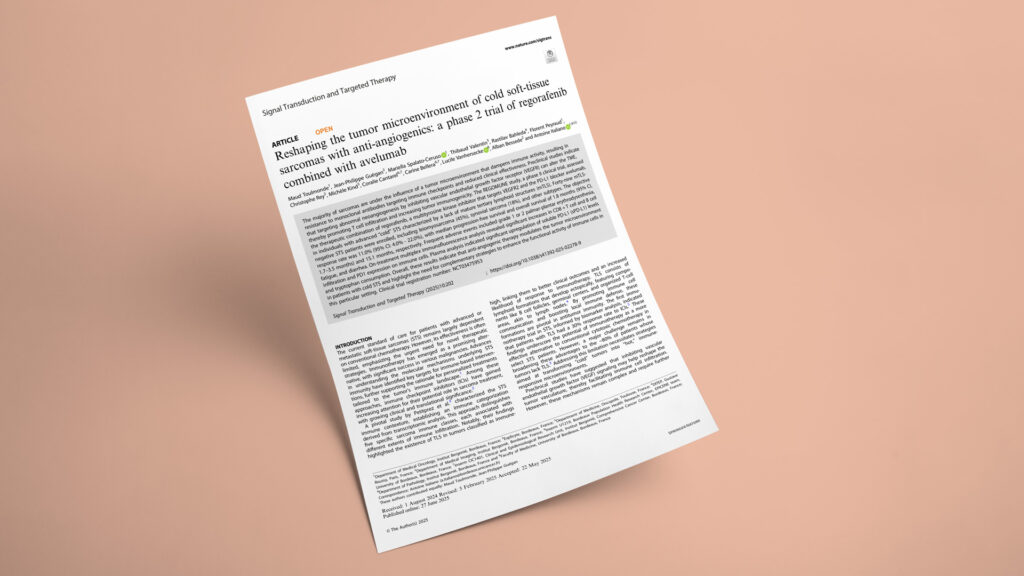
How regorafenib plus avelumab reshapes the immune microenvironment of “cold” soft-tissue sarcomas — and why response stays elusive
Spatial transcriptomics reveal crucial determinants of immune exclusion in non-small cell lung cancer: an analysis of the precision medicine BIP study
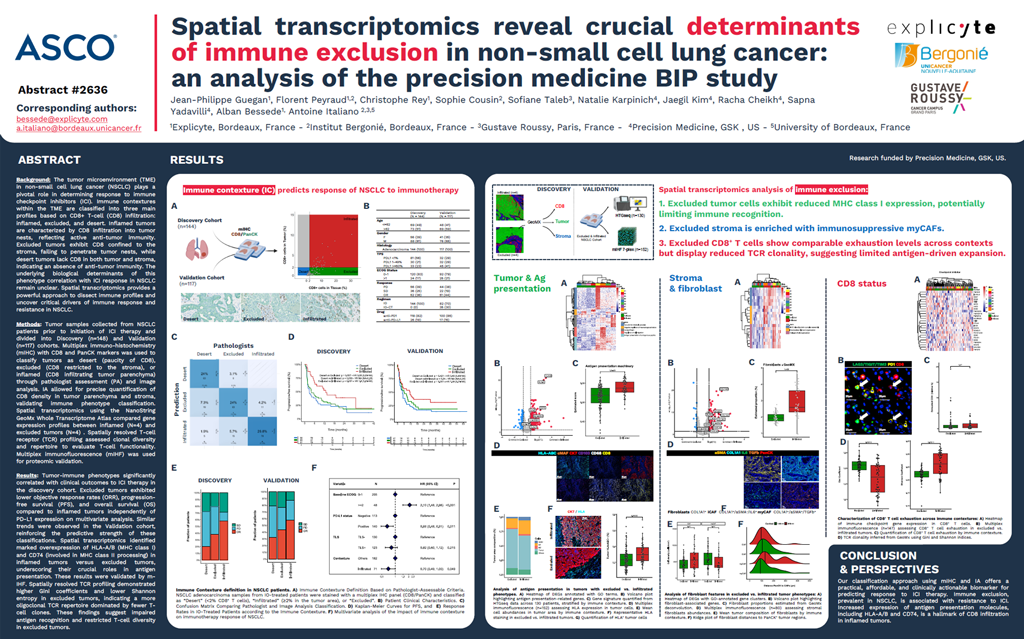
Background The tumor microenvironment (TME) in non-small cell lung cancer (NSCLC) plays a pivotal role in determining response to immune checkpoint inhibitors (ICI). Immune contextures within the TME are classified into three main profiles based on CD8+ T-cell (CD8) infiltration: inflamed, excluded, and desert. Inflamed tumors are characterized by CD8 infiltration into tumor nests, reflecting […]
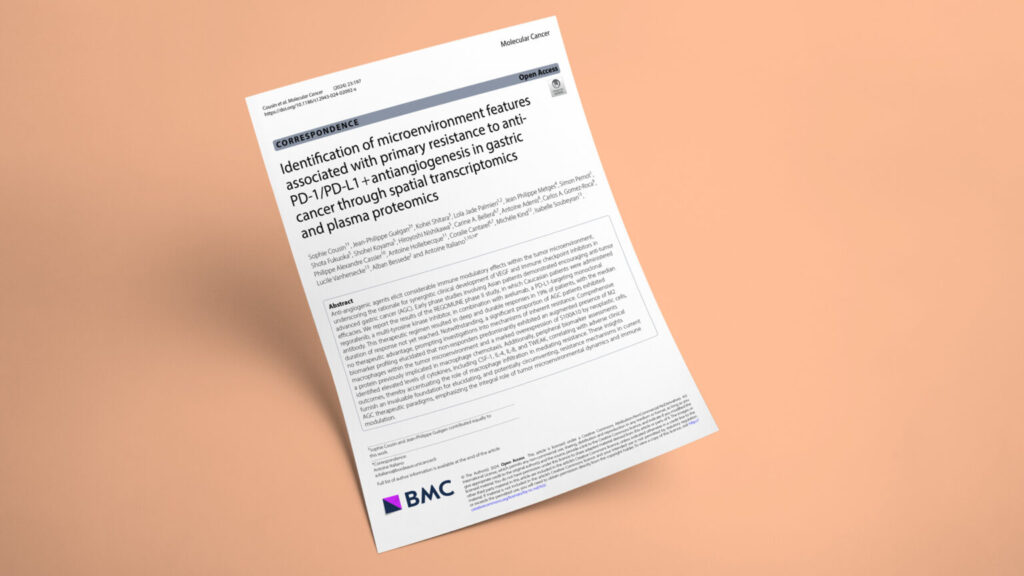
Why do gastric cancers resist PD-1 plus antiangiogenesis? Spatial and plasma profiling points to M2 macrophages
Can an oncolytic virus turn “cold” sarcomas hot? Intratumoral JX-594 with avelumab raised CD8 T cells but not responses
Does metronomic trabectedin reprogram the sarcoma immune microenvironment? A macrophage-and-T-cell shift that tracks with better outcomes
Why intravenous oncolytic virus JX-594 lit up immune biomarkers but not tumor responses in HR+ breast cancer
Why the TLR4 agonist G100 boosted T cells but not PD-1 response in “cold” soft tissue sarcoma
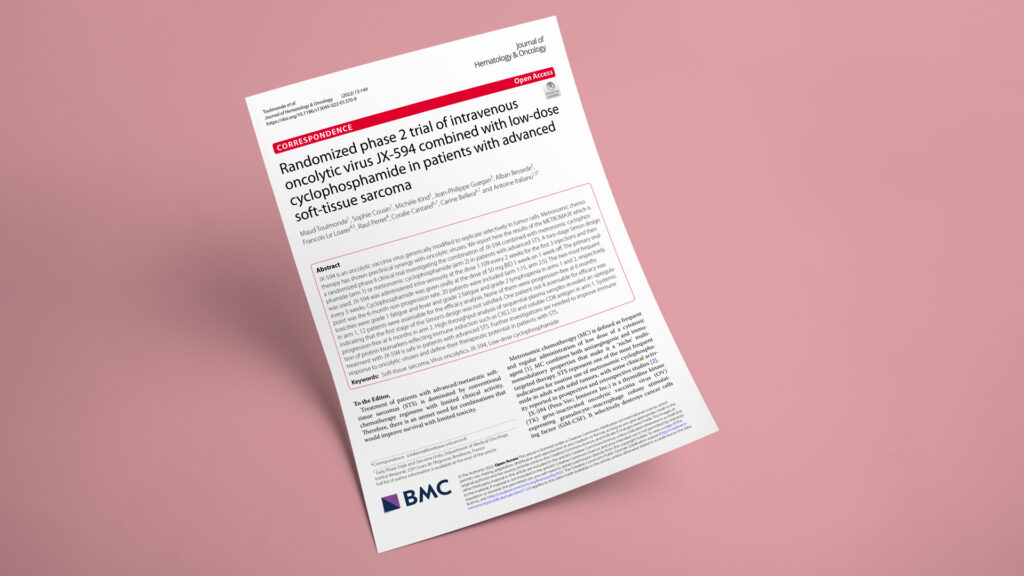
Why systemic oncolytic virus JX-594 stirred an immune signal but not clinical benefit in soft tissue sarcoma
Low plasma Arginine level is associated with resistance to immune checkpoint inhibitors in patients with advanced cancer
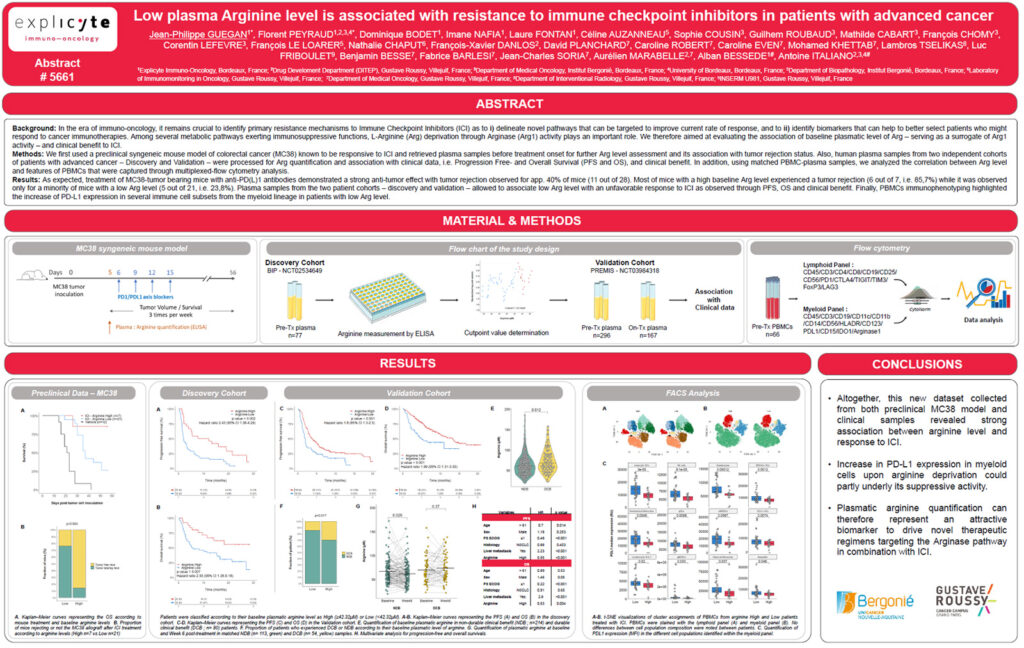
Background In the era of immuno-oncology, identifying primary resistance mechanisms to immune checkpoint inhibitors remains crucial. A better understanding of these mechanisms may help to identify novel pathways that can be targeted to improve response rates, as well as biomarkers that could support the selection of patients more likely to benefit from cancer immunotherapies. Among […]