Can CD163 macrophages help select MSS colorectal cancer patients for regorafenib plus avelumab?
How BAF/PBAF chromatin-remodeler mutations predict better checkpoint-inhibitor outcomes — and point toward combination strategies
Comprehensive assessment of anti-tumor PDL1 blockade effect in a sarcoma mouse model
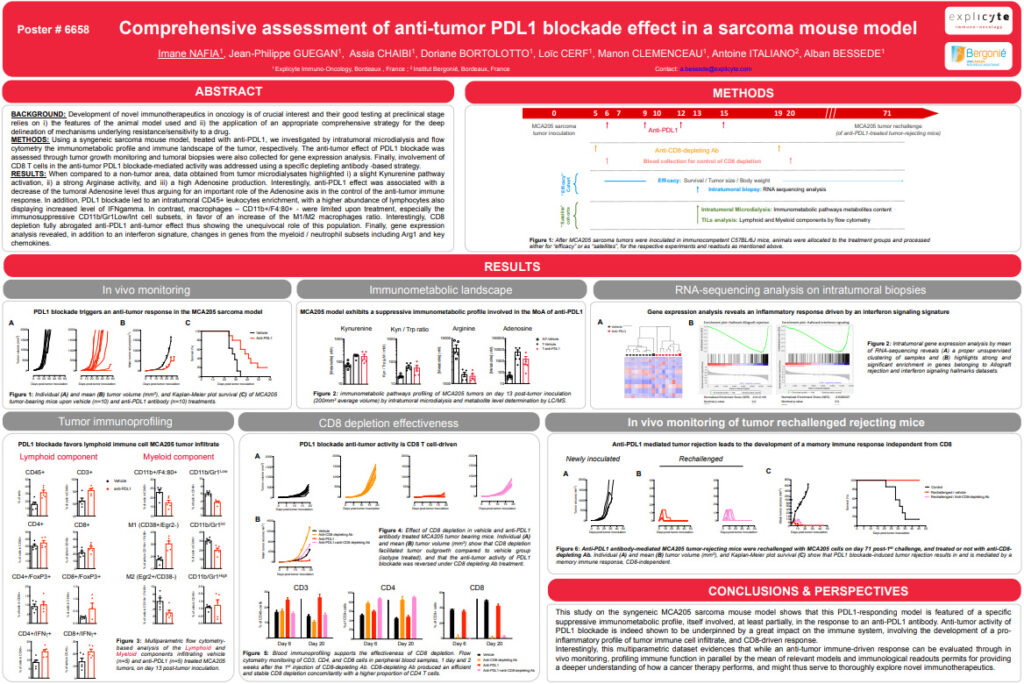
Background Development of novel immunotherapeutics in oncology is of major interest. Their preclinical evaluation relies on two key elements: the relevance of the animal model used and the implementation of a comprehensive strategy to deeply characterize the mechanisms underlying drug resistance or sensitivity. Methods Using a syngeneic sarcoma mouse model treated with anti-PD-L1, we investigated […]
“GPCR-ome” modulation upon PD1 / PDL1 axis blockade
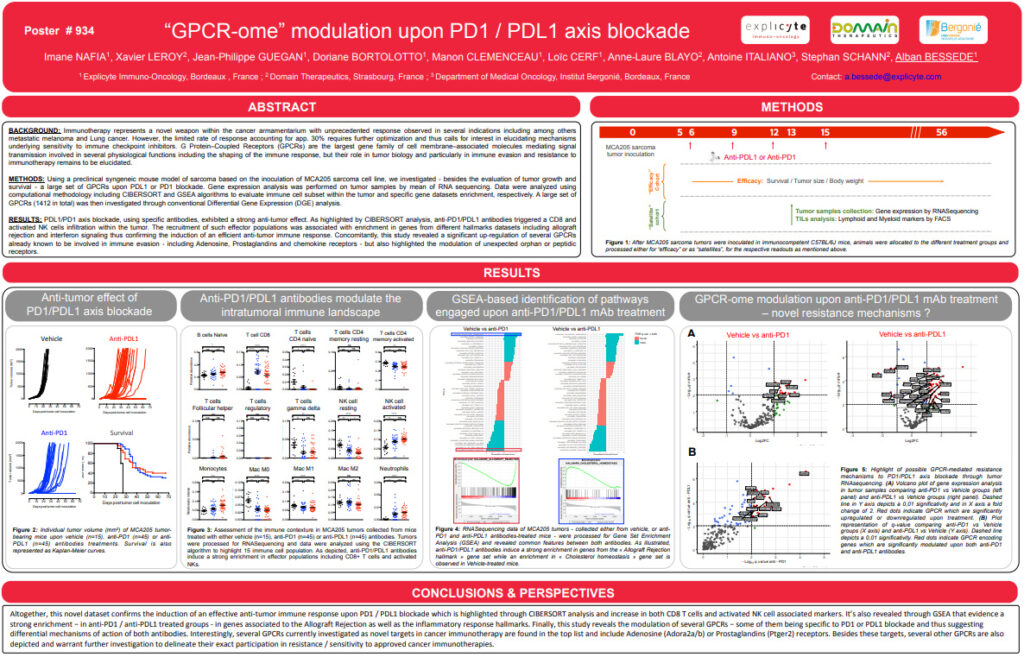
Background Immunotherapy represents a novel weapon in the cancer armamentarium, with unprecedented responses observed in several indications, including metastatic melanoma and lung cancer. However, the limited response rate, accounting for approximately 30%, requires further optimization and calls for a better understanding of the mechanisms underlying sensitivity to immune checkpoint inhibitors. G protein-coupled receptors (GPCRs) are […]
Why IDO1 blockade lowered kynurenine but failed to improve anti-PDL1 efficacy in sarcoma
Does cabozantinib help in advanced Ewing sarcoma and osteosarcoma — and can plasma biomarkers flag who responds?
The Kynurenine Pathway as a possible resistance mechanism to immunotherapy in sarcomas
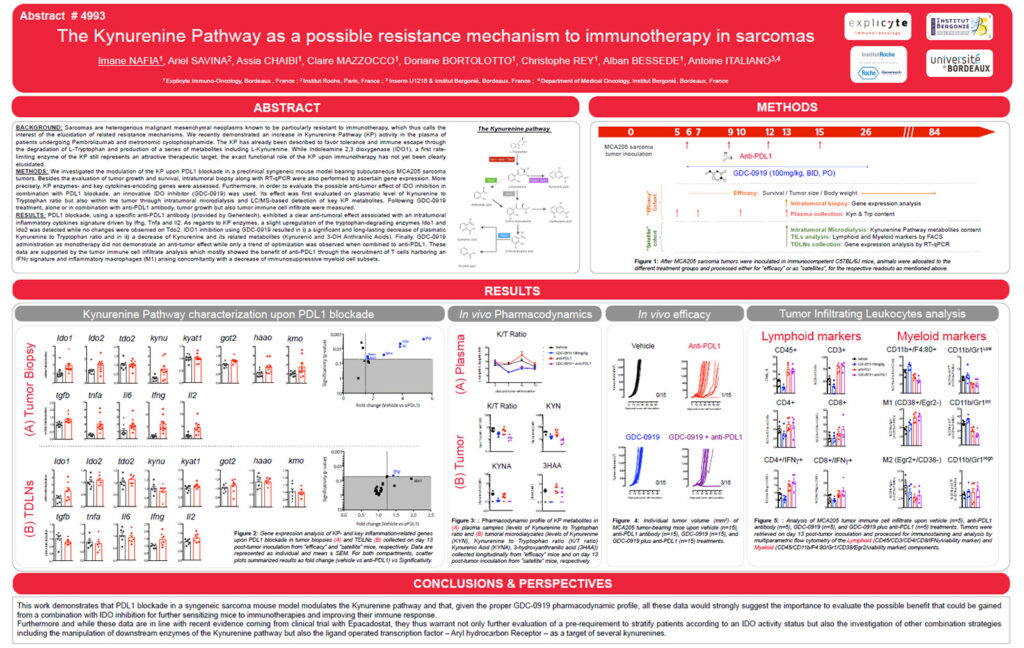
Background Sarcomas are heterogeneous malignant mesenchymal tumors known to be particularly resistant to immunotherapy. This resistance highlights the need to better understand the biological mechanisms limiting response to immune checkpoint inhibitors. We previously observed increased activity of the kynurenine pathway in the plasma of patients treated with pembrolizumab and metronomic cyclophosphamide. The kynurenine pathway is […]
Functional evidence for an immunosuppressive role of kynurenine in cancer patients
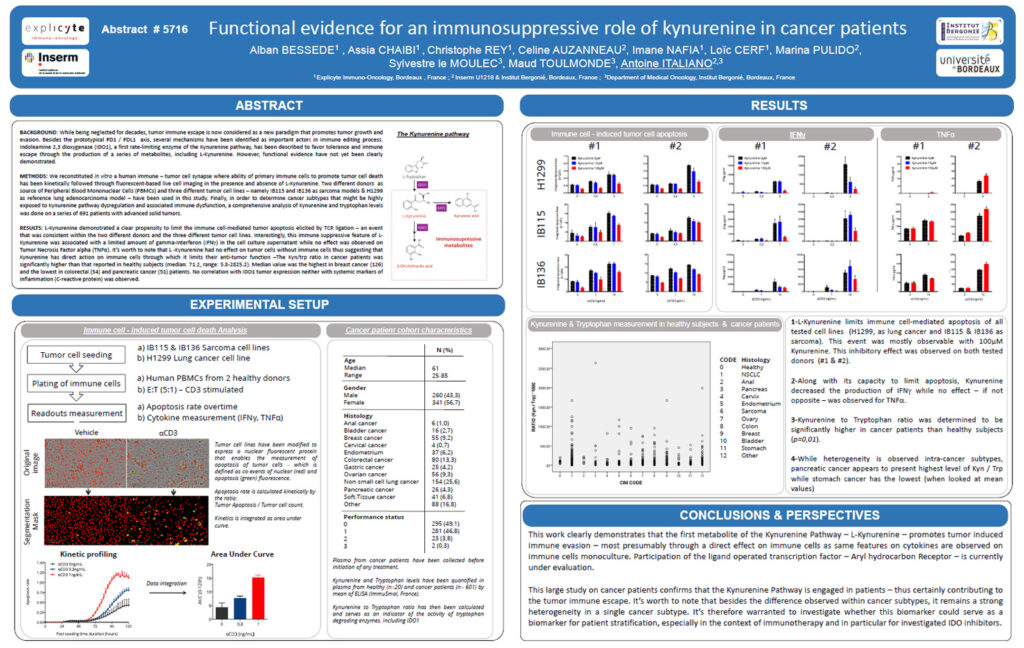
Background Long neglected, tumor immune escape is now considered a key mechanism promoting tumor growth and immune evasion. Beyond the prototypical PD1/PDL1 axis, several additional pathways have been identified as important contributors to the immune editing process. Indoleamine 2,3-dioxygenase 1, or IDO1, is a first rate-limiting enzyme of the kynurenine pathway. This pathway has been […]
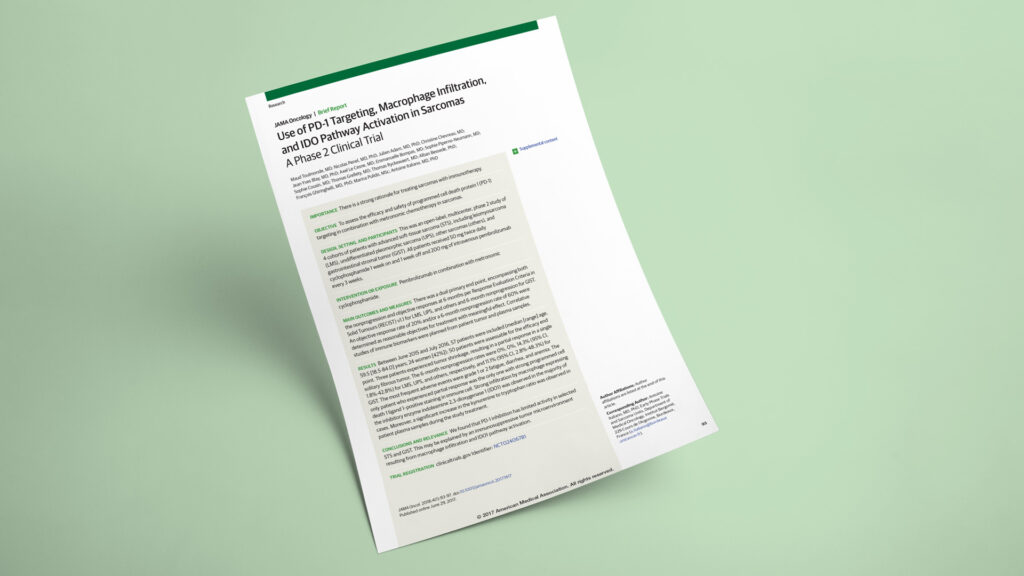
Why PD-1 blockade falls short in soft-tissue sarcoma — and the macrophage/IDO1 axis behind it
Why IDO1 staining can miss L-kynurenine production in colorectal and breast tumors