
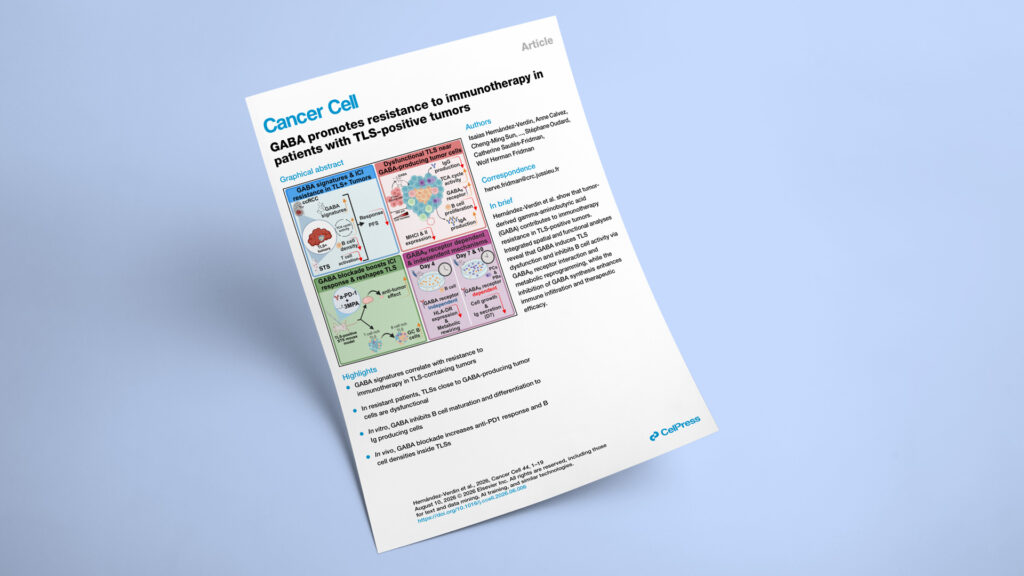
How tumor-derived GABA disables tumor TLSs and drives anti-PD-1 resistance in cancer
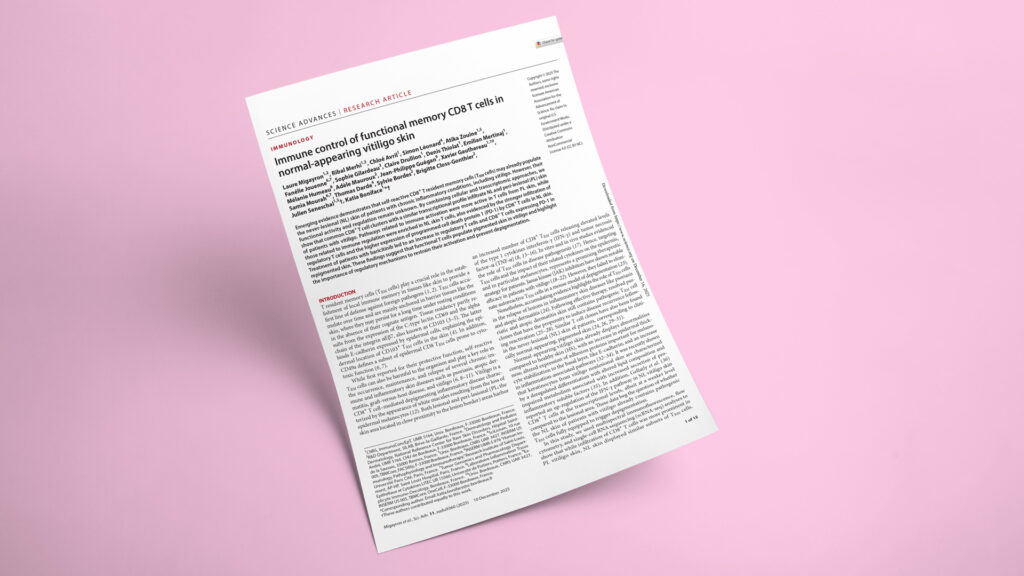
How normal-appearing vitiligo skin keeps its pigment: PD-1 and regulatory T cells restrain disease-ready CD8 T cells
Spatial transcriptomics reveal crucial determinants of immune exclusion in non-small cell lung cancer: an analysis of the precision medicine BIP study
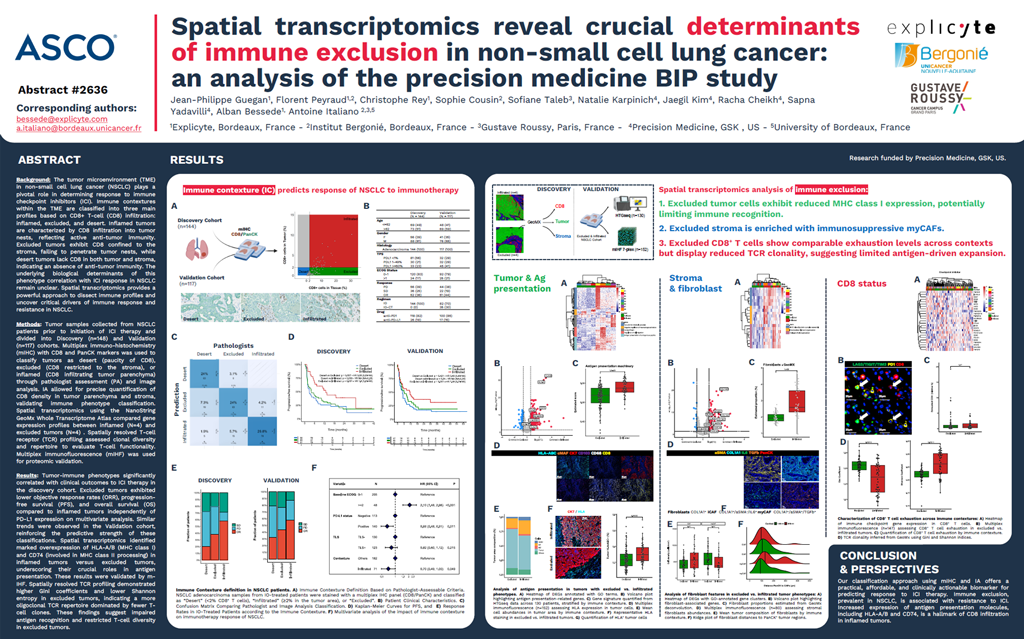
Background The tumor microenvironment (TME) in non-small cell lung cancer (NSCLC) plays a pivotal role in determining response to immune checkpoint inhibitors (ICI). Immune contextures within the TME are classified into three main profiles based on CD8+ T-cell (CD8) infiltration: inflamed, excluded, and desert. Inflamed tumors are characterized by CD8 infiltration into tumor nests, reflecting […]
CCR8 positive Tregs and Their Correlation with Immunotherapy Response in Advanced Non-Small Cell Lung Cancer (NSCLC)
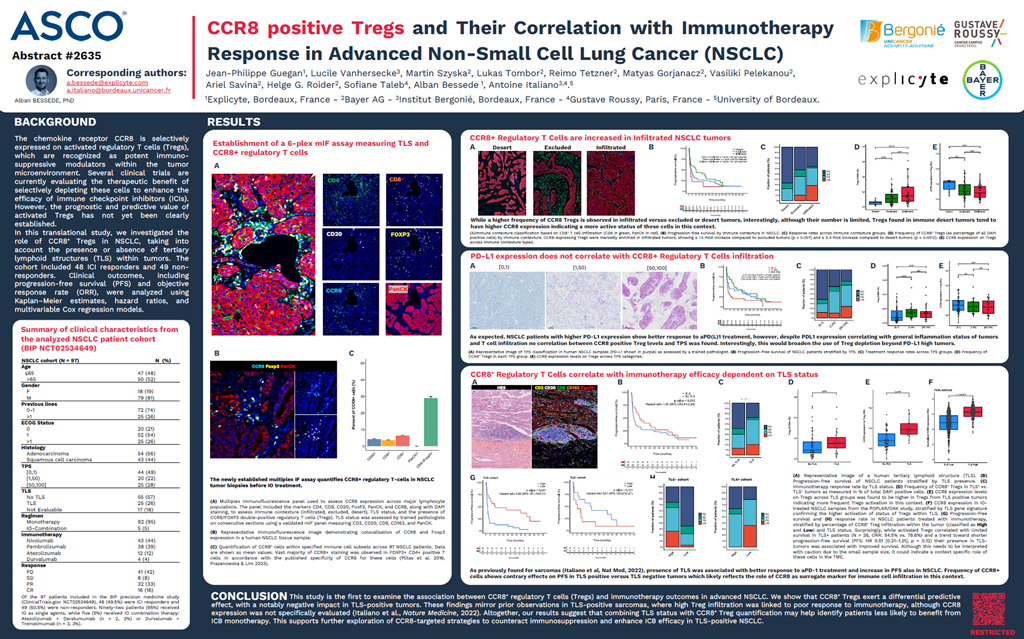
The chemokine receptor CCR8 is selectively expressed on activated regulatory T cells (Tregs), which are recognized as potent immunosuppressive modulators within the tumor microenvironment. Several clinical trials are currently evaluating the therapeutic benefit of selectively depleting these cells to enhance the efficacy of immune checkpoint inhibitors (ICIs). However, the prognostic and predictive value of activated […]
Tertiary Lymphoid Structures as Predictors of Immune Checkpoint Inhibitor Efficacy in NSCLC & the Development of an Ex Vivo Model for Precision Medicine
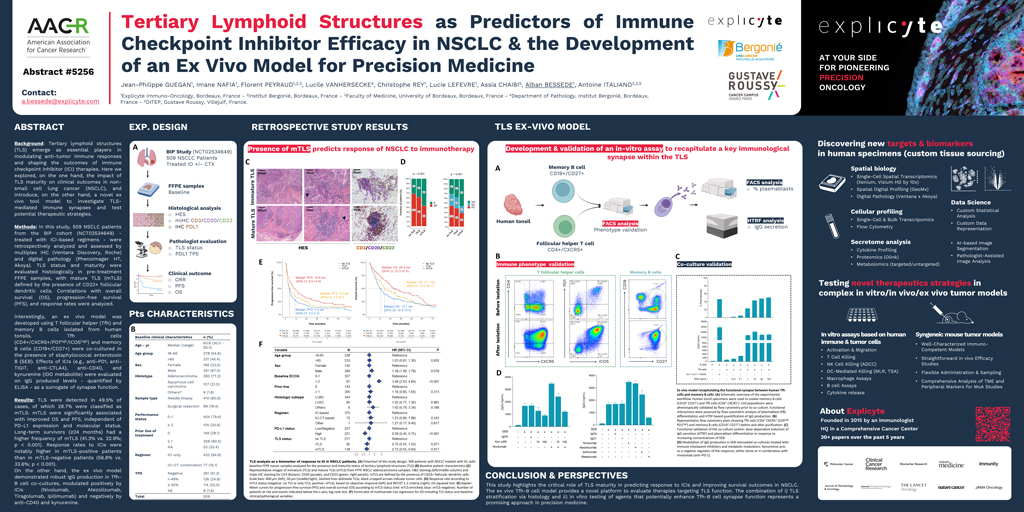
Tertiary lymphoid structures (TLS) emerge as essential players in modulating anti-tumor immune responses and shaping the outcomes of immune checkpoint inhibitor (ICI) therapies. Here we explored, on the one hand, the impact of TLS maturity on clinical outcomes in non-small cell lung cancer (NSCLC), and introduce, on the other hand, a novel ex vivo tool […]
Impact of Immune Contexture on Immunotherapy Response in NSCLC: Insights from Multiplex IHC and Machine Learning-Based Phenotyping
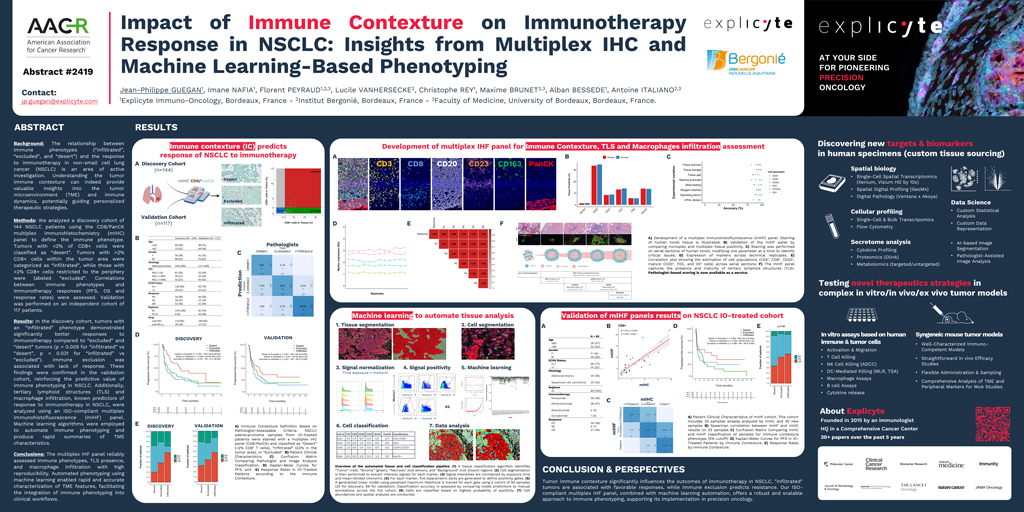
Predicting which NSCLC patients will benefit from immunotherapy requires more than measuring a single biomarker. Our previous work has helped show that key spatial features of the tumor microenvironment—such as mature tertiary lymphoid structures (Nature Cancer, 2021; Cell Reports Medicine, 2025) and macrophage infiltration within the tumor compartment (Journal for ImmunoTherapy of Cancer, 2022)—are closely associated with treatment outcome. Building […]
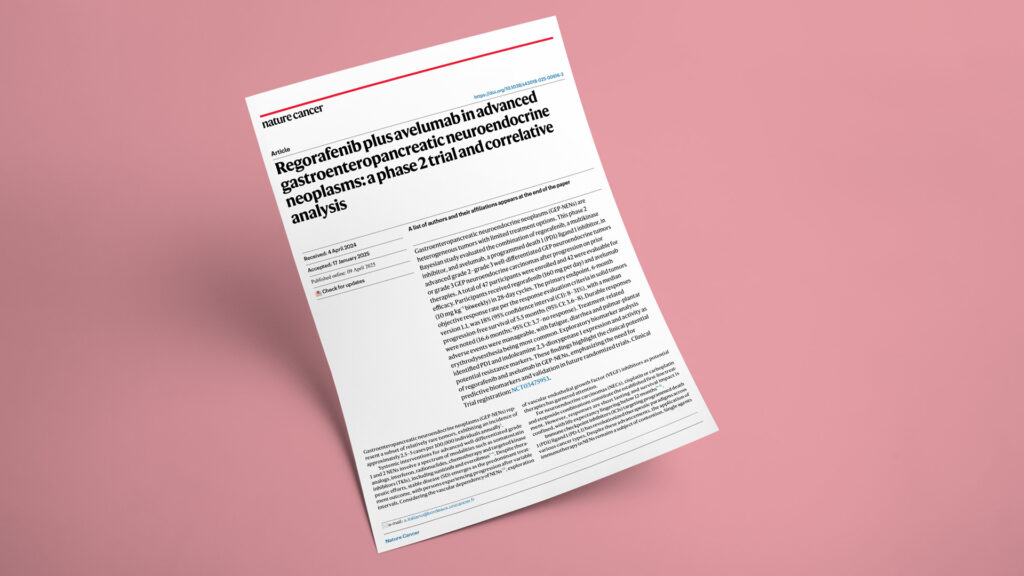
Regorafenib plus avelumab in advanced neuroendocrine tumors — and the IDO1 biomarker that predicts resistance
Why do some mature-TLS lung cancers resist immunotherapy? Two CAF subsets that drive primary resistance in NSCLC

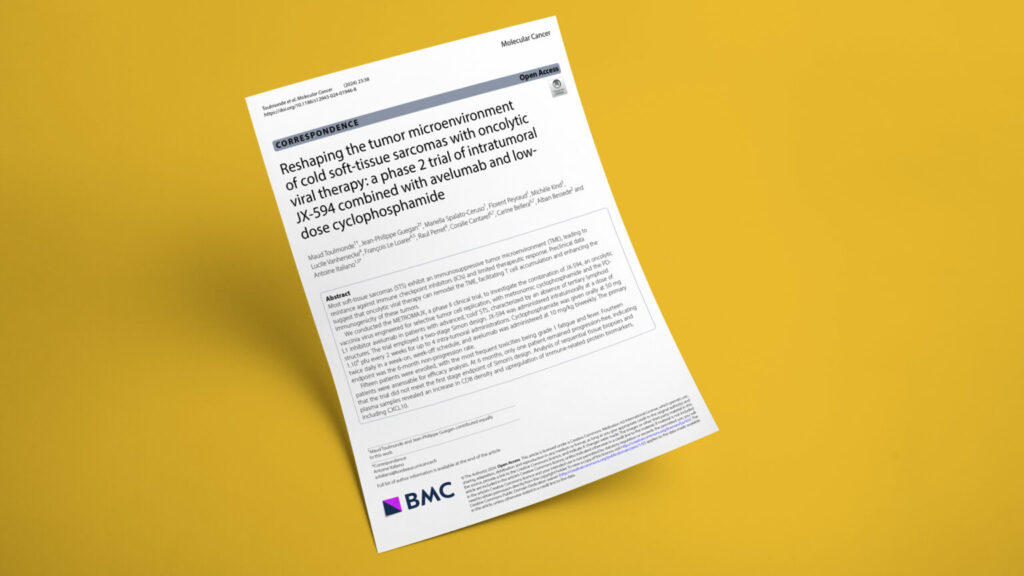
Can an oncolytic virus turn “cold” sarcomas hot? Intratumoral JX-594 with avelumab raised CD8 T cells but not responses
Indoleamine 2,3-dioxygenase 1 is expressed in tertiary lymphoid structures and associated with improved outcome in patients with advanced non-small cell lung cancer treated with anti-PD1/PDL1 inhibitors
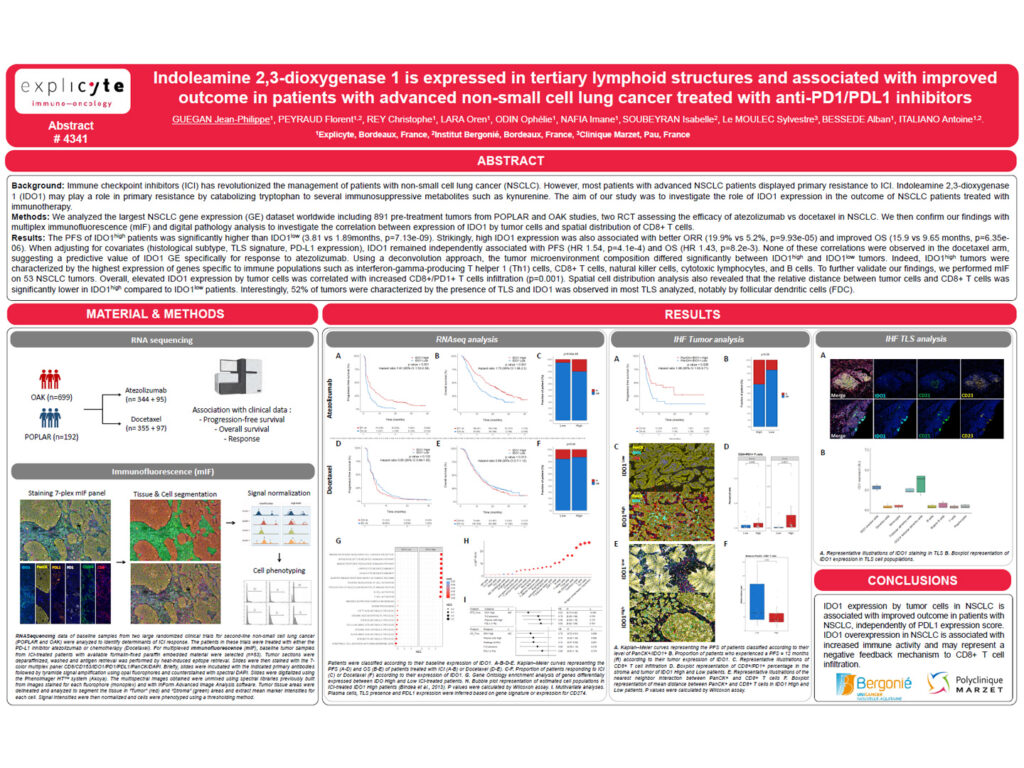
Background Immune checkpoint inhibitors have revolutionized the management of patients with non-small cell lung cancer. However, most patients with advanced NSCLC display primary resistance to these treatments. Indoleamine 2,3-dioxygenase 1, or IDO1, may contribute to immune regulation by catabolizing tryptophan into several immunosuppressive metabolites, including kynurenine. This study aimed to investigate the role of IDO1 […]