Identification of super-exhausted T cells: a novel population predictive of response to immunotherapy
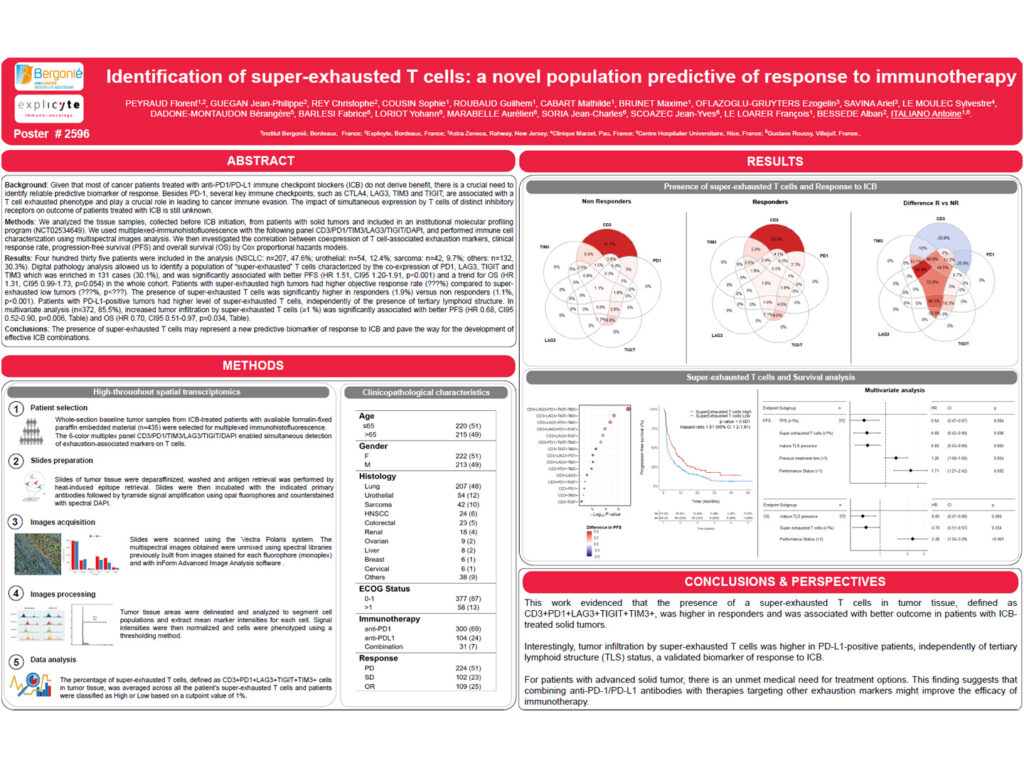
Background Most cancer patients treated with anti-PD1 or anti-PDL1 immune checkpoint blockers do not derive clinical benefit. There is therefore a crucial need to identify reliable predictive biomarkers of response. Beyond PD1, several immune checkpoints, including CTLA4, LAG3, TIM3 and TIGIT, are associated with a T cell exhausted phenotype and play an important role in […]
High regulatory T cells infiltrate within tertiary lymphoid structure restricts response to immune checkpoint blockers in sarcomas
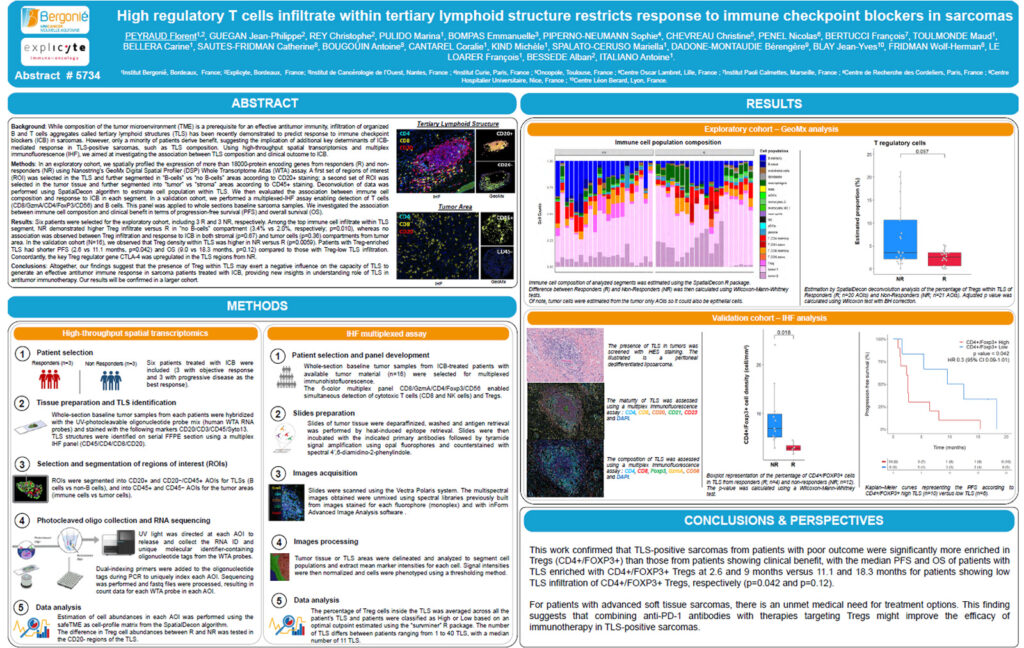
Background The composition of the tumor microenvironment is a key determinant of effective anti-tumor immunity. In sarcomas, the presence of organized B and T cell aggregates, known as tertiary lymphoid structures, has recently been shown to predict response to immune checkpoint blockers. However, only a minority of patients derive clinical benefit from immune checkpoint […]
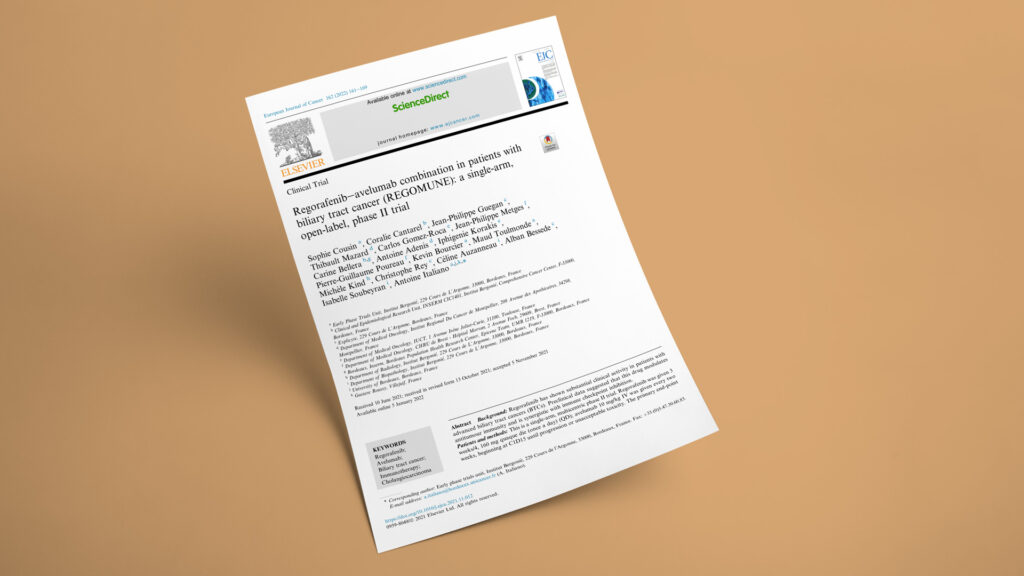
Which biliary tract cancers benefit from regorafenib–avelumab — and which biomarkers matter?
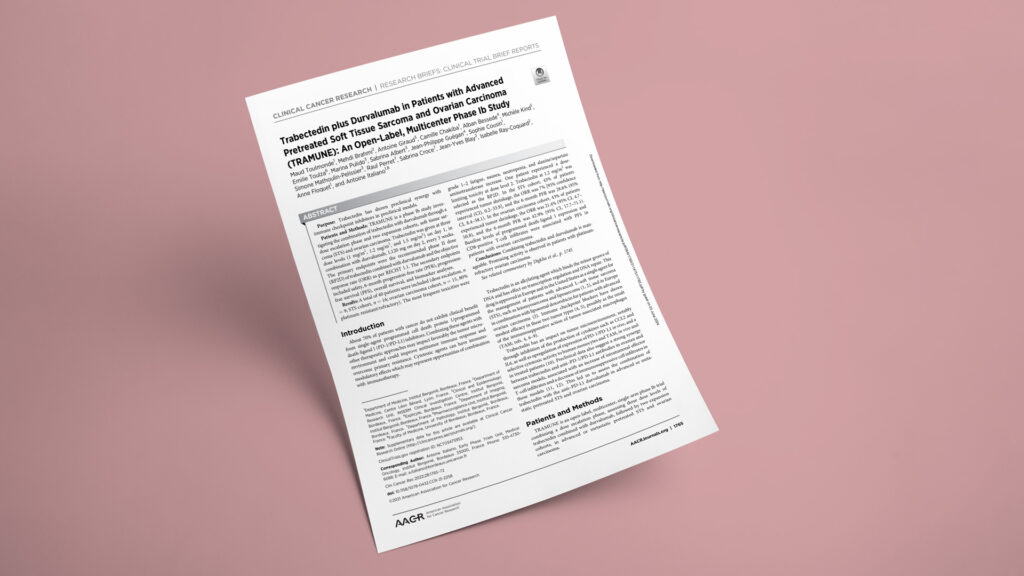
Can trabectedin plus durvalumab help platinum-resistant ovarian carcinoma and soft tissue sarcoma?
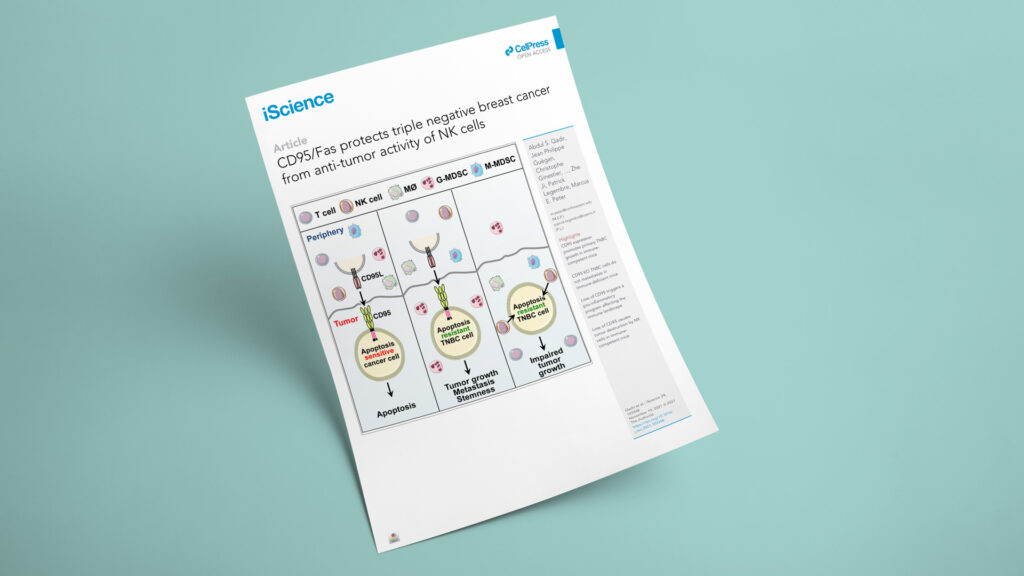
How CD95/Fas helps triple-negative breast cancer escape NK-cell control in preclinical models
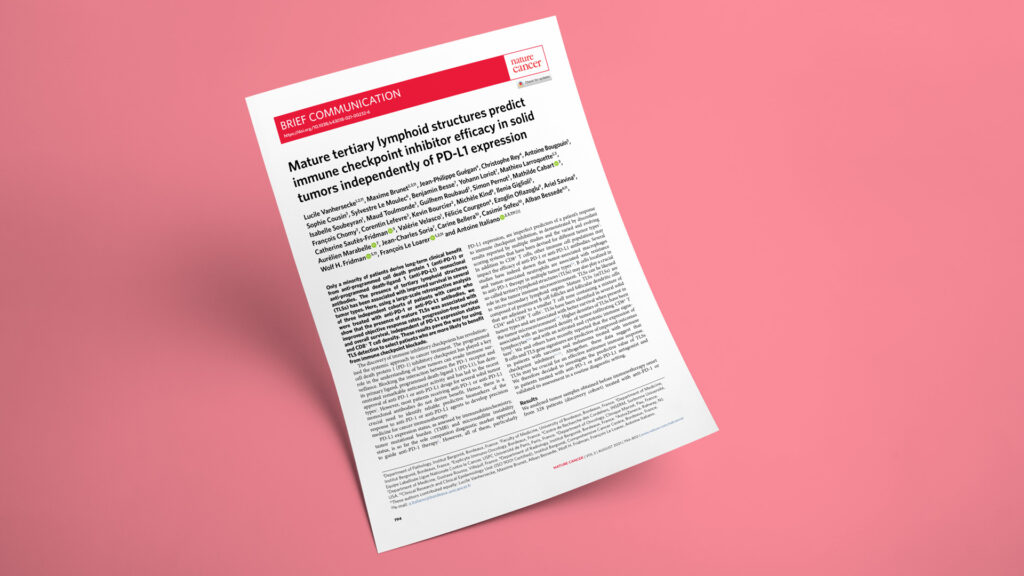
How mature TLSs identify solid tumor patients more likely to benefit from PD-1 blockade
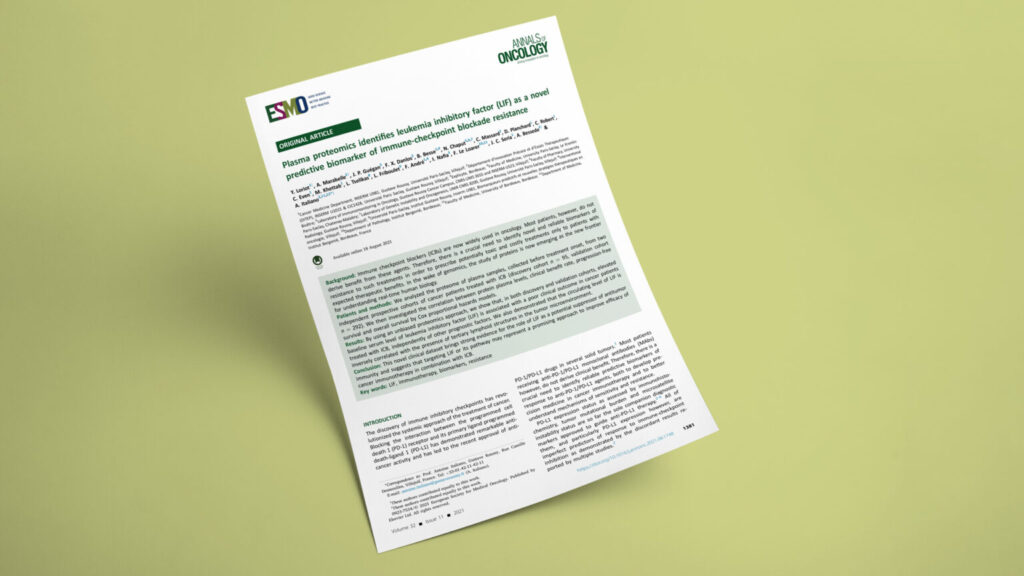
How plasma LIF predicts immune-checkpoint blockade resistance and a TLS-poor tumor microenvironment
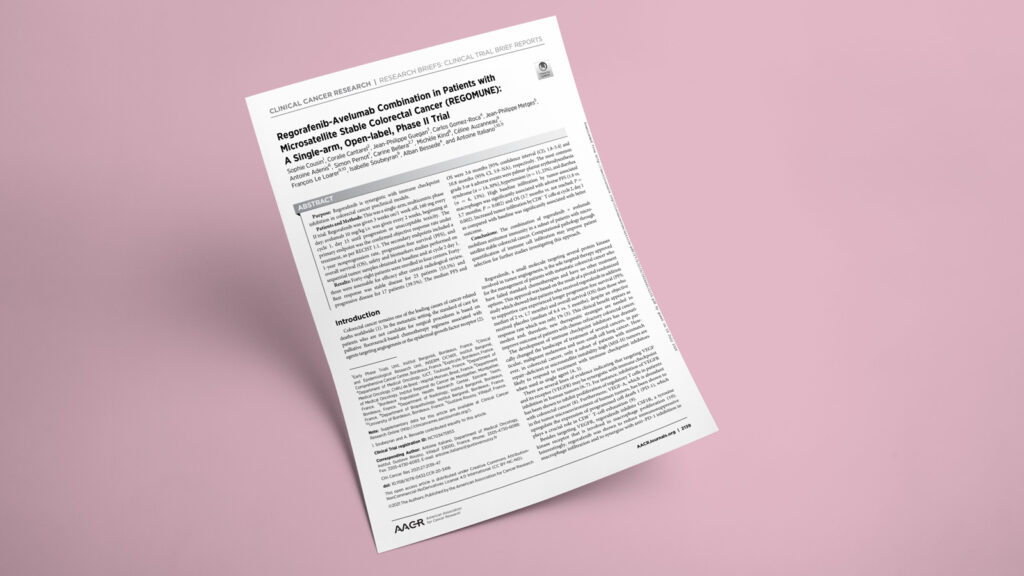
Can CD163 macrophages help select MSS colorectal cancer patients for regorafenib plus avelumab?
Quantitative histology to characterize immune contexture in human lung adenocarcinoma samples
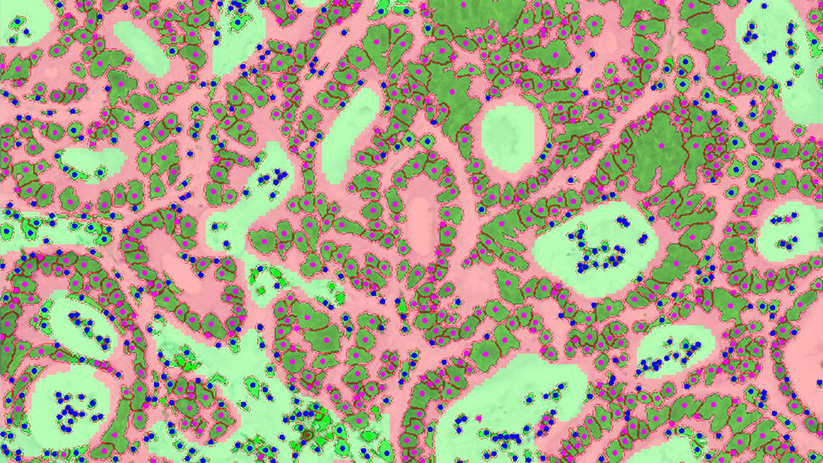
The tumor microenvironment plays a central role in cancer progression and response to immunotherapy. Immune checkpoint inhibitors targeting the PD-1/PD-L1 axis and CTLA-4 have demonstrated major clinical benefit across several cancer indications, highlighting the importance of the tumor immune landscape in shaping therapeutic response. However, response to immune checkpoint blockade remains heterogeneous and depends on […]
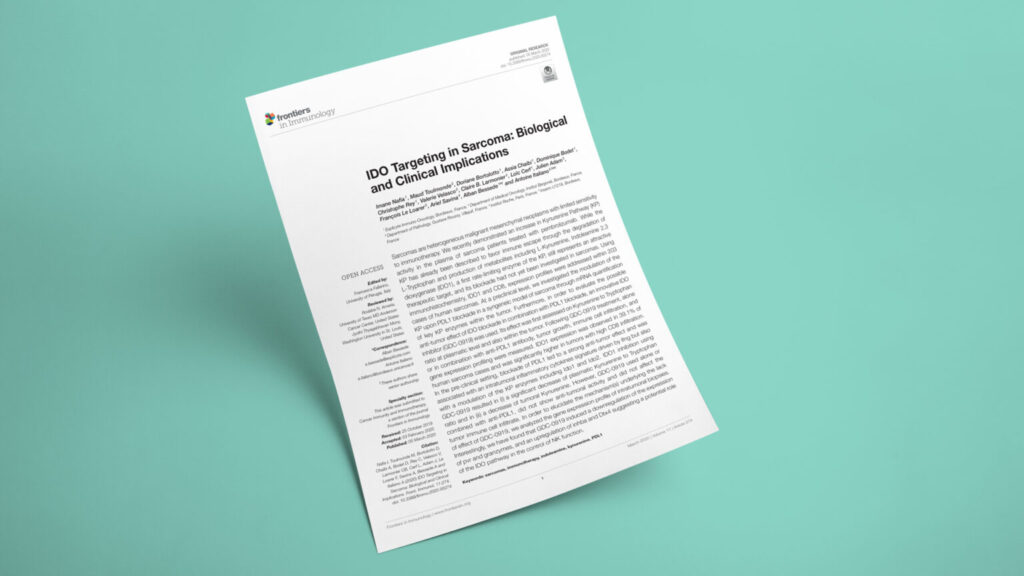
Why IDO1 blockade lowered kynurenine but failed to improve anti-PDL1 efficacy in sarcoma