Low plasma Arginine level is associated with resistance to immune checkpoint inhibitors in patients with advanced cancer
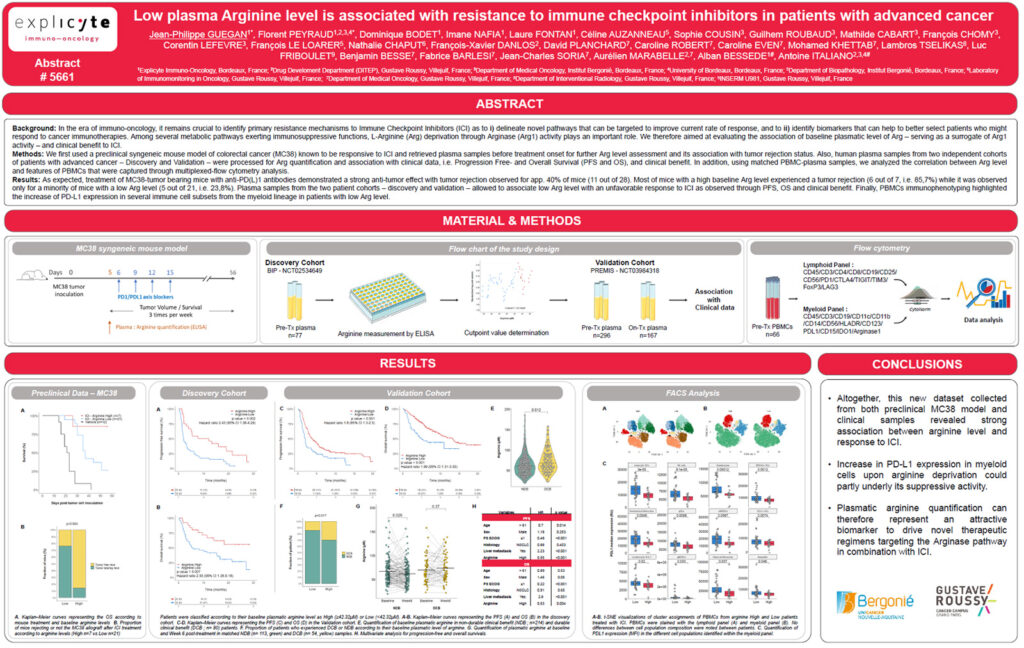
Background In the era of immuno-oncology, identifying primary resistance mechanisms to immune checkpoint inhibitors remains crucial. A better understanding of these mechanisms may help to identify novel pathways that can be targeted to improve response rates, as well as biomarkers that could support the selection of patients more likely to benefit from cancer immunotherapies. Among […]
High regulatory T cells infiltrate within tertiary lymphoid structure restricts response to immune checkpoint blockers in sarcomas
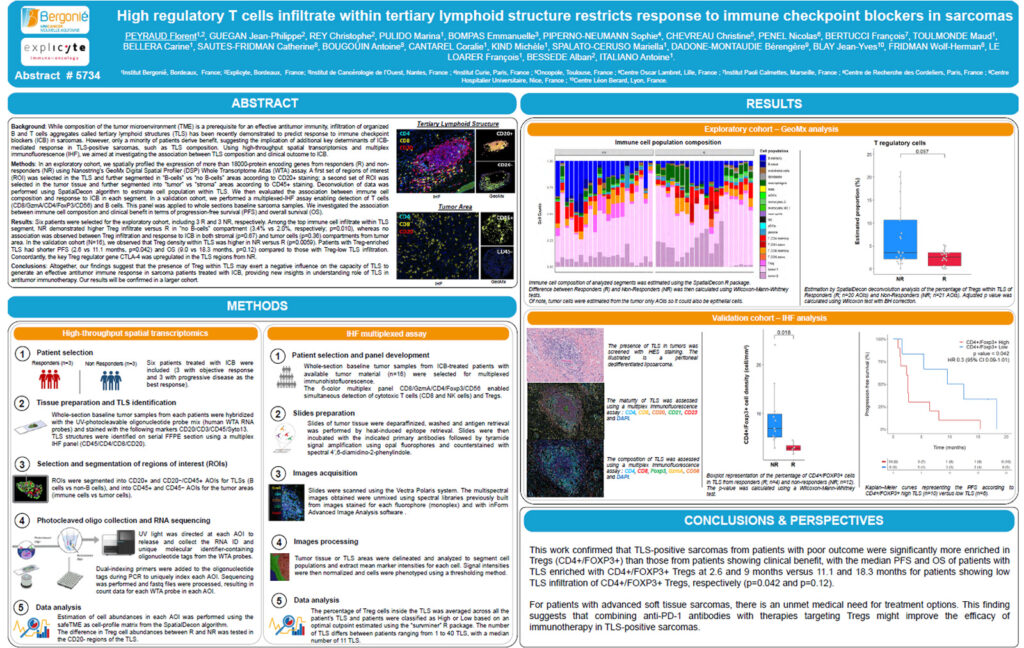
Background The composition of the tumor microenvironment is a key determinant of effective anti-tumor immunity. In sarcomas, the presence of organized B and T cell aggregates, known as tertiary lymphoid structures, has recently been shown to predict response to immune checkpoint blockers. However, only a minority of patients derive clinical benefit from immune checkpoint […]
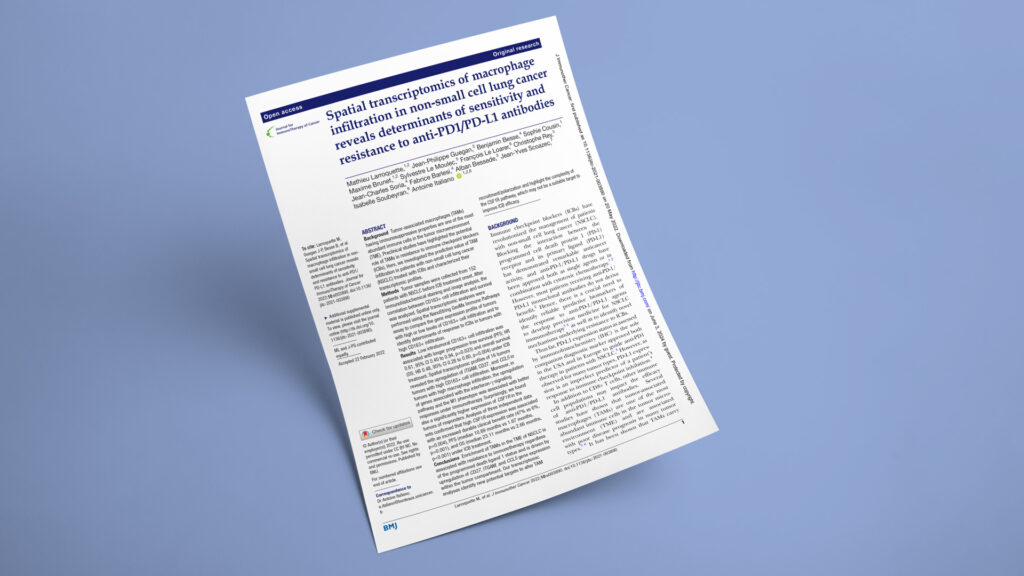
Why intratumoral CD163+ macrophages predict anti-PD-1 resistance in non-small cell lung cancer
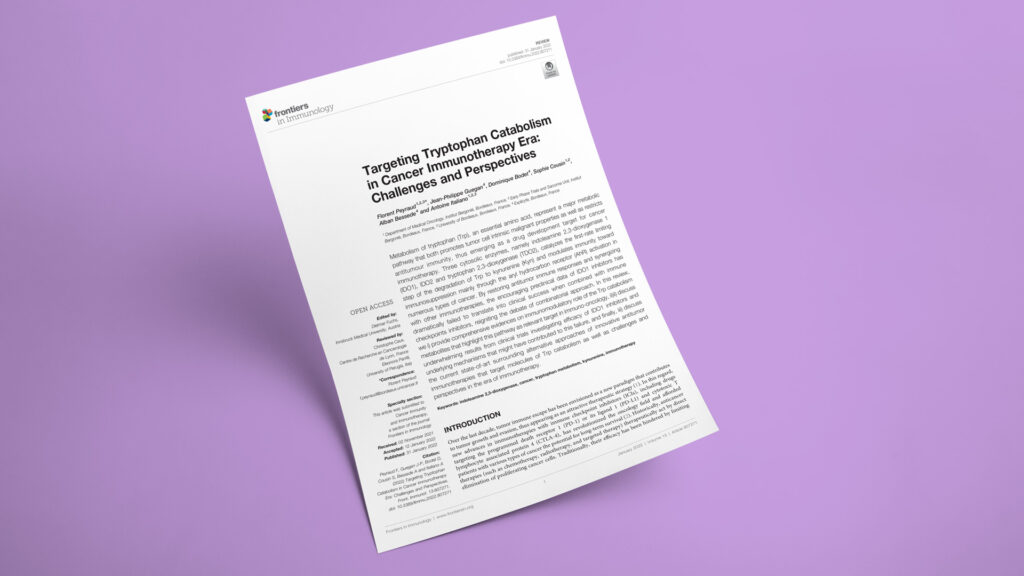
Why IDO1 inhibitors failed in the clinic — and what’s next for targeting tryptophan metabolism in cancer
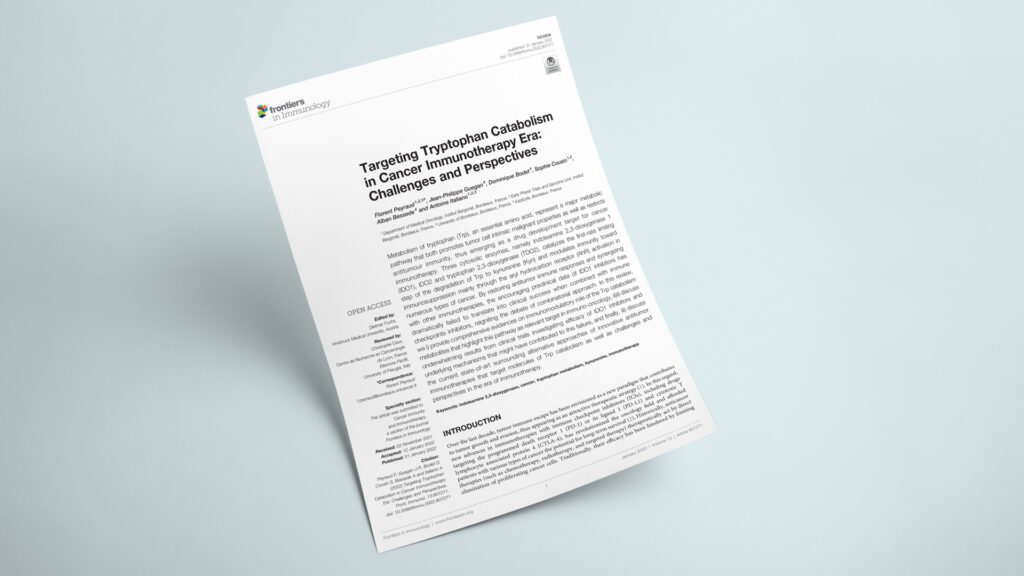
Why IDO1 inhibitors fell short in cancer immunotherapy — and what comes next for tryptophan targeting
GeoMx DSP analysis of tumor and stromal compartments in pre-treatment NSCLC samples
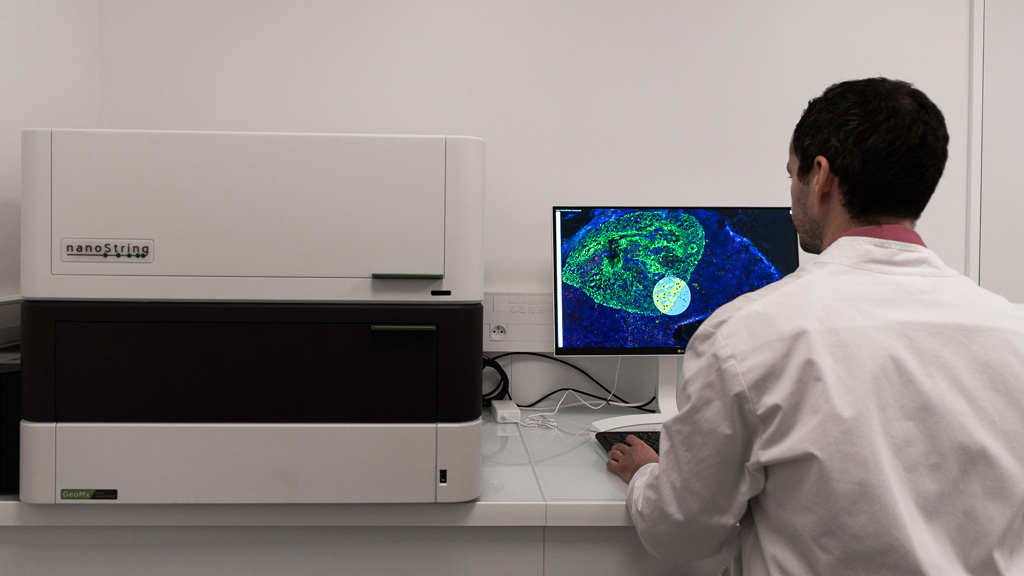
Immune checkpoint blockers have transformed the therapeutic landscape of oncology. In particular, therapies targeting the PD-1/PD-L1 axis have demonstrated major anti-tumor activity and are now approved across several solid tumors, including non-small cell lung cancer. However, most patients treated with PD-1 or PD-L1 inhibitors do not derive clinical benefit. There is therefore a critical need […]
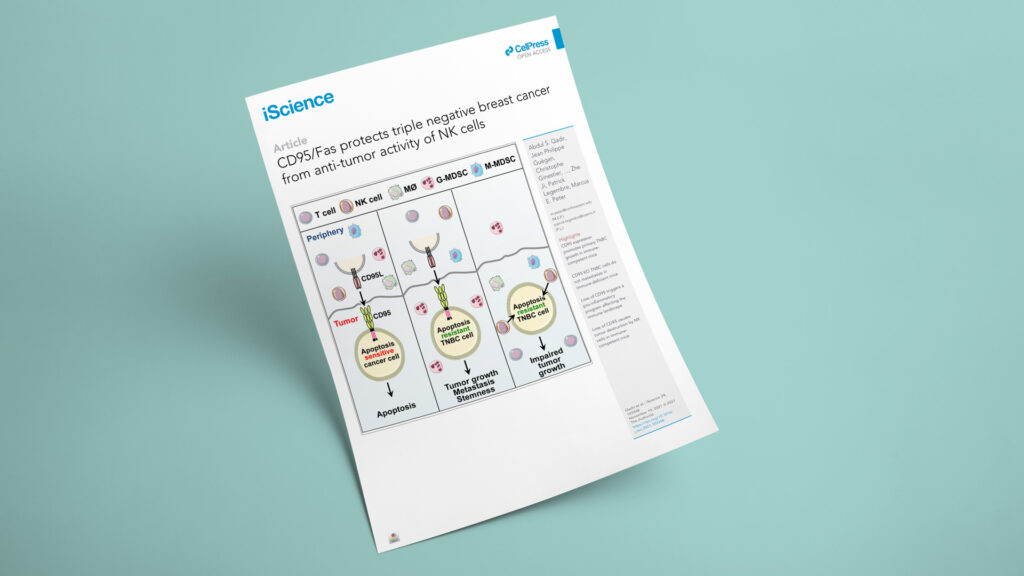
How CD95/Fas helps triple-negative breast cancer escape NK-cell control in preclinical models
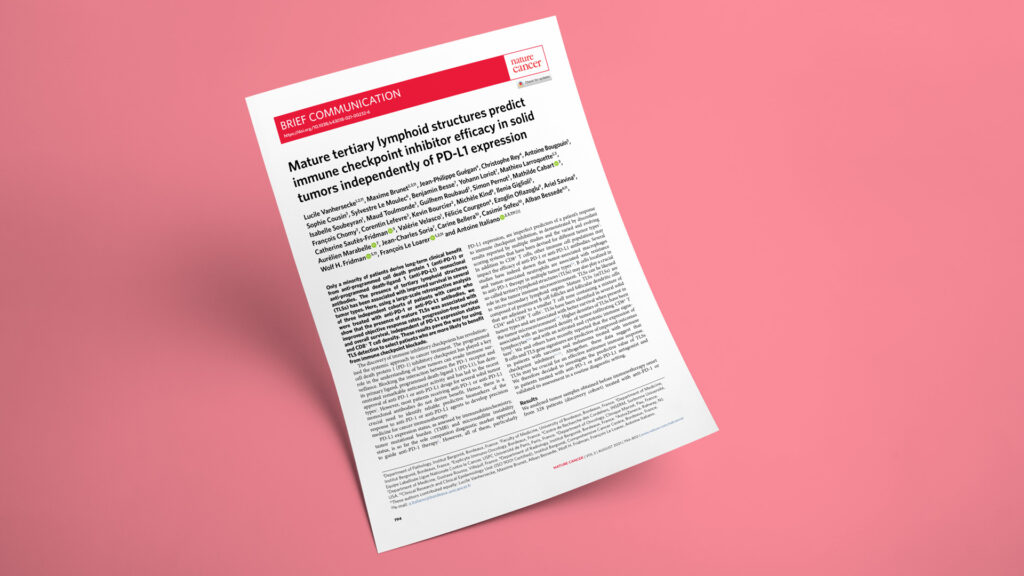
How mature TLSs identify solid tumor patients more likely to benefit from PD-1 blockade
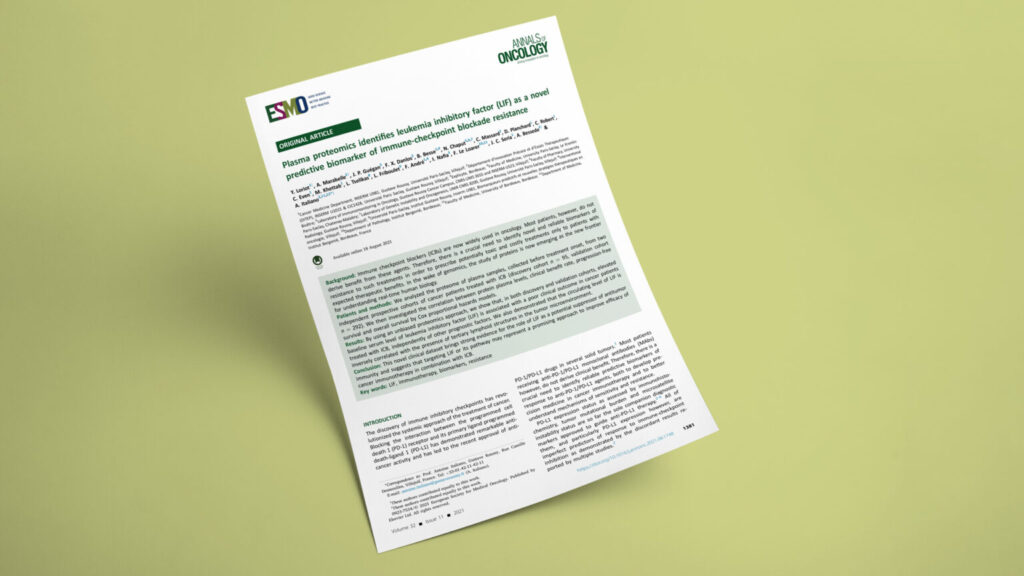
How plasma LIF predicts immune-checkpoint blockade resistance and a TLS-poor tumor microenvironment
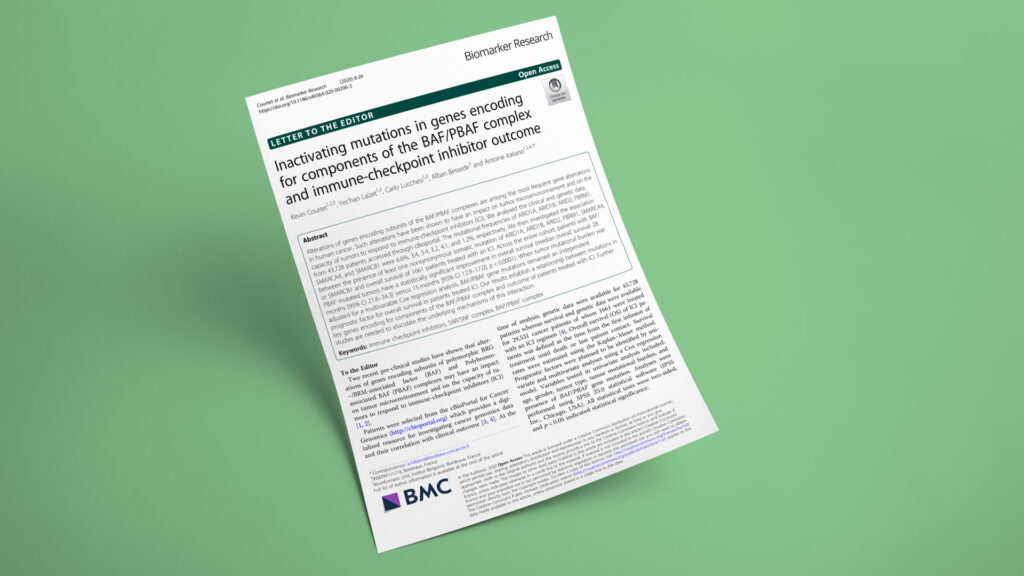
How BAF/PBAF chromatin-remodeler mutations predict better checkpoint-inhibitor outcomes — and point toward combination strategies