
High grade serous ovarian cancer ascites exhibit an impaired immune environment – immunosuppressive & protumoral – detrimental to the immune response
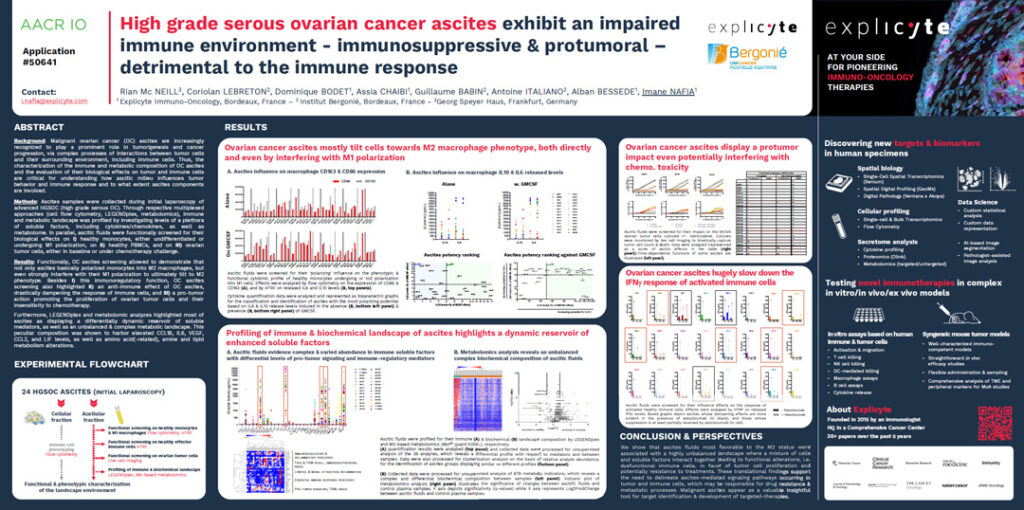
Background Malignant ovarian cancer ascites are increasingly recognized as major contributors to tumorigenesis and cancer progression. Ascites create a complex microenvironment where tumor cells interact with soluble mediators, metabolic factors, and immune cells. These interactions can influence tumor behavior, immune response, and treatment sensitivity. Characterizing the immune and metabolic composition of ovarian cancer ascites, together […]
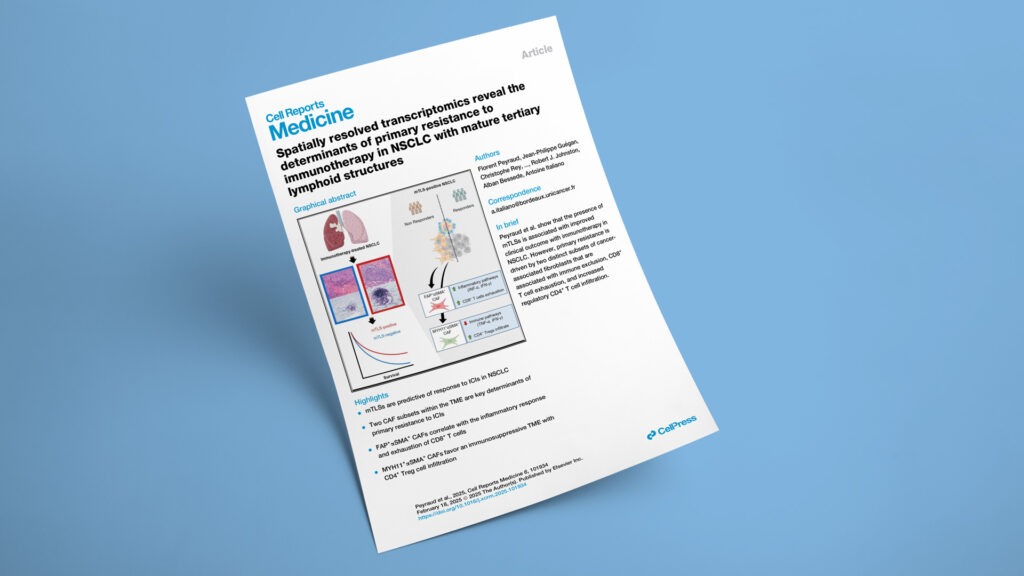
Why do some mature-TLS lung cancers resist immunotherapy? Two CAF subsets that drive primary resistance in NSCLC
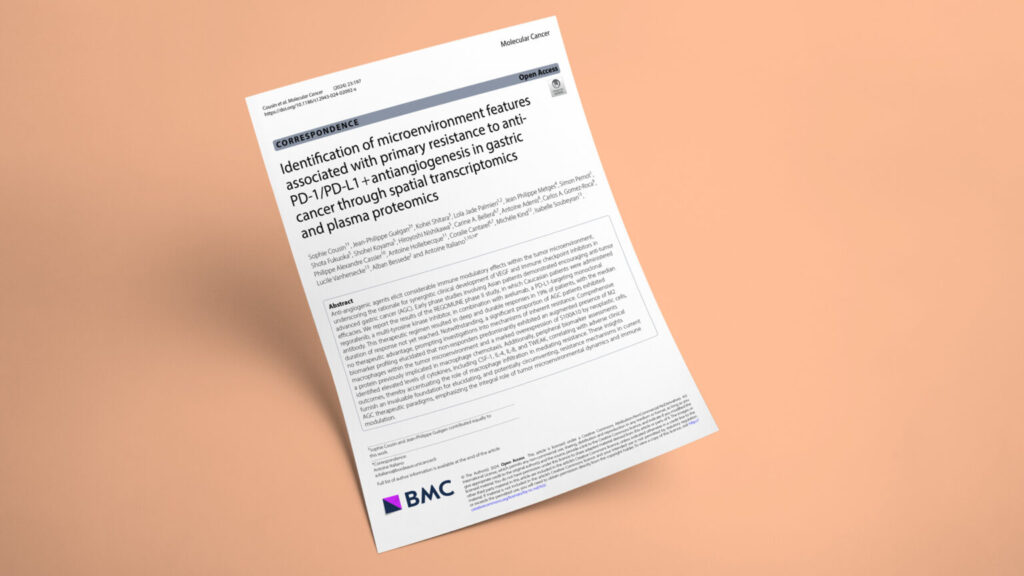
Why do gastric cancers resist PD-1 plus antiangiogenesis? Spatial and plasma profiling points to M2 macrophages
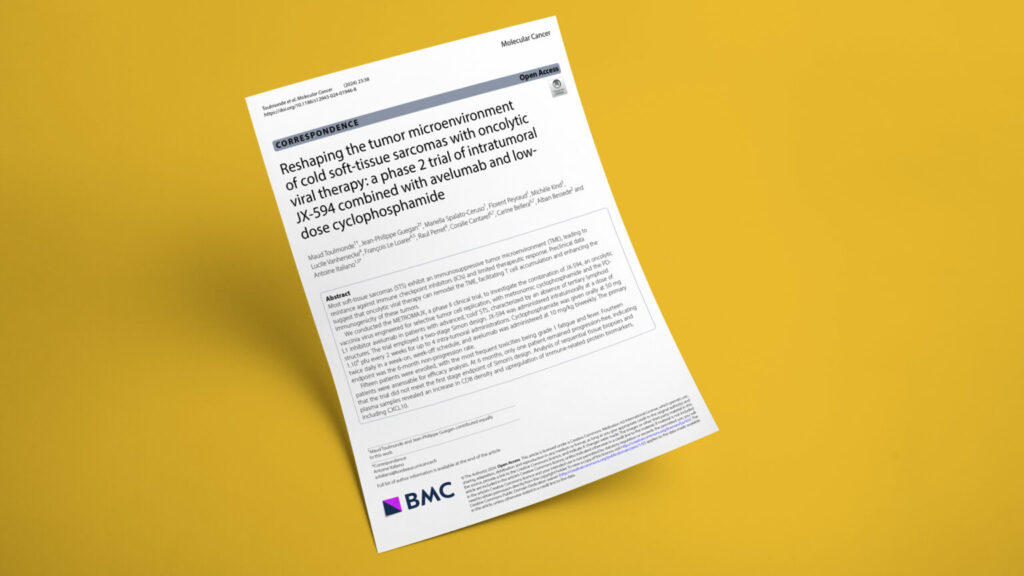
Can an oncolytic virus turn “cold” sarcomas hot? Intratumoral JX-594 with avelumab raised CD8 T cells but not responses
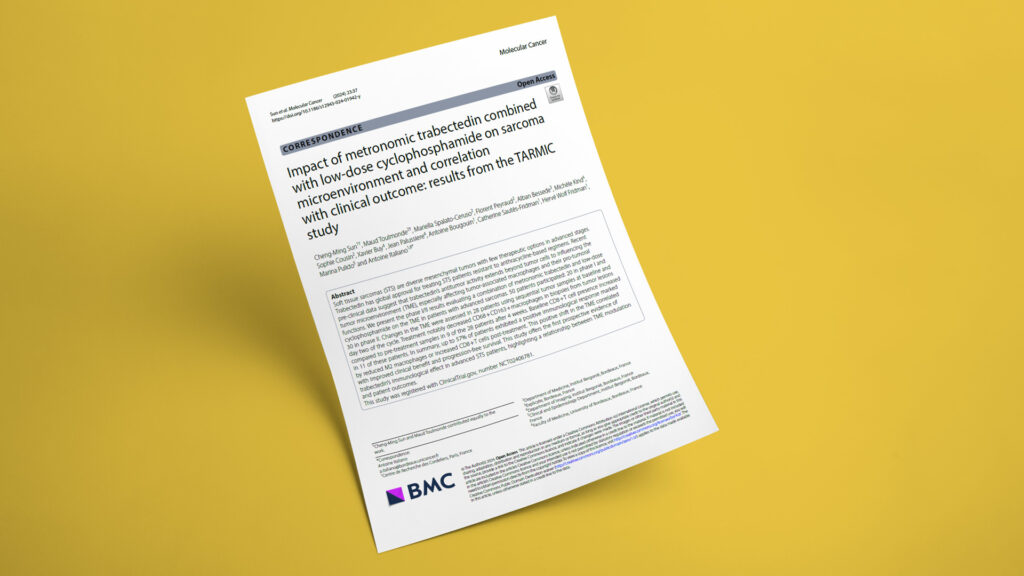
Does metronomic trabectedin reprogram the sarcoma immune microenvironment? A macrophage-and-T-cell shift that tracks with better outcomes
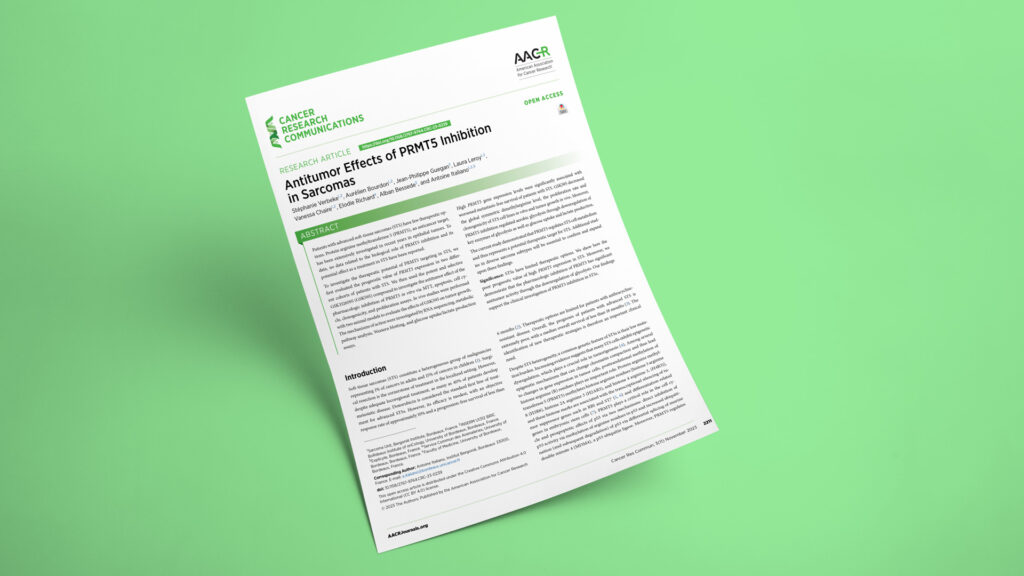
Can blocking PRMT5 starve sarcomas of energy? Inhibiting the enzyme shuts down tumor glycolysis and growth
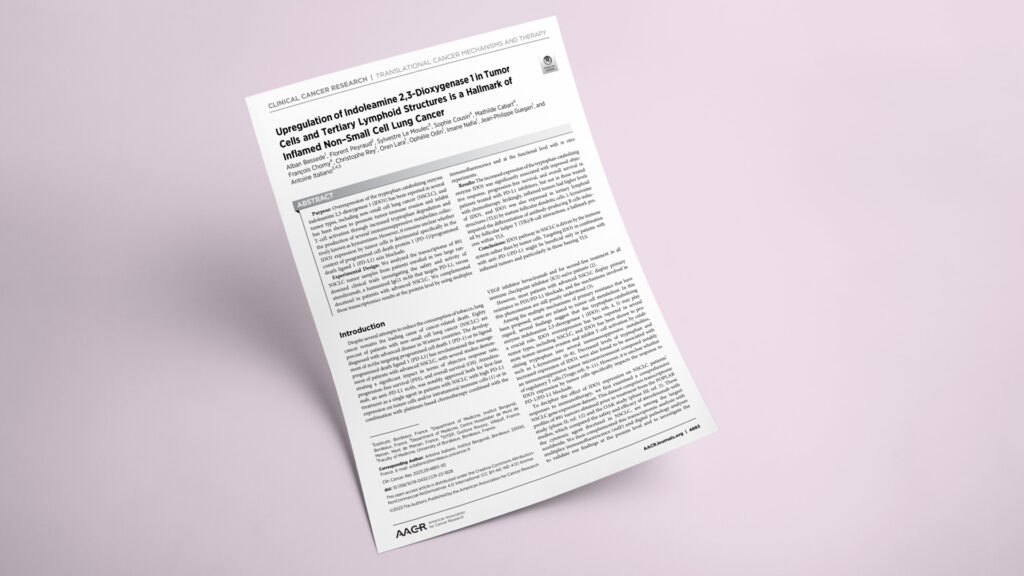
Why IDO1 in inflamed TLS-positive lung tumors predicts immunotherapy response — and marks who might benefit from IDO1 inhibitors
TROP2 expression and response to immune checkpoint inhibition in patients with advanced non-small cell lung cancer
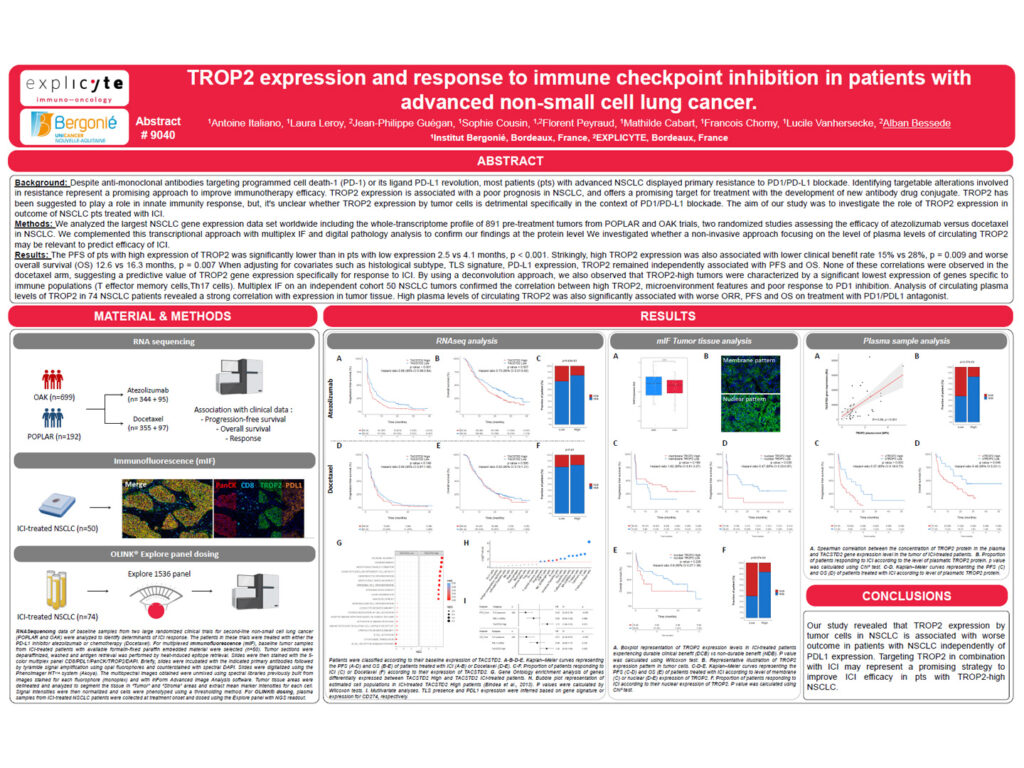
Background Monoclonal antibodies targeting programmed cell death-1, or PD-1, and its ligand PD-L1 have revolutionized the treatment of patients with advanced non-small cell lung cancer. However, most patients with advanced NSCLC display primary resistance to PD1/PD-L1 blockade. Identifying targetable alterations involved in resistance represents a promising approach to improve immunotherapy efficacy. TROP2 expression is associated […]
Cancer-associated fibroblasts promote T-cell exclusion and resistance to immunotherapy in non-small cell lung cancer with tertiary lymphoid structures
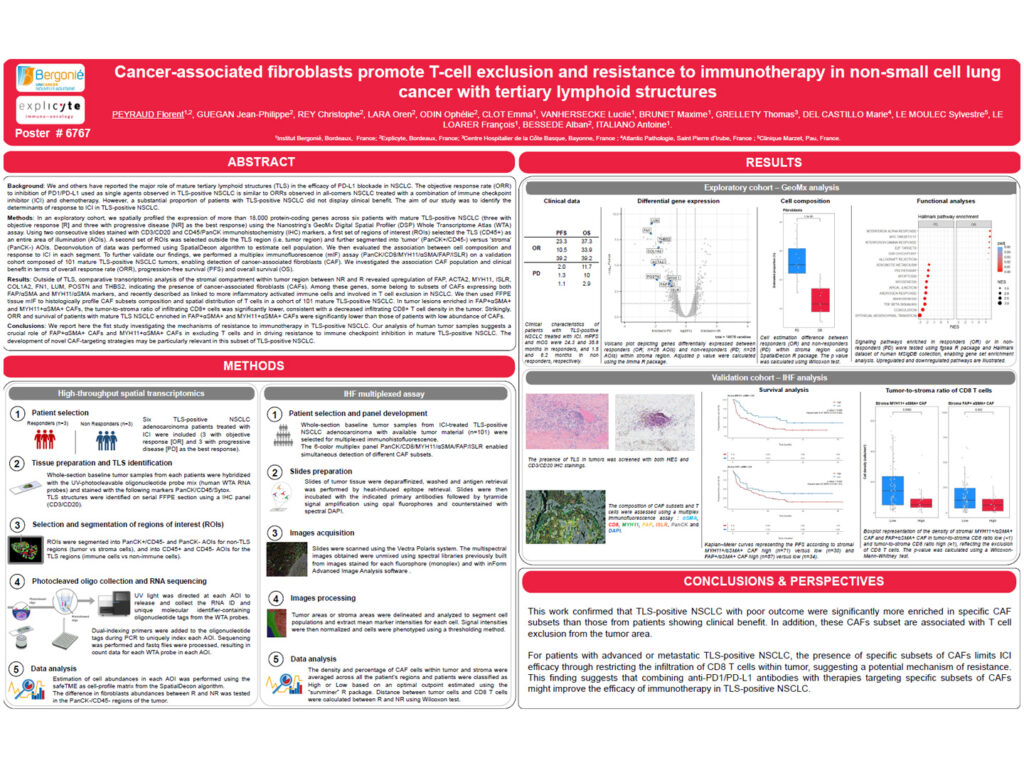
Background Mature tertiary lymphoid structures have been reported to play a major role in the efficacy of PD-L1 blockade in non-small cell lung cancer. In TLS-positive NSCLC, the objective response rate to single-agent PD1/PD-L1 inhibition is similar to response rates observed in all-comer NSCLC patients treated with immune checkpoint inhibitors combined with chemotherapy. However, a […]
Profiling of immune cell components and soluble factors in ovarian cancer ascites highlights impaired immune environment
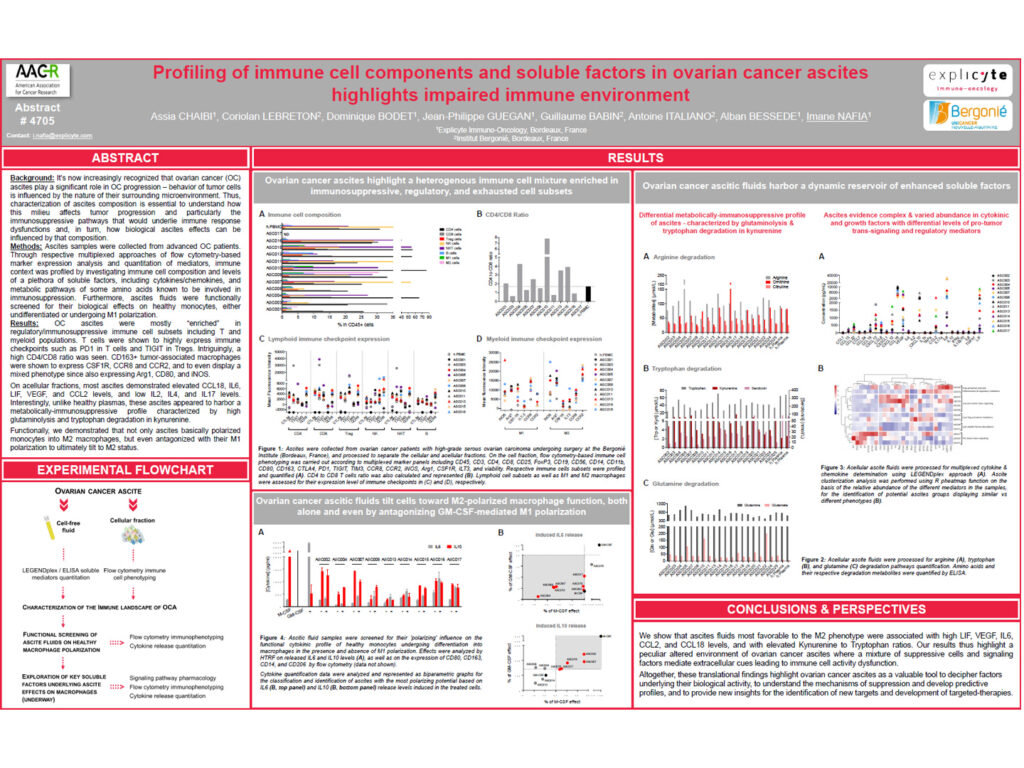
Background Ovarian cancer ascites are increasingly recognized as important contributors to ovarian cancer progression. The behavior of tumor cells is strongly influenced by the composition of their surrounding microenvironment. Characterizing the cellular and soluble composition of ascites is therefore essential to better understand how this specific milieu affects tumor progression. In particular, ascites may contribute […]