
Does acetaminophen blunt cancer immunotherapy? Plasma evidence links paracetamol to worse checkpoint-inhibitor outcomes
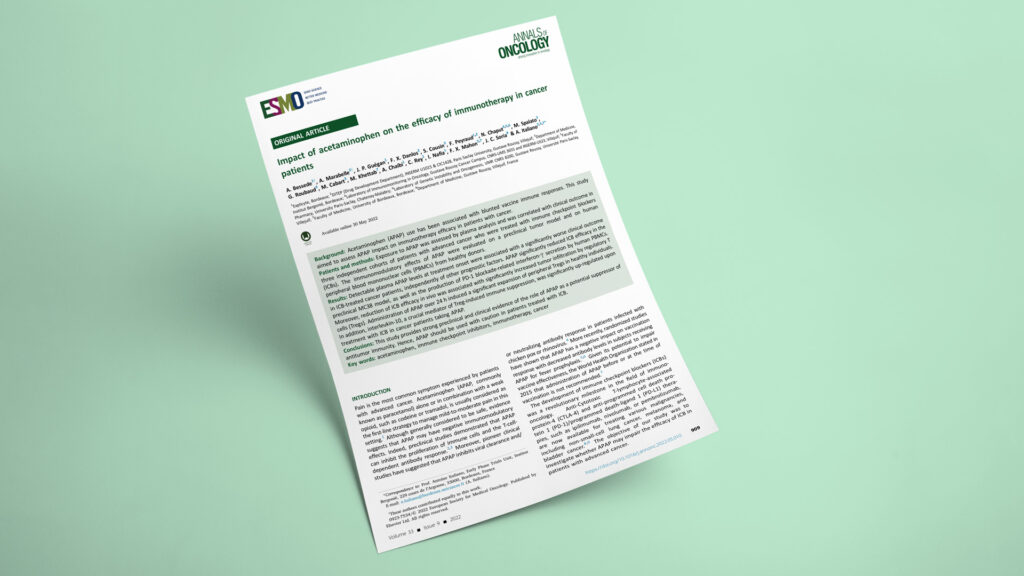
Ovarian cancer ascites display altered immune environment featured by enhanced soluble factors and suppressive cellular context
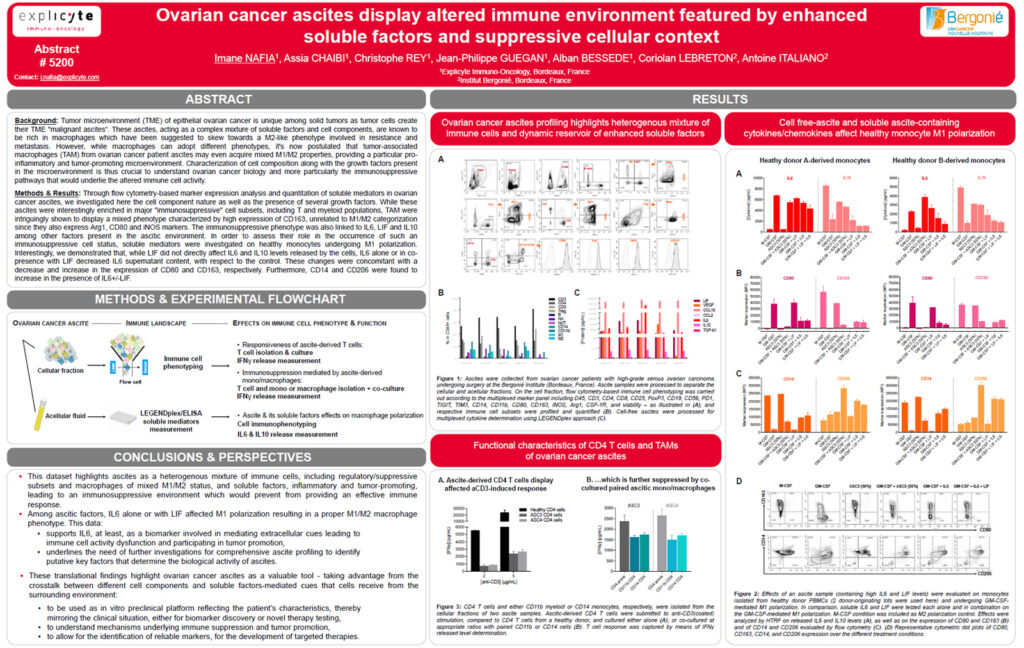
Background The tumor microenvironment of epithelial ovarian cancer is unique among solid tumors, as tumor cells can shape their own microenvironment through the formation of malignant ascites. These ascites represent a complex mixture of soluble factors and cellular components. They are known to be enriched in macrophages, which have been suggested to acquire an M2-like […]
Low plasma Arginine level is associated with resistance to immune checkpoint inhibitors in patients with advanced cancer
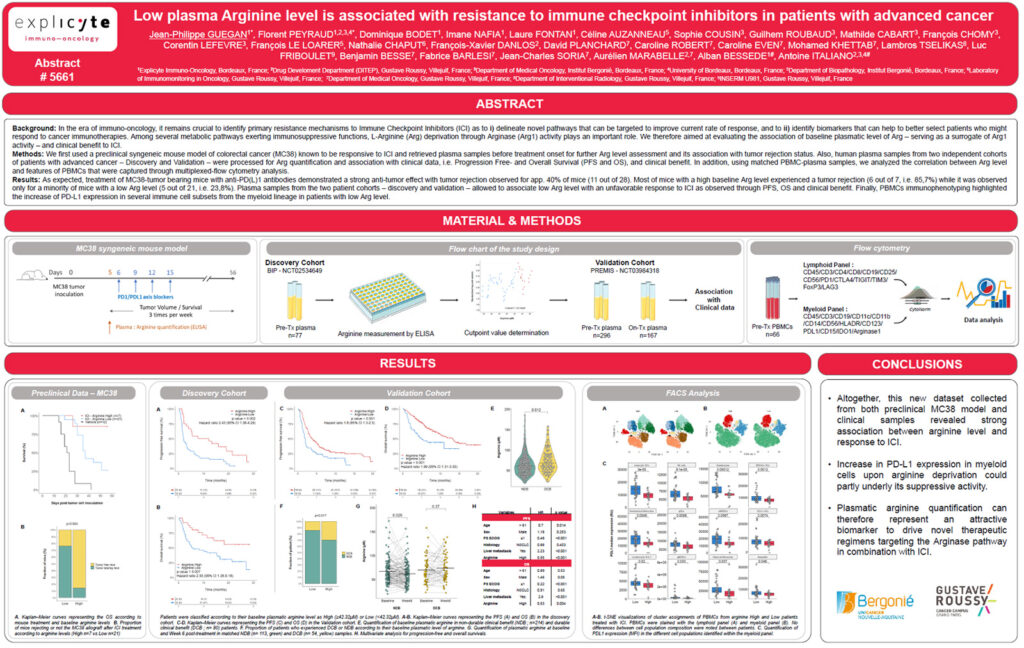
Background In the era of immuno-oncology, identifying primary resistance mechanisms to immune checkpoint inhibitors remains crucial. A better understanding of these mechanisms may help to identify novel pathways that can be targeted to improve response rates, as well as biomarkers that could support the selection of patients more likely to benefit from cancer immunotherapies. Among […]
Development and characterization of a novel anti-PD1 resistant sarcoma mouse model
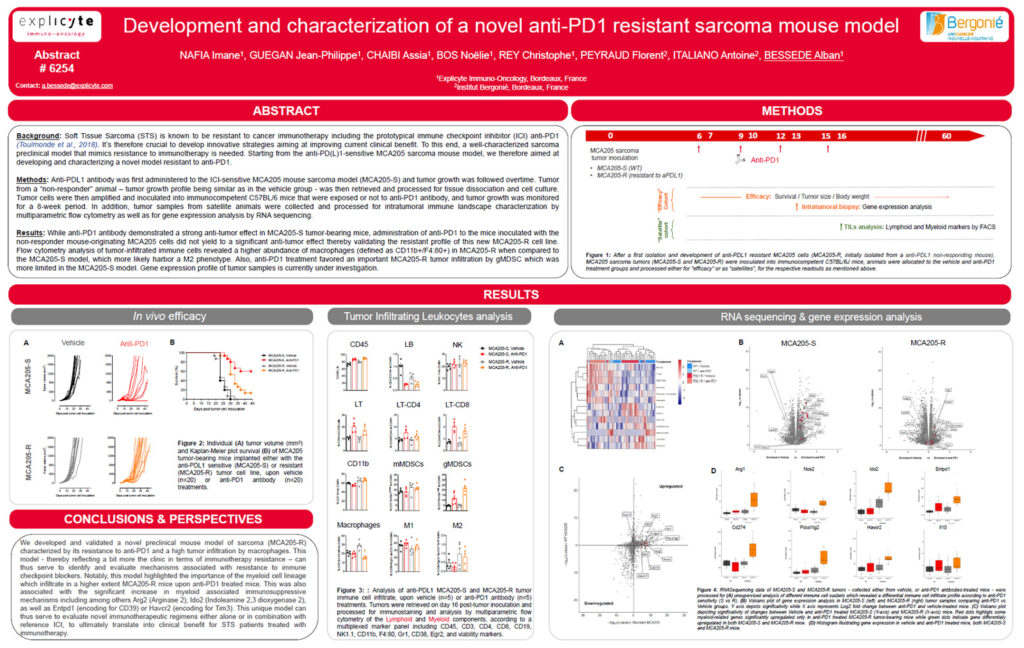
Soft tissue sarcoma (STS) is known to be resistant to cancer immunotherapy, including prototypical immune checkpoint inhibitors such as anti-PD1 antibodies. It is therefore crucial to develop innovative strategies aimed at improving current clinical benefit. To support this objective, well-characterized sarcoma preclinical models that mimic resistance to immunotherapy are needed. Starting from the anti-PD(L)1-sensitive MCA205 […]
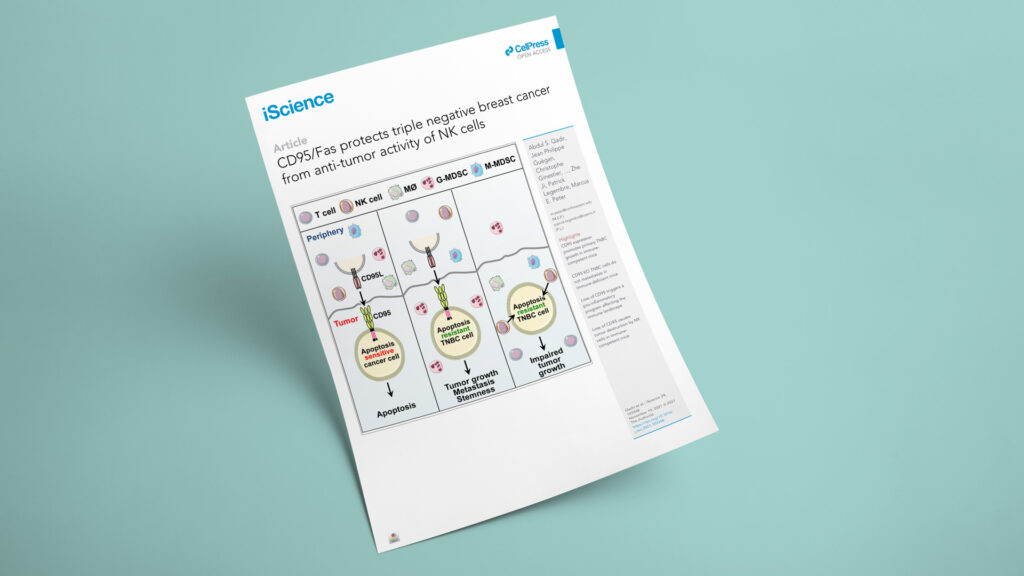
How CD95/Fas helps triple-negative breast cancer escape NK-cell control in preclinical models
Comprehensive assessment of anti-tumor PDL1 blockade effect in a sarcoma mouse model
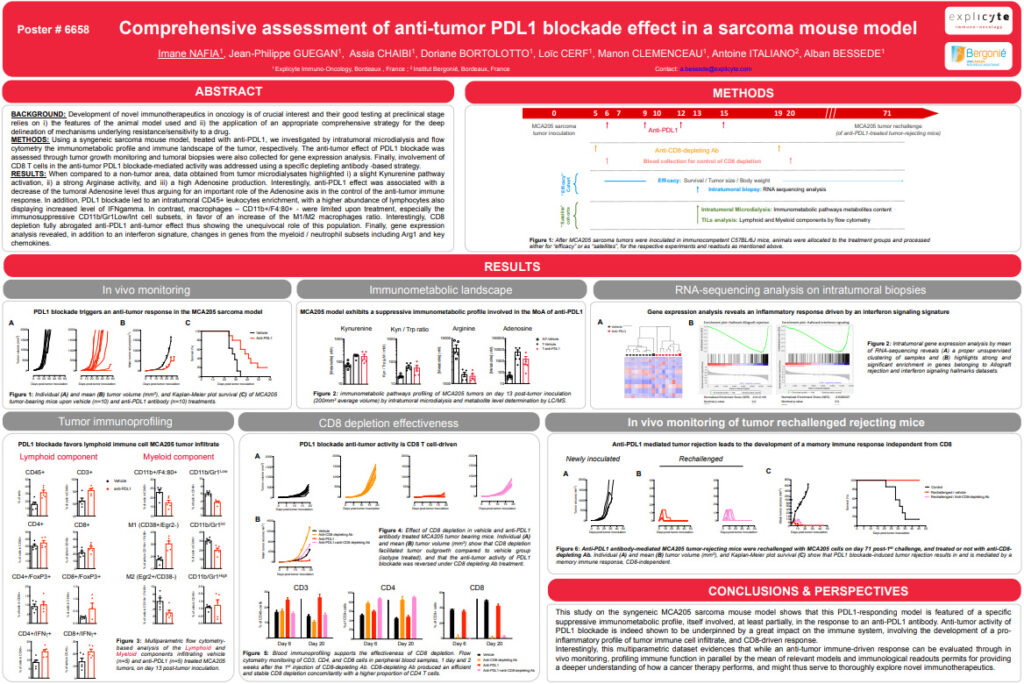
Background Development of novel immunotherapeutics in oncology is of major interest. Their preclinical evaluation relies on two key elements: the relevance of the animal model used and the implementation of a comprehensive strategy to deeply characterize the mechanisms underlying drug resistance or sensitivity. Methods Using a syngeneic sarcoma mouse model treated with anti-PD-L1, we investigated […]
Anti-angiogenic therapy combination with hypoxia-regulating agent leads to improved tumor regression in a murine model of renal carcinoma
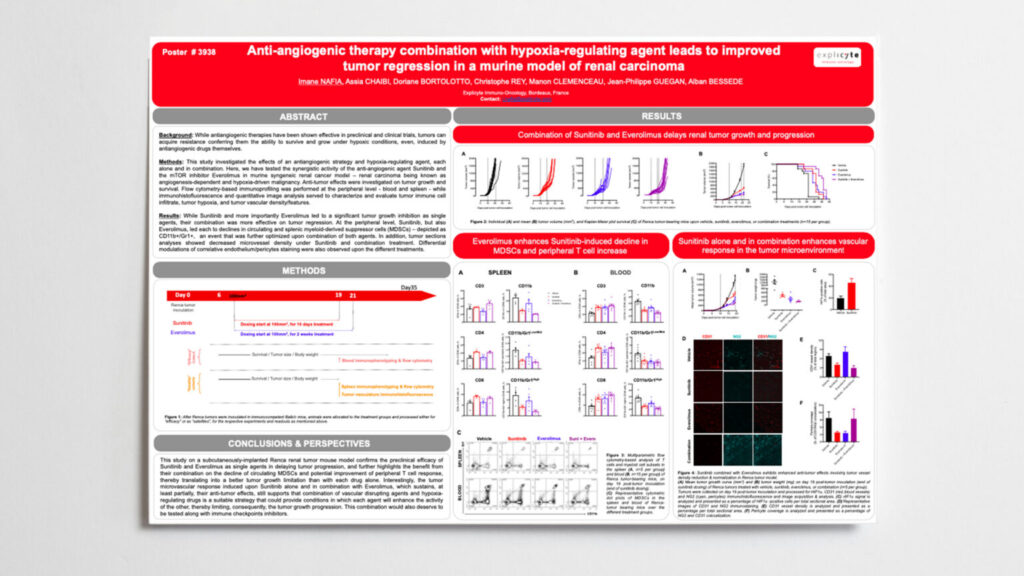
Background While antiangiogenic therapies have been shown effective in preclinical and clinical trials, tumors can acquire resistance conferring them the ability to survive and grow under hypoxic conditions, even, induced by antiangiogenic drugs themselves. Methods This study investigated the effects of an antiangiogenic strategy and hypoxia-regulating agent, each alone and in combination. Here, we have […]
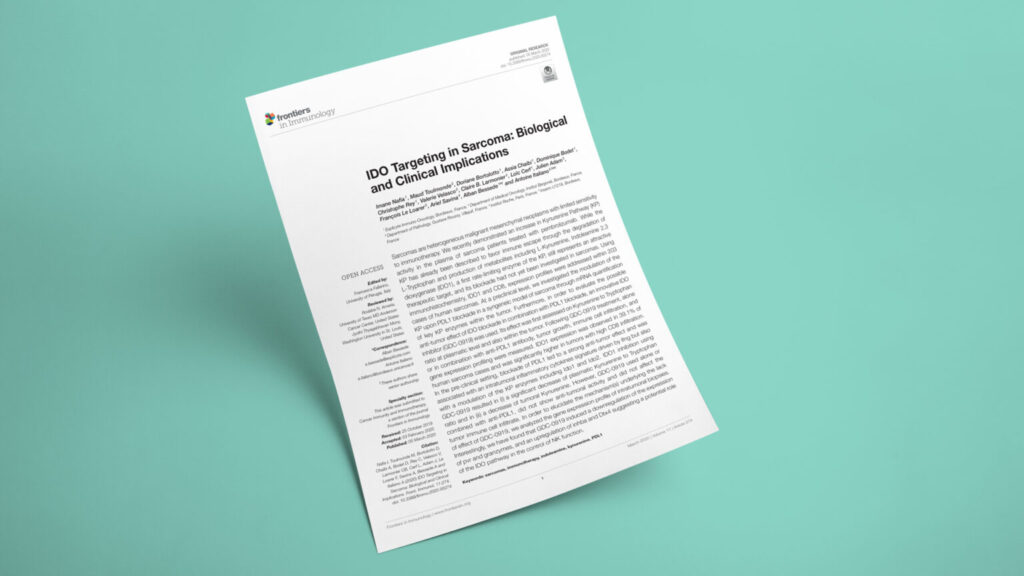
Why IDO1 blockade lowered kynurenine but failed to improve anti-PDL1 efficacy in sarcoma
Evaluation of ADCC activity using primary NK cells and SKOV3 ovarian tumor cells
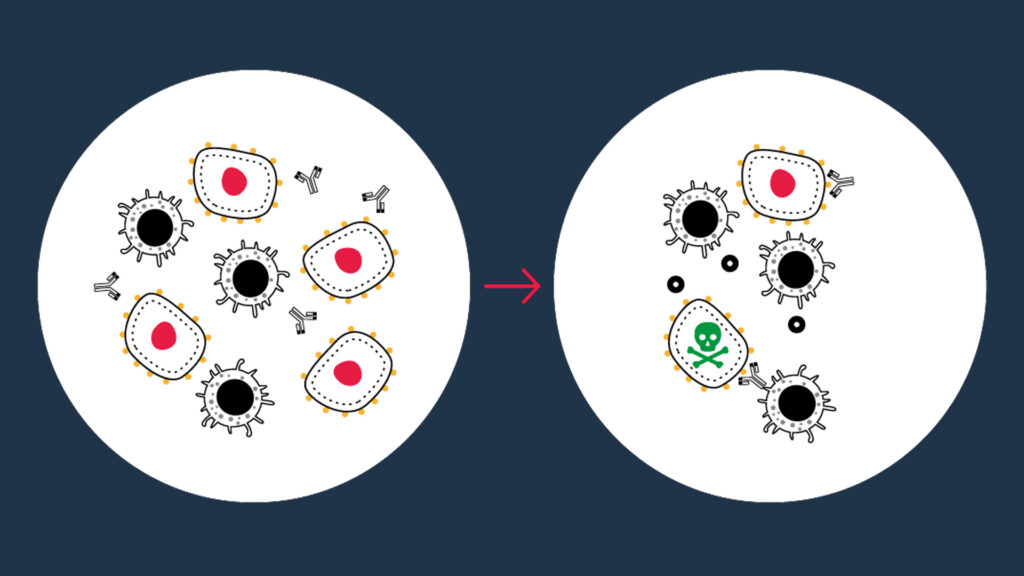
Antibody-dependent cell-mediated cytotoxicity, or ADCC, is a key immune mechanism by which antibody-coated target cells are recognized and eliminated by immune effector cells. Several cells of the innate immune system, including natural killer cells and granulocytes, express CD16, a low-affinity Fc receptor for immunoglobulins. Upon binding to the Fc region of antibodies attached to target […]
The Kynurenine Pathway as a possible resistance mechanism to immunotherapy in sarcomas
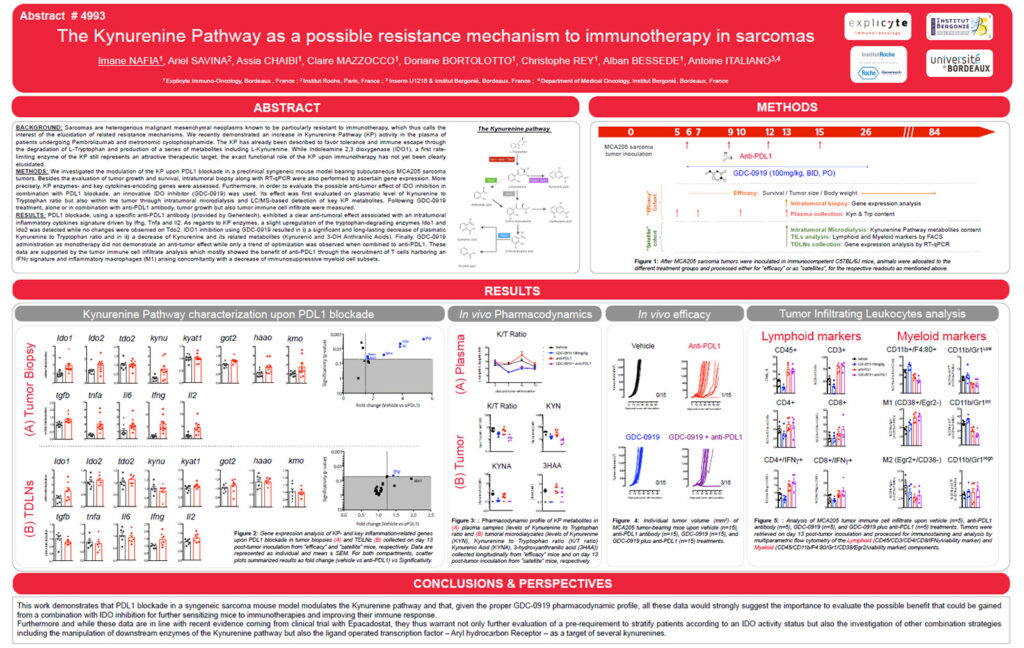
Background Sarcomas are heterogeneous malignant mesenchymal tumors known to be particularly resistant to immunotherapy. This resistance highlights the need to better understand the biological mechanisms limiting response to immune checkpoint inhibitors. We previously observed increased activity of the kynurenine pathway in the plasma of patients treated with pembrolizumab and metronomic cyclophosphamide. The kynurenine pathway is […]