FFPE target discovery
Custom biospecimen sourcing
Target identification & ranking
Target expression profiling
Data generation
AI-ready Spatial Biology Datasets
Across Visium, Xenium, Chromium
Emerging IO Targets: pipeline overview
Functional efficacy and MoA
Tumor killing assays
Direct · ADCC · T-cell · Antigen-specific
Immune function & modulation
Activation · Migration · MLR · Macrophage Polarization · Germinal Center Reaction
Safety & Immunogenicity
Cytokine release
Additional capabilities
Patient-Derived 3D tumor models
Immune-native organoids · Tumor fragments
Modality-specific assays
ADCs · Multispecifics & engagers · Cancer vaccines
Xenium for cells
Biomarker analysis
Transcriptomic biomarkers
Spatial transcriptomics · scRNAseq
ISO-certified pathology services
IHC/IF assay development · Assay validation · TLS scoring
Peripheral biomarkers
Proteomics · Flow cytometry · scRNAseq
Certified IHC/IF biomarker services
Clinical-grade quality management
Our tissue biomarker services →
10x Genomics-Certified Services
Chromium X, Visium HD, Xenium
Explore 10x-certified services →
Publications
Case studies
Posters & abstracts
IO Target Database
Events & webinars
News & press
Company
Commitments
Careers
Oncology research resources / Oncology posters & scientific abstracts
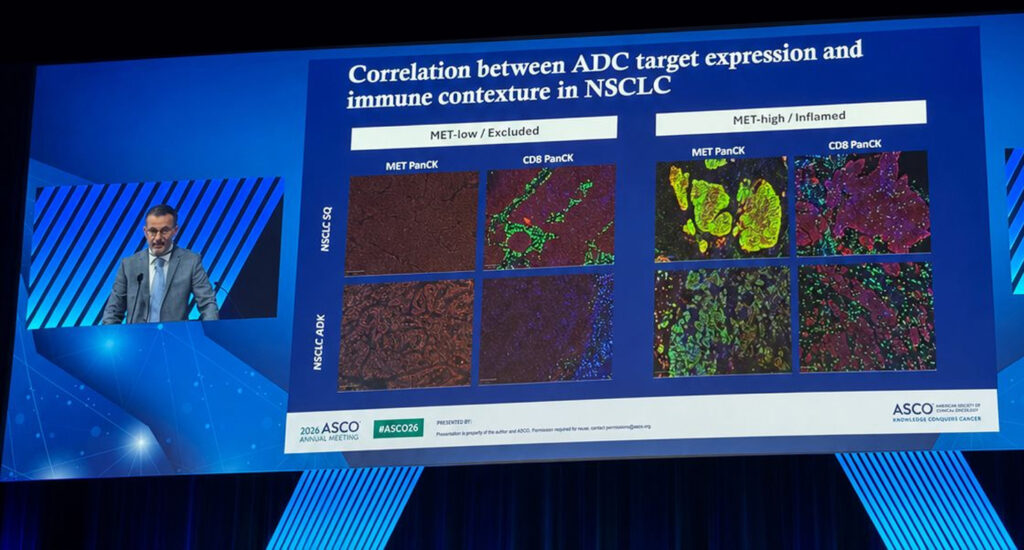
Prof. Antoine Italiano (Gustave Roussy) delivered this oral presentation: I was honored to present our work on an integrated spatial ADC target atlas across…
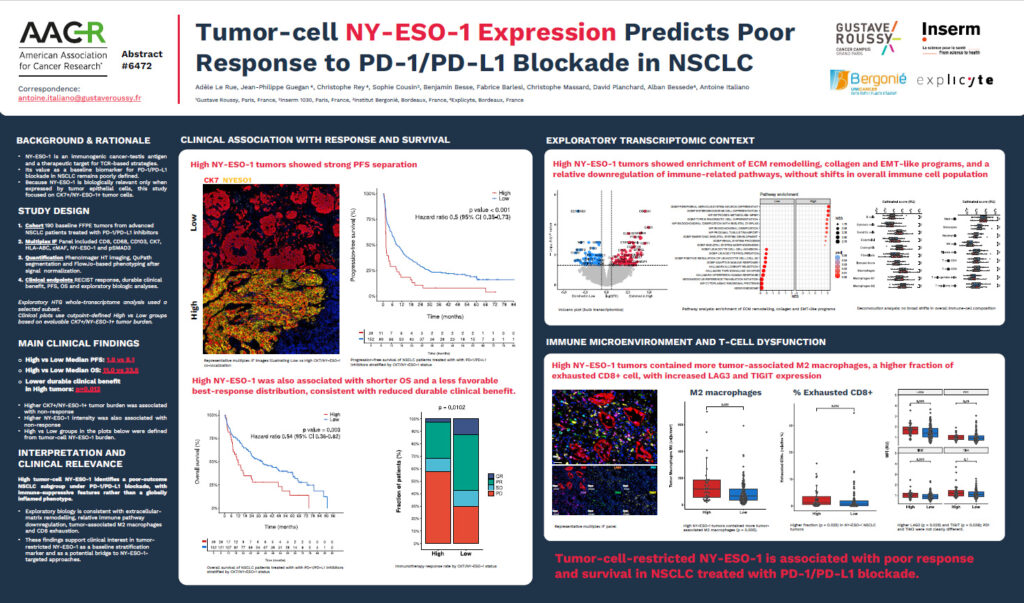
Background & rationale NY-ESO-1 is an immunogenic cancer-testis antigen and a therapeutic target for TCR-based strategies. Its value as a baseline biomarker for PD-1/PD-L1…
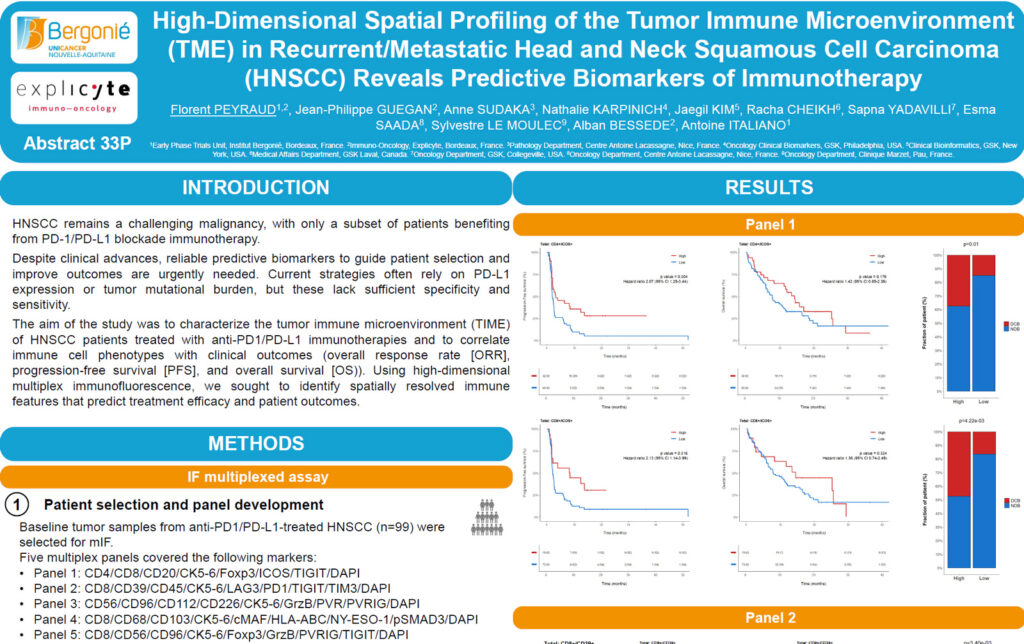
HNSCC remains a challenging malignancy, with only a subset of patients benefiting from PD-1/PD-L1 blockade immunotherapy. Despite clinical advances, reliable predictive biomarkers to guide…
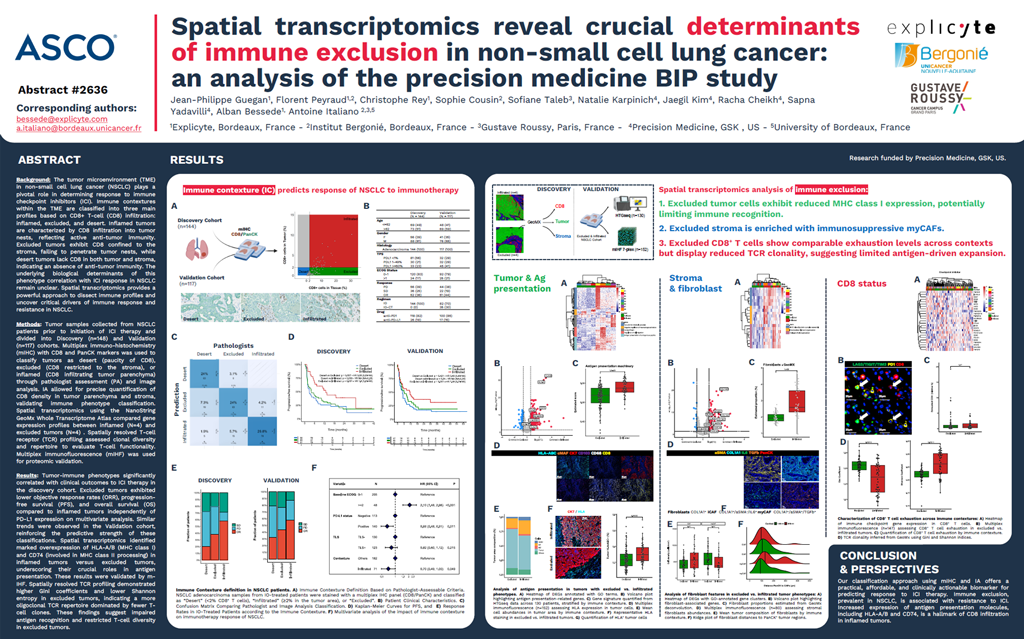
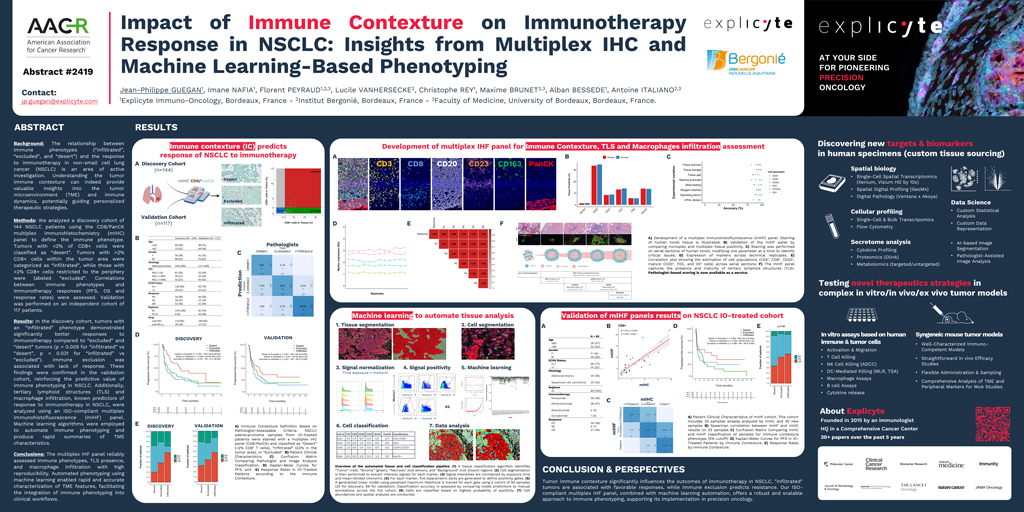
Background The tumor microenvironment (TME) in non-small cell lung cancer (NSCLC) plays a pivotal role in determining response to immune checkpoint inhibitors (ICI). Immune…
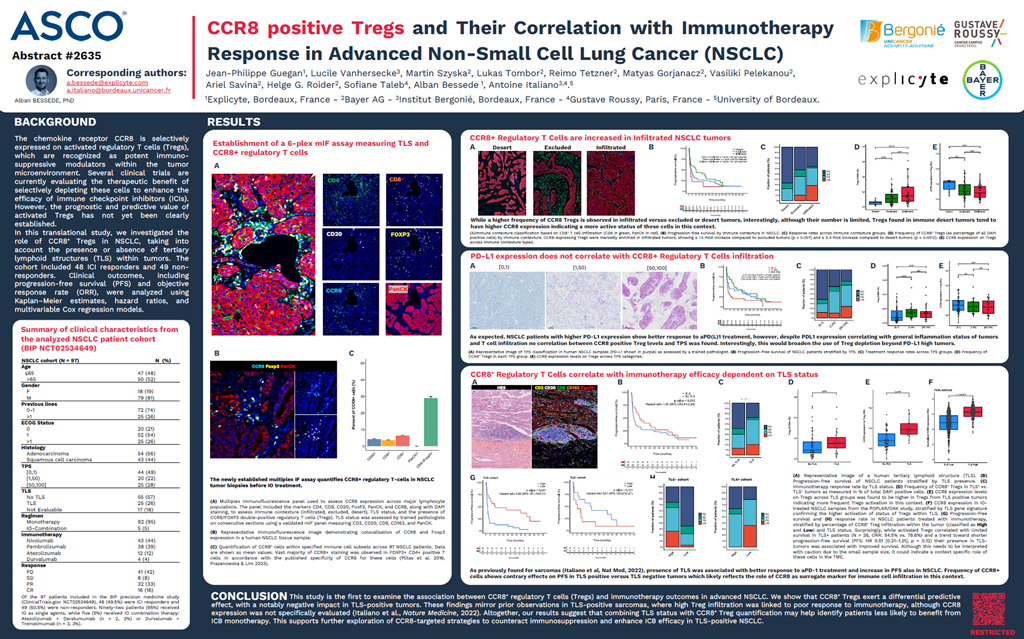
The chemokine receptor CCR8 is selectively expressed on activated regulatory T cells (Tregs), which are recognized as potent immunosuppressive modulators within the tumor microenvironment.…
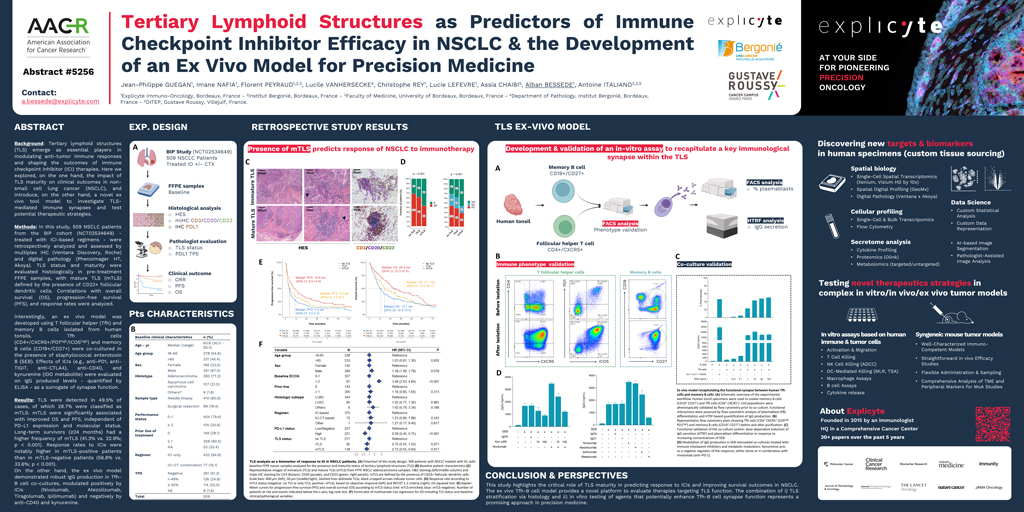
Tertiary lymphoid structures (TLS) emerge as essential players in modulating anti-tumor immune responses and shaping the outcomes of immune checkpoint inhibitor (ICI) therapies. Here…
Predicting which NSCLC patients will benefit from immunotherapy requires more than measuring a single biomarker. Our previous work has helped show that key spatial…
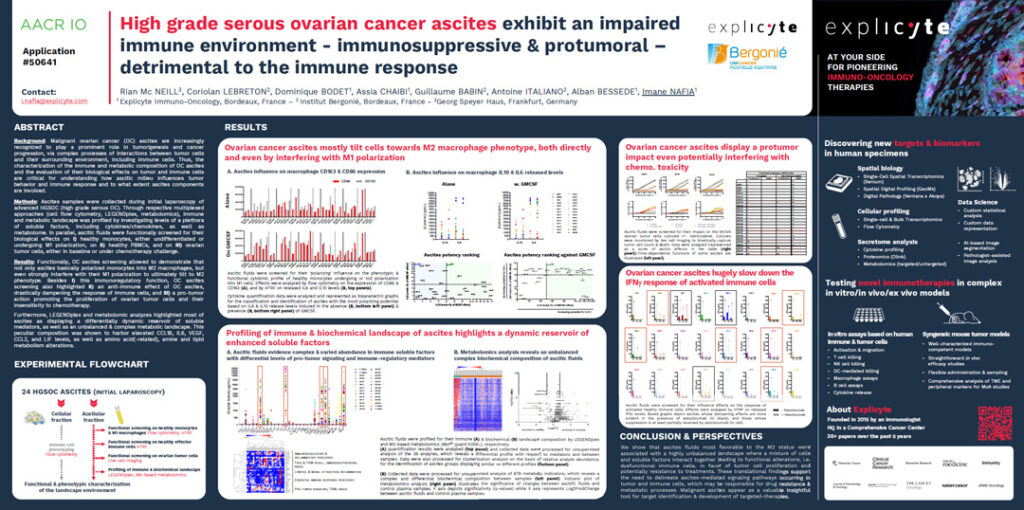
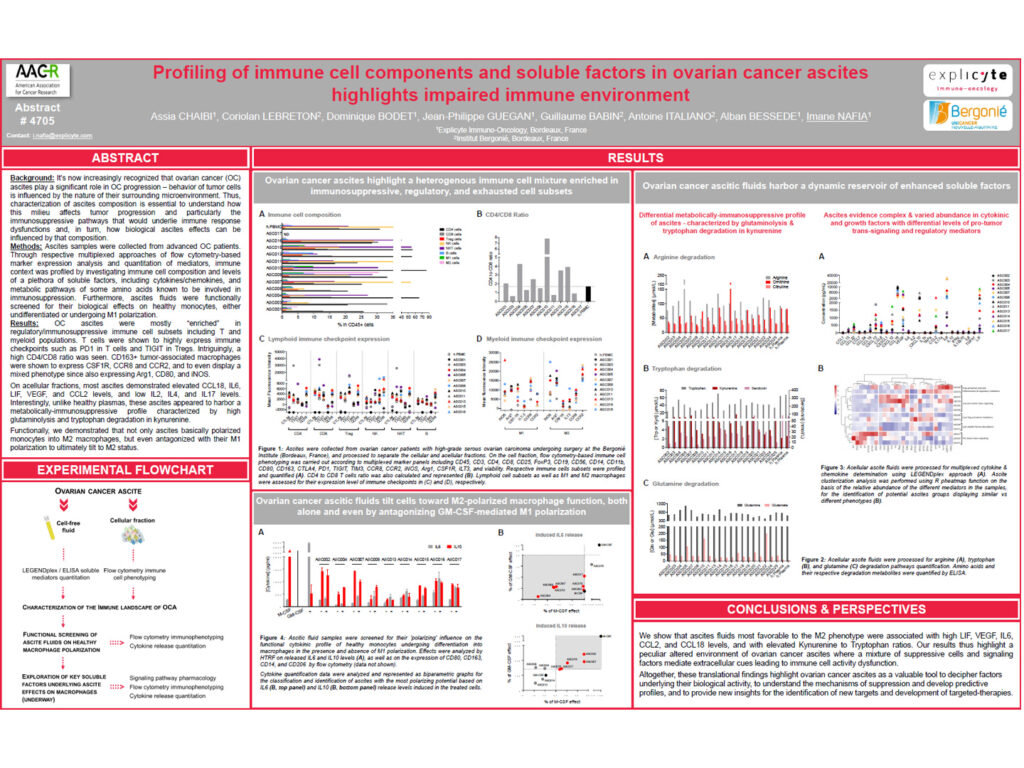
Background Malignant ovarian cancer ascites are increasingly recognized as major contributors to tumorigenesis and cancer progression. Ascites create a complex microenvironment where tumor cells…
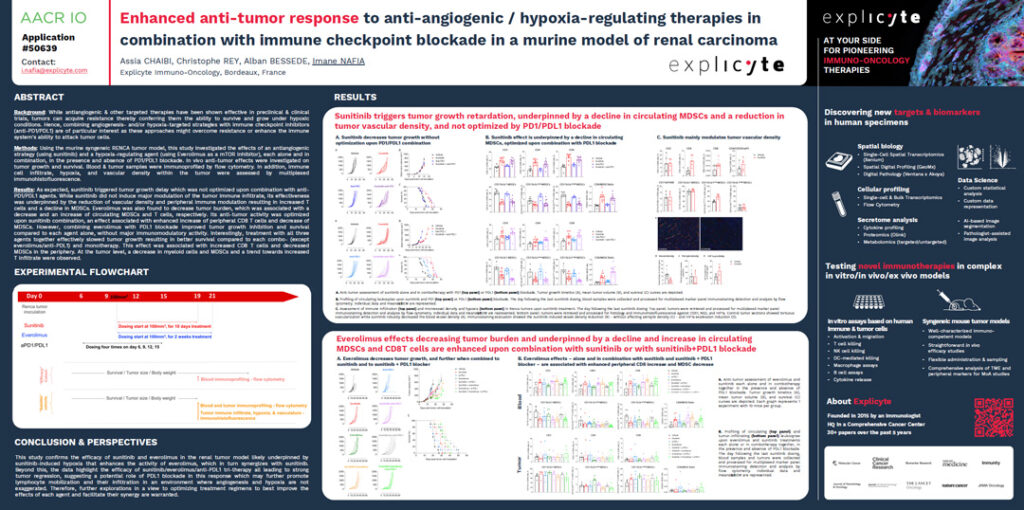
Background Antiangiogenic and other targeted therapies have shown efficacy in both preclinical and clinical settings. However, tumors can acquire resistance, allowing them to survive…
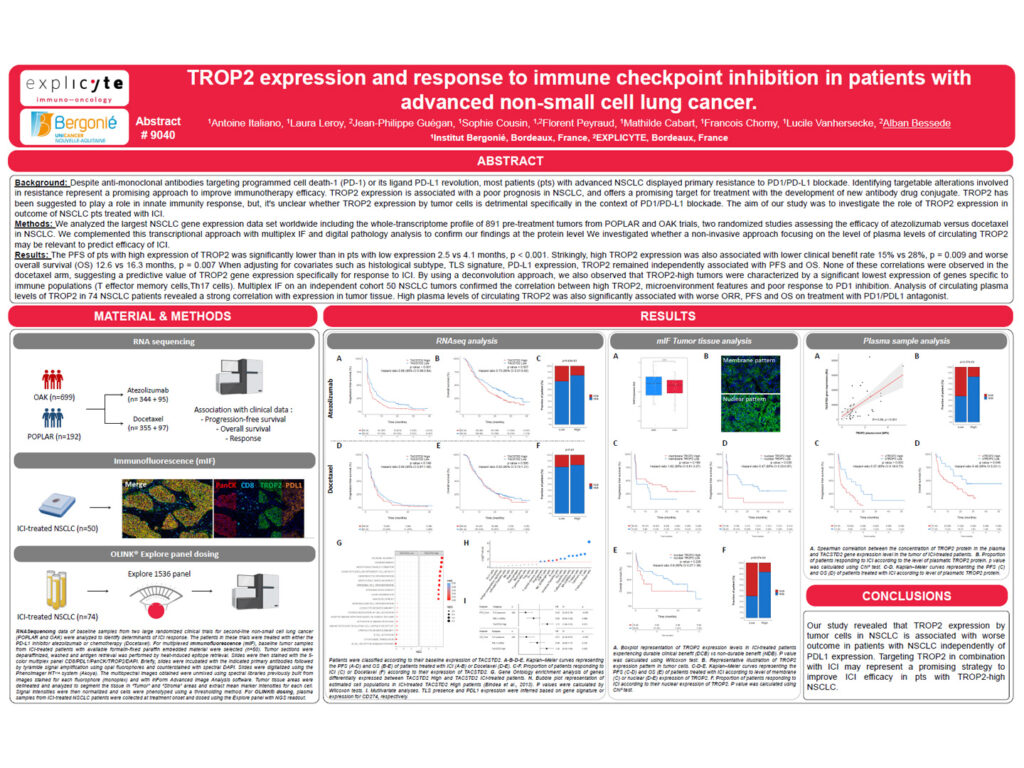
Background Monoclonal antibodies targeting programmed cell death-1, or PD-1, and its ligand PD-L1 have revolutionized the treatment of patients with advanced non-small cell lung…
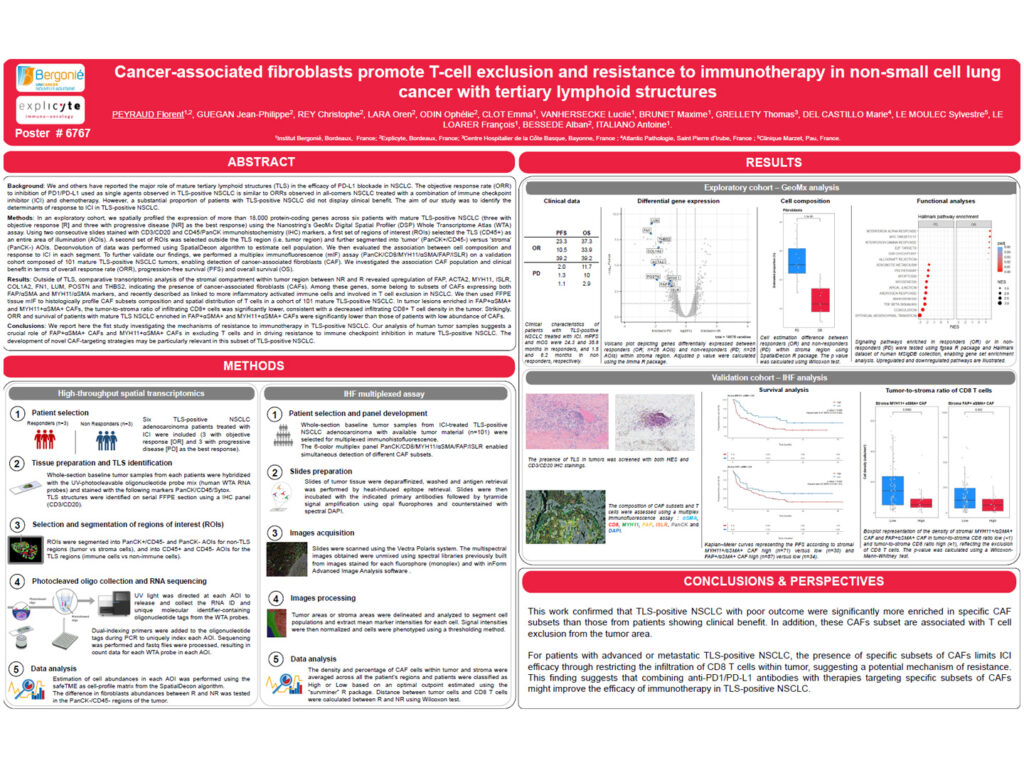
Background Mature tertiary lymphoid structures have been reported to play a major role in the efficacy of PD-L1 blockade in non-small cell lung cancer.…
Background Ovarian cancer ascites are increasingly recognized as important contributors to ovarian cancer progression. The behavior of tumor cells is strongly influenced by the…
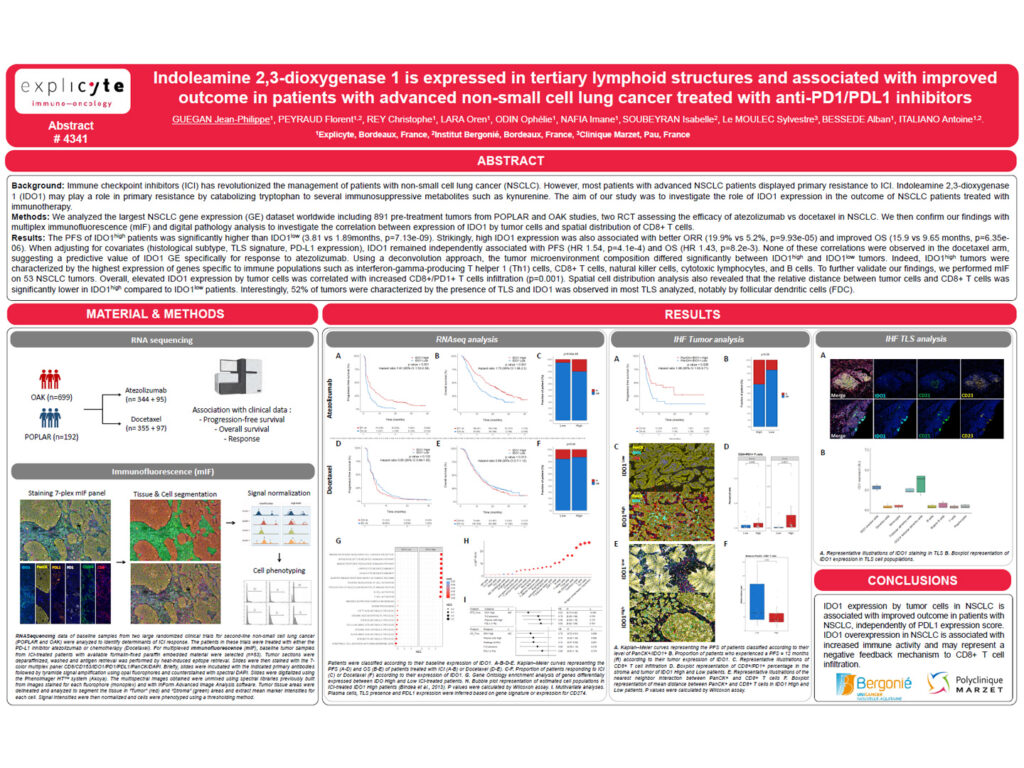
Background Immune checkpoint inhibitors have revolutionized the management of patients with non-small cell lung cancer. However, most patients with advanced NSCLC display primary resistance…
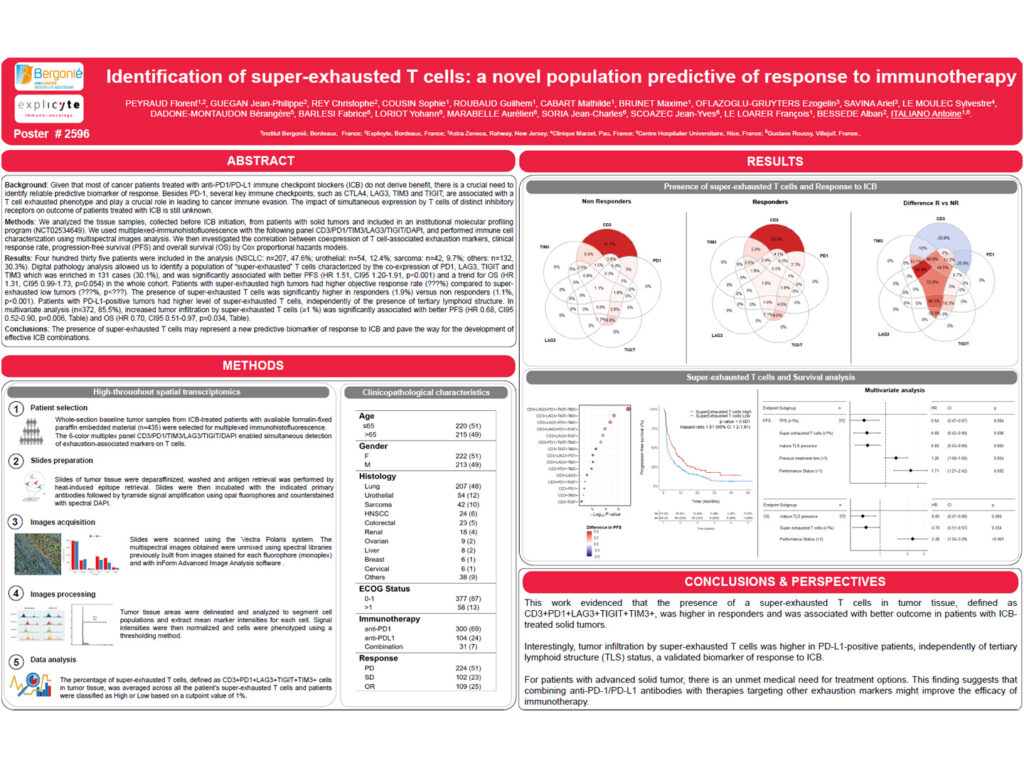
Background Most cancer patients treated with anti-PD1 or anti-PDL1 immune checkpoint blockers do not derive clinical benefit. There is therefore a crucial need to…
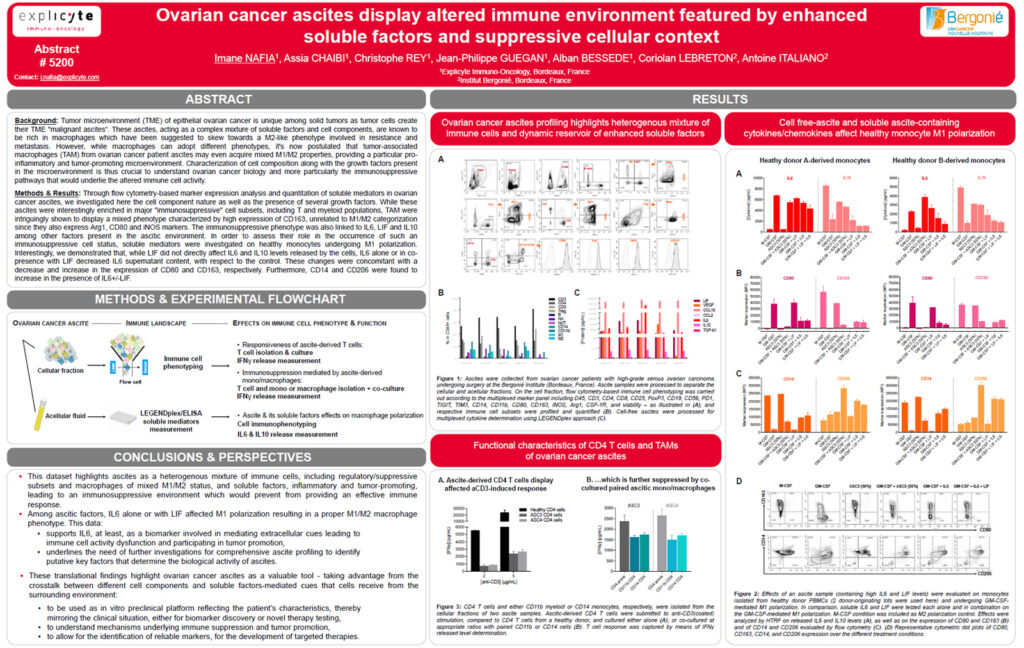
Background The tumor microenvironment of epithelial ovarian cancer is unique among solid tumors, as tumor cells can shape their own microenvironment through the formation…
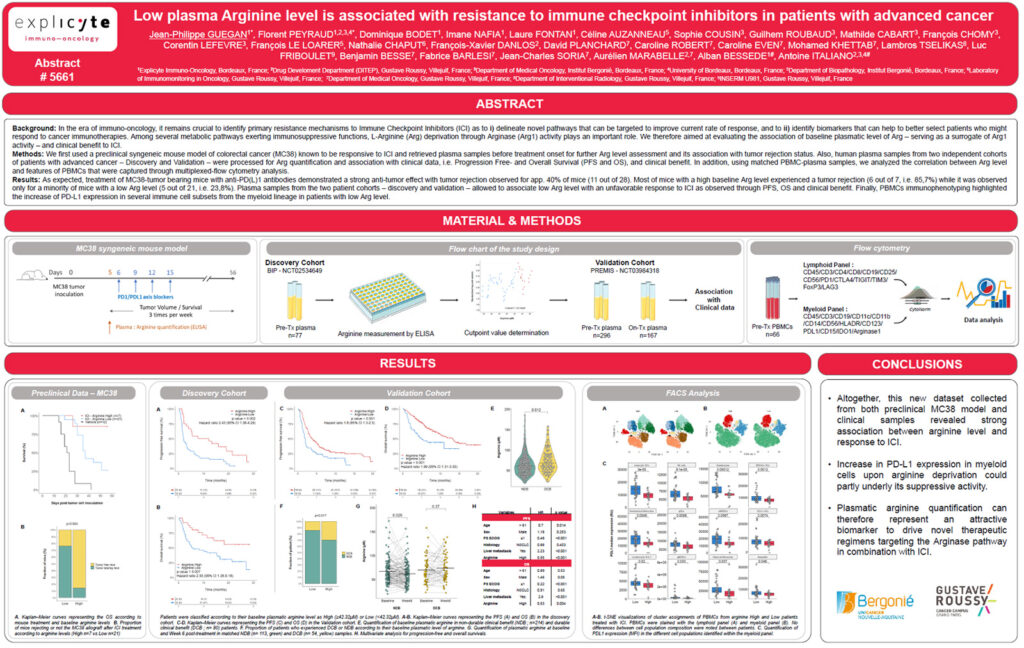
Background In the era of immuno-oncology, identifying primary resistance mechanisms to immune checkpoint inhibitors remains crucial. A better understanding of these mechanisms may help…
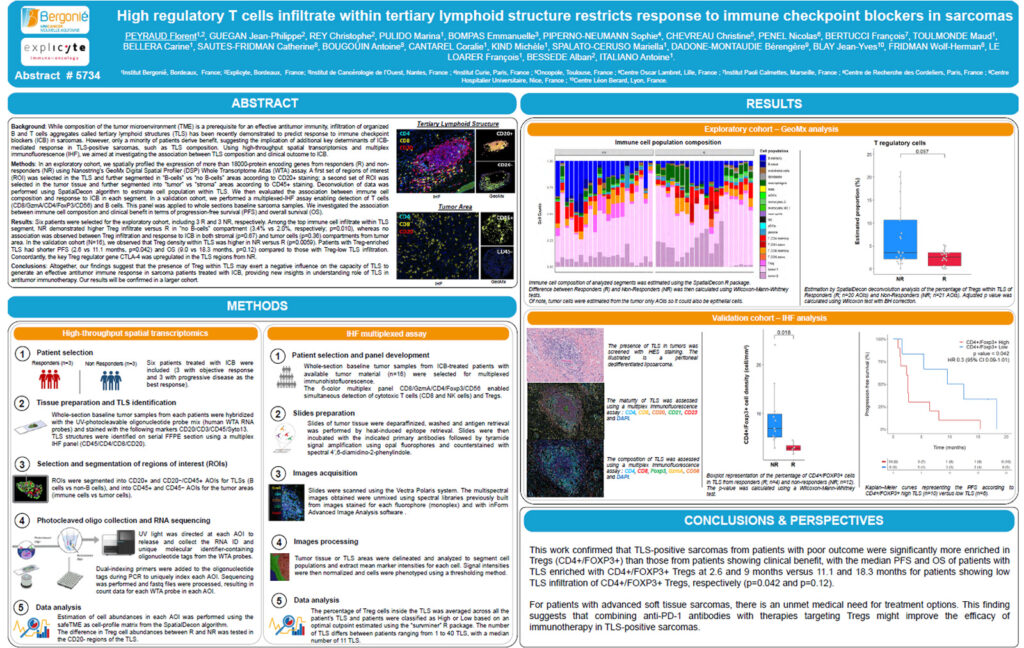
Background The composition of the tumor microenvironment is a key determinant of effective anti-tumor immunity. In sarcomas, the presence of organized B and…
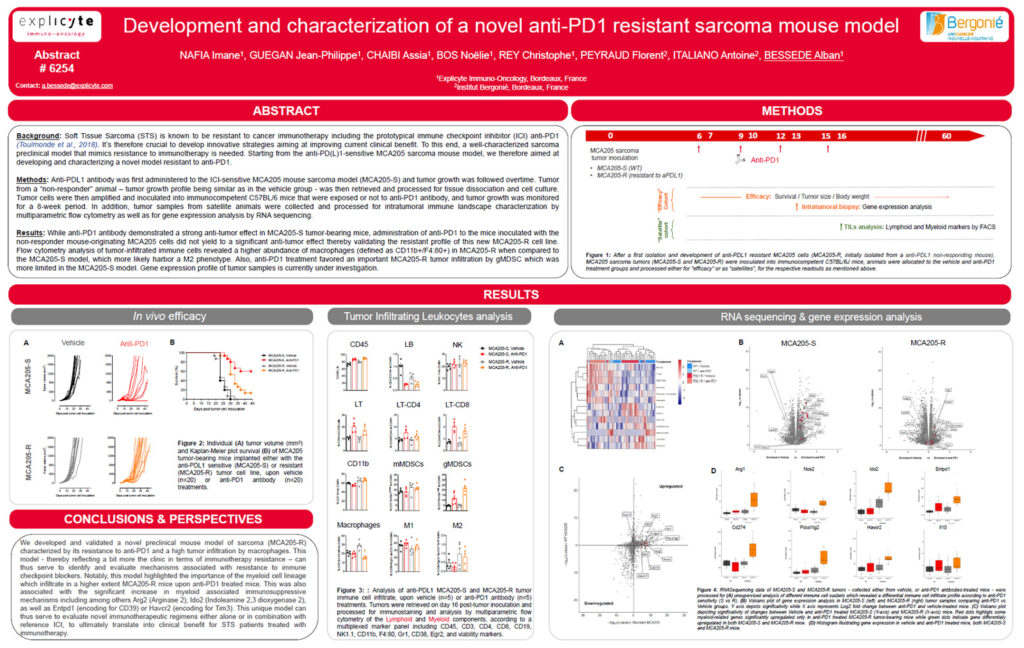
Soft tissue sarcoma (STS) is known to be resistant to cancer immunotherapy, including prototypical immune checkpoint inhibitors such as anti-PD1 antibodies. It is therefore…
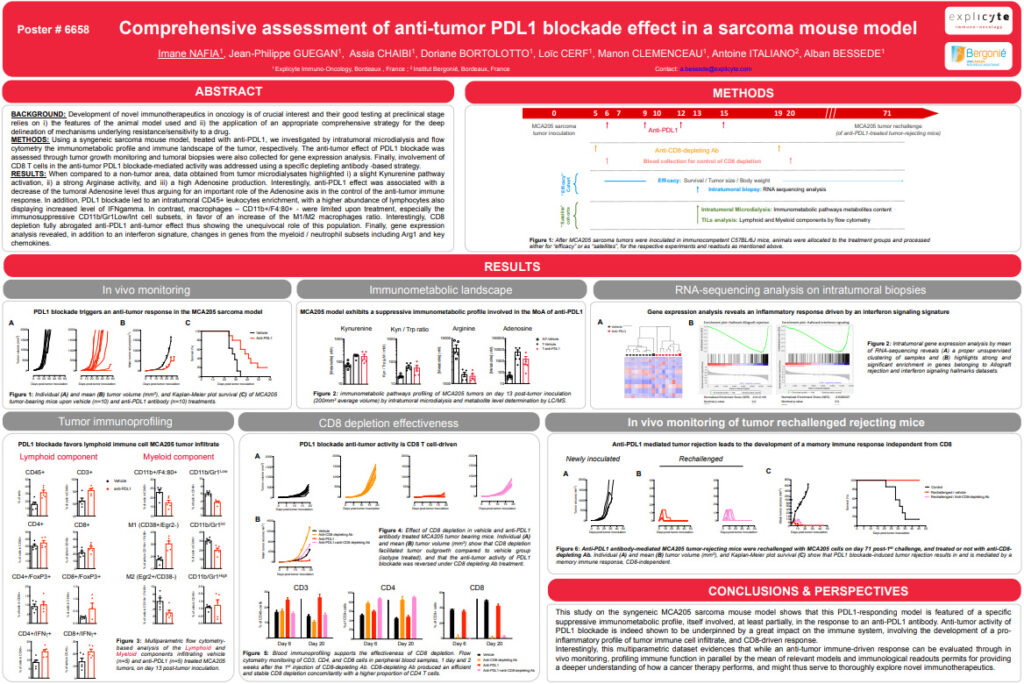
Background Development of novel immunotherapeutics in oncology is of major interest. Their preclinical evaluation relies on two key elements: the relevance of the animal…
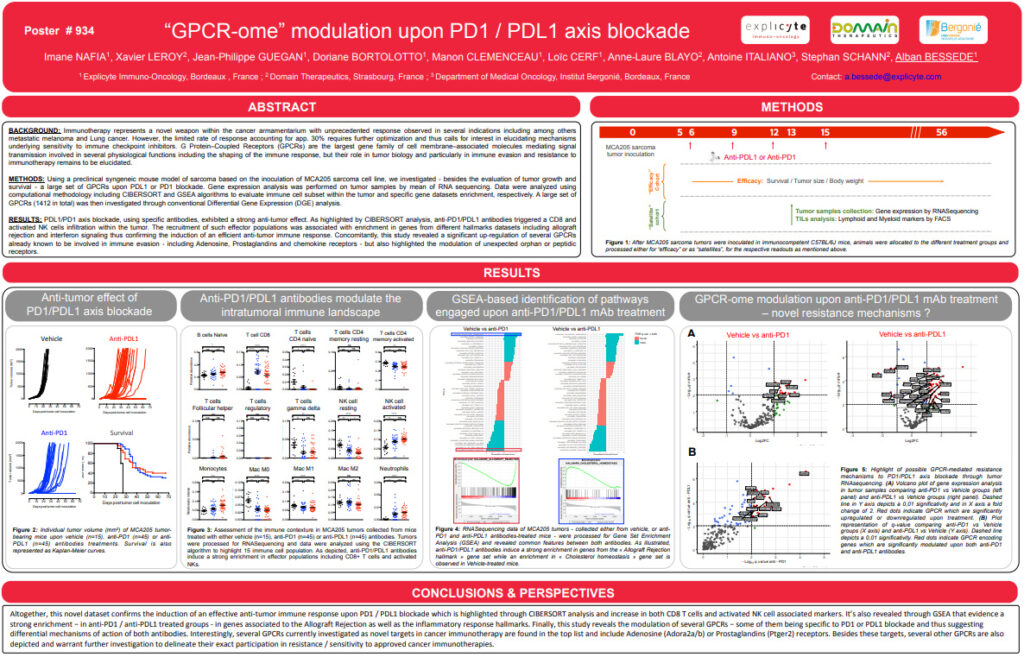
Background Immunotherapy represents a novel weapon in the cancer armamentarium, with unprecedented responses observed in several indications, including metastatic melanoma and lung cancer. However,…
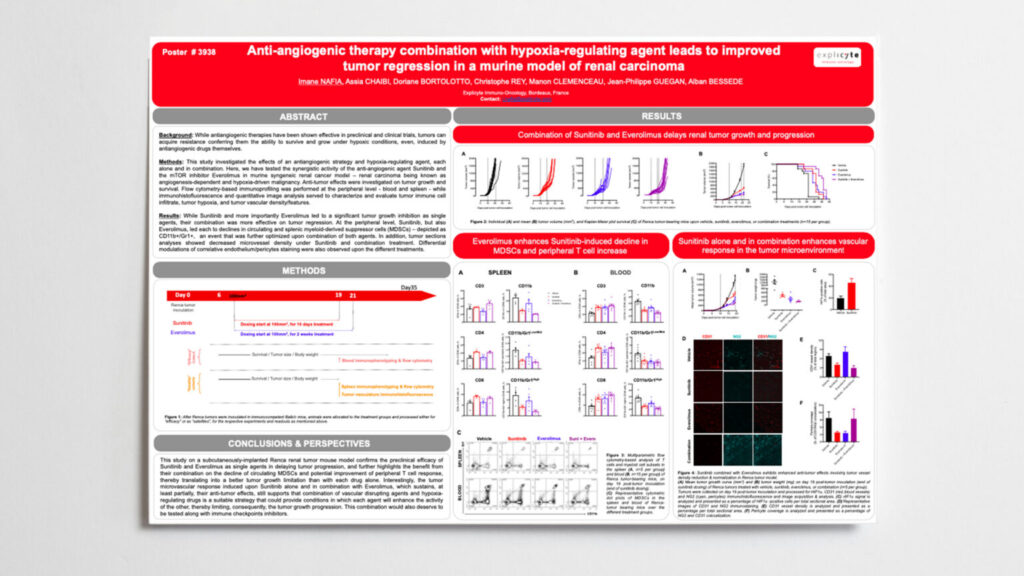
Background While antiangiogenic therapies have been shown effective in preclinical and clinical trials, tumors can acquire resistance conferring them the ability to survive and…
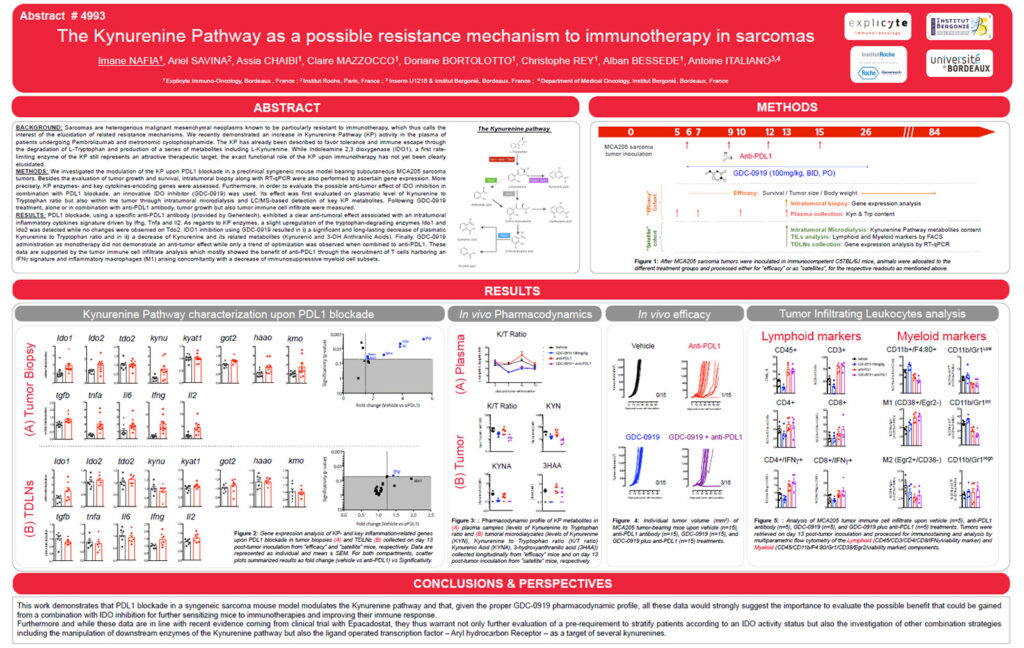
Background Sarcomas are heterogeneous malignant mesenchymal tumors known to be particularly resistant to immunotherapy. This resistance highlights the need to better understand the biological…
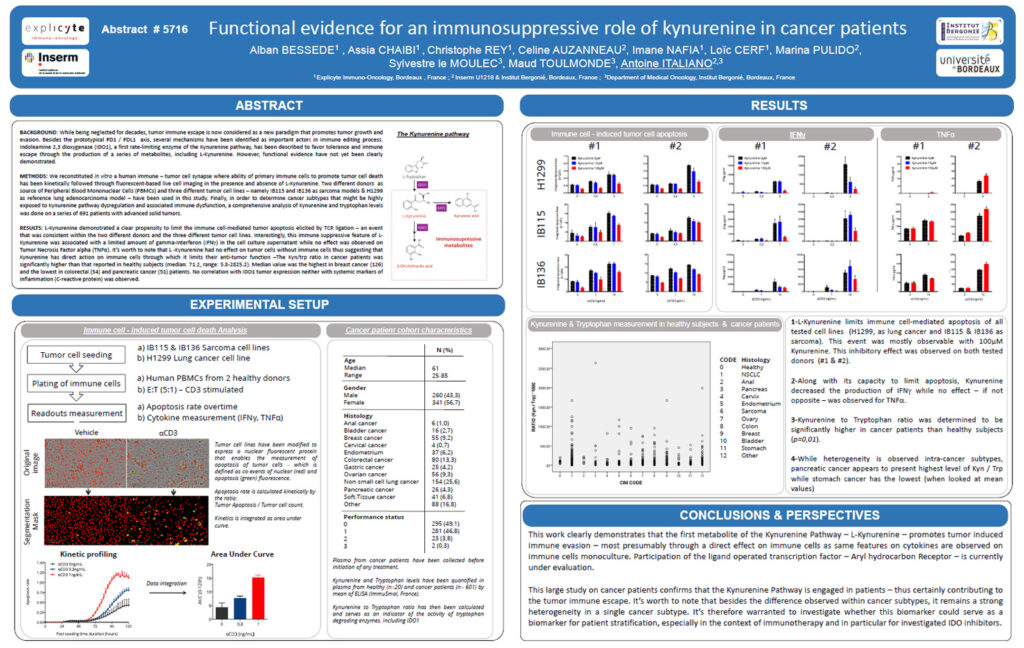
Background Long neglected, tumor immune escape is now considered a key mechanism promoting tumor growth and immune evasion. Beyond the prototypical PD1/PDL1 axis, several…